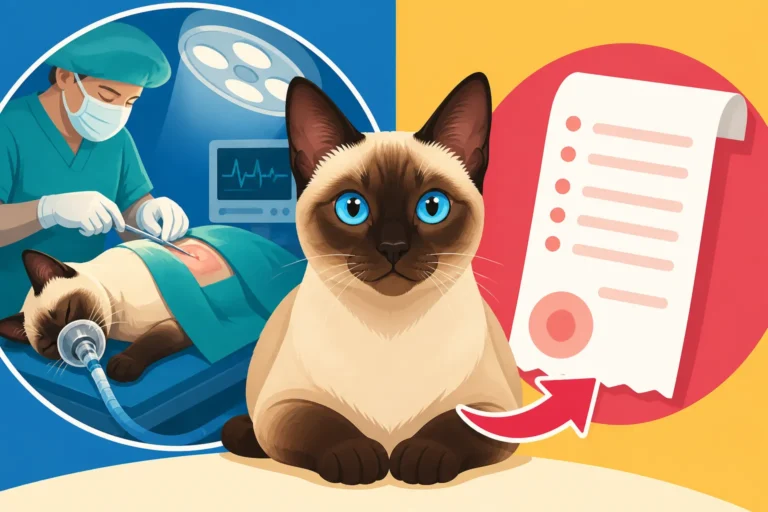
What a Siamese Cat’s Chest X Ray Costs
It's incredibly stressful when your beloved Siamese cat isn't feeling well, especially when breathing issues come into play. The sheer panic of hearing them cough or struggle, and then the looming thought of vet bills, can be overwhelming. This guide is here to walk you through what might lead to your Siamese needing a chest X-ray and help you understand the financial landscape you might face.
Why a Siamese Cat Might Need a Chest X-Ray
When your Siamese cat is showing signs of respiratory distress, a chest X-ray, also known as a radiograph, is often one of the first diagnostic tools a veterinarian will recommend. It's a non-invasive way to get a quick look inside their chest cavity, revealing a lot about the heart, lungs, and surrounding structures that can't be seen from the outside. The reasons for needing one can range from acute emergencies to routine checks.
Assessing Respiratory Distress
Respiratory issues are unfortunately not uncommon in our feline friends, and Siamese cats, with their often slender and elegant build, can be prone to certain conditions. If your Siamese is coughing, wheezing, breathing rapidly, or having difficulty catching their breath, a chest X-ray is crucial. It helps the vet visualize the lungs for signs of inflammation, fluid buildup (pulmonary edema), or masses. For instance, Asthma in a Siamese Cat is a condition where the airways can become inflamed and constricted, and an X-ray might show changes in lung patterns consistent with this. It can also help distinguish between asthma and other issues like bronchitis or even pneumonia.
Imagine your normally chatty and active Meezer suddenly becomes quiet, hiding under the bed, and you notice their sides heaving with each breath. This is a terrifying scenario many cat owners have faced. A vet might suspect something serious, and an X-ray offers a vital clue. It can show if the heart is enlarged, which might indicate heart disease, or if there's fluid in the chest cavity (pleural effusion) making it hard for the lungs to expand.
Investigating Trauma or Injury
Cats are naturally curious, and sometimes, despite our best efforts, accidents happen. If your Siamese cat has suffered a fall, been hit by something, or experienced any kind of blunt force trauma, a chest X-ray is essential to rule out internal injuries. Fractured ribs, a collapsed lung (pneumothorax), or internal bleeding are serious conditions that require immediate attention. Even if your cat seems relatively okay on the surface, trauma can have hidden impacts.
Let's say your adventurous Siamese, the one who loves climbing to the highest shelves, takes an unexpected tumble. They might seem shaken but otherwise fine. However, a vet might recommend an X-ray just to be safe. It can reveal subtle signs of injury, such as a small amount of air outside the lung or a hairline fracture on a rib, that wouldn't be apparent through physical examination alone. Early detection in such cases can prevent more severe complications down the line and guide the most effective treatment plan.
Pre-Surgical Screening and Monitoring
Before certain surgical procedures, particularly those involving the chest or abdomen, a veterinarian might request a chest X-ray as part of the pre-anesthetic workup. This is done to ensure your cat's heart and lungs are healthy enough to tolerate anesthesia and the stress of surgery. It provides a baseline and helps identify any underlying conditions that could pose a risk during the procedure. Whether a Siamese Cat Tolerates Anesthesia is a real concern for many owners, and a pre-surgical X-ray offers peace of mind.
Beyond initial diagnosis, X-rays are also used for monitoring certain conditions. If your Siamese cat is being treated for heart disease or lung issues, periodic X-rays might be taken to track the progress of the disease or assess the effectiveness of medication. It's like taking a series of snapshots to see how things are changing over time, helping your vet adjust treatment as needed. It's an ongoing process, not just a one-off event.
Understanding the Factors That Influence X-Ray Costs
The cost of a chest X-ray for your Siamese cat isn't a fixed price tag you can simply look up. It's a figure influenced by several variables, much like the cost of a car repair. These factors can significantly impact the final bill, leaving many owners feeling a bit bewildered when they first get an estimate. It's important to understand these elements so you can better anticipate and plan for the expense.
Clinic Type and Geographic Location
Just like human healthcare, veterinary costs can vary significantly based on where you live and the type of clinic you visit. A large veterinary hospital in a metropolitan area, especially one with specialized equipment and a team of specialists, will likely have higher overheads and thus higher prices than a smaller, independent clinic in a rural town. The cost of living in your area also plays a role; vet services in New York City or Los Angeles will naturally be pricier than in, say, a small town in Kansas.
Furthermore, emergency veterinary clinics, which operate 24/7 and are equipped to handle critical situations, often charge a premium for their services, especially outside of regular business hours. If your Siamese needs an X-ray in the middle of the night, expect the cost to be on the higher end due to emergency surcharges. This isn't because they're trying to take advantage; it's simply the reality of providing immediate, specialized care when most other businesses are closed. You might be looking at a significant difference between a routine X-ray taken during business hours at your regular vet versus an emergency X-ray at 3 AM.
Number of Views and Sedation Requirements
A chest X-ray isn't usually just one picture. To get a comprehensive view of the chest cavity, veterinarians typically take multiple images from different angles – often two to three "views" (e.g., side view, top-down view). Each additional view adds to the cost because it requires more time, more film or digital processing, and potentially more repositioning of your cat. The more angles, the more complete the diagnostic picture.
Moreover, while some very calm cats might tolerate being positioned for an X-ray without much fuss, many cats, especially when they're in pain or stressed, will need some form of sedation or even a light anesthetic. This isn't just to make them cooperate; it ensures they stay perfectly still for clear images, which is critical for an accurate diagnosis. Sedation comes with its own costs, including the sedative itself, the time of the veterinary staff to administer and monitor it, and potentially pre-sedation blood work to ensure your cat is healthy enough for it. Whether a Siamese Cat Tolerates Anesthesia is often a consideration here, as some cats may react differently. This addition can increase the total bill considerably, but it's often a necessary step for diagnostic accuracy and your cat's comfort and safety.
Emergency Versus Scheduled Appointments
The urgency of your Siamese cat's condition will also impact the cost. If your cat is rushed into an emergency vet clinic because they're struggling to breathe, the X-ray will be performed as part of an emergency workup. As mentioned, emergency services typically have higher fees due to the immediate availability of staff, equipment, and critical care resources. You're not just paying for the X-ray itself, but for the rapid response and readiness of the entire emergency team. What a Siamese Cat's Emergency Ultrasound Costs or What an Asthma Emergency Costs a Siamese Cat Owner can illustrate how quickly these costs escalate in a crisis.
In contrast, if your regular vet suggests an X-ray during a routine check-up for a non-urgent concern, or as a follow-up, it will likely be scheduled during normal business hours. These scheduled appointments typically incur lower fees than emergency visits. While still an expense, it's usually more predictable and often fits within a standard pricing structure. Always ask for an itemized estimate, especially in an emergency, so you understand what you're paying for.
Here’s a general idea of how these factors might influence the cost:
| Factor | Lower Cost Scenario | Higher Cost Scenario |
|---|---|---|
| Clinic Type/Location | Small, rural, general practice vet | Large, metropolitan, specialty or emergency hospital |
| Number of Views | Single view, diagnostic scan | Multiple views, complex angles for detailed imaging |
| Sedation | No sedation required, cooperative cat | Full sedation or light anesthesia needed, anxious cat |
| Appointment Type | Scheduled routine check-up or follow-up | After-hours emergency, critical care situation |
Navigating the Cost: What to Expect and How to Prepare
Facing an unexpected vet bill for something like a chest X-ray can be daunting, especially when your primary concern is your beloved Siamese cat's health. However, there are ways to prepare and navigate these expenses, ensuring your feline friend gets the care they need without completely breaking the bank. It’s all about being proactive and understanding your options.
Getting Estimates and Understanding the Bill
The absolute best thing you can do when your vet recommends a chest X-ray is to ask for a detailed estimate before any procedures are performed, if the situation allows. This is especially critical in non-emergency situations. A good estimate should break down the costs for the X-rays themselves, any required sedation, the veterinarian's time to interpret the images, and any other associated fees. Don't be shy about asking questions if something isn't clear. "What exactly does this charge cover?" or "Are there any alternative options?" are perfectly valid questions.
In an emergency, it might not be possible to get a full, detailed estimate before stabilizing your cat, but the vet staff should still be able to give you a rough range and keep you updated on costs as they arise. Remember, they want to help your cat just as much as you do. Understanding what makes up the bill can help you make informed decisions and budget accordingly. Sometimes, the X-ray is just one part of a larger diagnostic workup. What a Siamese Cat's Asthma Workup Costs shows how various tests can quickly add up.
Pet Insurance and Financial Aid Options
Pet insurance can be an absolute lifesaver when unexpected vet bills pop up, and this is where brands like Healthy Paws truly shine. Many comprehensive pet insurance policies cover diagnostic tests like X-rays, especially if they are medically necessary for an illness or injury. If you have pet insurance, contact your provider as soon as possible to understand what your policy covers and what your deductible and reimbursement rates are for diagnostic imaging. While it won't cover pre-existing conditions, having a policy in place before your cat develops issues can save you a significant amount over their lifetime. Even if you don't have insurance, it's worth considering for future emergencies or chronic conditions.
If pet insurance isn't an option or you're facing costs beyond your coverage, don't despair. There are often financial aid programs available for pet owners. Many veterinary clinics work with third-party payment plans, such as CareCredit, which offers deferred interest options. Additionally, numerous charitable organizations and foundations exist specifically to help pet owners with vet bills. A quick online search for "pet financial aid" or asking your vet's office for a list of resources can yield helpful results. Sometimes, even local humane societies or breed-specific rescues might offer assistance or guidance.
Beyond the X-Ray: Additional Diagnostic and Treatment Costs
It's important to remember that a chest X-ray is often just the first step in diagnosing a problem. The X-ray will provide visual information, but it might not give the complete picture. The vet might need further diagnostics based on the X-ray findings. For example, if the X-ray shows fluid in the chest, the next step might be a fluid tap to analyze the fluid. If a mass is detected, an ultrasound or even a biopsy might be recommended. Each of these subsequent tests comes with its own costs.
Once a diagnosis is made, then comes the treatment plan, which also has its own associated expenses. For a condition like How a Siamese Cat's Asthma Is Treated, this could mean long-term medication, an inhaler and spacer, and regular check-ups. If the X-ray revealed a severe issue like internal bleeding from Why a Siamese Cat With Amyloidosis Bleeds Internally, then emergency surgery might be necessary, and that's a whole different level of financial commitment. It's helpful to have a candid conversation with your vet about all potential next steps and their estimated costs so you can plan effectively for your Siamese cat's complete care journey.
Long-Term Management and Prevention
Caring for a Siamese cat, especially one with a chronic health condition, isn't just about addressing acute emergencies. It's also about understanding the long-term management strategies and proactive measures you can take to keep them healthy and potentially reduce the need for future expensive diagnostic tests like chest X-rays. Our Meezers are family, and we want to do everything we can to ensure they have The Fifteen to Twenty Years a Siamese Cat Gets in the best possible health.
Managing Chronic Conditions and Follow-Up Care
If your Siamese cat's chest X-ray led to a diagnosis of a chronic condition, such as asthma or heart disease, ongoing management will be crucial. This often involves regular medication, dietary adjustments, and consistent follow-up appointments with your veterinarian. For an asthmatic cat, this might mean daily inhaler use, which has its own ongoing costs for prescriptions and supplies. For heart conditions, medication might be lifelong. These regular expenses, while smaller than an emergency X-ray, add up over time and should be factored into your budget.
Follow-up X-rays might also be necessary to monitor the progression of the disease or the effectiveness of treatment. For example, after initiating treatment for heart failure, your vet might recommend another X-ray in a few weeks to see if the fluid in the lungs has resolved. These are usually scheduled and less costly than emergency X-rays, but they are still an expense. It’s a commitment to long-term health, and staying diligent with follow-up care is key to managing chronic conditions effectively and preventing more severe, costly crises.
The Role of Regular Wellness Exams
One of the most powerful tools in preventative care is the regular wellness exam. Annual (or even semi-annual for older cats) check-ups with your veterinarian allow for early detection of potential health issues before they become emergencies. During these visits, your vet can listen to your Siamese cat's heart and lungs, palpate their abdomen, and discuss any subtle changes in behavior or appetite you might have noticed. How a Siamese Cat Hides Pain is a common frustration for owners, making regular check-ups even more vital for early detection.
Early detection of conditions like Heart Murmurs in a Siamese Cat or even early signs of respiratory issues through a routine physical exam could mean intervening with less invasive and less expensive treatments, potentially delaying or even avoiding the need for an emergency X-ray down the line. Preventative care also includes maintaining a healthy weight, providing a balanced diet, and staying up-to-date on vaccinations and parasite control. These proactive steps are an investment in your cat’s long-term health and can save you significant money and stress in the future.
Lifestyle Adjustments and Environmental Control
Beyond medical interventions, there are often lifestyle and environmental adjustments that can significantly benefit a Siamese cat, especially those prone to respiratory issues. For an asthmatic cat, minimizing airborne irritants is paramount. This could mean switching to dust-free litter (many excellent options are available from Chewy), avoiding aerosol sprays, strong perfumes, and cigarette smoke, and using an air purifier.
Making these changes isn't always easy or cheap upfront, but they contribute to a healthier environment that can reduce the frequency and severity of asthma attacks, thereby potentially reducing the need for emergency vet visits and diagnostic X-rays. For cats with heart conditions, stress reduction and maintaining a calm home environment can also be beneficial. It's about looking at your cat's entire world and finding ways to support their health holistically. These small, consistent efforts can make a huge difference in their quality of life and your peace of mind.
Disclaimer
This article is for general informational purposes only and does not constitute professional advice. Laws, prices and regulations vary by location and change over time. Consult a qualified professional for guidance on your specific situation.