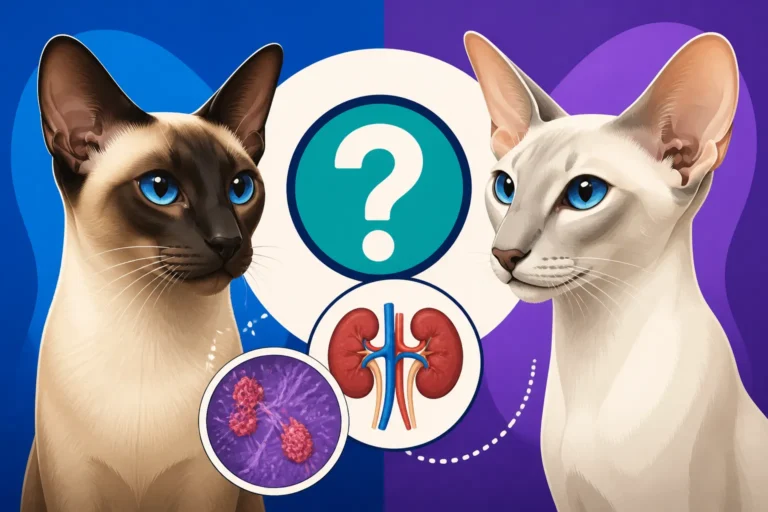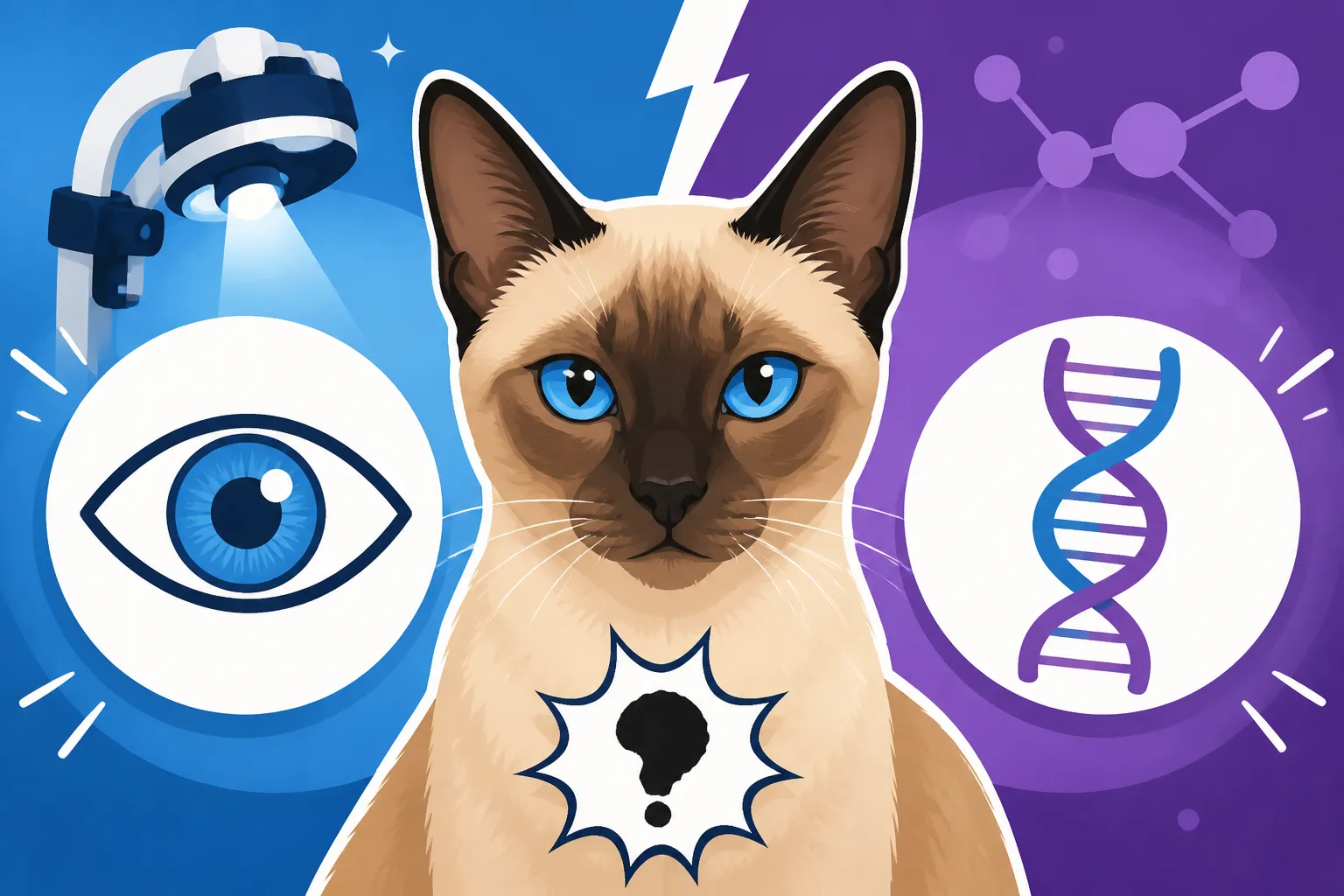
Whether an Eye Exam Beats a DNA Test for a Siamese Cat
It’s a truly frustrating position to be in when you’re trying your absolute best to be a responsible Siamese cat owner or a prospective adopter, only to be met with conflicting or confusing information about essential health screenings. Progressive Retinal Atrophy (PRA) is a particularly heartbreaking condition, slowly stealing a cat's sight, and knowing the best way to test for it – between a DNA test and a thorough eye exam – can feel like navigating a maze. This comprehensive guide is here to untangle that confusion, exploring the nuances of each method to help you understand which approach offers the most reliable insights for your cherished feline companion.
Understanding Progressive Retinal Atrophy in Siamese Cats
Bringing a Siamese cat into your life is a joyful experience, filled with their characteristic vocalizations, playful antics, and deep companionship. However, like any purebred, they come with certain predispositions to health conditions, and Progressive Retinal Atrophy is one that often brings worry to the hearts of their human families. It's a cruel disease because it doesn't just hit suddenly; it's a gradual loss, making it all the more challenging to witness.
What PRA Means for Your Siamese Cat's Vision
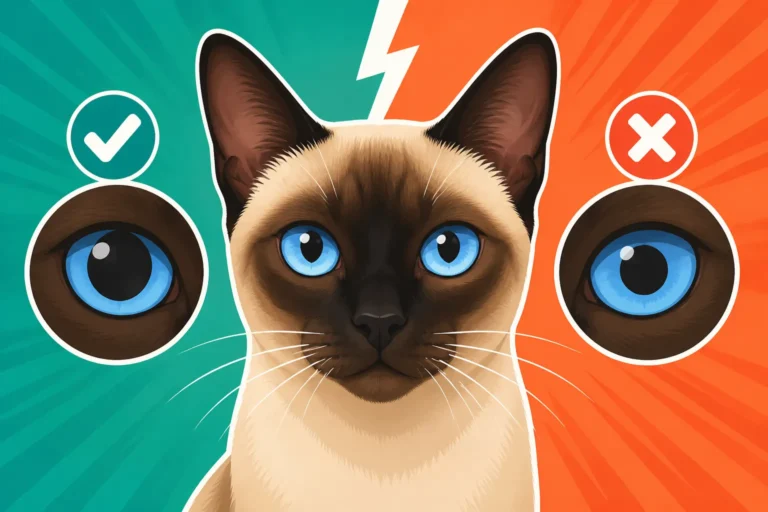
Progressive Retinal Atrophy, often just called PRA, is a blanket term for a group of inherited degenerative diseases that affect the retina, the light-sensitive tissue at the back of your cat's eye. Imagine the retina as the film in an old camera; it’s what captures all the visual information and sends it to the brain. In a cat with PRA, the photoreceptor cells in the retina – the rods (responsible for night vision) and cones (responsible for day vision and color) – slowly start to break down and die.
The progression of PRA varies depending on the specific genetic mutation and individual cat, but typically, the first sign owners might notice is a decrease in their cat's night vision. Your once confident feline might start bumping into furniture in dim light, seem more hesitant to move around after dark, or be easily startled by sudden movements when the lights are low. This is usually because the rod cells degenerate first. As the disease advances, day vision also deteriorates, eventually leading to complete blindness. It's a truly heartbreaking journey for both cat and owner, as you watch your vibrant companion slowly lose their ability to navigate the world visually. It changes their entire experience, and as a loving owner, you’ll naturally want to understand What PRA Does to a Siamese Cat's Sight so you can be prepared and offer the best support possible.
The Genetic Basis of Siamese Cat PRA
The cruel reality of PRA in Siamese cats, and many other breeds, is that it is typically an inherited condition. This means it’s passed down through generations, silently lurking in the genetic code until it manifests. Most forms of PRA are inherited in an autosomal recessive manner. What this means in plain language is that a kitten needs to inherit two copies of the faulty gene – one from each parent – to actually develop the disease. If a cat inherits only one copy, they are considered a "carrier." Carriers don't show any symptoms of the disease themselves, but they can pass that faulty gene on to their offspring. This makes tracking and screening incredibly important for responsible breeding practices.
For Siamese cats specifically, the most recognized form of PRA has been linked to a mutation in the CEP290 gene, sometimes referred to as the rdAc mutation. Understanding Which Gene Causes PRA in a Siamese Cat is crucial for anyone trying to decipher genetic test results. While this specific mutation is well-documented in some cat breeds, the effectiveness and universal applicability of DNA tests for all forms of PRA in Siamese cats have been a source of significant debate and confusion among breeders and veterinarians alike. This genetic complexity is precisely why simply relying on a single DNA test can be misleading.
The Limitations of DNA Testing for Siamese Cat PRA
When we think about inherited diseases, our first thought often goes to DNA tests. It makes sense, right? Find the gene, test for it, and you've got your answer. However, the world of feline genetics, especially concerning conditions like PRA in Siamese cats, isn't always that straightforward. There are significant limitations that can make DNA testing alone an unreliable sentinel against this devastating eye condition.
Why the Common PRA DNA Tests Fall Short
For several years, the rdAc DNA test has been available and widely used in other breeds, like the Abyssinian, to detect a specific form of PRA. When it comes to Siamese cats, however, the picture becomes considerably murkier. While this particular CEP290 mutation has been identified in some Siamese lines, it's not universally responsible for all cases of PRA within the breed. This is the core of the problem: a DNA test might tell you if your cat has that specific mutation, but it doesn't rule out other, as-yet-undiscovered or less-understood genetic causes of PRA that could still affect your Siamese.
Imagine testing for one specific type of bug in a garden, but there are a dozen other types of bugs that can still harm your plants, and your test doesn't even look for them. That's essentially what can happen with the current DNA tests for PRA in Siamese cats. Breeders and owners often find themselves in a bind, receiving a "clear" result from a DNA test only to have a cat later develop the actual disease. This leads to immense frustration and highlights Why an rdAc Result Is Unreliable in a Siamese Cat. The science is still evolving, and what works definitively for one breed's genetic PRA may not encompass the full spectrum of PRA in another. This gap in genetic understanding means that reliance on a single DNA test can lead to a false sense of security, which is incredibly dangerous when dealing with a condition that can steal your cat's vision.
The Risk of False Negatives and False Positives
The inadequacy of current DNA tests for PRA in Siamese cats opens the door wide to the unsettling possibility of both false negatives and, less commonly but still problematic, false positives. A false negative is perhaps the most dangerous outcome: your Siamese cat tests "clear" for the known PRA mutation, leading you to believe they are genetically sound, only for them to slowly start showing signs of vision loss later in life due to a different, untestable genetic cause of PRA. This is incredibly frustrating for both ethical breeders, who thought they were making responsible breeding choices, and for pet owners who were assured their kitten was free of the disease. It can be a devastating blow to realize that despite your best efforts, the test didn't provide the full picture.
Conversely, while less common for this specific condition, a test could theoretically yield a "positive" result for a gene variant that isn't truly pathogenic or linked to the active development of PRA in your specific cat’s lineage. This could cause undue stress, unnecessary exclusion from breeding programs, or even lead to difficult decisions, all based on incomplete or misapplied genetic information. The inherent limitations of genetic testing for a breed as genetically complex as the Siamese, when it comes to PRA, mean that these tests cannot be taken as the definitive word. This is why many experienced veterinarians and breeders caution against exclusive reliance on DNA tests, understanding that the science simply isn't robust enough for the Siamese cat specifically to fully predict the disease.
The Value of a Comprehensive Ophthalmic Examination
Given the complexities and potential pitfalls of relying solely on DNA tests for Progressive Retinal Atrophy in Siamese cats, a thorough, in-person ophthalmic examination by a board-certified veterinary ophthalmologist truly stands out as the gold standard for diagnosis and ongoing monitoring. This isn't just a quick peek into your cat's eyes; it's a detailed, expert evaluation that can detect the subtle, physical changes indicative of PRA.
What a Board-Certified Veterinary Ophthalmologist Looks For
When your Siamese cat visits a board-certified veterinary ophthalmologist, they're getting far more than a routine check-up. These specialists have dedicated years to understanding the intricate workings of animal eyes and are equipped with specialized tools and knowledge to diagnose conditions that might be missed by a general vet. The examination typically involves several key components. First, they will conduct a thorough indirect ophthalmoscopy, where they use a special lens and light source to view the entire retina, checking for any abnormalities like thinning, changes in reflectivity, or pigmentary disturbances. These are the tell-tale signs of retinal degeneration.
They might also perform a full electroretinography (ERG) if there are strong suspicions or if early detection is critical, such as for breeding animals. An ERG is a sophisticated diagnostic test that measures the electrical responses of the cells in the retina to flashes of light. It essentially tells the ophthalmologist how well the rods and cones are functioning, even before visible structural changes might be obvious. This test provides a direct assessment of retinal function, diagnosing the presence of the disease, not just the potential for it. If you're wondering How a Vet Confirms PRA in a Siamese Cat, these are the methods they employ. These examinations are comprehensive because they are looking at the actual physiological state of the eye, providing a direct assessment of health rather than a predictive genetic marker that might not be fully understood for the breed.
The Timeliness of an Eye Exam vs. Genetic Predisposition
One of the most significant advantages of a professional ophthalmic examination over a DNA test is its ability to diagnose the actual onset of PRA, even in its early stages. DNA tests, even reliable ones for other conditions, only indicate a genetic predisposition or the presence of a specific gene mutation. They don't tell you if or when the disease will manifest, nor do they account for every possible genetic variant that might cause PRA. For Siamese cats, where the genetic landscape of PRA is still not fully mapped out, this distinction is absolutely critical.
PRA is, as its name suggests, progressive. It develops over time. An eye exam can pick up the subtle changes in the retina that indicate the disease has begun, offering a window for early management and allowing you to adapt your home and lifestyle to help your cat. For instance, knowing The Age a Siamese Cat First Loses Night Vision can help you time these crucial exams. Regular check-ups with an ophthalmologist, especially for Siamese cats from lines with any known history of PRA, are invaluable for monitoring retinal health and catching any signs of deterioration before they become severe. This proactive approach ensures that if and when PRA begins to develop, you are aware and can act accordingly. Watching for Signs a Siamese Cat Is Going Blind is important, but a professional can often see the changes before you do. Investing in regular specialized veterinary care can certainly add up, but a good pet insurance policy, such as one from Healthy Paws, can be an absolute lifesaver, helping to cover the costs of these crucial diagnostic tests and treatments, making early and consistent detection much more accessible.
Making Informed Decisions: The Synergy of Both Approaches
When it comes to safeguarding the health of our beloved Siamese cats, particularly against a condition like Progressive Retinal Atrophy, the wisest path forward often involves not choosing one method over another, but rather understanding how to leverage the strengths of each. While the current DNA tests for PRA in Siamese cats have known limitations, a truly comprehensive approach integrates the most reliable diagnostic tools with responsible breeding practices and ongoing owner vigilance.
Breeder Responsibility and Testing Protocols
Responsible Siamese cat breeders are the first line of defense against inherited diseases like PRA. They don't just breed for looks; they prioritize health and temperament, and this involves meticulous screening of their breeding stock. While they might still use available DNA tests as one data point – even acknowledging their current limitations for Siamese PRA – they will never rely on them as the sole indicator of eye health. Instead, ethical breeders will place a heavy emphasis on regular, comprehensive ophthalmic examinations for all their breeding cats, performed by a board-certified veterinary ophthalmologist.
They understand that these clinical exams provide a real-time assessment of retinal health. A good breeder will be transparent about their screening practices and happily provide documentation of their cats' recent eye exams. They will also meticulously track the health of their cat's lineage, paying close attention to any instances of PRA in family members. When you're looking for a kitten, don't hesitate to ask detailed questions about Which Health Tests a Siamese Cat Breeder Runs and specifically request to see certification of ophthalmic clearances for both parents. If a breeder dismisses the need for eye exams in favor of an unreliable DNA test, it's a significant red flag. They should be able to articulate a clear protocol for monitoring and addressing eye health in their lines, acknowledging the current scientific understanding (or lack thereof) for specific PRA mutations in Siamese.
What Owners Should Prioritize for Their Siamese
For you, the dedicated Siamese cat owner, the priority should always be proactive care and vigilance. This means not waiting for signs of vision loss but incorporating eye health into your cat's regular veterinary care. Discuss your concerns about PRA with your general veterinarian. They can perform an initial eye examination and, crucially, refer you to a board-certified veterinary ophthalmologist if they suspect any issues or if you want the most thorough screening possible. This is particularly important if you know your cat comes from a lineage with a history of PRA.
Regular visits to a specialist for comprehensive ophthalmic exams are, at this time, the most reliable way to monitor for PRA in Siamese cats. These exams can detect the subtle changes that signify the onset of the disease, allowing for early intervention and adaptations to your cat's environment to maintain their quality of life as long as possible. Understanding that this specialized care can be costly, it's worth considering pet insurance. A robust policy from a reputable provider like Healthy Paws can significantly ease the financial burden of specialized diagnostic tests, treatments, and ongoing care for chronic conditions like PRA. While it doesn't prevent the disease, it ensures you can afford the best possible care if it does arise. Ultimately, combining responsible breeder practices with expert veterinary oversight and informed owner choices provides the strongest defense against the silent progression of PRA in your beloved Siamese cat.
DNA Test vs. Ophthalmic Exam for Siamese PRA
To help you visualize the differences and benefits of each approach when it comes to screening for Progressive Retinal Atrophy in your Siamese cat, here’s a quick comparison:
| Feature | DNA Test (e.g., rdAc) | Ophthalmic Exam by Specialist |
|---|---|---|
| What it measures | Presence of specific genetic mutations associated with PRA (e.g., CEP290/rdAc) | Physical health and function of the retina and eye structures |
| Reliability for Siamese | Limited; does not cover all forms of PRA in the breed; high risk of false negatives | High; directly diagnoses the disease or its early signs |
| When it can be done | Any age (even as a kitten) | Any age, but most effective for detecting onset in adult cats |
| Information provided | Genetic predisposition (if applicable) | Direct diagnosis of retinal degeneration, stage of disease |
| Benefits | Easy sample collection (swab); theoretical breeding guidance | Definitive diagnosis; monitors disease progression; detects non-genetic issues |
| Drawbacks | Can give false sense of security; may not apply to all Siamese PRA forms | Requires specialist visit; more costly per exam; not purely predictive |
| Best use case | As supplementary data if specific, relevant mutation identified; for other breeds | Primary screening tool for Siamese PRA; ongoing monitoring |
Disclaimer
The information provided in this guide is intended for educational purposes only and should not be considered a substitute for professional veterinary advice. Always consult with a qualified veterinarian or a board-certified veterinary ophthalmologist regarding any health concerns or before making any decisions about your Siamese cat's care or treatment. While we strive to provide accurate and up-to-date information, medical knowledge is constantly evolving.