Deafness in an Aging Siamese Cat
It’s a quiet change, isn't it? One day you realize your beloved Siamese cat, once so attuned to every rustle of a treat bag or the sound of your voice, seems a little less responsive. The loud 'meezer yowl' that once greeted you now goes unheard. As our cherished companions age, hearing loss can slowly creep in, a subtle thief stealing away a vital sense. This guide is here to help you understand why an aging Siamese might go deaf, how to spot the signs, and most importantly, how to adapt your home and routines to ensure your wise old friend continues to live a full, happy, and secure life.
Understanding Age-Related Deafness in Siamese Cats
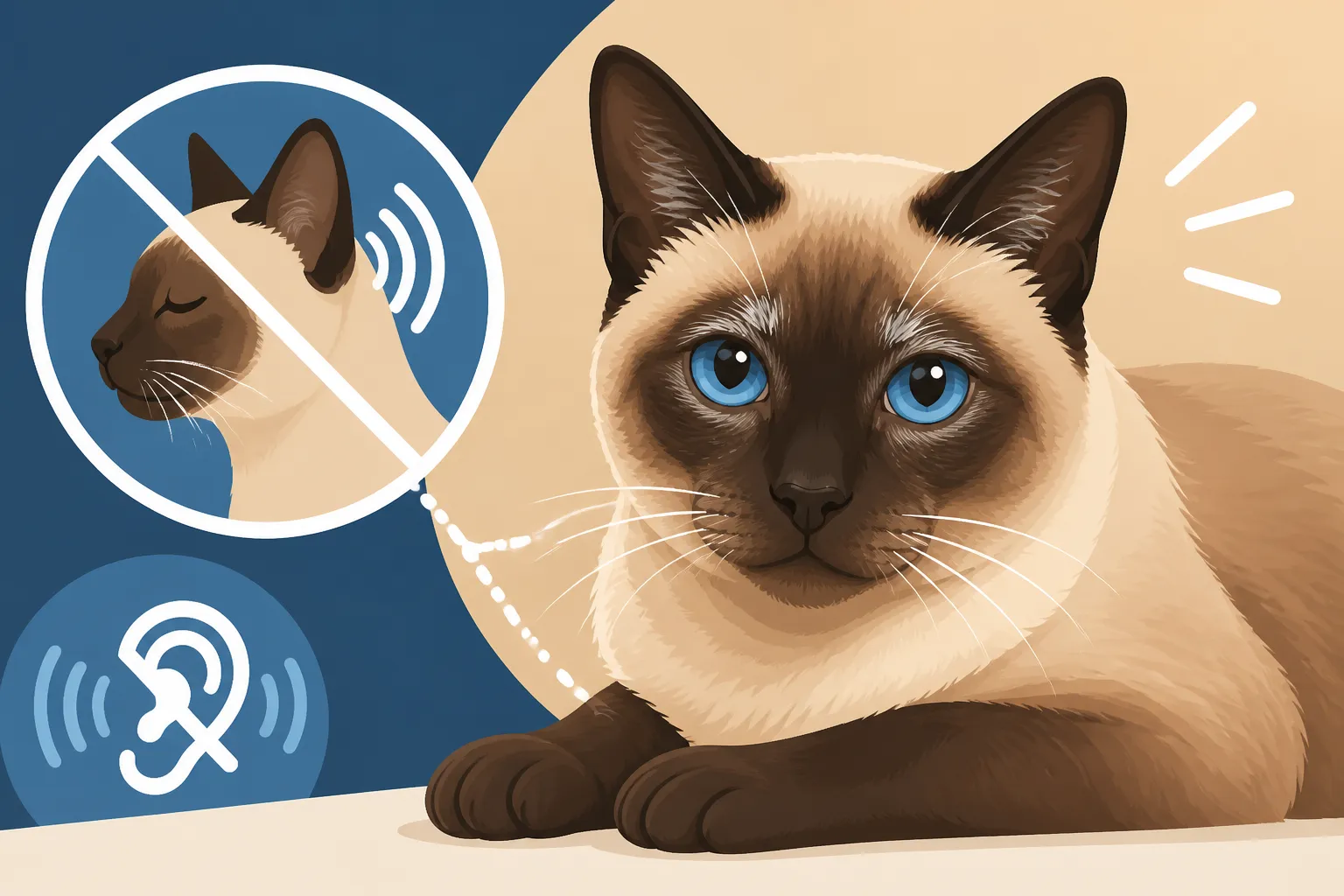
Just like us, cats experience changes as they get older, and their senses are often among the first things to show wear and tear. Deafness in an aging Siamese cat isn't usually a sudden event but a gradual process that can be easy to miss in its early stages. It's often referred to as presbycusis, which is simply age-related hearing loss.
The Natural Progression of Feline Hearing Loss
Think about how humans gradually lose their hearing; it's rarely an overnight switch. For cats, especially the sensitive and intelligent Siamese, this process can be even more insidious. The tiny hair cells within their inner ear, responsible for converting sound vibrations into electrical signals that the brain interprets, naturally start to degrade over time. This isn't usually due to injury or infection, but simply the slow, inevitable march of aging.
It's a disheartening reality, but it's important to remember that it's a natural part of growing old for many felines. While some breeds are predisposed to congenital deafness from birth, for an aging Siamese, it's far more likely to be a consequence of many years of excellent hearing gradually fading. Knowing this can help you approach the situation with more empathy and less panic. The process is typically irreversible, so the focus shifts from treatment to support and adaptation.
When Does Hearing Loss Typically Begin?
While every cat is an individual, many Siamese cats start to show subtle signs of hearing decline around the age of ten or twelve, which is often when we consider them to be entering their senior years. You might notice it first with high-pitched sounds, which tend to be the first frequencies to go. That crinkly toy that used to send them running might no longer get a reaction, or the specific tone of your voice you use for commands might suddenly be ignored.
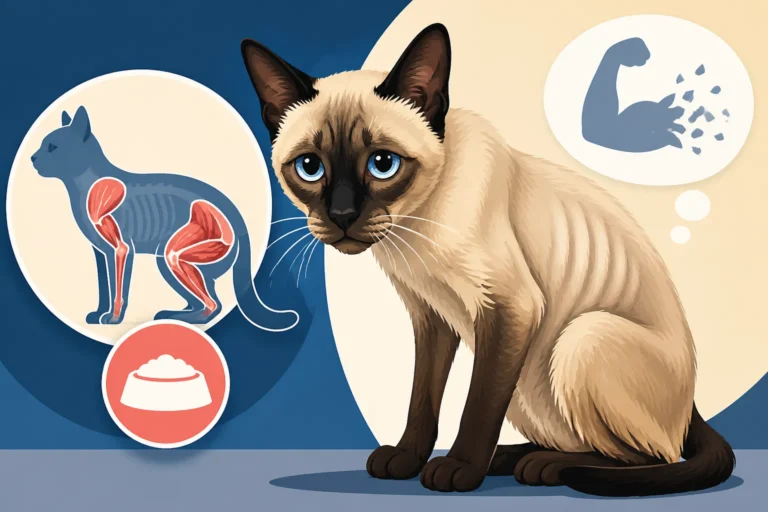
It’s not uncommon for owners to first chalk these changes up to selective hearing or a cat's inherent aloofness, especially with a breed as notoriously opinionated as the Siamese! But pay close attention around the time your cat is considered senior. Just as an aging Siamese cat’s coat might change or they might start to lose a little muscle, their hearing can quietly diminish. Early awareness can help you make adjustments sooner rather than later, preventing potential frustration for both you and your cat.
Recognizing the Subtle Signs of Hearing Loss
One of the biggest challenges in dealing with deafness in an aging Siamese cat is actually realizing it's happening. Cats are masters of adaptation and often hide discomfort or sensory deficits incredibly well. You might find yourself questioning whether your cat is truly deaf or just being a typical, stubborn Siamese.
Behavioral Changes to Watch For
The signs of hearing loss in an aging Siamese cat are often subtle at first, manifesting as slight shifts in their behavior. One of the most common indicators is a lack of response to sounds that previously would have garnered an immediate reaction. This could be their name being called, the jingle of keys, the vacuum cleaner, or even the sound of the doorbell. They might sleep more soundly, not stirring when you enter the room or when a loud noise occurs nearby. You might find yourself having to physically touch them to get their attention, rather than just speaking to them.
Another telling sign is increased vocalization, which might seem counterintuitive. If your Siamese cat's "meezer yowl" suddenly seems louder or more frequent, it could be that they can no longer hear themselves as clearly, so they compensate by increasing their volume. This is often noticed more at night, when the house is quiet and their internal clock might prompt them to vocalize. They might also appear startled more easily, especially if you approach them from behind or touch them unexpectedly, because they didn't hear you coming.
How to Confirm Suspected Deafness at Home
While a definitive diagnosis of deafness requires a visit to your veterinarian and potentially specialized audiology tests (like a Brainstem Auditory Evoked Response or BAER test), there are some things you can do at home to gauge your cat's hearing. Start with sounds that are high-pitched, like jingling keys or crinkling tin foil, as these are often the first frequencies to be lost. Observe your cat's ears—do they swivel towards the sound? Does their head orient in its direction?
Next, try louder, lower-pitched sounds, such as clapping your hands or tapping a wooden spoon on a pot, ensuring you do this when your cat is relaxed and not looking directly at you. You want to eliminate any visual cues. If there's no reaction, try it when they are sleeping. A truly deaf cat will not stir, even with a relatively loud noise. Keep a log of your observations over a few days or weeks. This information will be invaluable when you discuss your concerns with your vet. Remember, it's about looking for a consistent lack of response, rather than an isolated instance of ignoring you.
When to Consult Your Veterinarian
If you've noticed several of these behavioral changes or your at-home tests suggest a significant hearing loss, it's time for a veterinary visit. While there's no cure for age-related deafness, your vet can confirm the diagnosis and rule out other potential causes of hearing loss, such as ear infections, polyps, or certain medications, which can sometimes be treated. They can also provide guidance on how to best care for your aging feline companion.
During your visit, be prepared to share your observations in detail. Your vet might perform an otoscopic exam to look into the ear canal, checking for blockages or signs of infection. They'll also perform a general health check, as any sudden change in senses or behavior, including changes in voice, could also be a sign of underlying health issues. A thorough check-up is always a good idea for an older cat, and a good pet insurance plan, like one from Healthy Paws, can help manage the costs of diagnostic tests and ongoing care for your senior Siamese cat.
Living with a Deaf Siamese Cat
Discovering your beloved Siamese is going deaf can be unsettling, but it doesn't mean their quality of life needs to diminish. In fact, many deaf cats live incredibly fulfilling lives once their owners adapt to their new needs. It's all about ensuring their safety, enhancing their other senses, and learning new ways to communicate.
Adapting Your Home for Safety and Comfort
The most critical aspect of caring for a deaf Siamese cat is ensuring their safety, especially if they've always been an indoor-outdoor cat. A deaf cat cannot hear approaching dangers like cars, other animals, or even people. For this reason, many experts recommend that deaf cats become strictly indoor cats. If your cat truly enjoys supervised outdoor time, consider a secure catio or a harness and leash system, ensuring they can't wander off. Learn how to leash train a Siamese cat for safe outdoor adventures.
Within the home, try to maintain a consistent layout, as a familiar environment helps a cat compensate for a lost sense. Avoid startling them; always approach from the front or make sure they can see you coming. You might even consider gentle vibrations on the floor or a soft tap on a surface near them to alert them to your presence before you touch them. Ensure they have clear paths to their food, water, and litter boxes. For an older Siamese cat, easy access and multiple resources become even more important.
New Ways to Communicate with Your Siamese
Communication with a deaf Siamese cat might require a shift in your approach, but it can be incredibly rewarding. Instead of relying on verbal cues, you'll need to use visual signals and tactile commands.
Visual Cues and Hand Signals
Cats are very intelligent creatures, and Siamese cats are known for how clever they are. They can absolutely learn hand signals. Start with simple commands like "come," "sit," or "stay." Pair the hand signal with a treat or a positive interaction immediately after your cat performs the desired action. Consistency is key. For instance, holding out your hand flat for "stay" or patting your leg for "come." You can even use a small, lightweight flashlight to get their attention from a distance by flashing it gently on a nearby wall or the floor, never directly in their eyes. Many owners find clicker training a Siamese cat can be adapted using a visual marker instead of a sound.
Touch and Vibration Cues
Touch becomes an even more important way to communicate. A gentle tap on the shoulder might mean "time to eat," while a stroke down their back could mean "good job." Vibrations can also be useful. If your cat is sleeping soundly and you need to wake them, rather than a sudden touch, try tapping your foot on the floor nearby to create a subtle vibration that they might feel. This can prevent startling them, which can be upsetting for a deaf cat. Always ensure your touches are gentle and deliberate, letting them know your intentions.
Supporting Your Senior Siamese Cat
Caring for an aging Siamese cat with hearing loss goes beyond just adapting to their deafness; it involves a holistic approach to their overall well-being. This means paying close attention to their mental stimulation, regular veterinary care, and ensuring their environment supports their comfort.
Enrichment for a Sensory-Deprived Cat
While your deaf Siamese cat can no longer hear the rustle of a feather wand or the chirping of a toy mouse, their other senses can still provide plenty of enjoyment. Focus on toys that engage their sight and touch. Laser pointers, although they should be used in moderation to avoid frustration, can still capture their attention. Toys with varied textures, or those that dispense treats, are excellent for engaging their sense of smell and touch. Puzzle feeders are a fantastic way to keep their minds sharp and prevent boredom.
Interactive play sessions are still incredibly important, even if they can't hear your encouraging words. Use long wand toys that you can wiggle and move in their line of sight. Maintain a consistent play schedule; this predictability helps deaf cats feel secure. Remember, a Siamese cat should not live alone if you are away for long stretches, as companionship helps immensely with mental well-being, especially for a cat with sensory loss. Even if you don't get a second cat, ensuring you spend quality, focused time with them daily is paramount.
Regular Veterinary Check-ups and Monitoring
Even with excellent at-home care, regular veterinary check-ups become even more crucial as your Siamese cat ages and develops conditions like deafness. These visits allow your vet to monitor their overall health, check for other age-related conditions, and ensure that their deafness isn't a symptom of a treatable underlying issue. Don't forget that even deaf cats need routine vaccinations and preventative care.
Discuss any changes in behavior or physical condition with your vet. For instance, if your aging Siamese cat gets stiff, this might affect how easily they can navigate their environment. Your vet can advise on managing pain or other geriatric issues. Planning for the costs of these visits, which can sometimes be extensive for an older cat, is also wise. Veterinary insurance, such as a plan from Healthy Paws, can be incredibly beneficial in covering unexpected medical expenses or managing chronic conditions as your cat gets older, giving you peace of mind.
Maintaining Routine and Reducing Stress
Cats, especially Siamese cats, thrive on routine. For a deaf cat, this predictability is even more important as it helps them navigate their world without the auditory cues they once relied on. Try to feed them at the same times, play at similar times, and maintain a consistent daily schedule. This consistency helps them anticipate events and reduces anxiety.
Reducing stress is vital for any aging cat, but particularly for one with a sensory deficit. Avoid sudden changes in their environment or routine if possible. If you must rearrange furniture or introduce new people or pets, do so gradually and observe your cat for signs of stress. Provide plenty of safe, quiet spaces where they can retreat and feel secure. Consider investing in a heated bed, as many older Siamese cats feel the cold more easily. Remember, their comfort and sense of security are paramount to their well-being.
Disclaimer
This article is for general informational purposes only and does not constitute professional advice. Laws, prices and regulations vary by location and change over time. Consult a qualified professional for guidance on your specific situation.