Why a Siamese Cat With Lymphoma Struggles to Breathe
There's nothing quite as terrifying for a Siamese cat owner as watching your beloved companion struggle to breathe. That frantic, shallow panting, the open mouth, the visible effort with every single breath – it’s a deeply distressing sight that signals a severe medical emergency. This comprehensive guide is here to shed light on precisely why a Siamese cat diagnosed with lymphoma, particularly the mediastinal form, might experience such alarming respiratory distress, giving you a clearer understanding of what’s happening and what can be done.
The Anatomy of a Breathing Problem in Siamese Cats with Lymphoma
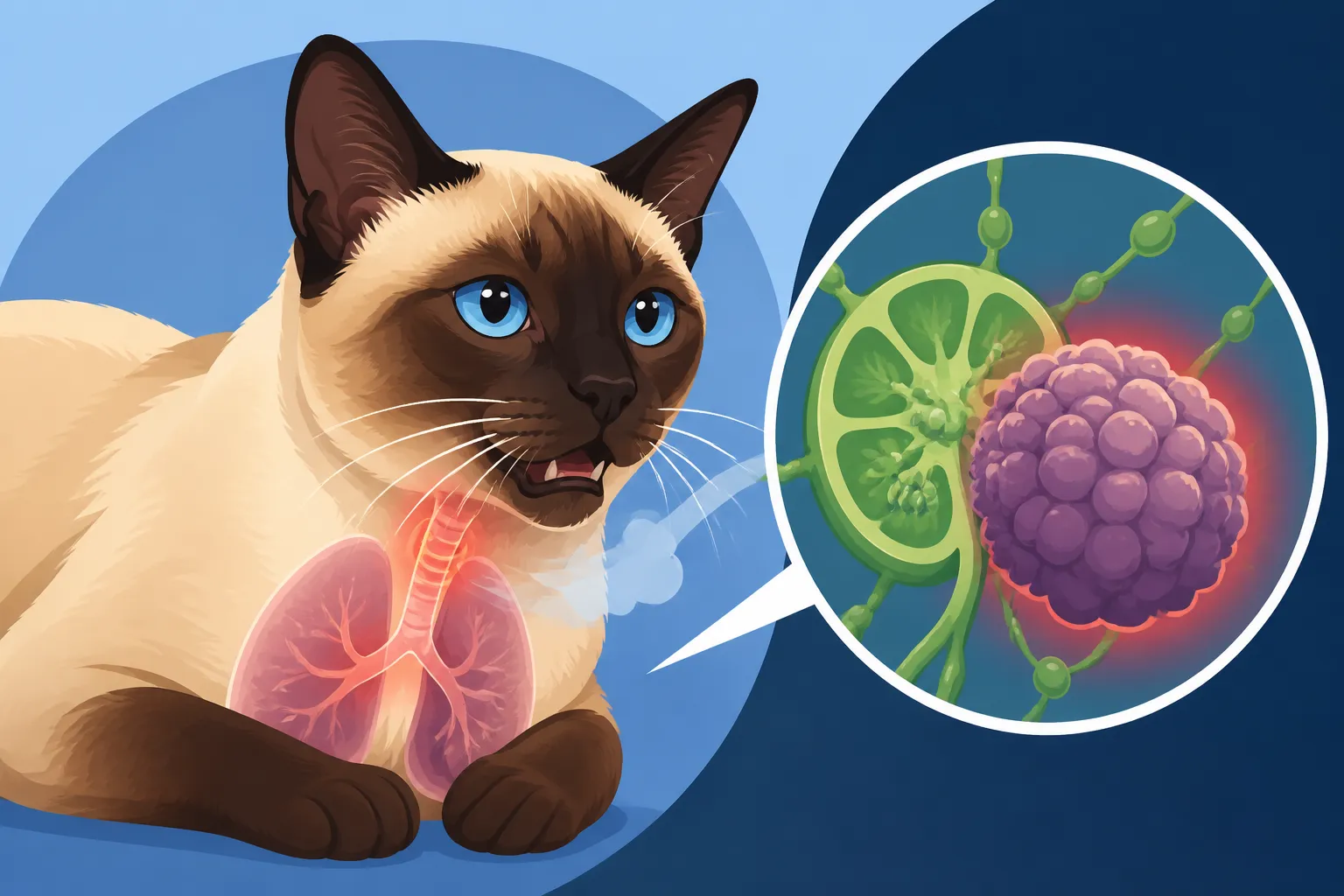
When we talk about lymphoma in Siamese cats, we're not just talking about a single type of cancer. Lymphoma can manifest in various parts of a cat's body, but when it affects the chest cavity, it often presents as what's known as mediastinal lymphoma. The mediastinum is essentially the central compartment of the thoracic cavity, nestled between the two pleural sacs (which contain the lungs). This relatively small, confined space houses the heart, major blood vessels, the trachea (windpipe), esophagus, thymus gland, and various lymph nodes. It’s a pretty busy neighborhood, and everything is packed in there quite tightly.
Imagine a critical infrastructure hub where every component is perfectly arranged to function. Now imagine an uninvited guest starts growing within that hub, taking up space and pushing against everything else. This is essentially what happens when a Siamese cat develops mediastinal lymphoma. The cancerous cells accumulate and form a mass, usually originating from the thymus gland or the lymph nodes within the mediastinum. Because the chest cavity is rigid, there's very little room for expansion. Any growth, especially a rapidly growing tumor, will inevitably start to impinge on the vital structures around it. This is why it can be so devastating for your Siamese, a breed already known for its delicate constitution.
The direct pressure exerted by this growing mass is the primary culprit behind the breathing difficulties. The lungs, which need to inflate fully to draw in oxygen, find themselves restricted. The trachea, a flexible but essential tube for air passage, can become compressed, narrowing the airway. Even the heart and major blood vessels can be affected, leading to secondary issues that further complicate respiration. Understanding this anatomical context is crucial to grasping the severity of the situation when your Siamese is diagnosed with mediastinal lymphoma. It's not just a vague illness; it's a physical obstruction impacting the very act of living.
Why Mediastinal Lymphoma Causes Breathing Difficulties
The reasons a Siamese cat with mediastinal lymphoma struggles to breathe are multi-faceted, stemming from the tumor's physical presence and its downstream effects on the respiratory and circulatory systems. It’s a complex interplay of pressure, fluid, and inflammation that makes each breath a battle. Owners often describe a desperate, gasping effort, and it’s heart-wrenching to witness. This isn't just a cough; it's a sign that their airways are severely compromised.
One of the most common and immediate causes of severe respiratory distress is something called pleural effusion. This is when fluid accumulates in the pleural space, the area between the lungs and the chest wall. The tumor itself can leak fluid, or it can obstruct lymphatic drainage and blood vessels, leading to a buildup of fluid. Think of your lungs trying to expand inside a balloon that's already filled with water; it's incredibly difficult. The fluid compresses the lungs, preventing them from fully inflating, which dramatically reduces the amount of oxygen your cat can take in. This is a very common finding in cats presenting with Mediastinal Lymphoma Signs in a Siamese Cat and requires immediate veterinary intervention to drain the fluid and provide relief.
Beyond fluid accumulation, the tumor itself directly presses on the windpipe, leading to tracheal compression. The trachea is the main highway for air to reach the lungs, and if it's squeezed, the diameter of the airway shrinks. This makes it incredibly hard for air to pass through, causing that characteristic labored breathing, wheezing, or even a stridor (a harsh, high-pitched respiratory sound). It's like trying to breathe through a very narrow straw – exhausting and inefficient. This mechanical obstruction significantly increases the effort required to breathe, leading to rapid fatigue and heightened distress.
Furthermore, a large mediastinal mass can impair the function of the diaphragm. The diaphragm is the primary muscle responsible for breathing, contracting to pull air into the lungs and relaxing to push it out. If a tumor is large enough, it can physically restrict the diaphragm's movement or even invade it, making it less effective at its job. When the diaphragm can't move properly, your cat might resort to "abdominal breathing," where you see their belly heaving with each breath as they try to use accessory muscles to compensate. This is a clear sign of significant respiratory compromise and extreme effort. Given that The Age Mediastinal Lymphoma Hits a Siamese Cat can be quite young, these cats often don't have the reserves of older cats to fight off this kind of distress.
Recognizing Respiratory Distress in Your Siamese
As a Siamese cat owner, you know these cats are expressive and often very vocal. But when it comes to respiratory distress, their signals can be subtle at first before escalating to undeniable emergencies. Early recognition is absolutely paramount because these situations can deteriorate rapidly. It's often heartbreakingly quick, and you feel powerless. Knowing what to look for can make all the difference in getting your beloved cat the urgent help they need.
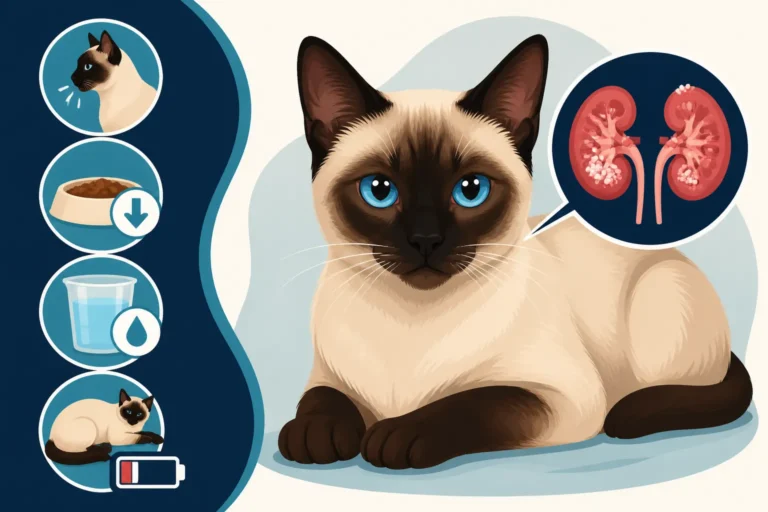
Initially, you might notice your Siamese becoming more lethargic, less interested in play, or generally quieter than usual. They might start hiding more, which is a common feline coping mechanism for illness. However, as the breathing difficulties worsen, the signs become more apparent and alarming. Open-mouthed breathing is almost always an emergency in cats. Unlike dogs, cats rarely pant unless they are severely stressed, overheated, or in extreme respiratory distress. If your Siamese is breathing with an open mouth, it means they are desperate for air. You might also observe their chest and abdomen heaving visibly with each breath (abdominal breathing), indicating they are using extra muscles to try and draw in air. Their breathing might be rapid and shallow, or conversely, slow and extremely labored.
Another tell-tale sign is a change in the color of their gums or tongue. If they appear bluish or purplish (cyanotic), it's a critical emergency indicating a severe lack of oxygen. They might also extend their neck and head forward in an attempt to open their airway more effectively, or sit with their elbows splayed out from their body. A persistent cough or gagging, while potentially mistaken for a hairball, can also be a symptom of a mass in the chest pressing on the trachea or irritating the airways. Anytime you see Signs a Siamese Cat Is Unwell, especially concerning breathing, it’s critical to act fast.
Normal vs. Labored Breathing in Siamese Cats
To help you distinguish between normal breathing and true respiratory distress, here's a quick comparison. Remember, if you're ever in doubt, it's always safer to contact your veterinarian immediately.
| Feature | Normal Breathing (at rest) | Labored Breathing (Respiratory Distress) |
|---|---|---|
| Breathing Rate | 20-30 breaths per minute | Faster (tachypnea) or Slower (bradypnea) than normal, often irregular |
| Effort | Smooth, effortless chest movements | Visible abdominal effort, chest heaving, straining |
| Mouth Position | Closed | Open-mouthed breathing (especially prolonged) |
| Body Posture | Relaxed, comfortable | Head and neck extended, elbows splayed, crouching |
| Gum Color | Pink | Pale, bluish, or purplish (cyanotic) |
| Sounds | Quiet, unnoticeable | Wheezing, crackling, grunting, loud breathing |
| Behavior | Calm, resting, alert | Restless, anxious, hiding, lethargic, distressed |
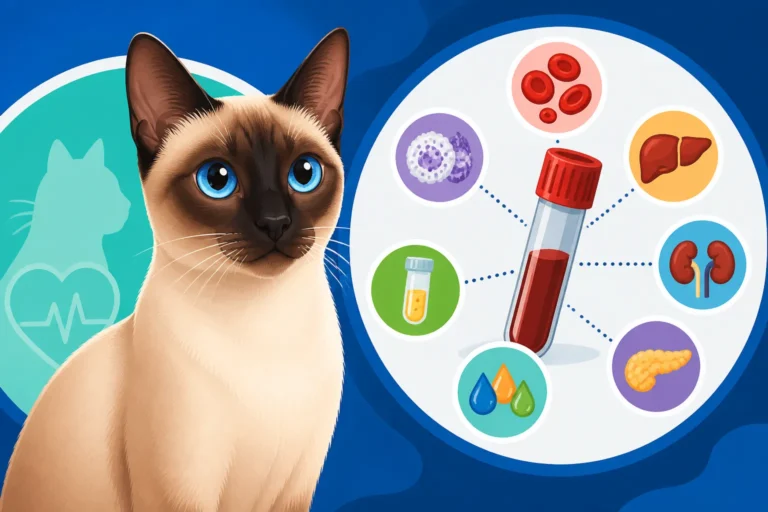
Upon arriving at the vet, they will quickly assess your Siamese and likely recommend diagnostic tests such as chest X-rays. These images can reveal the presence of a mass, pleural effusion, or other abnormalities in the chest cavity. An ultrasound might also be performed to further characterize the mass and evaluate for fluid. These quick diagnostics are vital to confirm the diagnosis and determine the best course of action. Facing such an emergency can be financially stressful, but pet insurance, like policies from Healthy Paws, often provides crucial support for these urgent diagnostic procedures and treatments, helping you focus on your cat's care rather than the bill.
Immediate and Long-Term Support for Breathing Issues
When your Siamese cat is struggling to breathe due to lymphoma, the first priority is always to stabilize their breathing and alleviate their distress. This means getting them to a veterinary emergency clinic as quickly and safely as possible. Once there, the medical team will focus on immediate interventions to help your cat breathe more comfortably before delving into long-term treatment strategies for the lymphoma itself.
Emergency interventions often begin with oxygen therapy. Your cat might be placed in an oxygen cage or given oxygen via a mask to increase the oxygen concentration they inhale, helping to compensate for reduced lung function. This can provide immediate relief and reduce the stress on their cardiovascular system. If pleural effusion (fluid in the chest) is present and severe, the veterinarian may perform a thoracentesis. This procedure involves carefully inserting a needle into the chest cavity to drain the accumulated fluid. The relief from this can be dramatic and almost instantaneous, allowing the lungs to expand more fully. This is not a cure, but it's a critical step in providing comfort and buying time.
Once the immediate crisis is managed, the focus shifts to addressing the underlying lymphoma. Treatment for Mediastinal Lymphoma in a Young Siamese Cat typically involves chemotherapy, and sometimes radiation therapy, depending on the specific type and stage of the cancer. Corticosteroids like prednisone are often used, both for their anti-inflammatory properties to reduce swelling around the tumor and their direct anti-cancer effects on lymphoma cells. These medications can help shrink the tumor and reduce associated fluid buildup, thereby improving breathing. The specific chemotherapy protocol will depend on the diagnosis and the cat's overall health, and your vet will discuss the options and potential side effects with you. You can learn more about How Siamese Cat Lymphoma Is Treated in our dedicated guide.
Caring for a Siamese cat with lymphoma and respiratory issues is a journey that requires significant dedication and often considerable financial resources. Beyond the initial emergency care, there are ongoing costs for chemotherapy, medications, follow-up diagnostics, and supportive care. This is where a robust pet insurance plan can truly be a lifesaver. Providers like Healthy Paws are invaluable, as they can cover a significant portion of these expenses, allowing you to make treatment decisions based on what’s best for your cat, rather than solely on your budget. They can often reimburse a substantial percentage of vet bills for eligible conditions, including cancer treatments and emergency procedures. Many owners find that having insurance alleviates immense stress, especially when faced with conditions like lymphoma where intensive and prolonged care is often necessary. Understanding How Long a Siamese Cat Lives After Chemotherapy can also help you prepare for the commitment required.
Throughout this process, quality of life for your Siamese is paramount. Your veterinary team will work with you to monitor their comfort levels, breathing, appetite, and energy. There will be good days and bad days, and making difficult decisions about continuing treatment versus palliative care is an unfortunate reality for many owners. However, with prompt and appropriate care, many Siamese cats can have improved quality of life and some remission periods, allowing for more precious time with their beloved companions. Remember, your vet is your best partner in navigating this challenging time, and having the financial backing from a good insurance provider like Healthy Paws can empower you to provide the best possible care.
Disclaimer
This article is intended for informational purposes only and does not constitute medical advice. Always consult with a qualified veterinary professional for any health concerns or before making any decisions related to your pet's health and treatment. The information provided here should not be used as a substitute for professional veterinary care.