How a Siamese Cat Copes With Boarding
For many Siamese cat parents, the idea of leaving their beloved, chatty companion behind for a trip can be truly anxiety-inducing. These highly social and intelligent felines thrive on routine and connection, making unfamiliar environments like boarding facilities a significant source of stress. This comprehensive guide will walk you through understanding your Siamese cat's unique needs, preparing them for a stay away from home, choosing the right boarding environment, and ensuring a smooth transition back to their familiar comforts.
Understanding the Siamese Cat's Nature and Boarding Stress
Siamese cats are not your average aloof felines. They are renowned for their dog-like personalities, forming deep bonds with their human families and often demanding constant interaction. This intense attachment is what makes boarding such a particular challenge for them, far more so than for a more independent breed.
Why Siamese Cats Dislike Change
Siamese cats are creatures of habit. They thrive on predictable routines, from meal times and playtime to their favorite nap spots. When this routine is abruptly disrupted, especially by a complete change of environment, it can trigger significant anxiety. Imagine their world suddenly shifting – new smells, new sounds, new sights, and most importantly, the absence of their primary caregivers. Their keen intelligence means they understand that something is different, and their highly emotional nature makes them feel it deeply. It’s not just a minor inconvenience for them; it’s a profound shift that can feel unsettling and even frightening. This sensitivity to change is why a carefully planned approach to boarding is absolutely essential for a Siamese.
Signs of Stress in a Boarded Siamese Cat
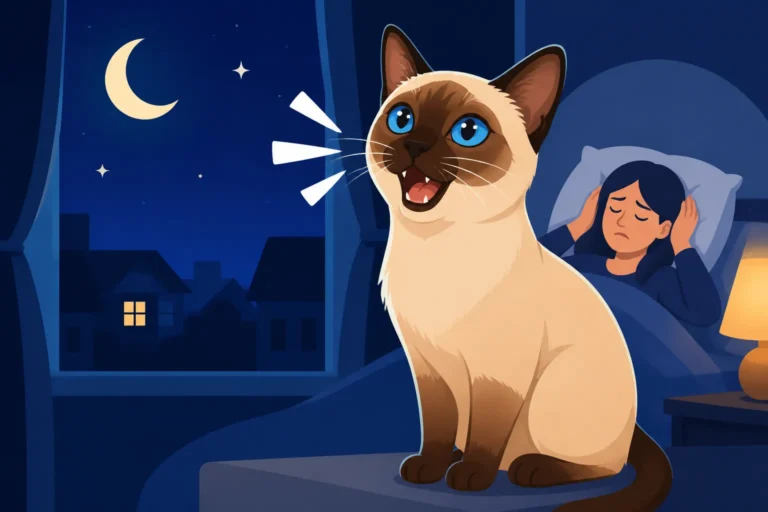
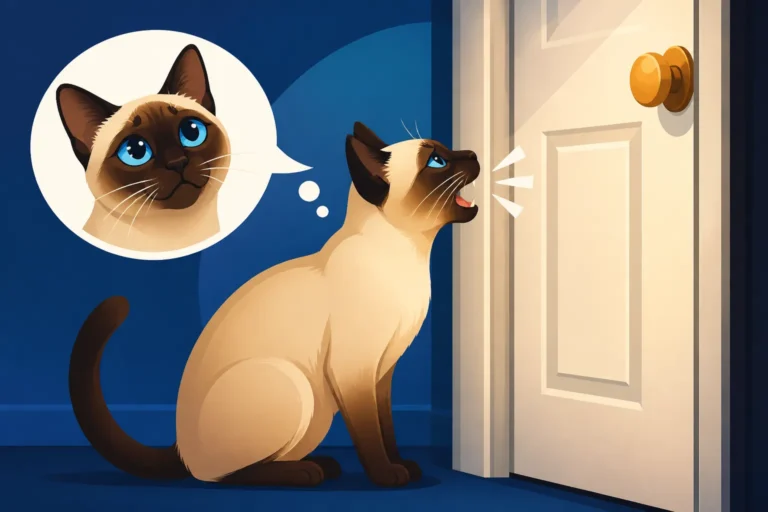
When a Siamese cat is stressed in a boarding environment, they might exhibit a range of behaviors that are quite heartbreaking to witness. One of the most common is excessive vocalization, their signature "Meezer yowl" turning into a mournful cry that signals distress. You might hear stories of them being unusually quiet and withdrawn, hiding in the back of their kennel, or refusing to eat. Appetite loss is a major red flag, as is refusing to use the litter box, choosing instead to eliminate outside it as a protest or due to extreme anxiety. Some might even engage in overgrooming, licking patches of fur until they're raw, a classic stress response. Others might become unusually clingy or even aggressive when a new person tries to interact with them. If you've ever wondered What Separation Anxiety Looks Like in a Siamese Cat, many of these signs directly apply to their reactions to being boarded. It's crucial for boarding facility staff to recognize these signals and adjust their care accordingly.
Preparing Your Siamese Cat for Boarding
Preparation is key to mitigating stress when boarding a Siamese cat. The more you can do to make the transition as seamless as possible, the better your cat will cope.
Pre-Boarding Health Check and Vaccinations
Before your Siamese cat steps paw into a boarding facility, a visit to the vet is non-negotiable. Most reputable catteries will require proof of up-to-date vaccinations, including rabies and feline distemper (FVRCP), and often Bordetella (kennel cough) as well. This isn't just a formality; it protects your cat from potential exposure to illnesses from other boarders. It's also an opportunity for a general health check-up, ensuring your Siamese is in prime condition to handle any minor stressors. Discuss any existing health conditions, medications, or specific dietary needs with your vet, and make sure to relay all this information to the boarding facility. If your cat has a history of respiratory issues, for example, your vet might recommend additional precautions. How a Siamese Cat Behaves at the Vet might give you some insight into making this visit less stressful for your vocal friend.
Packing Comfort Items and Familiar Scents
This is where you can truly make a difference for your sensitive Siamese. Their keen sense of smell is a powerful link to home, so packing items that carry your scent and are familiar to them can provide immense comfort.
Here’s a checklist of essential items to pack for your Siamese cat's boarding stay:
| Category | Item | Importance | Notes |
|---|---|---|---|
| Comfort | Favorite Blanket/Bed | Smells like home, offers a familiar resting spot. | Don't send their absolute newest blanket; one they've used and scented heavily is best. |
| Worn T-shirt/Pillowcase | Carries your personal scent, providing reassurance. | A recently worn item is ideal, as your scent will be strongest. | |
| Food & Water | Their Usual Food | Prevents stomach upset from sudden diet changes. | Pack enough for the entire stay, plus a little extra. Clearly label. |
| Favorite Treats | Can be used for positive reinforcement and comfort. | Helps staff bond with your cat and makes the environment more appealing. | |
| Play & Mental Stim | Preferred Toys | Encourages normal behavior and reduces boredom. | Interactive toys, crinkle balls, or a plush toy they bat around. You can find a great selection on Amazon. |
| Litter | Small bag of Current Litter | Familiar scent can encourage proper litter box use. | Helps them identify the litter box in a new environment. |
| Health | Medications & Clear Instructions | Ensures consistent health management. | Clearly label dosages, times, and methods of administration. |
| Vet Contact Info & Health Records | Essential for emergencies and proof of vaccinations. | Provide a copy for the facility to keep on file. | |
| Other | Photo of Your Cat | Helps staff recognize your cat and personalize their care. | Good for facilities with many similar-looking cats. |
| Your Contact Information | Crucial for updates or emergencies. | Include multiple emergency contacts if you'll be unreachable. |
A well-loved blanket or their favorite bed, steeped in the smells of your home and their own scent, can be a grounding presence in an otherwise alien environment. Don't forget a piece of your own worn clothing, like an old t-shirt or a pillowcase, which carries your unique scent – it's like a little piece of you staying with them. Bring their regular food and treats to avoid any stomach upset from sudden dietary changes. Their favorite toys, perhaps a wand toy or a soft mouse from Amazon, can provide a much-needed distraction and sense of normalcy. Even a small bag of their usual litter can help them feel more comfortable using the litter box in an unfamiliar setting.
Choosing the Right Boarding Facility
Selecting the right place for your Siamese is perhaps the most critical step. A substandard facility can exacerbate their stress, while a well-chosen one can make all the difference.
What to Look For in a Cat-Specific Boarding Cattery
When it comes to Siamese cats, a dedicated cat-only boarding facility or a separate, quiet section of a larger boarding kennel is always preferable. The cacophony and smells of dogs can be incredibly distressing for sensitive felines. Look for a cattery that prioritizes individual, spacious enclosures, not just small cages. Your Siamese will appreciate vertical space – shelves, perches, and multi-level units where they can climb and observe their surroundings from a safe vantage point. Natural light and good ventilation are also important for their well-being.
The environment should feel clean, calm, and secure. Pay attention to the sound levels and the overall atmosphere. Are the cats seemingly relaxed, or do they appear stressed and agitated? A facility that emphasizes one-on-one interaction, playtime, and mental stimulation will be far more beneficial for a Siamese cat who craves attention. Ask about their cleaning protocols, their daily routine for the cats, and how they handle shy or anxious boarders. Many modern catteries incorporate pheromone diffusers, like Feliway, throughout their cat rooms, which can help create a calming atmosphere, something definitely worth inquiring about.
Questions to Ask and Red Flags to Watch Out For
Before committing, don't be shy about asking a multitude of questions and doing a thorough tour of the facility. Here are some key inquiries:
- Staff-to-Cat Ratio: A low ratio means more individual attention for each cat, which your Siamese will undoubtedly appreciate.
- Daily Routine: How often are the cats fed? How much individual playtime or interaction do they get? When are the enclosures cleaned?
- Emergency Protocols: What happens if a cat becomes ill or injured? Do they have a vet on call or a partnership with a local clinic? What a Siamese Cat's Emergency Liver Bleed Costs or What a Siamese Cat's Blockage Surgery Costs are examples of medical emergencies that could arise, so knowing their protocol is vital.
- Updates to Owners: How frequently do they provide updates (photos, videos, texts)? This can offer immense peace of mind.
- Dietary Needs: Can they accommodate specific diets or administer medication reliably?
- Socialization: Do they ever let cats from different households interact? (For Siamese, this is generally a bad idea and a red flag.)
Red flags include strong, unpleasant odors, dirty litter boxes, staff who seem rushed or disengaged, or a reluctance to let you tour the facility thoroughly. If the cat enclosures are small, dark, or lack vertical elements, that's another sign it might not be the best fit for your active and curious Siamese. Trust your gut feeling – if something feels off, it probably is.
Settling In and Post-Boarding Care
Even with the best preparation and the perfect facility, your Siamese cat will still experience a transition period both when they arrive at boarding and when they return home.
Making the Transition Easier at the Facility
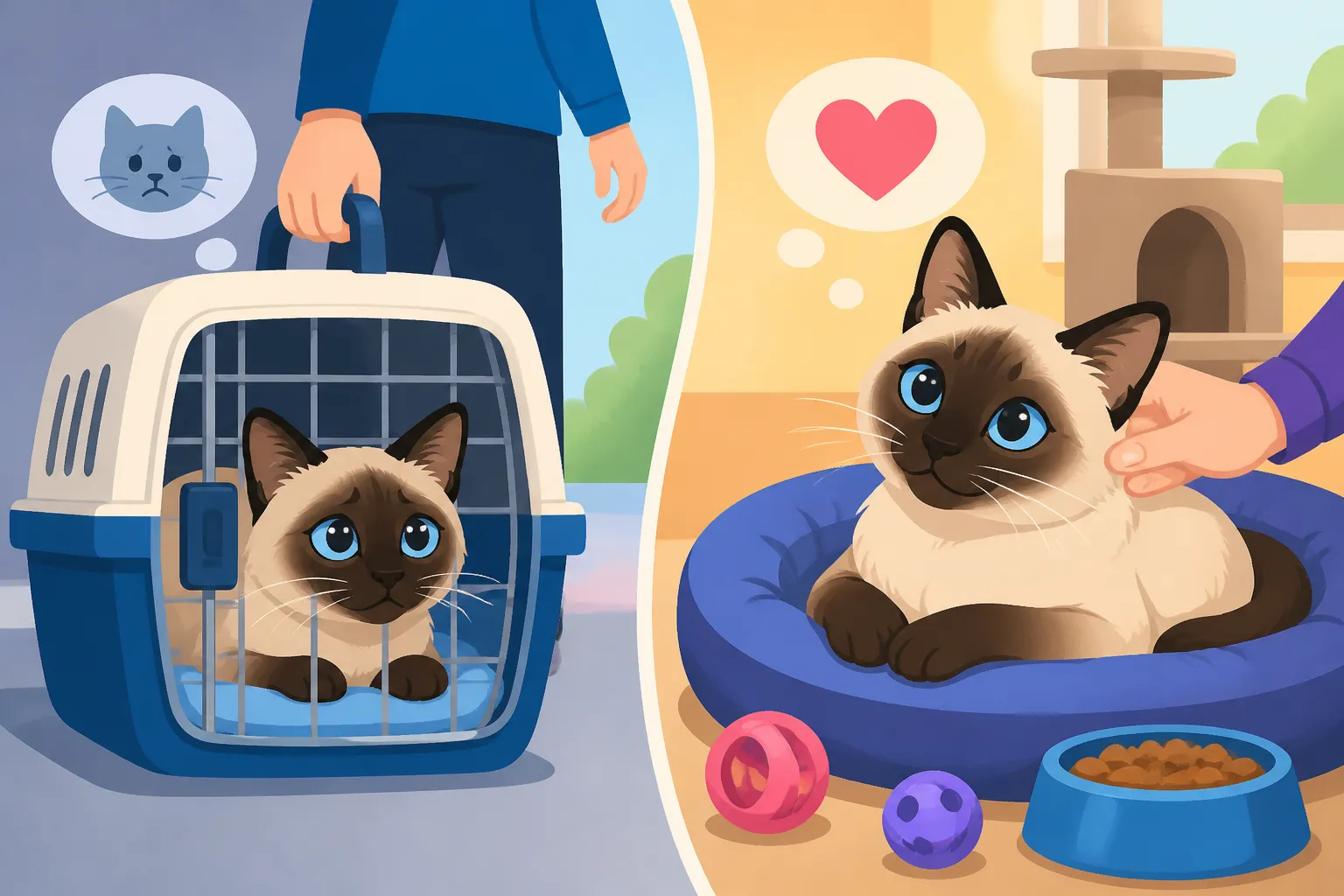
A good boarding facility will understand the sensitive nature of Siamese cats and do their best to ease the transition. They should ideally place your cat's familiar blanket or bed in a prominent spot in their enclosure before your cat even arrives. When you drop off your Siamese, try to keep the farewell brief and calm. Your cat picks up on your emotions, so a prolonged, tearful goodbye can actually increase their anxiety. Trust the staff and their experience.
A reputable facility will give your Siamese space to decompress. Some cats might immediately explore, while others will hide for hours, or even a day or two. The staff should respect this and approach interaction gently, perhaps by offering treats or a favorite toy from Amazon through the bars before attempting direct handling. Consistent feeding times and quiet, gentle interaction from caregivers can help establish a new, albeit temporary, routine. Encouraging play, even with a wand toy they've never seen before, can help distract them from their anxieties and engage their minds.
Helping Your Siamese Re-Adjust at Home
The moment you pick up your Siamese, you'll likely be met with an explosion of their characteristic vocalizations and demanding affection. While it's tempting to smother them with love immediately, it's often best to give them a calm reintroduction to their territory. Bring them home and place them in a quiet, familiar room with their litter box, food, and water. Allow them to re-explore their space at their own pace. Don't be surprised if they spend a lot of time rubbing against furniture, rolling on the carpet, and generally "re-scenting" their territory. This is a crucial step in re-establishing their sense of security.
For the first few days, maintain their usual routine as closely as possible. Offer their regular food, provide plenty of fresh water (perhaps from a water fountain, if they use one), and dedicate extra time for play and cuddles. Watch for any lingering signs of stress, such as changes in appetite, litter box habits, or excessive vocalization. Some cats might be extra clingy, while others might seem a bit withdrawn. Patience is key. Remember that a Siamese cat often has a very clear opinion on things, and sometimes, the silent treatment or an abundance of extra "meeows" is just their way of telling you they missed you. In most cases, with a little extra love and routine, your Siamese will be back to their normal, charmingly demanding self within a few days. You might even want to spoil them with a new interactive toy or a comfy cat tree as a welcome home present. What a Siamese Cat Costs Over Twenty Years might hint at all the other little expenses that come with keeping these delightful but high-maintenance companions happy.
Disclaimer
This article is for general informational purposes only and does not constitute professional advice. Laws, prices and regulations vary by location and change over time. Consult a qualified professional for guidance on your specific situation.