How Long a Siamese Cat Can Be Left Alone
One of the most heart-wrenching concerns for any Siamese cat owner is the thought of leaving their beloved, highly social companion alone. These cats are legendary for their demand for interaction, and the idea of them feeling lonely or bored while you’re away can be truly agonizing. This guide aims to demystify how long a Siamese cat can realistically be left by themselves, exploring their unique needs and offering practical strategies to ensure their well-being.
Understanding the Siamese Cat's Social Needs
Let's be honest, living with a Siamese isn't like living with just any cat. They're often described as having dog-like personalities, and it's not an exaggeration. Their need for companionship is woven into their very being, making the question of how long they can be left alone far more complex than with a more independent feline friend.
The Siamese as a Companion Animal
From the moment you bring a Siamese into your home, you'll notice their intensity. They don't just tolerate your presence; they actively seek it out. They become your shadow, following you from room to room, supervising your activities, and often demanding to be involved. This isn't just a cute quirk; it's a fundamental aspect of their temperament. They thrive on interaction and form incredibly strong bonds with their human companions. When you're home, they want to be with you, whether it's curled on your lap, perched on your shoulder, or "helping" you at your desk. This deep connection means that when their favorite human suddenly disappears, it can be a significant emotional shift for them. It’s not just a matter of having food and water; it’s about the absence of their primary social interaction.
Consider a typical evening: you sit down to read, and almost instantly, your Siamese is there. They might knead your chest, rub their head against your hand, or simply sit staring into your eyes, purring like a tiny motor. This isn't just a brief moment of affection; it's a sustained bid for connection. If they're denied this, they don't just shrug it off. They will continue to seek you out, often with increasing insistence. This constant desire for engagement is what makes leaving them alone a genuine challenge. They aren't content to simply observe; they want to participate in your life, and they miss that participation acutely when you're not there.
Vocalizations as a Sign of Engagement and Distress
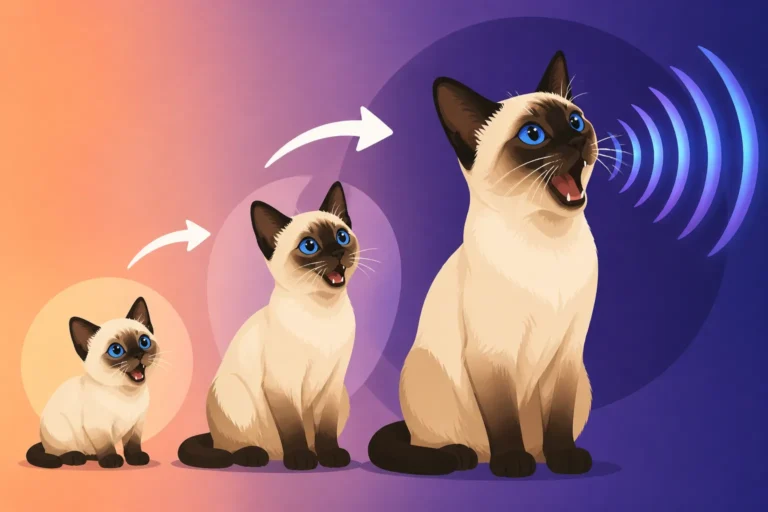
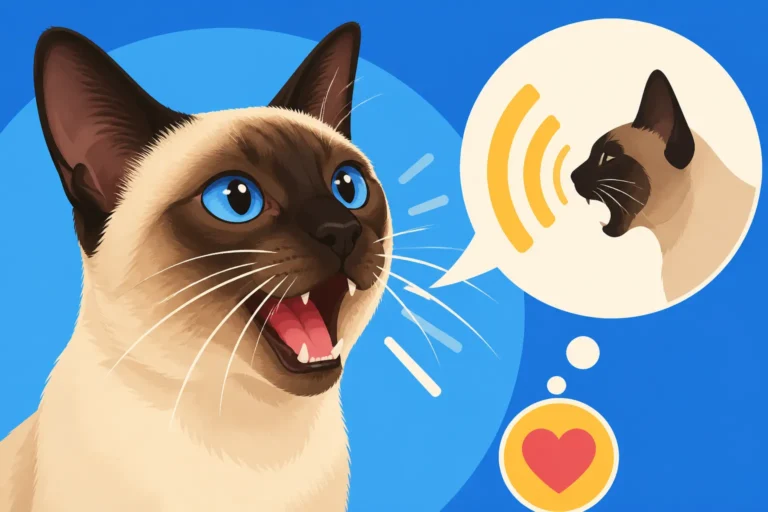
Ah, the Siamese voice! It's famous, or infamous, depending on your perspective. These cats are not subtle. They have a vast vocabulary of sounds, from soft chirps and trills to the full-bodied, unmistakable "Meezer yowl" that can pierce through walls. What the Siamese Cat's Meezer Yowl Sounds Like These vocalizations are their primary way of communicating, and they use them liberally to express everything from hunger and excitement to boredom and loneliness.
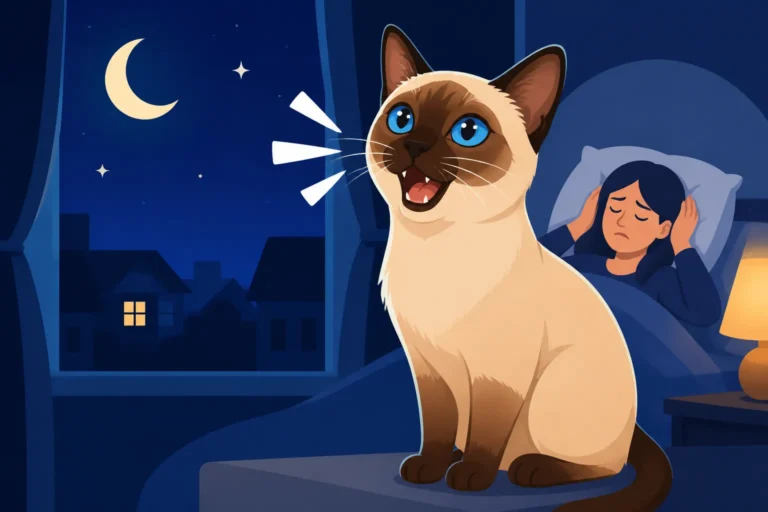
When you're home, their vocalizations are often interactive. They'll "talk" to you, answering your questions with a chirp or complaining loudly about an empty food bowl. It's part of their charm and how they engage with you. However, when they're left alone, these vocalizations can change dramatically. A Siamese who might be relatively quiet when you're bustling around the house might start sustained yowling or crying once you're gone. This isn't just them being noisy; it's a genuine expression of distress and a desperate attempt to get a response from you. It's their way of saying, "Where did you go? I need you!" Understanding this shift in their vocalizations is key to gauging their comfort level when you're not around. If your neighbors start mentioning constant crying, it’s a clear sign your Siamese is struggling with solitude.
Factors Influencing a Siamese Cat's Tolerance for Solitude
No two Siamese cats are exactly alike, and their ability to cope with being left alone varies significantly. It's not a one-size-fits-all answer, and several crucial factors come into play.
Age and Personality Play a Huge Role
Just like people, cats have distinct personalities that shape their responses to different situations. Some Siamese cats might be naturally more independent, perhaps content to nap in a sunbeam for hours, while others are incredibly clingy, needing constant reassurance. A rescue Siamese, for example, might carry past anxieties that make solitude even harder to bear, or conversely, might have learned a resilience that helps them cope.
Age is another huge factor. A tiny Siamese kitten, full of boundless energy and curiosity, needs far more constant supervision and interaction than an adult. They're still learning about the world and need that consistent presence for socialization and safety. Leaving a young kitten alone for extended periods can impact their development and create behavioral issues down the line. On the other end of the spectrum, senior Siamese cats might become more sensitive to changes in routine or less tolerant of being alone. As they age, their senses might dull, and they might become more dependent on their human for comfort and security. The Age a Siamese Cat Is Considered Senior A previously independent senior might suddenly develop separation anxiety, especially if they have underlying health conditions that make them feel vulnerable. Understanding your cat's specific age-related needs and unique personality is paramount.
Environmental Enrichment and Routine
Imagine being stuck in an empty room with nothing to do. You'd get bored quickly, right? The same goes for your highly intelligent Siamese. A barren environment with no stimulation is a recipe for boredom, anxiety, and potentially destructive behaviors. These cats need mental and physical engagement to thrive. This means having plenty of interactive toys, sturdy cat trees for climbing and perching, and access to windows where they can watch the world go by. Puzzle feeders, for instance, can turn mealtime into a stimulating game, keeping their minds occupied. You can find a great selection of these on Amazon.
Beyond physical objects, routine provides immense comfort and predictability for a Siamese cat. They are creatures of habit. Knowing when they'll be fed, when play sessions happen, and when you'll return creates a sense of security. Sudden, unpredictable changes to this routine can be incredibly unsettling. For instance, if you usually work from home and suddenly shift to going into an office five days a week, your Siamese will notice, and it can trigger anxiety. Establishing a consistent schedule, even when you're present, helps them understand the rhythm of their day and makes your absences less jarring. This predictability helps them internalize that your departure is just a temporary phase before your inevitable return. Enrichment for a Siamese Cat That Gets Bored in an Hour
Short Absences: A Few Hours to a Full Workday
The most common scenario for pet owners is leaving their cats alone for a few hours or a standard workday. For a Siamese, this still requires careful consideration and preparation.
Setting Up for a Successful Short Absence (1-4 hours)
Leaving your Siamese for just a few hours, say to run errands or attend a short appointment, is generally manageable, but it still requires some thoughtful preparation. First and foremost, ensure they have access to fresh water and a clean litter box. A dirty box can cause stress or lead to accidents. Offer a meal or a substantial treat right before you leave, which can help associate your departure with a positive experience and keep their tummy full, leading to a nap.
Crucially, provide plenty of mental and physical stimulation. Interactive toys that they can play with independently are excellent. Think about toys that dispense treats slowly, or crinkle balls they can bat around. Many fantastic options are available on Amazon that can keep them engaged. Some owners find that leaving a radio on low, tuned to a talk show or classical music, provides comforting background noise, making the house feel less empty. This can help mask outside noises that might otherwise startle them. Before you walk out the door, engage in a quick, high-energy play session. This tires them out and fulfills their need for interaction, increasing the likelihood they’ll nap while you’re gone.
Managing a Standard Workday (8-10 hours)
This is where it gets tricky for many Siamese owners. An 8-10 hour workday is a long stretch for a cat as social as a Siamese. While many cats can technically cope, it's essential to ask if they are truly thriving or simply enduring. If your Siamese is your only pet, this extended solitude can easily lead to boredom, anxiety, and behavioral problems like excessive vocalization, destructive chewing, or inappropriate urination.
To make an 8-10 hour absence more bearable, consider a few strategies. Again, ample enrichment is key. Invest in several types of toys, rotating them daily to keep things fresh. Window perches where they can birdwatch are invaluable. Automated feeders can dispense meals at set times, breaking up the day and providing a distraction. You can find reliable automated feeders on Amazon that can be programmed for multiple meals. If possible, arrange for a midday check-in from a friend, family member, or professional pet sitter. Even a brief 15-minute visit for a quick play and cuddle session can significantly alleviate their loneliness and break up the long day. While a Siamese can technically be left for a full workday, it's often a situation that tests their limits and might require extra measures to ensure their emotional well-being (see Whether a Siamese Cat Can Be Left Overnight).
Longer Absences: Weekends and Beyond
When we start talking about leaving a Siamese for more than a standard workday, the calculus changes considerably. Their deep need for human interaction means longer absences are often not advisable without direct intervention.
The Challenges of Overnight Stays (12-24 hours)
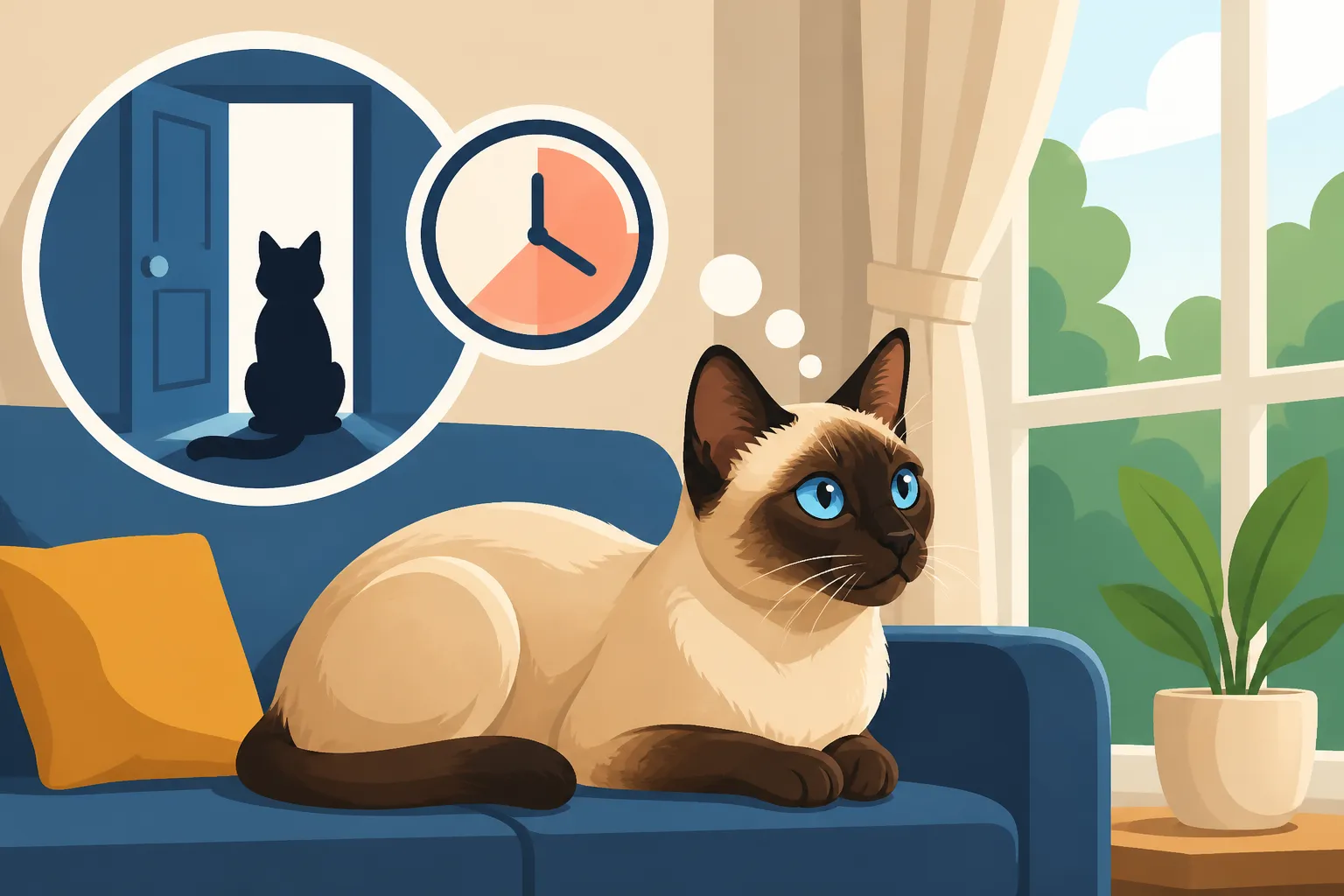
Leaving a Siamese cat alone for a full overnight stay (12-24 hours) is pushing the boundaries of what is comfortable and safe for this breed. While some more independent cats might manage this with ample food, water, and a clean litter box, for a Siamese, it often leads to significant distress. The intense bond they form with their humans means your extended absence can be a source of profound loneliness and anxiety. They don't understand that you'll be back; they only perceive your absence.
Beyond emotional well-being, there are practical concerns. What if they run out of water due to a spilled bowl? What if they have a sudden health issue, like an unexpected vomiting episode or a urinary blockage, which Siamese cats can be prone to? A medical emergency can escalate quickly without anyone present to notice. Food can also become an issue; while an automated feeder can help, some Siamese are notoriously clever at defeating these devices, or they might simply eat all their food at once, leaving them hungry for the rest of your absence. Even with all the provisions in the world, the sheer lack of companionship can lead to destructive behaviors, excessive yowling that disturbs neighbors, or even self-soothing behaviors like overgrooming to the point of bald spots.
Extended Periods (24+ hours) and the Need for Care
Let's be unequivocally clear: leaving a Siamese cat alone for more than 24 hours is rarely a good idea and is generally not recommended. Their social needs are too profound, and the risks—both emotional and physical—are too high. For any absence longer than a single workday, you absolutely need to arrange for dedicated care.
There are generally three main options for extended care:
- Professional Cat Sitter: This is often the ideal solution for a Siamese. A cat sitter comes to your home, maintains your cat's routine in their familiar environment, provides fresh food and water, cleans the litter box, and, most importantly, offers playtime and companionship. A good cat sitter understands the specific needs of social breeds like the Siamese and can tailor their visits to provide ample interaction. This minimizes stress for your cat, as they don't have to leave their territory. You can often find reputable sitters through local pet care agencies or word-of-mouth.
- Trusted Friend or Family Member: If you have someone reliable who understands and genuinely likes cats, particularly vocal and demanding ones like a Siamese, this can also be a good option. The benefit here is the familiarity; your cat might already know and trust this person. However, ensure they are committed to spending quality time with your Siamese, not just rushing in and out. They need to be aware of the daily demands a Siamese can place on a person.
- Boarding Facility: While some cats tolerate boarding, it's often a last resort for a Siamese. Being in an unfamiliar environment, surrounded by other cats and strange smells, can be incredibly stressful for them. The noise, the different routine, and the lack of their specific human connection can lead to anxiety, appetite loss, and even illness. If boarding is your only option, choose a facility that offers private, spacious "cat condos" and dedicated one-on-one play and cuddle time with staff. Visit the facility beforehand to assess its cleanliness, staff attentiveness, and overall atmosphere. How a Siamese Cat Copes With Boarding
Here’s a quick comparison of these options:
| Care Option | Pros | Cons | Best For |
|---|---|---|---|
| Professional Cat Sitter | Cat stays in familiar environment, individualized attention, routine maintained, experienced with cats | Can be more expensive than boarding, need to trust someone in your home, availability can vary | Highly anxious cats, cats with specific medical needs, long absences |
| Friend/Family Member | Familiar face for the cat, often more affordable, personalized care | May lack professional experience, reliability can be an issue, might not understand Siamese needs | Short to medium absences (1-3 days), if truly reliable and cat-savvy |
| Boarding Facility | Secure environment, consistent supervision, often more affordable | Stressful for the cat (new environment, smells, sounds), limited one-on-one attention | Cats who are more independent, no other options, short stays |
Strategies to Reduce Separation Anxiety and Boredom
No one wants their Siamese to suffer when they're not home. Thankfully, there are many proactive steps you can take to make your absences less stressful for your feline friend.
Providing Ample Stimulation and Comfort
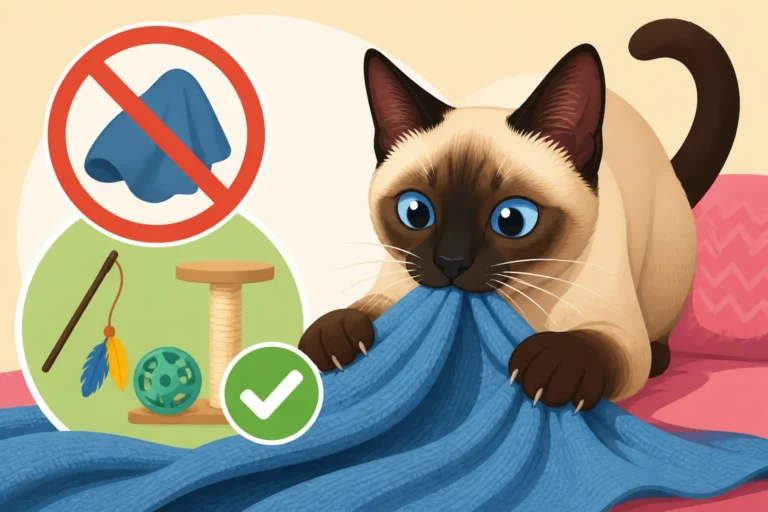
A bored Siamese is a destructive Siamese, or a very, very loud one. Preventing boredom is paramount. Think vertical space: cat trees, shelves, and window perches give them elevated viewpoints, which cats love. These items are excellent for their physical and mental health. Consider investing in a variety of interactive toys. Wand toys that you use to play with them when you're home are great, but also think about toys they can engage with independently. Battery-operated toys that mimic prey, balls with bells, or crinkle toys can keep them entertained. Many of these can be found on Amazon.
Puzzle feeders are fantastic for mental stimulation, turning mealtime into a challenge. Hide treats around the house before you leave, turning their living space into a treasure hunt. This engages their natural hunting instincts and keeps them busy for a while. Leaving an item of your clothing, like a t-shirt you've worn, can provide immense comfort due to your familiar scent. For particularly anxious cats, a calming diffuser (like Feliway) might help create a more serene atmosphere, though individual results vary. Remember, the goal is to create an environment that minimizes the feeling of emptiness and maximizes engaging activities. What a Siamese Cat Does While You Are Out
The Case for a Companion Cat
This is a frequently debated topic among Siamese owners, and for good reason. Given their extreme social needs, many experts and experienced owners advocate for having two Siamese cats, or at least a Siamese paired with another compatible, equally playful breed. A companion cat can provide the constant interaction and social grooming that a single Siamese craves, especially if you have a demanding work schedule. They can chase, wrestle, and simply exist together, providing mutual comfort.
However, it's not as simple as just getting another cat. The introduction process is critical and must be done slowly and carefully to ensure they become friends, not adversaries. How to Introduce a Siamese Cat to a Resident Cat Introducing a new cat should be a gradual process, often involving scent swapping, supervised short meetings, and plenty of positive reinforcement. Not all cats are compatible, and sometimes a second cat can increase household stress rather than alleviate it. Two Siamese cats can be louder than one, especially if they egg each other on in their vocalizations. Whether Two Siamese Cats Are Louder However, for many, the benefits of a companion animal for a Siamese, especially one prone to separation anxiety, far outweigh the potential challenges. It's often the best solution for ensuring your Siamese always has someone to interact with, even when you're not there. When a Siamese Cat Needs a Second Cat
Recognizing Signs of Distress and What to Do
Even with the best intentions and preparations, a Siamese cat might still struggle with being left alone. It's crucial to be vigilant and recognize the signs of distress so you can intervene.
Behavioral Indicators of Loneliness
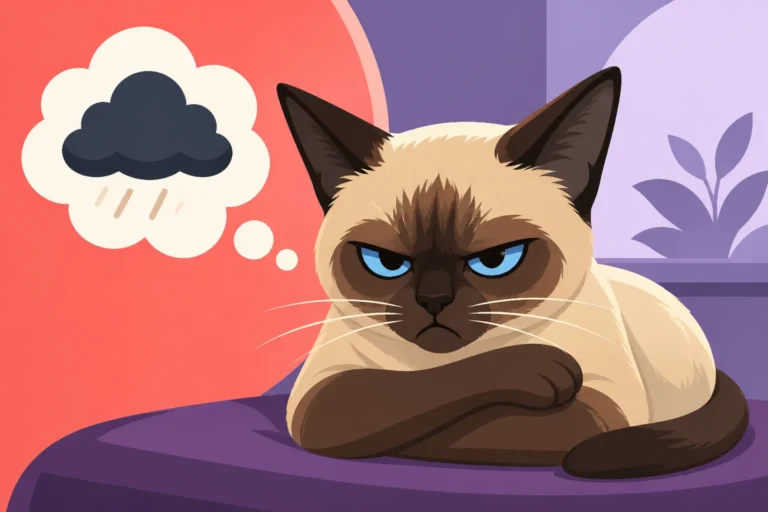
Your Siamese will tell you, often loudly and clearly, if they're not coping well with solitude. One of the most obvious signs is excessive vocalization. If neighbors report constant crying or yowling while you're away, that's a huge red flag. When you return home, a distressed Siamese might greet you with an overly intense, almost frantic, display of affection, or conversely, they might give you the cold shoulder, sulking in a corner.
Other common indicators include destructive behavior. A bored or anxious Siamese might chew on furniture, scratch carpets, or knock items off shelves in an attempt to gain attention or relieve stress. Inappropriate elimination (urinating or defecating outside the litter box) is another common symptom of stress or anxiety in cats, and it's their way of telling you something is wrong. Changes in eating habits, such as overeating due to stress, or refusing to eat when alone, can also occur. Finally, excessive grooming, to the point of creating bald patches or skin irritation, is known as psychogenic alopecia and is a classic sign of anxiety in Siamese cats. Signs a Siamese Cat Is Lonely What Psychogenic Alopecia Does to a Siamese Cat Any of these behaviors warrant a closer look at their environment and routine.
When to Seek Professional Help
If you've implemented various enrichment strategies, considered a companion, and optimized their environment, but your Siamese still exhibits persistent signs of distress, it's time to bring in the professionals. The first step should always be a visit to your veterinarian. Many behavioral issues can have underlying medical causes. For example, increased urination outside the box could be a sign of a urinary tract infection or kidney issues, not just anxiety. A thorough check-up will rule out any physical ailments.
If your vet confirms there are no underlying medical conditions, they might recommend consulting a certified feline behaviorist. These specialists have expertise in understanding cat behavior and can help you identify the root cause of the anxiety and develop a tailored behavior modification plan. This plan might include specific training techniques, environmental adjustments, or even prescription medication for severe cases of anxiety. Medication is usually a last resort, used in conjunction with behavioral therapy, to help alleviate severe distress and make your cat more receptive to training and environmental changes. Remember, a Siamese cat's well-being, both physical and emotional, is paramount. A Siamese Cat Will Not Be Ignored
Disclaimer
This article is for general informational purposes only and does not constitute professional advice. Laws, prices and regulations vary by location and change over time. Consult a qualified professional for guidance on your specific situation.