Whether a Siamese Cat Would Survive Outdoors
It's a question many Siamese cat owners grapple with, often born from a deep love for our feline friends and a desire to give them the best life possible: "Would my Siamese cat truly survive if I let them roam freely outdoors?" The simple, stark truth is that while their wild ancestors were certainly outdoor creatures, the modern Siamese cat, with their unique personality and physical traits, faces an overwhelming array of dangers in an uncontrolled outdoor environment that significantly compromises their ability to survive, let alone thrive. This guide will delve into why a free-roaming outdoor life is incredibly risky for a Siamese and offer alternatives to satisfy their adventurous spirit safely.
The Harsh Realities of Outdoor Life for a Siamese Cat
Let's be brutally honest. As much as we imagine our sleek, vocal companions majestically stalking through tall grass, the reality of outdoor life for a domestic cat, especially a Siamese, is far more perilous than picturesque. They are not equipped for the constant, intense struggle for survival that true wild animals face, and their domestic upbringing leaves them vulnerable in countless ways.
Threats from Wildlife and Other Animals
The world outside is teeming with creatures that view a small, agile cat as either prey, competition, or a threat. It's a brutal food chain out there, and our beloved Siamese often finds themselves on the wrong side of it.
- Predators Large and Small: Depending on your location, your Siamese could encounter coyotes, foxes, raptors like hawks and eagles, bobcats, or even larger predatory birds. These animals see an unattended cat as an easy meal. Even if your area doesn't have large predators, raccoons, opossums, and aggressive stray dogs pose significant threats. A Siamese, with their lean build and often trusting nature towards humans, might not instinctively recognize the danger until it's too late. I've heard too many heartbreaking stories from owners who thought their area was safe, only to lose their cherished pet to a passing predator.
- Territorial Fights with Other Cats: The outdoor cat population is often dense, and cats are highly territorial. Your Siamese, even if they're a feisty chatterbox at home, might be utterly outmatched by a seasoned stray or feral cat defending its turf. These fights aren't just about a scratched nose; they can lead to severe wounds, abscesses, and the transmission of deadly diseases. Cats don't fight fair, and your pampered pet simply hasn't developed the street smarts to navigate these often brutal encounters.
The Dangers of Traffic and Human Activity
One of the most common and devastating risks for outdoor cats is traffic. We live in a world built for cars, not cats, and our busy streets are simply death traps.
- Vehicular Accidents: A car traveling at even a moderate speed can be fatal for a cat. Siamese cats are known for being incredibly intelligent, but their quick reflexes are no match for a speeding vehicle. They don't understand the rules of the road, the speed of cars, or how to look both ways. Even in quiet suburban areas, a momentary lapse in judgment can lead to tragedy. This is a risk that simply cannot be mitigated if you allow your cat to roam freely near roads.
- Intentional Harm and Traps: Sadly, not everyone loves cats, and some individuals can be cruel. Free-roaming cats are vulnerable to intentional harm, whether it's malicious individuals, illegal traps set for other animals, or accidental injury from farm equipment or construction sites. It's a hard truth to face, but your cat's safety relies entirely on the good intentions of strangers when they're out of your sight.
Environmental Hazards and Illnesses
Beyond direct threats, the environment itself can be a minefield of unseen dangers for a Siamese cat.
- Poisons and Toxins: Antifreeze, rodenticides, snail bait, pesticides, and various household chemicals are prevalent in yards, garages, and agricultural areas. These substances are often lethal to cats, and their appealing taste can attract curious felines. A Siamese exploring a neighbor's shed or a discarded bottle could ingest a fatal dose without anyone knowing until it's too late. There's no way to control what dangers your cat might encounter in someone else's space.
- Diseases and Parasites: The outdoors is a breeding ground for various ailments. Fleas, ticks, and worms are common, but far more serious are viral diseases like Feline Leukemia Virus (FeLV) and Feline Immunodeficiency Virus (FIV), which are spread through bites and close contact with infected cats. Even if your Siamese is vaccinated, protection isn't 100%, and they can still encounter other pathogens like upper respiratory infections or fungi. A simple cut can become severely infected, leading to costly vet visits or worse. What Most Siamese Cats Die Of often includes preventable illnesses contracted outdoors.
The Siamese Cat's Temperament and Physical Traits Outdoors
It's not just the external environment; a Siamese cat's inherent characteristics also make them less suited for unsupervised outdoor adventures compared to some other breeds or even mixed-breed cats.
Their Vocal Nature and Need for Interaction
Siamese cats are renowned for their highly vocal communication and deep desire for human companionship. This isn't just a charming trait; it's a fundamental aspect of their well-being.
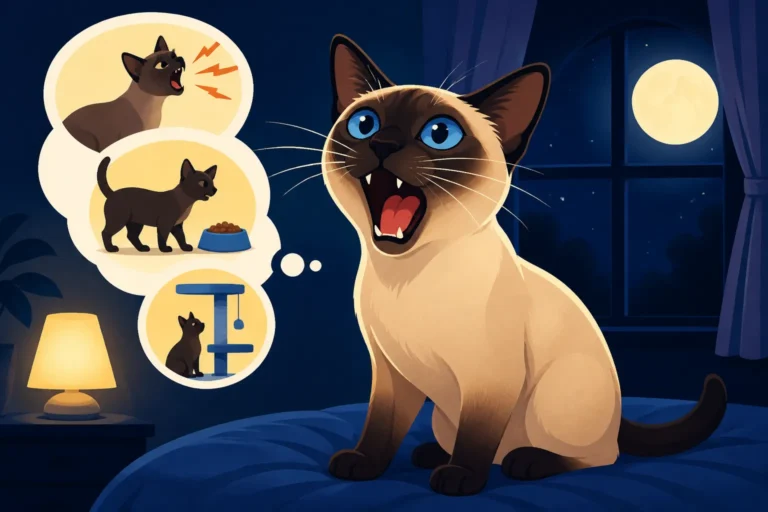
- Drawing Unwanted Attention: That famous "Meezer Yowl" is endearing indoors, but outdoors, it can draw unwanted attention. Whether it's to signal distress, hunger, or just announce their presence, a loud cat is more easily noticed by predators or individuals with ill intent. Their vocalizations might also annoy neighbors, leading to complaints or even direct action against the cat. What the Siamese Cat's Meezer Yowl Sounds Like is not a sound you want broadcast to the dangers of the street.
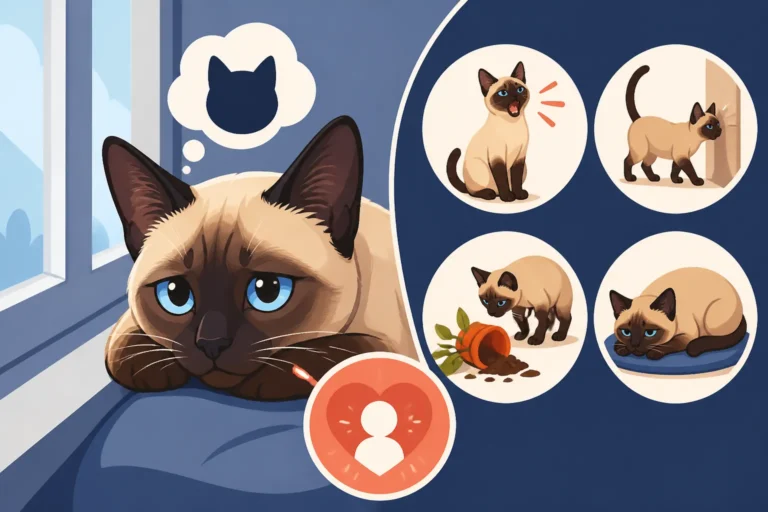
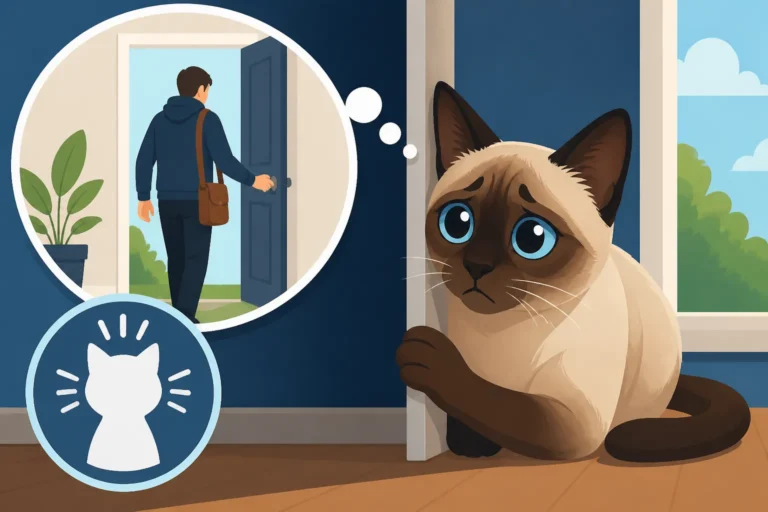
- Vulnerability to Loneliness and Stress: Siamese cats thrive on interaction. Leaving them alone for long periods outdoors can lead to immense stress and anxiety. They are simply not built to be solitary wanderers. This stress can manifest in behavioral issues if they are allowed back inside, or contribute to a compromised immune system, making them more susceptible to illness. What Separation Anxiety Looks Like in a Siamese Cat often involves destructive behavior or excessive vocalization indoors, imagine the psychological toll outdoors.
Their Lean Build and Sensitivity to Cold
Unlike some thicker-coated breeds, the Siamese cat has a short, sleek coat and a lean body structure, making them more susceptible to temperature extremes.
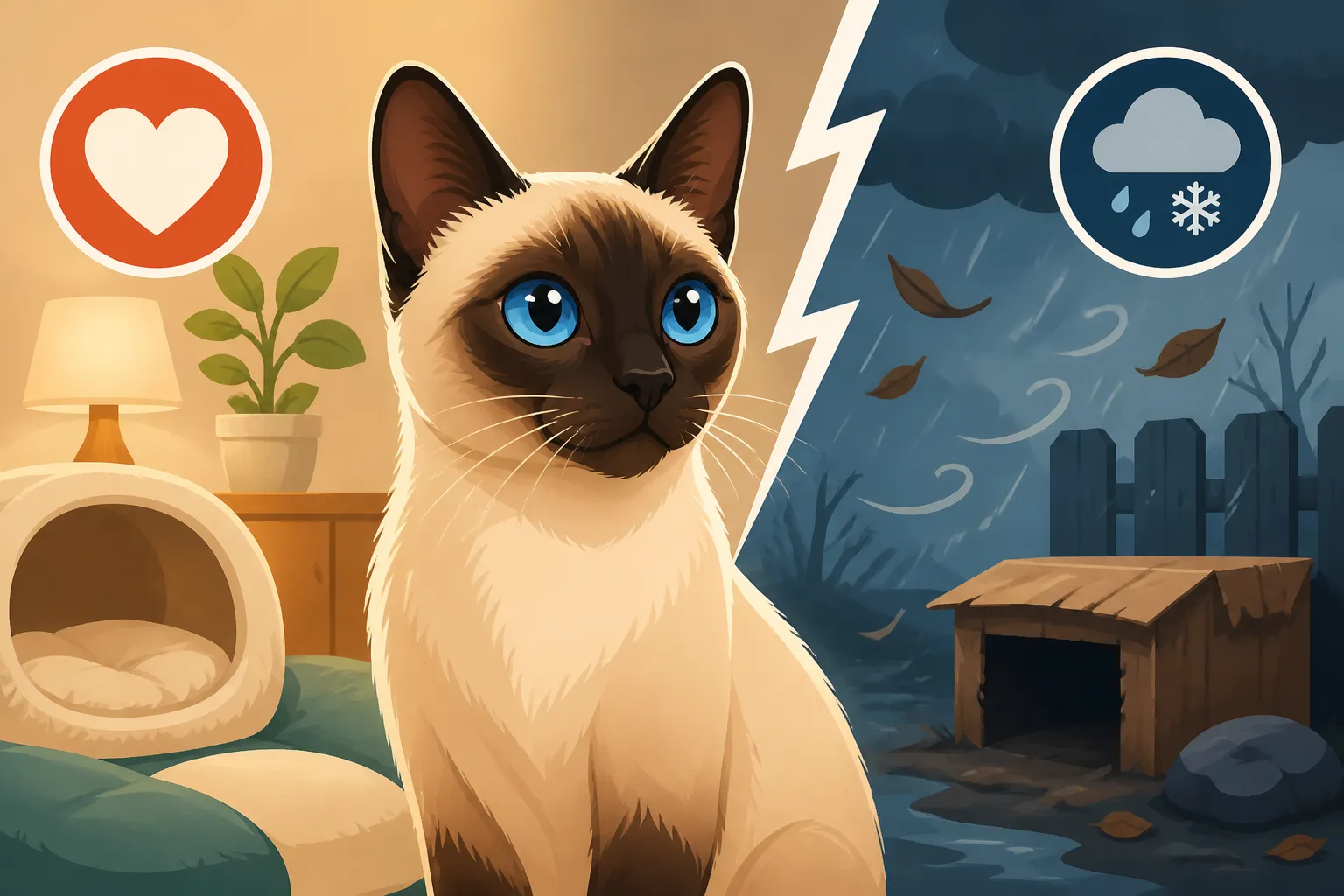
- Susceptibility to Hypothermia: Their lack of an insulating undercoat means Siamese cats can get cold very quickly, especially in damp or windy conditions. A sudden drop in temperature or getting caught in a rainstorm can lead to hypothermia, which is a life-threatening condition. They instinctively seek warmth, which might lead them into dangerous places like under car hoods or inside sheds with harmful chemicals. Keeping a Siamese Cat Warm indoors is a given; outdoors, it's a constant battle.
- Difficulty Hiding and Escaping: While agile, their bright blue eyes and distinctive point coloration can make them stand out in certain environments, making them less camouflaged than a tabby cat. Their lean build, while allowing for speed, doesn't offer the bulk or thick fur that might protect a larger, more robust cat during a scuffle with a predator.
The Instinct to Hunt vs. Domestic Reality
Yes, cats have a strong prey drive, and a Siamese is no exception. They love to stalk and pounce, but this instinct is often romanticized when considering outdoor life.
- Ineffective Hunters of Dangerous Prey: While your Siamese might proudly bring you a mouse, they are not equipped to take down larger, more dangerous prey or defend themselves against truly aggressive wildlife. Their hunting instincts are geared towards small rodents and birds, not against a territorial raccoon or a coyote. Furthermore, hunting puts them at risk of ingesting parasites or toxins from their prey.
- The Danger to Local Wildlife: It's also important to consider the impact of your cat on local wildlife. Even a well-fed domestic cat can decimate bird and small mammal populations, contributing to ecological imbalances. As responsible pet owners, we have a duty to protect both our pets and the local ecosystem.
Alternatives to Free-Roaming Outdoor Life
The good news is that you don't have to choose between your Siamese's safety and their happiness. There are fantastic ways to provide them with enriching outdoor experiences in a controlled environment.
Supervised Leash Walks
Many Siamese cats can be successfully leash-trained, offering them a taste of the outdoors under your watchful eye.
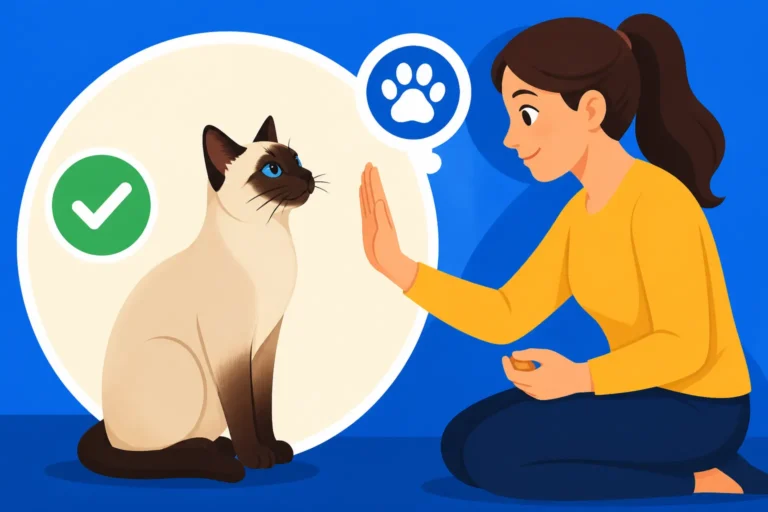
- Harness Training: Start young, if possible, but adult cats can learn too. Invest in a comfortable, escape-proof harness (not just a collar, which can slip off or injure their throat). Let them wear it for short periods indoors, perhaps while eating, to get used to it. Brands available on Amazon offer a wide range of harnesses specifically designed for cats, so you can find one that's a good fit.
- Exploring Safely: Begin with short excursions in a quiet, fenced yard or a very safe, low-traffic area. Let your Siamese explore at their own pace, sniffing and observing. It’s not about walking them like a dog; it's about letting them experience new sights, sounds, and smells safely. This shared activity can also strengthen your bond.
Catios and Enclosed Outdoor Spaces
Catios, or cat patios, are arguably the best solution for safely giving your Siamese outdoor access. These enclosed spaces allow your cat to enjoy fresh air, sunshine, and the stimulation of nature without any of the inherent dangers.
- Design and Construction: Catios can range from small window boxes to elaborate, multi-level structures. You can build one yourself, hire a custom builder, or buy pre-made kits. Ensure it's fully enclosed with sturdy mesh or wire, has a solid roof for protection from elements, and offers plenty of perching and climbing opportunities. Think about adding shelves, ramps, and even a comfy bed for napping. Many ready-to-assemble catio kits are available online, including on Amazon, making it easier than ever to give your cat a safe outdoor haven.
- Benefits for Your Siamese: A catio provides sensory enrichment that indoor life often lacks. They can watch birds, feel the breeze, and bask in the sun, all while being completely safe from traffic, predators, and poisons. It's a fantastic way to satisfy their natural curiosity and provide mental stimulation.
Enhancing Indoor Enrichment
Even without outdoor access, a Siamese cat can lead a fulfilling and stimulating life indoors with proper enrichment.
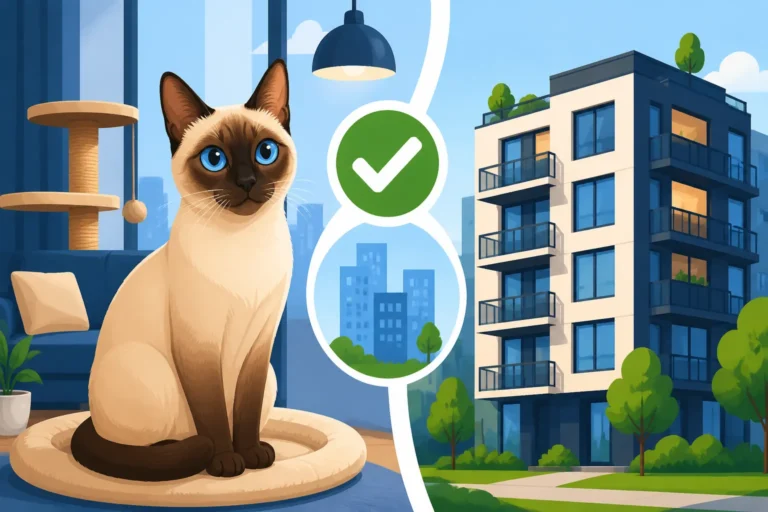
- Vertical Space and Climbing: Siamese cats love to climb and be high up. Provide tall cat trees, wall-mounted shelves, and window perches. These give them vantage points and exercise opportunities. A good quality, tall cat tree is a worthy investment, and you can find many options on Amazon to suit your home's aesthetic and your cat's climbing needs.
- Interactive Play and Puzzle Feeders: Daily interactive play sessions with wand toys mimic hunting behavior and burn off energy. Think about incorporating puzzle feeders, which challenge their intellect and slow down meal times. Enrichment for a Siamese Cat That Gets Bored in an Hour is crucial, and puzzle feeders and interactive toys are perfect for this.
- Rotating Toys and Window Watching: Keep a rotation of toys to prevent boredom. A simple bird feeder outside a window can provide hours of entertainment for an indoor Siamese. Consider a comfortable window perch where they can observe the world safely.
Conclusion: Prioritizing Safety for a Long, Happy Life
Ultimately, the decision of whether to let your Siamese cat outdoors is a deeply personal one, but informed by the very real risks. While their ancestors roamed freely, our modern Siamese cats are domesticated companions who rely on us for their safety and well-being. The dangers they face in an uncontrolled outdoor environment — from traffic and predators to diseases and poisons — drastically reduce their chances of survival and a long, healthy life.
By embracing safe alternatives like supervised leash walks, secure catios, and enriching indoor environments, you can provide your Siamese with all the mental and physical stimulation they need without exposing them to unnecessary perils. Your Siamese deserves a long, happy, and safe life by your side, and keeping them as indoor or safely contained outdoor companions is truly the best way to ensure that.
Disclaimer
This article is for general informational purposes only and does not constitute professional advice. Laws, prices and regulations vary by location and change over time. Consult a qualified professional for guidance on your specific situation.