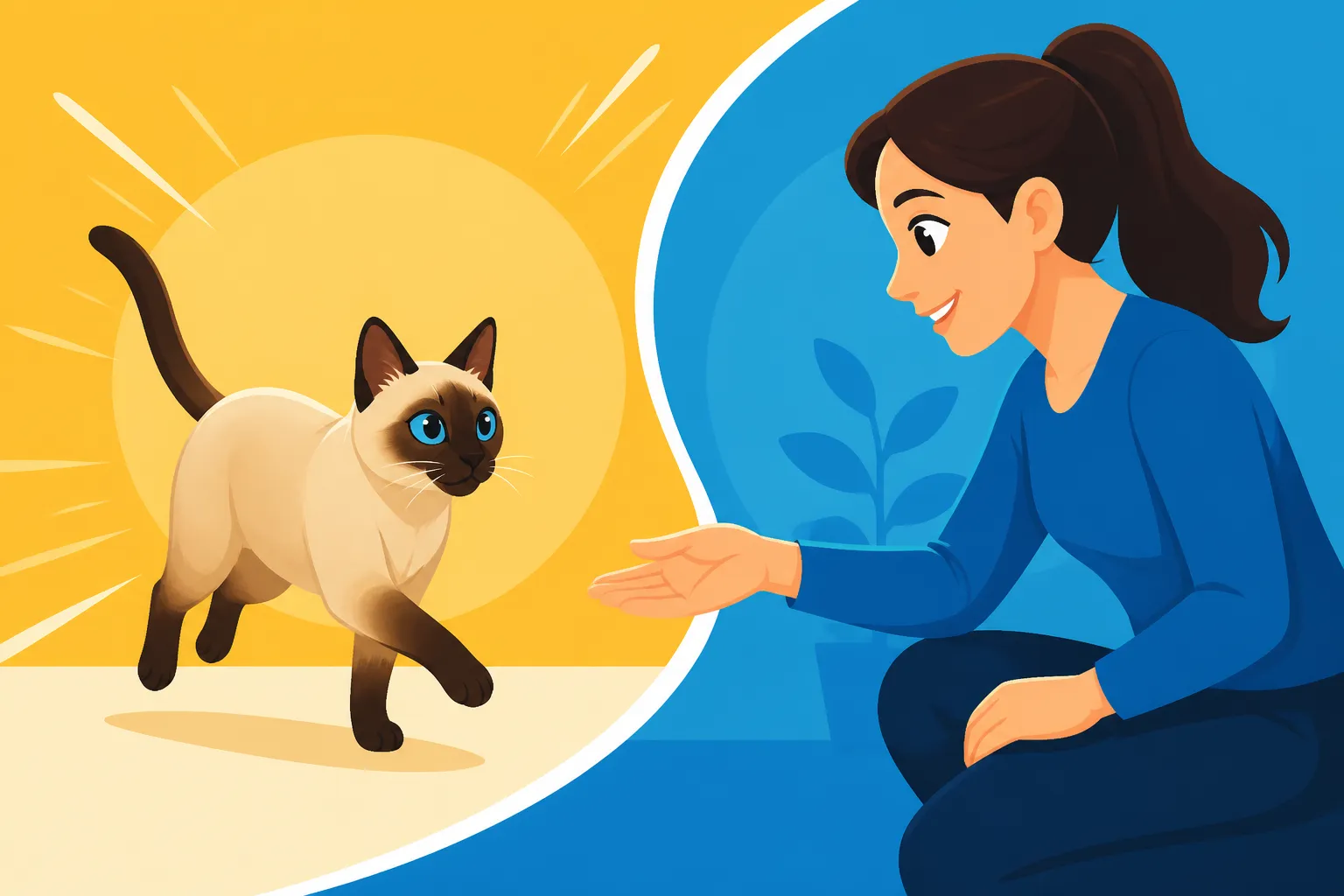
How to Teach a Siamese Cat to Come
It can be incredibly frustrating when you call your beloved Siamese cat, and they just stare at you, maybe blink slowly, and then resume their important business of staring at a dust bunny. Many cat parents feel like teaching a cat to "come" is an impossible feat, reserved only for highly trained circus animals, but with the right approach and a deep understanding of your Siamese's unique personality, you absolutely can teach them to respond to their name or a specific cue. This guide will walk you through the practical steps, motivations, and common pitfalls to help your Meezer master this useful skill.
Understanding Your Siamese Cat's Motivation
Let's be real: cats aren't dogs. While both are incredible companions, their innate drives and how they perceive commands are fundamentally different. Understanding this is the first step to successful "come" training with your Siamese.
Why "Come" is Different for Cats
For many dog owners, "come" is a fundamental command, often rooted in a dog's natural pack instinct and desire to please their leader. Dogs often view coming when called as a duty, a way to gain approval or avoid displeasure. Cats, on the other hand, are much more independent thinkers. They don't operate on a "pack leader" dynamic, and the concept of "obedience" isn't really in their vocabulary. When you call a cat, they're not thinking, "How can I make my human happy?" They're thinking, "What's in it for me?" or "Is this worth interrupting my nap/grooming/bird-watching session?"
This isn't a flaw in their character; it's simply how they're wired. Many cat parents throw their hands up in exasperation, convinced their feline friend is untrainable or simply ignoring them out of spite. It's easy to feel that way when your cat gives you the slow blink of indifference. But the truth is, you're just speaking a different language. To teach a Siamese to come, you need to appeal to their self-interest, making the act of coming to you a highly rewarding and positive experience every single time. Forget traditional "commands" and think "invitations" that promise something truly irresistible.
The Siamese Personality Advantage
While all cats can be trained, Siamese cats often have a distinct advantage due to their extraordinary personalities. They are renowned for their intelligence, often described as having dog-like qualities, which makes them highly receptive to learning new things. Their vocal nature means they love to "chat" and interact with their humans, making them more engaged participants in training sessions than some more aloof breeds. This isn't just about their loud meow; it's about their deep desire for connection and mental stimulation. They thrive on interaction, and a training session can be a wonderful bonding experience.
Moreover, Siamese cats form incredibly strong bonds with their owners. They are often described as "velcro cats" because they love to be involved in whatever you're doing, following you from room to room. This inherent curiosity and desire for companionship can be leveraged beautifully in training. They’re less likely to just wander off and forget about you, and more likely to investigate what exciting thing you might be up to. Their keen minds also mean they pick up patterns quickly, and once they understand the game, they often enjoy the challenge. It’s all about channeling that famous How Clever a Siamese Cat Is into something productive and fun.
What Motivates a Siamese to Come
So, if "obedience" isn't the driver, what makes a Siamese cat decide to grace you with their presence when called? It all boils down to positive reinforcement and appealing to their deepest desires.
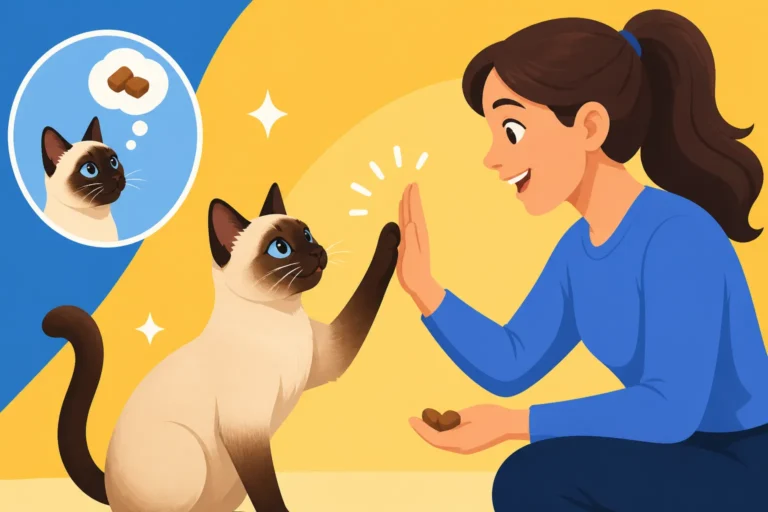
High-value food treats are almost always at the top of the list. We're not talking about their everyday kibble here; we're talking about something truly special, something they only get for this specific task. Think tiny pieces of cooked chicken, salmon, or a lickable treat paste. For a Siamese, who burns calories fast and often feels quite lean, food is a powerful motivator. Feeding a Lean Siamese Cat That Burns Everything is a topic many Siamese owners are familiar with, and those calories are usually well-received.
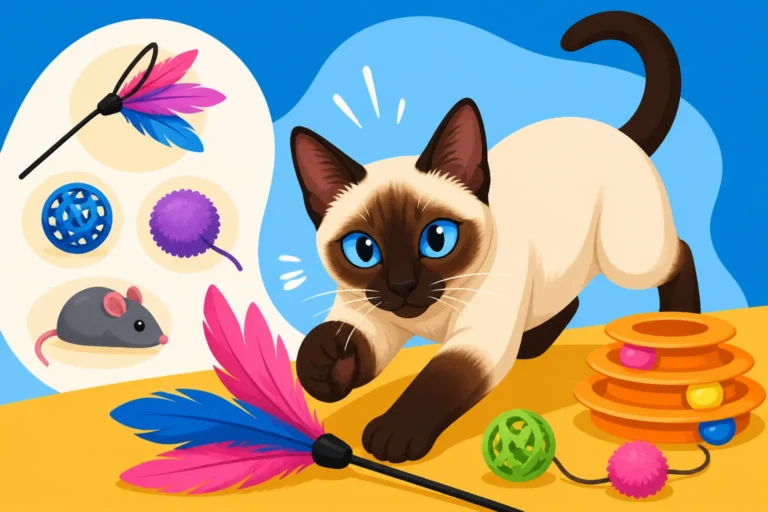
Beyond food, play is another huge motivator. Siamese cats are incredibly playful and need a lot of mental and physical stimulation to prevent boredom. If coming to you means an immediate, exciting play session with their favorite wand toy or a game of fetch (yes, some Siamese cats actually fetch!), that's a huge incentive. They need How Much Play a Siamese Cat Needs to stay happy, and training can be part of that. Finally, attention and affection are paramount. For these highly social cats, a good head scratch, a belly rub (if they like them), or simply being picked up and cuddled can be a fantastic reward. They love being the center of your world, and coming when called often leads to that coveted one-on-one time.
Setting Up for Success: Essential Tools and Environment
Before you even start calling your Siamese, a little preparation goes a long way. Having the right tools and setting the stage properly will make your training sessions much more effective and enjoyable for both of you.
Choosing the Right Rewards
When it comes to training a cat, the reward is everything. It needs to be something your Siamese absolutely adores and doesn't get at any other time. This creates a strong positive association with the "come" cue. Generic kibble won't cut it. You need high-value treats that are small, easy to eat quickly, and utterly irresistible. Think freeze-dried chicken or salmon, tiny pieces of tuna, or even a lickable treat like Churu. Many cat parents find that these types of treats, readily available from pet supply stores or online marketplaces like Amazon, are game-changers because they offer intense flavor and instant gratification.
The key is "high-value." Your cat should be excited at the mere smell of these treats. If they just sniff it and walk away, it's not motivating enough. Break them into pea-sized pieces so your cat isn't spending too long chewing, which can break the flow of the training. You want them to eat it quickly and be ready for the next interaction. Sometimes, a particularly engaging toy, like a feather wand or a laser pointer, can also serve as a reward, especially if your cat is extremely play-motivated. Just remember, consistency is crucial – the reward must always follow the desired action.
Creating a Positive Training Space
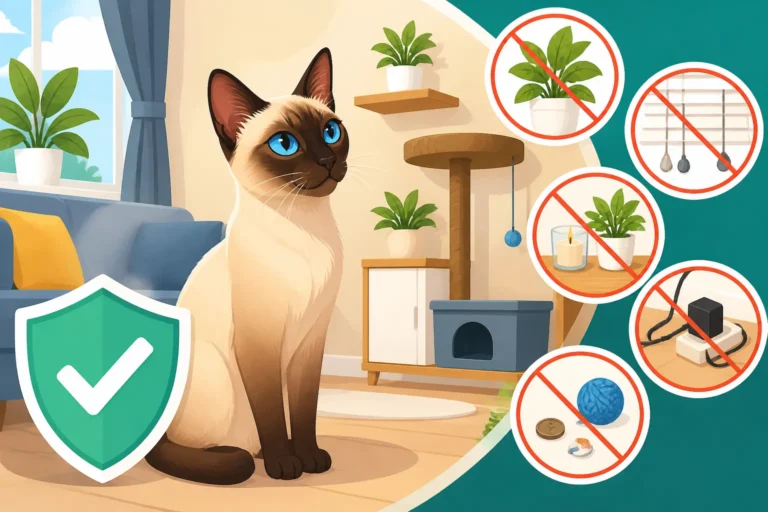
Imagine trying to concentrate on learning something new in a chaotic, noisy environment. Your cat feels the same way! To start, choose a quiet, low-distraction environment where your Siamese feels safe and comfortable. This might be your living room when it's calm, or a bedroom door closed, with no other pets or loud noises around. The goal is to minimize anything that could compete for your cat's attention.
Starting in a consistent location helps establish a routine and reduces variables. As your cat becomes more proficient, you can gradually introduce small distractions, like an open door to another room or the sound of a TV on low. The idea is to build confidence and reliability in controlled settings before expecting them to perform in a busy household. Remember, every training session should be positive, short, and end on a high note. If your cat gets distracted or loses interest, it's better to end the session and try again later rather than pushing them.
The Importance of a Unique Call Word or Sound
Your Siamese cat needs a clear signal that it's them you're addressing and that something wonderful is about to happen. This is where a unique call word or sound comes in. While you might use their name for everyday greetings, for a specific recall cue, something distinct can be more effective. A short, sharp word like "Come!" or "Treat!" works well, or even a specific sound like a particular whistle, a tongue click, or a kissy noise. The most important thing is consistency.
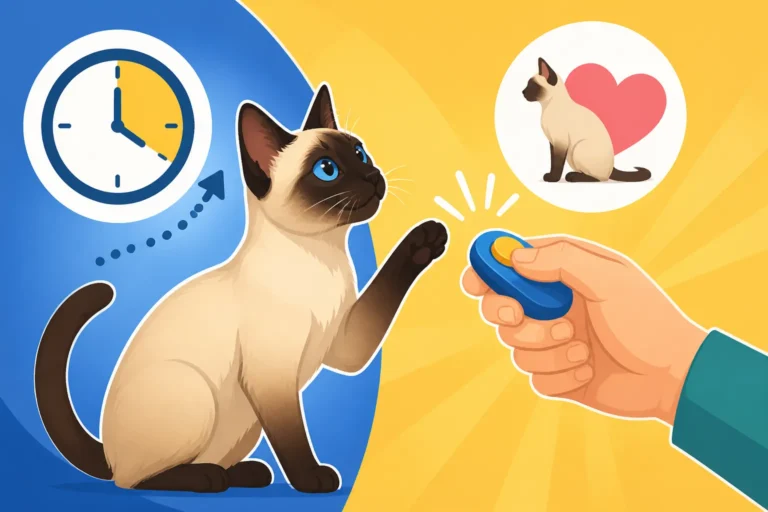
Once you choose your cue, stick to it. Never use it for anything negative (e.g., calling them to put them in a carrier for a vet visit, or to give medicine). This builds a negative association, and your cat will quickly learn to avoid the sound. The cue should always, always mean something good is coming. You can also incorporate a clicker, as described in How to Clicker Train a Siamese Cat, to mark the exact moment they perform the desired action, followed immediately by the high-value treat. This precision helps them understand exactly what they're being rewarded for.
Step-by-Step Guide to Teaching "Come"
Now that you've got your motivations and tools ready, let's dive into the practical steps for teaching your Siamese cat to come when called. Patience and consistency are your best friends here!
The Foundation: Association and Positive Reinforcement
Start simple, right where your Siamese is. The very first step is to create a strong, positive association between your chosen call word/sound and the reward. Sit a few feet away from your cat in your chosen quiet space. Say your chosen cue word (e.g., "Come, [Cat's Name]!") in a cheerful, inviting tone, and immediately offer a high-value treat or their favorite toy right where they are. Don't expect them to move yet. The goal here is just to link the sound with the good thing.
Repeat this several times in short sessions (2-5 minutes) throughout the day. Your Siamese should quickly start associating the sound with the treat. They might perk up their ears or look at you expectantly when they hear the cue. This is a huge win! As they get this, you can then start to take a tiny step back. Say the cue, and if they take even one step towards you, immediately reward them. If they don't, just offer the treat where they are and try again. The goal is to make it a fun, low-pressure game. Remember, A Siamese Cat Will Not Be Ignored, and they love to interact, so make this interaction irresistible.
Gradually Increasing Distance and Distraction
Once your Siamese consistently responds by taking a step or two towards you in your initial quiet spot, it's time to gradually increase the challenge. Start moving a little further away – maybe across the room. Call your cat, and when they come, shower them with praise and that high-value reward. If they hesitate, try kneeling down or crouching to make yourself less imposing and more inviting. Some cats also respond well to a playful gesture, like wiggling a finger or tapping the floor gently.
As they master coming from across the room, slowly introduce minor distractions. This could be another person quietly reading in the room, or a soft radio playing. Never jump too quickly to high-distraction environments. The key is to set them up for success. If they fail, it means you've moved too fast. Go back to a simpler stage and build up again. Never punish or scold your cat if they don't come. This will only create a negative association with the cue and make them less likely to respond in the future. Instead, just end the session cheerfully and try again later. This gentle approach is essential for these sensitive felines.
Generalizing the Behavior
Your cat might be a pro at coming in the living room, but will they come if you're in the kitchen and they're in the bedroom? This is where generalizing the behavior comes in. Start practicing in different rooms of your house. Begin with rooms that are relatively similar in distraction level, then move to more varied environments. Always start with a short distance in the new room, and slowly increase it, just as you did in your initial training spot.
It's also beneficial to have different family members practice the "come" cue, ensuring everyone uses the same word or sound and offers the same high-value rewards. This helps your cat understand that the cue is universal, not just associated with one person. Try practicing at different times of the day, when your cat is naturally more active and receptive, but also during quieter times. This variety ensures the behavior is truly learned, rather than just being a trick for a specific person in a specific place. It also makes them more confident in their responses, and you'll find their inherent curiosity, which is a big part of How a Siamese Cat Learns From Watching You, will aid them.
Troubleshooting and Advanced Tips
Even with the best intentions, training can hit a snag. Understanding common issues and knowing how to maintain the behavior will ensure long-term success with your clever Siamese.
Common Pitfalls and How to Avoid Them
One of the biggest pitfalls is not using high-value enough treats. If your cat has access to the same treats all the time, or if they're just getting a piece of kibble, the motivation simply isn't there for a specific recall. Reserve those truly special, delicious treats exclusively for "come" training. Another common mistake is training when your cat isn't in the mood. Unlike dogs, cats can't be forced to train. If your Siamese is asleep, grooming intently, or clearly focused on something else, trying to get them to "come" will likely lead to frustration for both of you. Wait until they're alert and receptive, perhaps just before a meal or when they're looking for interaction.
Getting frustrated yourself is another pitfall. Cats pick up on our emotions. If you're stressed or annoyed, your cat will sense it and associate those negative feelings with the training. Keep every session light, positive, and fun. Perhaps the most critical mistake is using the "come" cue for unpleasant things. If you call your cat to come, and then immediately pick them up for a nail trim, a bath, or a trip to the vet, they will quickly learn that "come" means something bad is about to happen. This is why a separate, neutral word or action should be used for these less-than-pleasant necessary tasks. Always make "come" a promise of something good.
Maintaining the Behavior Over Time
Consistency is the bedrock of maintaining any learned behavior with a cat. You can't just train them once and expect them to remember it forever. Continue to practice the "come" cue regularly, but keep it fresh and exciting. Random rewards are key here. Sometimes give them a treat, sometimes a play session with a What Toys a Siamese Cat Actually Uses like a wand, sometimes just loving pets. This keeps them guessing and prevents the behavior from becoming stale or predictable. If they know every "come" gets a treat, they might only come when they're hungry. Varying the reward ensures they are always motivated.
Another great strategy is to make coming to you a joyful experience every single time, even if it's just for a quick pet on the head. Associate your presence with positive things – food, play, affection, interesting new smells, or simply quiet companionship. This reinforces their bond with you and their desire to be near you. Think of it as investing in your relationship; the more positive interactions you have, the more likely they are to respond when you call.
Incorporating "Come" into Daily Life
The true test of a well-trained "come" is how it integrates into your daily life. Start using the cue naturally in situations where your cat is already likely to come. For instance, call them for meal times – "Come, dinner time!" – and immediately put down their food when they arrive. This is a very strong natural motivator that reinforces the cue. Similarly, if you're about to start a play session, use your "come" cue first. "Come, let's play!" and then immediately pull out their favorite toy.
You can also use it for simple check-ins. If you haven't seen your cat for a while and you want to ensure they're okay, call them. When they appear, give them a reward and some fuss. This makes the cue helpful for you and pleasant for them. Remember that Siamese cats are highly vocal and always expect an answer, as in The Siamese Cat Talks and Expects an Answer, so making "come" part of your daily "conversation" can be very rewarding for both of you. If you ever want to introduce a puzzle feeder, calling them to that can also be a great reinforcement, as seen with a What a Puzzle Feeder for a Siamese Cat Costs – a small investment for long-term engagement.
| Training Do's | Training Don'ts |
|---|---|
| Use high-value, exclusive treats. | Use regular kibble or low-value rewards. |
| Keep sessions short (2-5 minutes) and fun. | Drag out sessions until your cat is bored. |
| Always reward immediately when they respond. | Delay rewards or offer them inconsistently. |
| End sessions on a positive note. | End sessions when your cat is frustrated or ignoring you. |
| Practice in quiet, low-distraction environments first. | Start in noisy, chaotic environments. |
| Be consistent with your cue word/sound. | Change your cue word or use it randomly. |
| Use "come" only for positive experiences. | Use "come" for vet visits, medicine, or punishment. |
| Reward different ways (treats, play, affection). | Only use one type of reward every time. |
| Practice regularly to maintain the behavior. | Expect one-time training to last forever. |
| Be patient, understanding, and encouraging. | Get frustrated or scold your cat for not coming. |
Disclaimer
This article is for general informational purposes only and does not constitute professional advice. Laws, prices and regulations vary by location and change over time. Consult a qualified professional for guidance on your specific situation.