How Much a Siamese Cat Eats a Month
One of the biggest worries for any Siamese cat owner, especially when you're still getting to know your chatty companion, is whether they're eating enough – or, let's be honest, sometimes too much. It feels like they're always hungry, doesn't it? Or maybe you've got one of those finicky eaters that turns their nose up at everything. Figuring out the right amount of food to keep your sleek, active Siamese healthy and happy isn't always straightforward, and it’s a question that keeps a lot of us up at night. This guide is here to demystify exactly how much food your Siamese might need each month, taking into account all the unique quirks of this fascinating breed.
Understanding Your Siamese Cat's Unique Metabolism and Appetite
Siamese cats are often described as lean, muscular, and incredibly energetic, almost like perpetual kittens even into their senior years. This isn't just a physical trait; it has a direct impact on their metabolism and, consequently, their dietary needs. They're not your typical couch-potato cat! This high energy output means they often burn calories at a faster rate than many other breeds, which can make them seem like bottomless pits when it comes to food.
But it’s more nuanced than just "eat more because they're active." Several factors play into how much food your Siamese genuinely needs to thrive, and these aren't static. What works for a playful kitten won't cut it for a dignified senior, and a cat recovering from an illness will have different requirements than one in peak health. It’s about listening to your cat, observing their condition, and understanding the science behind their needs.
How Age and Activity Level Impact Food Consumption
Just like humans, a Siamese cat's nutritional requirements shift dramatically throughout their life. A tiny kitten, growing at an astonishing rate, needs a huge amount of fuel for their size, while an adult maintains, and a senior might slow down.
The Energetic Kitten Years
Siamese kittens are bundles of pure, unadulterated energy. They grow rapidly, explore constantly, and play with an intensity that can wear out even the most dedicated owner. Because of this phenomenal growth and high activity, kittens need significantly more calories per pound of body weight than adult cats. Their bodies are building muscle, bone, and developing all their vital systems. Often, kitten food is formulated to be higher in calories, protein, and essential nutrients to support this growth spurt. You'll typically find yourself feeding a Siamese kitten several small meals throughout the day, often four to five, until they reach about six months of age. Free feeding can sometimes work for kittens as they usually self-regulate, but it's important to monitor their growth and ensure they don't overeat. However, if you have a particularly food-motivated kitten, measured meals are always a safer bet. Keep an eye on their body condition – you want to see a lean, playful cat, not one who's getting a little too round.
Adult Cats and Their Daily Routine
Once your Siamese hits their adult years, usually around 10-12 months, their growth slows, and their caloric needs stabilize. However, "stabilize" doesn't mean "become low." An adult Siamese remains incredibly active. They love to run, jump, climb, and engage in elaborate play sessions. If you have a Siamese who enjoys exploring a catio or going for walks on a harness, their energy expenditure will be higher. A sedentary indoor Siamese, on the other hand, might need slightly less. It’s crucial to adjust their food intake based on their actual activity level. Many adult Siamese cats do well on two main meals a day, morning and evening, with perhaps a small snack or a puzzle feeder in between to keep their brilliant minds engaged. The goal is to provide enough fuel for their demanding lifestyle without leading to unhealthy weight gain. It's a fine line to walk sometimes, especially when they're always asking for more! For more on their caloric needs, you might want to read How Many Calories a Siamese Cat Needs a Day.
Senior Siamese and Changing Needs
As your Siamese cat ages, typically past the age of 10-12 years, their activity level might begin to naturally decrease. They might sleep more, play less intensely, and move with a little less spring in their step. This reduction in activity means their metabolic rate can also slow down, and they may require fewer calories to maintain a healthy weight. However, some senior Siamese can actually become thinner due to muscle loss or underlying health conditions. It's not uncommon for an older Siamese to lose weight, even with a seemingly healthy appetite. For these reasons, senior diets are often tailored to be easily digestible, with controlled protein levels and sometimes added joint support. Regular vet check-ups become even more vital in these golden years to monitor weight, muscle mass, and detect any health issues like Hyperthyroidism in an Older Siamese Cat or Kidney Disease in an Older Siamese Cat which can drastically alter appetite and nutritional needs.
The Role of Food Quality and Type
Not all cat food is created equal, and the quality and type of food you offer can significantly influence how much your Siamese needs to eat to feel satisfied and get all the nutrients they require. It's not just about filling their bowl; it's about what's in that bowl.
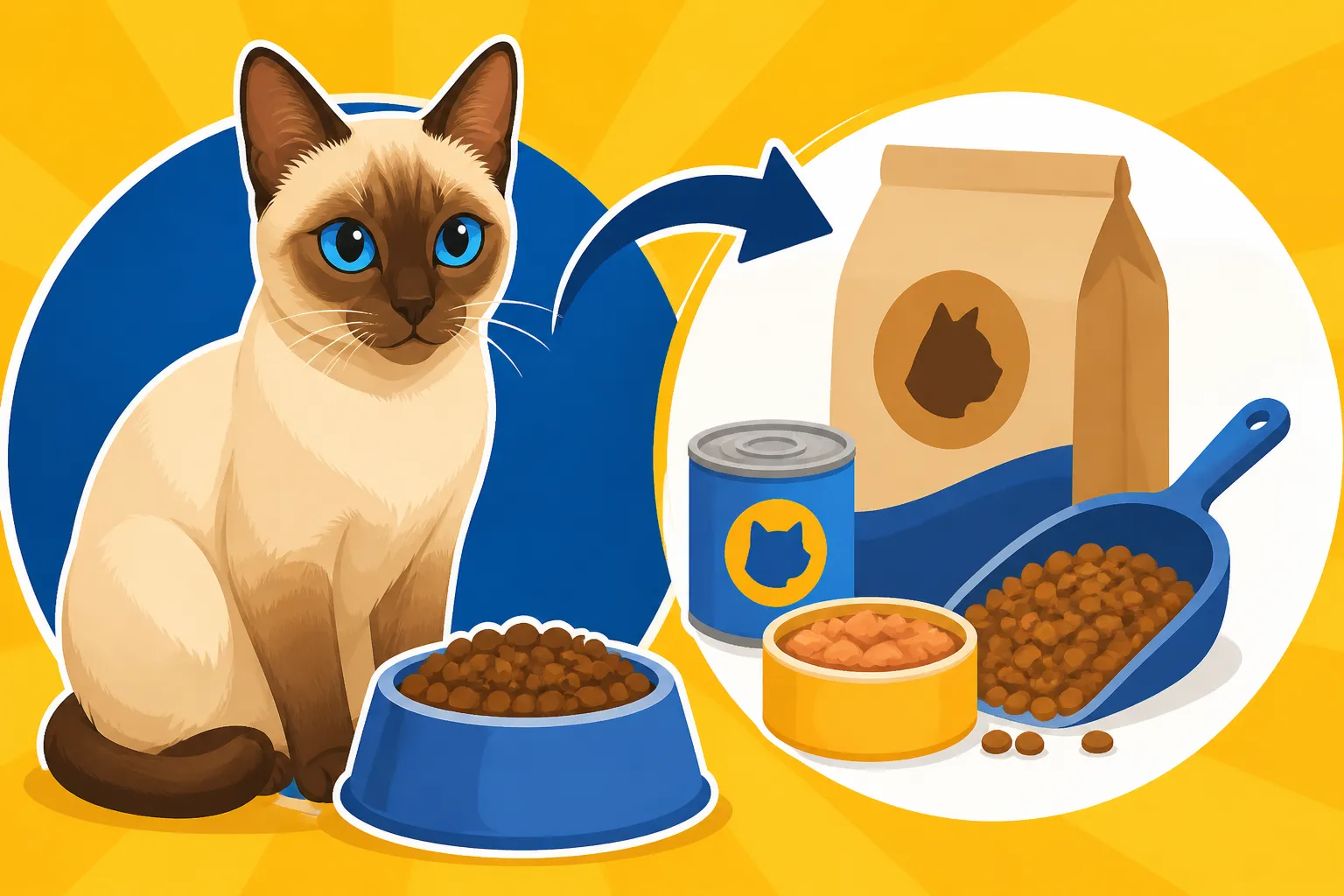
Wet Food vs. Dry Kibble
This is an ongoing debate among cat owners, and for good reason!
Wet food is typically much higher in moisture content, mimicking a cat's natural prey diet. This increased moisture is excellent for urinary tract health and can help your Siamese feel fuller with fewer calories from dry matter. Because it's often more palatable, some Siamese might devour wet food quickly, but its density and moisture can keep them satisfied longer. It tends to be more expensive per serving, but it offers excellent hydration.
Dry kibble, on the other hand, is convenient and often more budget-friendly. However, it's very calorie-dense and lacks moisture. If your Siamese is only eating dry kibble, it's crucial they have constant access to fresh water to compensate. Some Siamese might overeat kibble because it's less filling due to the lack of water, leading to potential weight gain. For a cat like the Siamese, prone to certain health issues, the hydration benefits of wet food can be a significant advantage. Brands like Chewy offer a vast selection of both wet and dry foods, making it easy to compare and find what works best for your feline friend.
High-Quality Ingredients and Nutrient Density
A premium cat food, whether wet or dry, will generally contain higher quality protein sources (like real meat or fish as the first ingredient), fewer fillers, and a balanced profile of vitamins and minerals. Think of it like this: if you eat a meal full of empty calories, you'll be hungry again sooner. The same goes for your Siamese. A diet rich in species-appropriate protein and healthy fats means your cat is getting more essential nutrients per bite, leading to better satiety and optimal health.
This means that while a cheaper, lower-quality food might seem like a bargain initially, your Siamese may need to eat more of it to get the same nutritional value, potentially negating any cost savings and possibly leading to health issues down the line. Higher quality foods with fresh, nutrient-packed ingredients mean your cat might eat less by volume but gain more benefit. When you're feeding a How Healthy the Siamese Cat Actually Is, investing in good nutrition is a preventive measure.
Calculating Monthly Food Needs and Costs
Once you understand the basics of Siamese cat nutrition, the next step is to translate that into practical monthly amounts and budget considerations. This is where the rubber meets the road, as they say, and where many owners find themselves doing a bit of guesswork.
Estimating Daily Calorie Requirements
The most accurate way to determine how much a Siamese cat needs to eat is by focusing on their daily caloric intake. Most cat food packaging provides a feeding guideline based on your cat's weight, but these are general recommendations and might not account for your individual Siamese's high energy level or specific needs.
A good starting point for an active adult Siamese is usually around 20-25 calories per pound of ideal body weight per day. For a Siamese weighing 8-12 pounds, this could mean anywhere from 160 to 300 calories daily. Kittens, as mentioned, need more – sometimes up to 30-40 calories per pound. Senior cats might need slightly less, around 18-20 calories per pound, unless they are losing weight.
It's vital to know the calorie count of your specific cat food. This information is usually found on the packaging in "kcal/cup" for dry food or "kcal/can" for wet food.
Let’s look at an example:
If your Siamese weighs 10 pounds and needs 25 calories per pound, that's 250 calories per day.
If your dry food has 400 kcal per cup, then your cat needs 250 / 400 = 0.625 cups per day.
If your wet food has 90 kcal per 3 oz can, then your cat needs 250 / 90 = 2.78 cans per day.
You can then multiply these daily amounts by approximately 30 days to get a monthly estimate.
| Factor | Kitten (up to 1 year) | Adult (1-10 years) | Senior (10+ years) |
|---|---|---|---|
| Calories/lb/day | 30-40 | 20-25 | 18-20 |
| Typical Weight (lbs) | 3-8 | 8-12 | 7-11 |
| Estimated Daily Cal. | 90-320 | 160-300 | 126-220 |
| Approx. Dry Food/Day | 0.25-0.8 cups | 0.4-0.75 cups | 0.3-0.55 cups |
| Approx. Wet Food/Day | 1-3.5 cans | 1.7-3.3 cans | 1.4-2.4 cans |
Note: These are approximations based on a 400 kcal/cup dry food and 90 kcal/can wet food. Always check your specific product's caloric content and consult your vet.
For a healthy adult Siamese, aim for around 8-12 pounds. You want to feel their ribs easily without seeing them, and they should have a discernible waist. You can track their weight and adjust feeding as needed. If your Siamese seems to be Why a Siamese Cat Stays So Thin but is eating well, a vet visit is always a good idea to rule out any underlying conditions.
Monitoring Weight and Adjusting Portions
The best way to gauge if your Siamese is eating the right amount is by regularly monitoring their body condition. You should be able to feel their ribs with a slight layer of fat over them, see a waist when looking down from above, and their belly should tuck up slightly when viewed from the side. If their ribs are very prominent or their waist is too severe, they might be underweight. If you can't easily feel their ribs, or their waist is disappearing, they may be gaining too much weight.
Weighing your Siamese once a month on a pet scale can be very helpful, especially when they're young and growing, or as they enter their senior years. Tiny adjustments to their daily food intake can make a big difference over time. Remember, even a pound or two extra on a Siamese cat can significantly impact their joints and overall health.
It's a continuous process of observation and adjustment. If your Siamese is particularly vocal around meal times or constantly begging, it might not always mean they're starving; it could be their intelligent way of trying to get more attention or food. But if they're acting genuinely ravenous and losing weight, it's time for a vet visit to rule out medical issues.
The Financial Side: Budgeting for Food
When you're calculating "how much a Siamese cat eats a month," the cost inevitably comes into play. The price of cat food varies widely based on quality, brand, and type (wet vs. dry vs. fresh).
For budget-friendly options, a good quality dry kibble will typically be the least expensive per calorie. You might spend anywhere from a modest sum to a significant amount per month, depending on the brand and size of the bag you buy. Websites like Chewy often have bulk discounts or subscription services that can help save a few dollars.
Wet food, as discussed, is generally more expensive. If you feed an all-wet diet, your monthly bill will naturally be higher. Fresh food delivery services, which provide customized, human-grade meals, represent the premium end of the spectrum. While they can be pricier, many owners feel the investment in high-quality nutrition is worth it for their cat's long-term health and to potentially reduce future vet bills.
It's also wise to factor in treats. While treats shouldn't make up a significant portion of your cat's diet, they are wonderful for training, enrichment, and bonding. Just remember to account for their calories in your daily total to avoid accidental weight gain. Always aim for treats that are healthy and appropriate for cats.
Signs Your Siamese Cat's Diet Needs Adjusting
Even with the best intentions and calculations, your Siamese cat might give you subtle (or not-so-subtle) clues that their diet isn't quite right. Being observant is key to their well-being.
Behavioral and Physical Cues
Your Siamese will often communicate their dietary needs through their behavior and physical condition. It's up to us to learn their language.
Weight Fluctuations and Body Condition
This is the most direct indicator. If your Siamese is consistently losing weight despite eating what seems like a healthy amount, something is off. This could indicate insufficient food, malabsorption, or an underlying health issue. Conversely, if they're steadily gaining weight and looking a bit chunky, they're likely getting too many calories, or not burning enough. Whether a Siamese Cat Is Too Thin is a common concern, as their lean build can sometimes make it hard to tell. A vet can help you assess their body condition score accurately.
Beyond just weight, pay attention to muscle mass. A healthy Siamese should be muscular and agile. Loss of muscle, especially along the spine or hindquarters, can be a sign of inadequate protein or aging.
Changes in Appetite and Eating Habits
A sudden increase or decrease in appetite is a significant red flag. While a Siamese is known for being food-motivated, if they suddenly start begging incessantly, stealing food, or emptying their bowl in seconds and seeming unsatisfied, it could mean they aren't getting enough, or they have a medical condition causing increased hunger. Conversely, refusing to eat for more than 24 hours, or a sustained decrease in appetite, warrants immediate veterinary attention. This could indicate dental pain (Dental Disease in a Siamese Cat), nausea, or a more serious illness. Even a typically vocal cat becoming quiet around meal times can be a worry.
You might also observe pica, which is the chewing and eating of non-food items. While common in Siamese cats who are Why a Siamese Cat Sucks Wool, if it becomes excessive or develops suddenly, it can sometimes be linked to nutritional deficiencies or anxiety, and exploring their diet might be part of the solution.
When to Consult Your Veterinarian
Sometimes, the answer isn't just "feed more" or "feed less." Your veterinarian is your best partner in ensuring your Siamese cat's optimal health and can provide personalized advice.
Addressing Health Concerns Affecting Appetite
Many health conditions can impact a Siamese cat's appetite and metabolism. For instance, dental pain can make eating difficult and unpleasant. Hyperthyroidism can cause ravenous hunger combined with weight loss, while kidney disease often leads to a decreased appetite. Digestive issues, parasites, or even stress can all manifest as changes in eating habits. If you notice any persistent changes in appetite, weight, or energy levels, especially if combined with other symptoms like vomiting, diarrhea, lethargy, or increased thirst, it's crucial to schedule a vet visit. Early detection of conditions can lead to better outcomes. Insurance providers like Healthy Paws can be invaluable for covering unexpected vet costs associated with diagnosing and treating these health concerns.
Tailoring a Diet for Specific Needs
Your vet can help you calculate a precise caloric intake based on your Siamese's age, weight, activity level, and any underlying health conditions. They can also recommend specific therapeutic diets if your cat has allergies, kidney disease, diabetes, or other conditions that require specialized nutrition. For instance, a Siamese with urinary issues might benefit from a prescription diet higher in moisture and formulated to support urinary tract health. Don't hesitate to bring your food packaging with you to appointments; your vet can review the ingredient list and nutritional analysis to ensure it's a good fit for your cat. They can help you sift through the overwhelming array of choices available, from standard kibble to more specialized options, and ensure your Siamese is getting everything they need to live their long, healthy, and chatty life.
Disclaimer
This article is for general informational purposes only and does not constitute professional advice. Laws, prices and regulations vary by location and change over time. Consult a qualified professional for guidance on your specific situation.