Why an Old Siamese Cat Loses Muscle
It’s truly disheartening to see your vibrant, active Siamese cat slowly transform into a frail, bony shadow of their former self as they age. That undeniable muscle loss, often most noticeable along their spine or hips, can leave you worried and wondering what’s happening. This comprehensive guide will explore the various reasons an old Siamese cat loses muscle, from natural aging processes to underlying health conditions, and provide actionable ways you can help them maintain their strength and comfort.
The Natural Progression of Muscle Loss in Aging Siamese Cats
Just like us, cats experience a natural decline in muscle mass as they get older. It's a process veterinarians refer to as sarcopenia, and it's something many dedicated Siamese cat owners grapple with as their beloved companions enter their golden years. This isn't necessarily a sign of illness, though it can certainly be exacerbated by underlying conditions, which we'll discuss shortly.
Understanding Feline Sarcopenia
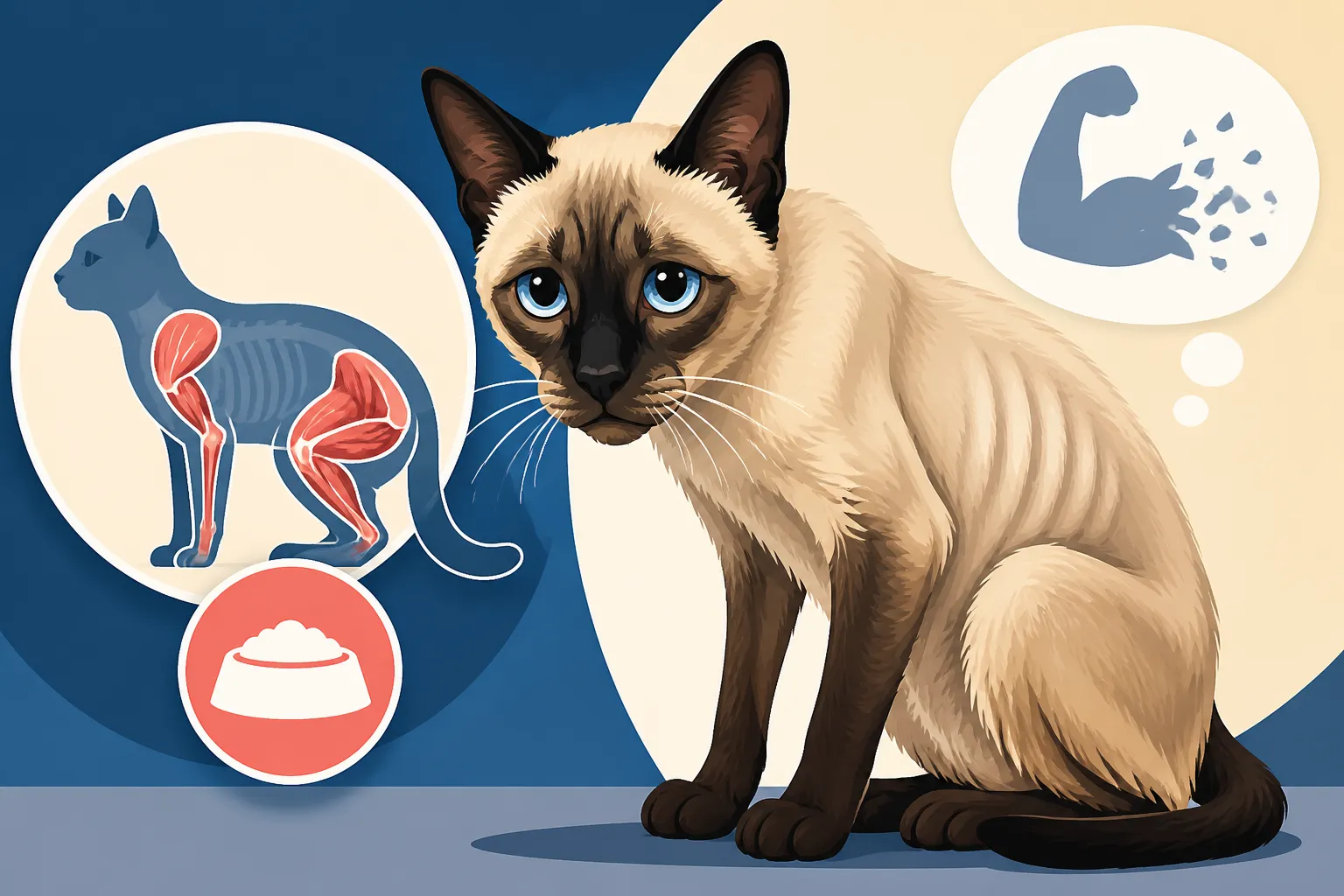
Sarcopenia is essentially age-related muscle wasting. It's a gradual, progressive loss of skeletal muscle mass, strength, and function. For a breed known for its lean, athletic build, like the Siamese, this can become quite noticeable. You might start to feel their prominent spine more easily, or notice their hips feel bonier. Their sleek legs might begin to look a bit thinner. This isn't just about aesthetics; muscle is crucial for mobility, balance, and even protecting internal organs.
This process begins at a cellular level. As cats age, their bodies become less efficient at synthesizing new proteins, which are the building blocks of muscle. At the same time, the rate of muscle protein breakdown might increase. It’s a bit like trying to keep a building standing when the construction crew is working slower and the demolition crew is working faster. Over time, the structure weakens.
Reduced Activity and Its Impact
A significant factor contributing to natural muscle loss in senior Siamese cats is a decrease in their overall activity levels. Think about it: a kitten zooms around the house, climbs curtains, and engages in intense play sessions for hours. An older cat, especially one reaching The Age a Siamese Cat Is Considered Senior, often prefers long naps in sunny spots or quiet cuddles on the sofa. While this slower pace is a normal part of What Changes in a Siamese Cat After Twelve, it means their muscles are simply not being used as vigorously or as often.
Less activity leads to less muscle stimulation, which in turn can lead to atrophy – the shrinking of muscle tissue due to disuse. It's a cycle: less muscle can make movement harder, leading to even less activity, and so on. This isn't to say your senior Siamese needs to go back to scaling bookshelves, but understanding this connection helps us appreciate the importance of gentle, consistent movement in their later years.
Underlying Health Conditions Contributing to Muscle Loss
While some muscle loss is a natural part of aging, it’s absolutely critical to understand that significant or rapid muscle wasting is often a red flag, pointing to an underlying health issue. Siamese cats are known for their resilience, but they are also prone to certain conditions that can severely impact their muscle mass. This is why regular veterinary check-ups are so important, especially for your older companion.
Kidney Disease
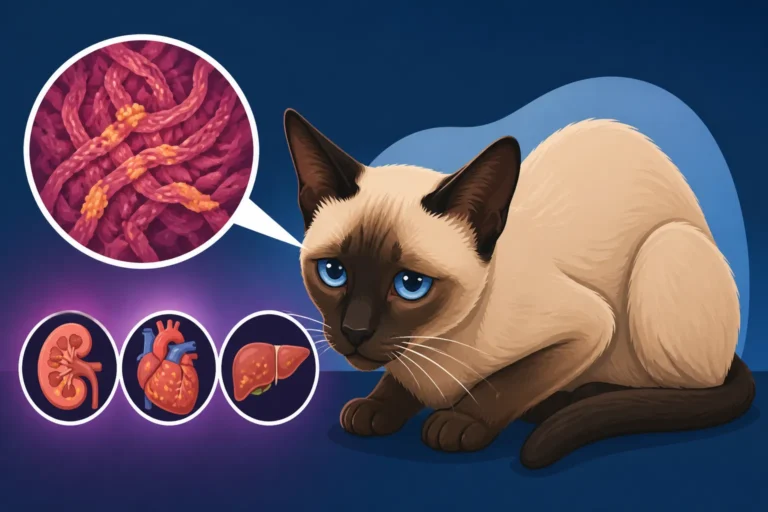
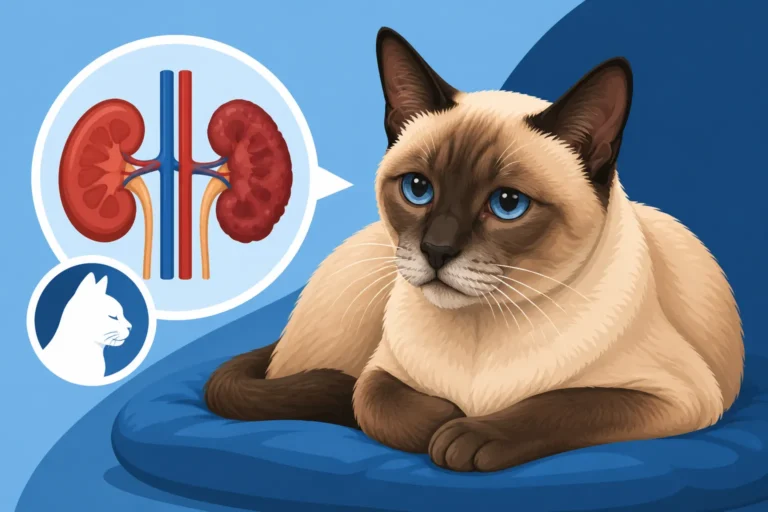
Chronic kidney disease is incredibly common in older cats, including our beloved Siamese. The kidneys play a vital role in filtering waste products from the blood and maintaining fluid balance. When they start to fail, toxins build up in the body, leading to a host of problems. One major consequence is a loss of appetite, which means your cat isn't getting enough protein and calories to maintain their muscle mass.
Furthermore, cats with kidney disease can experience protein loss through their urine, and their bodies may struggle to utilize protein efficiently. This combination often results in noticeable muscle wasting, especially over the back and hindquarters. If your Siamese is showing signs of increased thirst, frequent urination, or a dull coat, alongside muscle loss, a vet visit is paramount to investigate potential Kidney Disease in an Older Siamese Cat. Many insurance providers, like Healthy Paws, offer coverage that can help with the costs of diagnostics and ongoing management for such chronic conditions.
Hyperthyroidism
This is another incredibly common endocrine disorder in older felines that can lead to dramatic muscle loss, often despite a voracious appetite. Hyperthyroidism in an Older Siamese Cat occurs when the thyroid gland produces too much thyroid hormone. This hormone essentially revs up the cat's metabolism to an unhealthy degree. While your Siamese might seem full of energy and constantly hungry, their body is burning through calories and muscle tissue at an accelerated rate.
Owners often report their cat eating constantly, sometimes even begging for food, yet still losing weight and muscle definition. Other signs might include increased thirst, vomiting, diarrhea, restlessness, and a greasy-looking coat. The muscle loss can be quite profound, making the cat feel almost skeletal. A simple blood test can diagnose hyperthyroidism, and effective treatments are available to manage the condition and help your cat regain their muscle mass and quality of life.
Dental Disease and Other Painful Conditions
It might seem indirect, but chronic pain, especially from Dental Disease in a Siamese Cat, can significantly contribute to muscle loss. Imagine trying to eat enough when every bite sends a jolt of pain through your mouth. Cats are masters at hiding pain, but discomfort from severe dental issues can lead to reduced food intake. If they're not eating enough, they're not getting the nutrients required to maintain their muscles.
Beyond dental issues, conditions like osteoarthritis or other chronic pain can also cause muscle wasting. If a joint hurts, your cat will naturally use that limb less. Over time, the muscles supporting that joint will atrophy from disuse. You might notice subtle changes in their gait, reluctance to jump, or even increased irritability. Learning How a Siamese Cat Hides Pain is crucial for early detection. Any persistent discomfort can impact appetite, activity, and overall well-being, leading to a decline in muscle mass.
Cancer and Cachexia
Unfortunately, cancer is a harsh reality for many aging pets. Certain types of cancer can lead to a condition called cachexia, which is a severe form of muscle wasting and weight loss. This isn't just due to a lack of appetite; cancer cells often alter the cat's metabolism, causing the body to break down muscle and fat even when the cat is eating normally.
The body's fight against the disease, along with the increased metabolic demands of the tumor, can deplete the cat's reserves rapidly. While cancer itself is a devastating diagnosis, recognizing cachexia as a symptom allows your vet to address nutritional support and pain management as part of the overall treatment plan. Being aware of Which Cancers a Siamese Cat Gets can help you be vigilant for early signs.
Nutritional and Environmental Factors Affecting Senior Siamese Muscle Mass
Beyond specific medical conditions and the natural aging process, what your Siamese cat eats and how they live can play a huge role in preserving their muscle mass. It's often the small, everyday choices that, over time, make a significant difference to their strength and vitality in their later years.
The Importance of High-Quality Nutrition
As a cat ages, their nutritional needs shift. They might not be running around like they used to, but their body still requires high-quality protein to maintain muscle. In fact, some studies suggest senior cats actually need more protein than younger adults to counteract sarcopenia. The type of protein matters, too; highly digestible animal-based protein is key.
Sometimes, older cats become a bit finicky eaters, perhaps due to a diminished sense of smell or taste, or even comfort issues. They might also struggle to digest food as efficiently. Ensuring they receive a palatable, nutrient-dense diet specifically formulated for senior felines can make a world of difference. This means looking for foods with appropriate calorie levels and a good balance of easily digestible fats and carbohydrates, along with essential vitamins and minerals. Regularly offering wet food can also help with hydration, which is vital for all bodily functions, including muscle health.
Appetite Changes and Hydration
A common frustration for owners of older cats is dealing with fluctuating appetites. Your Siamese might eat well one day and barely touch their food the next. This inconsistency can lead to insufficient calorie and protein intake, directly impacting muscle maintenance. Reasons for decreased appetite can range from mild nausea to oral pain, or simply a reduced drive to eat.
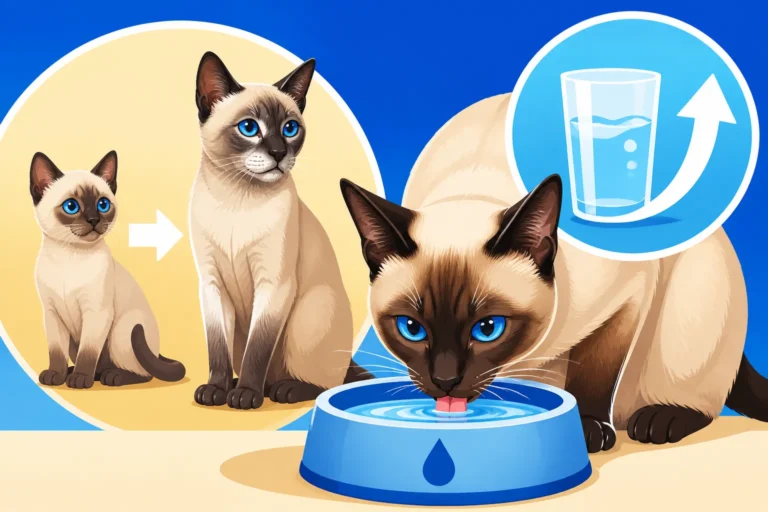
Hydration is another often-overlooked hero in the fight against muscle loss. Muscles are largely composed of water, and dehydration can compound weakness and overall malaise. Many senior cats don't drink enough, especially if they are primarily on dry food. Encouraging water intake through water fountains, adding water or broth to food, or feeding wet food regularly can help. Keeping an eye on Why a Siamese Cat Drinks More With Age can also signal underlying health issues like kidney disease or diabetes.
Maintaining Gentle Activity and a Comfortable Environment
Even if your senior Siamese isn't performing acrobatic feats anymore, keeping them gently active is crucial. Short, low-impact play sessions with a feather wand or a gentle laser pointer can stimulate their muscles and mind. Encouraging them to walk around, even just to different sleeping spots, helps maintain muscle tone and joint flexibility.
The environment also plays a role. As cats age, they might find jumping up to high places more difficult. Providing ramps or steps to their favorite sleeping spots, like the sofa or a sunny windowsill, allows them to access these areas without straining muscles or joints. A comfortable, warm bed, perhaps even a heated bed (When a Siamese Cat Needs a Heated Bed), can encourage relaxation and reduce stiffness, making movement less painful. Reducing stress in their environment also promotes better overall health, which indirectly supports muscle maintenance.
Supporting Your Senior Siamese Through Muscle Loss
It can feel overwhelming to see your beloved Siamese decline, but there are many proactive steps you can take to support them. Early intervention and a compassionate approach are key to ensuring their comfort and preserving their quality of life for as long as possible.
Regular Veterinary Check-ups and Diagnostics
The absolute first step when you notice muscle loss in your senior Siamese is a visit to your veterinarian. Do not delay. What might seem like "just old age" could be a treatable condition. Your vet will conduct a thorough physical exam, feeling for muscle wastage and checking for signs of pain or other issues. They will likely recommend a comprehensive senior blood panel and urinalysis. These tests can reveal underlying conditions like kidney disease, hyperthyroidism, diabetes, or even early indicators of other problems.
Early diagnosis is paramount. For instance, if hyperthyroidism or kidney disease is caught early, management strategies can be implemented that can slow progression and significantly improve your cat's well-being, potentially reversing some muscle loss. Be open with your vet about any changes in appetite, thirst, litter box habits, or behavior. Many comprehensive pet insurance plans, such as those offered by Healthy Paws, can help cover the costs of these essential diagnostic tests and treatments, providing peace of mind during a potentially stressful time.
Dietary Modifications and Supplements
Working with your vet to tailor your Siamese cat's diet is critical. This might involve transitioning to a prescription diet formulated for kidney support or for seniors with specific caloric and protein needs. Some cats may benefit from appetite stimulants if they are not eating enough. For senior cats struggling with muscle mass, your vet might recommend a diet higher in easily digestible protein.
Supplements can also play a role, but always consult your vet before adding anything to your cat's regimen. Omega-3 fatty acids, for example, have anti-inflammatory properties that can help with joint pain, indirectly encouraging movement. L-carnitine is sometimes suggested to support muscle metabolism. Antioxidants can help combat cellular damage associated with aging. The goal is to ensure your cat is receiving optimal nutrition to support their aging body and combat muscle wasting.
Environmental Adjustments and Enrichment
Making your home senior-friendly can dramatically improve your Siamese's quality of life and encourage activity. Provide easy access to litter boxes (perhaps with lower sides), food, and water bowls, especially if they are located on different floors. Consider soft, orthopedic beds for joint comfort, strategically placed in warm, quiet areas. As discussed, ramps or steps can help them reach their favorite elevated spots without painful jumps.
Gentle enrichment is still important for their mental and physical well-being. Continue to engage them in short, calm play sessions that don't overexert them. Puzzle feeders can keep their minds sharp and encourage slow eating. Ensure they have secure, warm places to rest, especially important if you remember Why a Siamese Cat Feels the Cold. Maintaining a consistent routine can also reduce stress, which benefits overall health. Remember, Caring for a Siamese Cat Past Twelve involves a holistic approach to their changing needs.
Monitoring and Long-Term Care
Supporting a senior Siamese with muscle loss is an ongoing process. Regularly monitor their weight and body condition. Your vet can show you how to perform a simple muscle condition score at home. Pay attention to their appetite, water intake, and energy levels. Keep a journal to track any subtle changes, as these details can be invaluable to your vet during subsequent visits.
Consider the long-term commitment, both emotionally and financially. Planning for the potential costs of ongoing care, which might include special diets, medications, or even physical therapy, is wise. While it can be a challenge, watching your Siamese thrive in their later years, despite the inevitable changes, is an incredibly rewarding experience. Understanding their needs and providing attentive care can significantly extend their comfort and the joy you share. The fact is, The Fifteen to Twenty Years a Siamese Cat Gets are precious, and helping them maintain strength is a testament to that bond.
| Factor | Signs of Natural Aging Muscle Loss | Signs of Muscle Loss Due to Illness |
|---|---|---|
| Pace of Onset | Gradual, over months or years. | Often more rapid, noticeable over weeks or a few months. |
| Appetite | May decrease slightly or remain consistent. | Can be greatly reduced (kidney disease, dental pain) or greatly increased (hyperthyroidism). |
| Thirst/Urination | Generally stable, typical for age. | Increased thirst and urination (kidney disease, hyperthyroidism, diabetes). |
| Energy Levels | General slowing down, more rest. | Can be lethargic, weak, or paradoxically hyperactive (hyperthyroidism). |
| Other Symptoms | May have some stiffness, reduced jumping. | Vomiting, diarrhea, coat changes, bad breath, weight loss despite eating, pain on palpation. |
| Body Condition | Symmetrical muscle loss, still somewhat active. | Can be asymmetrical, or very severe overall wasting; may hide pain. |
Disclaimer
This article is for general informational purposes only and does not constitute professional advice. Laws, prices and regulations vary by location and change over time. Consult a qualified professional for guidance on your specific situation.