The Age Mediastinal Lymphoma Hits a Siamese Cat
Finding out your beloved Siamese cat, who should be in the prime of their life, has been diagnosed with a serious illness like mediastinal lymphoma is absolutely heartbreaking and, frankly, enraging. We expect our Meezers to live long, vibrant lives, full of chatty conversations and playful antics. But sometimes, these devastating diseases strike unexpectedly, leaving us reeling. This comprehensive guide is here to shed light on exactly when mediastinal lymphoma typically impacts Siamese cats, helping you understand the common age range for this particular cancer and what that means for prevention and early detection.
Understanding Mediastinal Lymphoma in Siamese Cats
When we talk about cancer in our feline friends, it’s always a difficult conversation, but mediastinal lymphoma in Siamese cats comes with its own unique set of heartaches. This isn't just any cancer; it's one that often targets younger cats, which can be particularly shocking given how long a Siamese cat lives on average.
What is Mediastinal Lymphoma and Why Siamese?
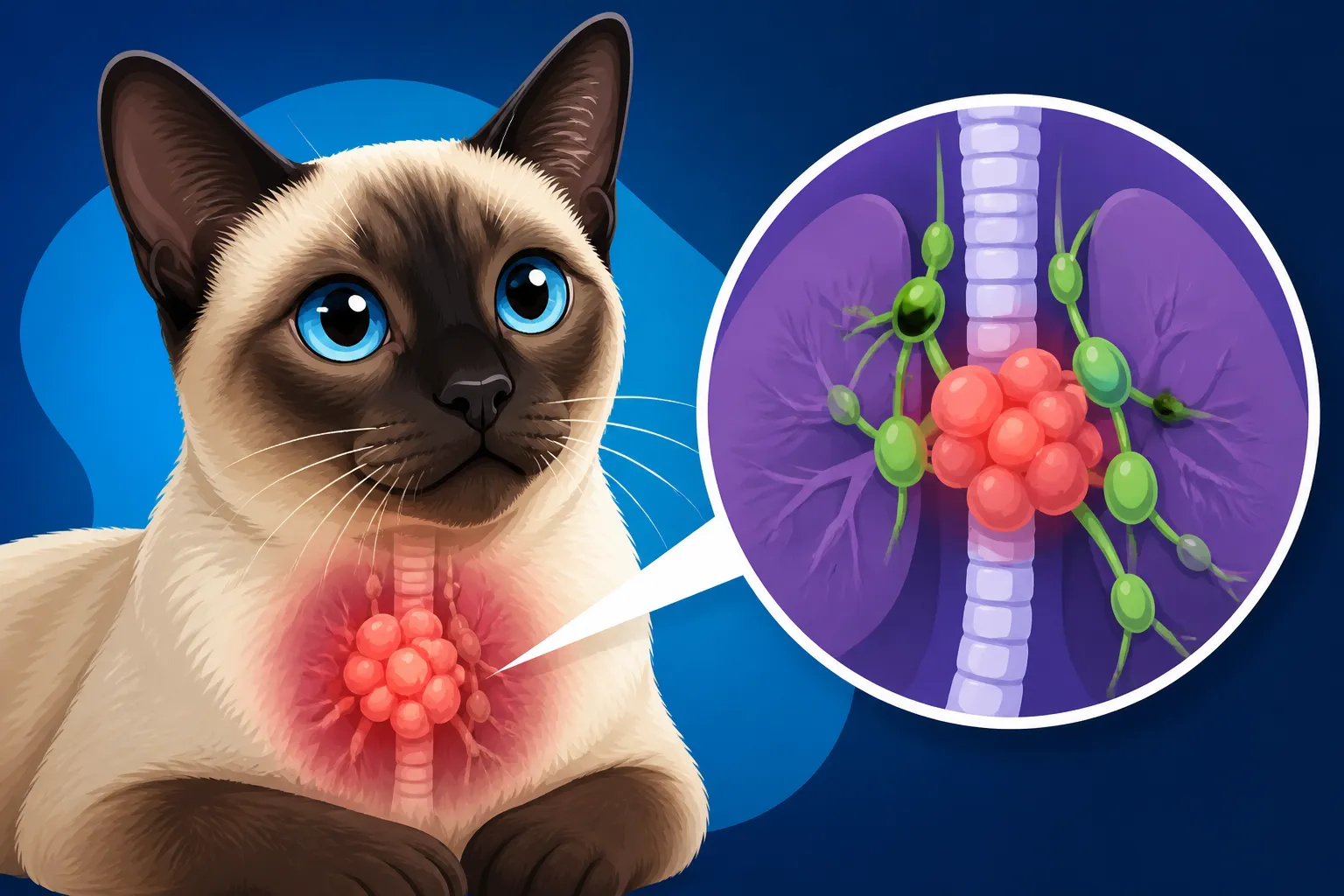
Mediastinal lymphoma is a type of cancer that originates from lymphocytes, a type of white blood cell, and primarily affects the mediastinum – the space in the chest cavity between the lungs, which houses the heart, esophagus, trachea, and lymph nodes. Essentially, a tumor develops in the lymph nodes or thymus gland within this chest region. When this mass grows, it can put immense pressure on vital organs, especially the lungs and trachea, leading to serious respiratory distress.
Now, why Siamese cats specifically? It’s a cruel twist of genetics. Like several other breeds, Siamese cats have a known predisposition to certain types of cancer, and lymphoma, particularly the mediastinal form, is unfortunately one of them. While scientists are still piecing together the exact genetic markers, it’s widely accepted in the veterinary community that Siamese cats carry a higher risk. It’s incredibly frustrating for us owners, because it means we’re often battling against something hardwired into their very being, something that no amount of perfect care can entirely prevent. We just want them to be healthy, vibrant companions, and the knowledge that they might be predisposed to something so severe is a heavy burden.
The Typical Age Range for Diagnosis
This is where the true heartache often lies for Siamese cat owners. Unlike many other cancers that tend to be diseases of old age, mediastinal lymphoma frequently strikes younger Siamese cats. We're talking about cats that are still essentially kittens or young adults, typically falling into the 2 to 4-year-old range. While it can certainly manifest in older cats, and even occasionally in very young kittens, a significant number of diagnoses occur before the age of five.
Imagine adopting a spirited, talkative Siamese kitten, expecting to share the next fifteen to twenty years with them, only to face a cancer diagnosis before they even hit their prime. It's a devastating reality. This predisposition to early onset distinguishes it from other cancers a Siamese cat gets, which might present later in life when you've had many more years of joy with your furry friend. This early onset means that vigilance for subtle signs is paramount, even in seemingly healthy young cats.
Recognizing the Early Signs and Symptoms
Because of the aggressive nature and the typical young age of onset for mediastinal lymphoma in Siamese cats, recognizing the signs early is incredibly important. However, it's a huge challenge because cats are masters at hiding their pain and discomfort, often until a condition is quite advanced.
Subtle Clues That Are Easy to Miss
In the beginning, the symptoms of mediastinal lymphoma can be incredibly subtle, easily mistaken for a minor cold, a hairball, or just a lazy day. You might notice your Siamese cat being a little less enthusiastic about playtime, perhaps sleeping a bit more than usual, or showing a slight decrease in appetite. They might seem a bit withdrawn, or their usual vocal demands might be a little less insistent. These are not glaring red flags in isolation, and it’s natural for us to shrug them off as fleeting moments of feline moodiness. However, when these small changes persist or appear in combination, especially in a young Siamese, they warrant closer attention. It’s so frustrating because you want to catch things early, but your cat is literally wired to hide any weakness. A diligent owner knows that even the smallest change in routine or behavior can be a sign a Siamese cat is unwell.
Progressive Symptoms and Emergency Situations
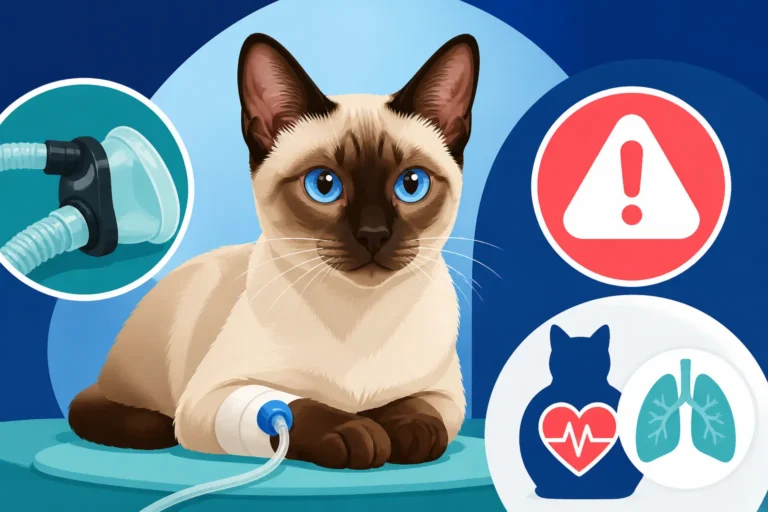
As the tumor grows larger within the chest cavity, the symptoms become far more pronounced and alarming, often progressing to an emergency situation. The most critical symptom is difficulty breathing, medically termed dyspnea. You might notice your cat breathing rapidly, struggling to inhale deeply, or adopting an open-mouthed breathing posture, which is a significant emergency in cats. They might cough frequently, not like a typical hairball cough, but a dry, hacking cough that sounds distressed. This happens because the growing mass is pressing directly on the trachea and lung tissue, restricting air flow and preventing the lungs from fully expanding.
Other signs can include significant weight loss despite eating, or perhaps a completely lost appetite. Your cat might become extremely lethargic, weak, and unwilling to move much. They might even develop a swollen face or neck due to impaired blood flow back to the heart (cranial vena cava syndrome), although this is less common. If you observe any of these severe signs, especially labored breathing, do not wait. This is a veterinary emergency. This type of situation is exactly why pet insurance, like a plan from Healthy Paws, can offer peace of mind, knowing that if your Siamese suddenly develops mediastinal lymphoma signs in a Siamese cat and needs urgent care, you'll be able to focus on their well-being rather than the immediate financial burden.
Diagnosis and Prognosis Considerations
Receiving a diagnosis of mediastinal lymphoma can feel like a punch to the gut, particularly when you’re dealing with a young, otherwise healthy Siamese cat. The path to diagnosis and understanding the prognosis is often an emotional rollercoaster.
The Diagnostic Journey
The diagnostic journey usually begins with a thorough physical examination, where your vet might notice muffled lung sounds, a dullness in the chest during percussion, or even feel a mass if it's large enough. From there, your vet will likely recommend diagnostic imaging. A chest X-ray is often the first step, which can reveal a mass in the mediastinum, fluid around the lungs (pleural effusion), or changes in the lung tissue. If a mass is seen, an ultrasound of the chest provides more detail about the size, location, and characteristics of the tumor, and can also guide a biopsy.
A definitive diagnosis requires a biopsy, which means collecting a tissue sample from the mass and sending it to a pathology lab. This can be done via fine-needle aspirate, a core biopsy, or even surgical removal of a piece of the tumor. Sometimes, fluid analysis if there's pleural effusion can also yield diagnostic cells. The waiting period for these results is excruciating, filled with anxiety and fear. It’s a process that no pet owner wants to go through, but it’s absolutely critical for getting an accurate diagnosis and determining the best course of action. These comprehensive diagnostic tests, while essential, can add up quickly, making pet insurance from providers like Healthy Paws a practical consideration for managing potential costs.
Age, Aggression, and Treatment Outcomes
It’s natural to hope that a younger cat might have a better chance against cancer, but with mediastinal lymphoma, the prognosis can be quite challenging, irrespective of age. The aggressive nature of the cancer often means a guarded prognosis. While treatment, typically chemotherapy, can lead to remission in some cases, it’s often about managing the disease and improving quality of life for a period, rather than a definitive cure.
The treatment protocol, which might involve a multi-drug chemotherapy regimen and sometimes radiation therapy, can be intensive. The survival times vary widely. Some cats may respond well and achieve a longer remission, while others might not respond at all. Factors like the specific type of lymphoma, how far it has spread, and the cat’s overall health at diagnosis all play a role. It’s a harsh reality that even with aggressive treatment, the median survival time for cats with mediastinal lymphoma can be just a few months to a year, though some can live longer. You'll find more detailed information in resources discussing how long a Siamese cat lives after chemotherapy.
To provide a clearer picture, here's a general overview of common cancers and their typical age of onset in Siamese cats:
| Cancer Type | Typical Age Range (Siamese Cats) | Common Organs Affected | Prognosis (General) |
|---|---|---|---|
| Mediastinal Lymphoma | Young adults (2-5 years) | Thymus, Lymph nodes (chest) | Guarded to Poor |
| Lymphoma (other forms) | Variable, often older (6-12+ yrs) | GI tract, Kidneys, Nasal | Variable, depends on type & stage |
| Mammary Tumors | Older females (8-12+ years) | Mammary glands | Guarded; high malignancy |
| Mast Cell Tumors | Variable (any age, but often older) | Skin, Spleen, Intestines | Variable, depends on location |
Living with a Diagnosis and Support for Owners
Receiving a diagnosis of mediastinal lymphoma is undoubtedly one of the hardest things a Siamese cat owner can face, especially with the knowledge that it often hits them so young. The emotional and practical considerations that follow can be overwhelming.
Managing the Disease and Quality of Life
If your Siamese cat is diagnosed, your veterinary team will work with you to create a treatment plan. This almost always involves chemotherapy, which aims to shrink the tumor and put the cancer into remission. Steroids, such as prednisone, are also frequently used, sometimes alone for palliative care, or in conjunction with chemotherapy. The goal of treatment is not always a cure, but often to prolong life and maintain a good quality of life for as long as possible. This means managing side effects of treatment, ensuring comfort, and keeping their pain at bay. For example, a cat struggling to breathe might receive diuretics to reduce fluid around the lungs, making them more comfortable.
It’s a delicate balance, deciding how much intervention is too much, especially when dealing with an energetic, talkative breed like the Siamese. You want to give them every chance, but you also don't want to compromise their comfort and happiness. Open communication with your vet is crucial in these discussions, ensuring you understand the pros and cons of each treatment option and how it might impact your beloved cat's daily life. You might find yourself delving into resources like "How Siamese Cat Lymphoma Is Treated" to understand all your options.
Emotional and Financial Support
Beyond the medical treatments, managing a diagnosis like mediastinal lymphoma takes a huge toll on owners, both emotionally and financially. The emotional burden of watching your young cat battle such a serious illness is immense. It's perfectly normal to feel grief, anger, sadness, and even guilt. Seek support from friends, family, or even online communities of pet owners who have faced similar challenges. You are not alone in this heartbreaking journey.
Financially, the costs associated with diagnosing and treating cancer can be staggering. From initial diagnostics like X-rays and ultrasounds to ongoing chemotherapy sessions, medications, and supportive care, the bills can quickly add up. This is where having pet insurance can truly be a lifeline. A reputable company like Healthy Paws can reimburse a significant portion of eligible veterinary expenses, allowing you to make treatment decisions based on what’s best for your cat, rather than solely on your budget. It's a critical safety net that many owners wish they had before an unexpected diagnosis hits. When considering the lifetime costs, from what a Siamese cat costs to buy in 2026 to what a Siamese cat costs over twenty years, the potential for high medical bills is one of the most unpredictable variables.
Disclaimer
This article is intended for informational purposes only and does not constitute veterinary advice. Always consult with a qualified veterinarian for any health concerns or before making any decisions about your pet's health or treatment.