Why an rdAc Result Is Unreliable in a Siamese Cat
It's incredibly frustrating when you're trying to do everything right for your beloved Siamese cat, especially when it comes to their health. You hear about genetic tests for common inherited conditions like Progressive Retinal Atrophy (PRA), and naturally, you want to ensure your feline friend is in the clear or at least understand any potential risks. But then you stumble upon information that suggests a seemingly straightforward test, like the rdAc DNA test, might not be reliable for your Siamese. This guide is here to unravel that confusion, explaining why the rdAc result can be misleading for Siamese cats and what truly effective steps you can take to monitor their eye health.
Understanding Progressive Retinal Atrophy (PRA) in Cats
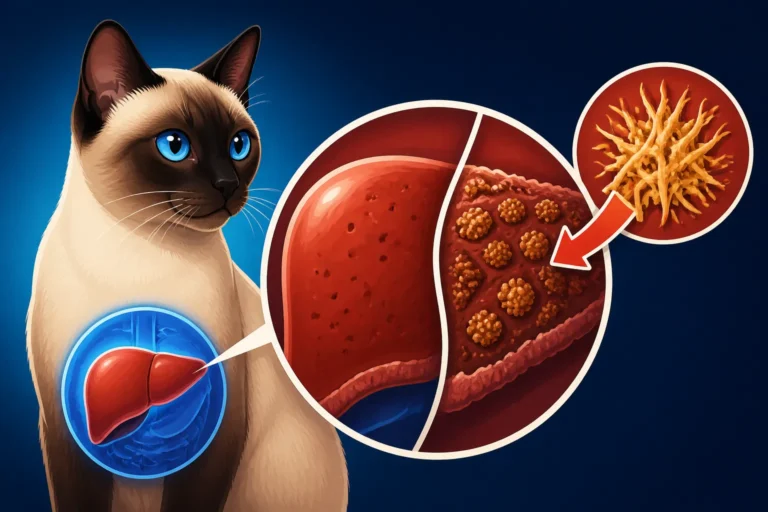
Progressive Retinal Atrophy, often abbreviated as PRA, is a term that strikes fear into the hearts of many cat owners. It's a group of inherited eye diseases that affect the retina, the light-sensitive tissue at the back of the eye. Essentially, it causes the cells in the retina to degenerate over time, leading to progressive vision loss and, ultimately, blindness. It's a condition that can be heartbreaking to witness, watching your once agile and perceptive cat slowly lose their ability to navigate their world with the same confidence.
The Different Forms of PRA in Felines
It's important to understand that PRA isn't just one single disease; it's a blanket term for several different genetic mutations, each leading to a similar outcome. Think of it like a family of related illnesses, all affecting the retina but caused by distinct genetic glitches. These different forms are often categorized by the specific gene mutation responsible and the breed it typically affects. For instance, some forms might primarily impact the rods (responsible for night vision) first, while others might affect cones (responsible for day vision and color perception) or both simultaneously.
Some forms of PRA are considered early-onset, meaning kittens can show signs of vision impairment very young, sometimes even by 6-8 weeks of age. Other forms are late-onset, where symptoms might not become apparent until a cat is middle-aged or even a senior. This variability is one of the reasons diagnosis can be tricky and why a "one-size-fits-all" genetic test often fails. The complexities of these genetic variations highlight why understanding What PRA Does to a Siamese Cat's Sight is so crucial for owners.
How Genetic Testing Works for Inherited Diseases
Genetic testing, in theory, is a wonderful tool. It works by analyzing a cat's DNA, usually from a simple cheek swab or blood sample, to identify specific mutations known to cause inherited diseases. For many conditions, if a particular gene mutation is consistently linked to the disease in a breed, a genetic test can confirm if a cat is clear, a carrier (meaning they carry one copy of the mutated gene but don't show symptoms, though they can pass it on), or affected (meaning they have two copies and will likely develop the disease). This kind of testing has revolutionized breeding programs for many species, allowing responsible breeders to make informed decisions to reduce the incidence of genetic diseases.
The hope with genetic testing is to prevent affected kittens from being born by screening parents. However, the reliability of a genetic test hinges entirely on how well scientists understand the specific genetic mutation within that particular breed. If the wrong gene is tested, or if a breed has multiple causes for the same clinical condition, then the test becomes less, or even completely, unreliable. This is exactly where the story of the rdAc test and the Siamese cat begins to diverge.
The Specifics of the rdAc Mutation and its Discovery
The rdAc mutation is a well-known genetic defect associated with a form of PRA, but its history and applicability to all breeds need careful examination. When it comes to specific genetic health concerns, it's always worth asking Which Health Tests a Siamese Cat Breeder Runs to understand their commitment to genetic screening.
What Is the rdAc Mutation?
The rdAc mutation (which stands for 'rod-cone dysplasia, allele C') is a specific genetic defect found in the CEP290 gene. This gene provides instructions for making a protein that is crucial for the proper function of cilia, which are tiny, hair-like structures found on cells. In the eye, cilia in the photoreceptor cells (rods and cones) are vital for converting light into electrical signals that the brain can interpret as vision. When the CEP290 gene has the rdAc mutation, these cilia don't develop or function correctly, leading to the progressive degeneration of the rods and cones, hence the "rod-cone dysplasia."
This particular mutation causes an early-onset form of PRA. Cats affected by rdAc typically start showing signs of night blindness very early in life, often within the first few months, and their vision continues to deteriorate until they are completely blind, usually by the age of 3 to 5 years. It's a severe and fast-progressing form of the disease.
Why It Was Initially Linked to Siamese PRA
The rdAc mutation was initially identified and widely recognized as a cause of PRA in several cat breeds, particularly the Abyssinian and Somali, and subsequently found in various other breeds and mixed-breed cats. Because the Siamese cat breed has a history of inherited eye conditions, and because PRA is a concern across many pedigreed cats, it was a logical step for researchers and breeders to investigate whether the rdAc mutation was also responsible for PRA observed in Siamese cats.
Early studies and genetic tests were developed based on the understanding of this mutation, and for a time, it was thought that the rdAc test would be a valuable tool for screening Siamese cats for PRA. Breeders, keen to eliminate inherited diseases from their lines, adopted this test with good intentions, hoping to make informed breeding choices. The promise of a simple DNA test to prevent a devastating genetic disease was, understandably, very appealing to anyone dedicated to the health of their cats. However, as more research emerged and broader populations of Siamese cats were tested and monitored, a different picture began to form.
Why the rdAc Test Falls Short for Siamese Cats
Despite the initial optimism, the rdAc DNA test has proven to be an unreliable indicator for PRA in Siamese cats. This isn't to say the mutation doesn't exist in some Siamese lines, but rather that it doesn't correlate with the primary forms of PRA seen in the breed. Understanding this distinction is key to making informed decisions about your cat's health. You might find it useful to explore Whether the CEP290 Test Covers Siamese Cats for more context.
The Lack of Correlation in Siamese Populations
The primary issue with the rdAc test for Siamese cats is a significant lack of correlation between a positive test result and the actual development of PRA symptoms in the breed. In other breeds where rdAc is the causative mutation, if a cat tests as "affected" (homozygous for the mutation), it will almost certainly develop PRA. If it tests as a "carrier" (heterozygous), it won't develop the disease but can pass it on. This clear cause-and-effect relationship is what makes a genetic test reliable.
However, in Siamese cats, a large number of individuals who tested positive for the rdAc mutation, even as "affected," never actually developed PRA or showed any clinical signs of vision impairment. Conversely, some Siamese cats did develop PRA symptoms, but they tested negative for the rdAc mutation. This inconsistency strongly indicated that while the rdAc mutation might occasionally pop up in a Siamese cat's genetic profile, it is simply not the primary, or even a significant, genetic cause for PRA within the breed itself. This creates immense confusion for owners and breeders who rely on these tests for accurate information. If a test tells you your cat is at high risk, but they live a full life with perfect vision, it makes the test itself questionable.
The Prevalence of Other PRA Genes in Siamese
The reason for this lack of correlation is quite simple: Siamese cats, like many breeds, are prone to other forms of PRA caused by different genetic mutations. Researchers have found that the specific genetic defect responsible for the majority of PRA cases in Siamese cats is not the rdAc mutation. Instead, it's often linked to a mutation in a different gene or a complex interplay of multiple genes that are still being fully elucidated. This means that while labs were testing for rdAc, they were essentially looking for the wrong culprit when it came to the common forms of PRA in Siamese cats.
This phenomenon isn't unique to Siamese cats. Many breeds have multiple genetic diseases that can present with similar symptoms, and each disease requires its own specific genetic test. The existence of these other, more prevalent PRA genes within the Siamese population means that even if a Siamese cat tests clear for rdAc, it could still be a carrier or affected by another, yet-to-be-identified or less commonly tested, form of PRA. This is why a good pet insurance plan, such as one from Healthy Paws, is so valuable, covering unexpected diagnostic costs even when genetic tests aren't definitive. It highlights the importance of comprehensive screening, which is also a major topic when considering What a Siamese Cat Breeder Should Have Screened.
Clinical Signs vs. Genetic Test Results
When a genetic test proves unreliable, the emphasis shifts back to clinical observation and veterinary diagnosis. For Siamese cats, this means that even if an rdAc test comes back negative, a cat showing any signs of vision loss – clumsiness in the dark, dilated pupils in normal light, bumping into furniture, or changes in eye appearance – should be immediately evaluated by a veterinary ophthalmologist. The clinical signs observed by a specialist will always trump a DNA test that has been shown to be inaccurate for the breed.
This situation creates a challenging dynamic for both owners and veterinarians. It means you can't rely solely on a DNA test kit bought online or sent in by a breeder if that test is specifically for rdAc. Instead, you need to be vigilant about observing your cat's behavior and vision, and be prepared to seek out a specialist for a definitive diagnosis. It underscores the critical role of regular veterinary check-ups and open communication with your vet about any concerns you might have regarding your cat's vision.
Alternative and More Reliable Screening Methods
Given the unreliability of the rdAc test for Siamese cats, responsible owners and breeders need to look towards alternative and more accurate methods for screening and diagnosing PRA. This usually involves a combination of specialized veterinary care and diligent record-keeping. It's essential to understand that early detection and management can greatly impact the quality of life for your cat, as discussed in The Age a Siamese Cat With PRA Goes Blind.
The Importance of Ophthalmic Exams
When it comes to PRA in Siamese cats, the gold standard for diagnosis remains a comprehensive ophthalmic examination performed by a board-certified veterinary ophthalmologist. These specialists have the equipment and expertise to thoroughly evaluate the health of your cat's eyes, including the retina. An electroretinogram (ERG) is a particularly powerful diagnostic tool. This test measures the electrical responses of the light-sensitive cells in the eye (rods and cones) to light stimulation. It can detect retinal degeneration even before a cat shows obvious signs of vision loss, and it can help determine the type and severity of PRA.
During a detailed eye exam, the ophthalmologist will dilate your cat's pupils to get a clear view of the retina. They will look for changes such as retinal thinning, blood vessel attenuation, and hyperreflectivity of the tapetum lucidum (the reflective layer behind the retina), which are all hallmarks of PRA. Unlike a genetic test for the wrong gene, an ERG and a thorough physical eye exam provide direct evidence of retinal function and health. The costs associated with such specialized exams and potential treatments can be significant, so having pet insurance from a reliable provider like Healthy Paws can provide much-needed financial relief, ensuring your cat gets the best care without undue stress on your wallet. This hands-on, expert evaluation is truly How a Vet Confirms PRA in a Siamese Cat, offering far more certainty than an inappropriate DNA test.
The Role of Responsible Breeding and Pedigree Analysis
For breeders, navigating the complexities of PRA in Siamese cats without a definitive genetic test for the specific Siamese form requires a multi-pronged approach rooted in responsible breeding practices. This involves:
- Mandatory Ophthalmic Screening: All breeding cats should undergo regular, comprehensive ophthalmic examinations by a board-certified veterinary ophthalmologist. These exams should be done annually, or at least every other year, and results should be certified by organizations like the Orthopedic Foundation for Animals (OFA) or the British Veterinary Association (BVA) Eye Scheme. This helps ensure that only cats with clear vision and healthy retinas are used for breeding.
- Pedigree and Health History Analysis: Responsible breeders meticulously track the health history of their breeding lines, looking for any incidence of PRA or unexplained blindness in ancestors, siblings, or offspring. If PRA appears in a line, even without a known genetic test, those cats and their close relatives should ideally be removed from the breeding program to prevent further spread. Understanding family health trends is paramount.
- Open Communication: Transparency between breeders is vital. Sharing information about health issues that arise in offspring helps build a clearer picture of genetic predispositions within the breed.
- Avoiding Inappropriate Tests: Educating prospective owners about the limitations of tests like rdAc for Siamese cats is also a critical part of ethical breeding. Instead of offering an unreliable test, breeders should emphasize their reliance on veterinary ophthalmologist clearances.
By combining these methods, breeders can work towards minimizing the incidence of PRA in Siamese cats, even in the absence of a perfectly tailored DNA test for every specific mutation. It's a testament to the dedication required in preserving the health of these magnificent felines.
| Diagnostic Method | Applicability for Siamese PRA | Advantages | Disadvantages | Cost (Approx. in USD) |
|---|---|---|---|---|
| rdAc DNA Test | Unreliable/Not Recommended | Simple cheek swab | Does not target the primary PRA gene in Siamese | $60 – $100 |
| Veterinary Ophthalmic Exam | Reliable & Essential | Non-invasive, identifies current eye health | Requires specialist, may not detect early subtle changes | $150 – $300 (per exam) |
| Electroretinogram (ERG) | Highly Reliable | Detects retinal function early, definitive diagnosis | Requires sedation, specialized equipment, specialist | $400 – $800 |
| Pedigree Analysis | Supportive Tool | Helps identify patterns, informed breeding decisions | Relies on accurate record-keeping, no direct diagnosis | Low (time-based) |
Remember, while a basic veterinary check-up is always important, for definitive answers about PRA, especially in a breed with complex genetic predispositions like the Siamese, seeking out a board-certified veterinary ophthalmologist is always the best course of action. You also might want to consider How Common PRA Is in Siamese Cats for a broader perspective on the condition.
Disclaimer
The information provided in this guide is for general educational purposes only and should not be considered a substitute for professional veterinary advice. Always consult with a qualified veterinarian or veterinary specialist for any health concerns or before making any decisions related to your pet's health and treatment.