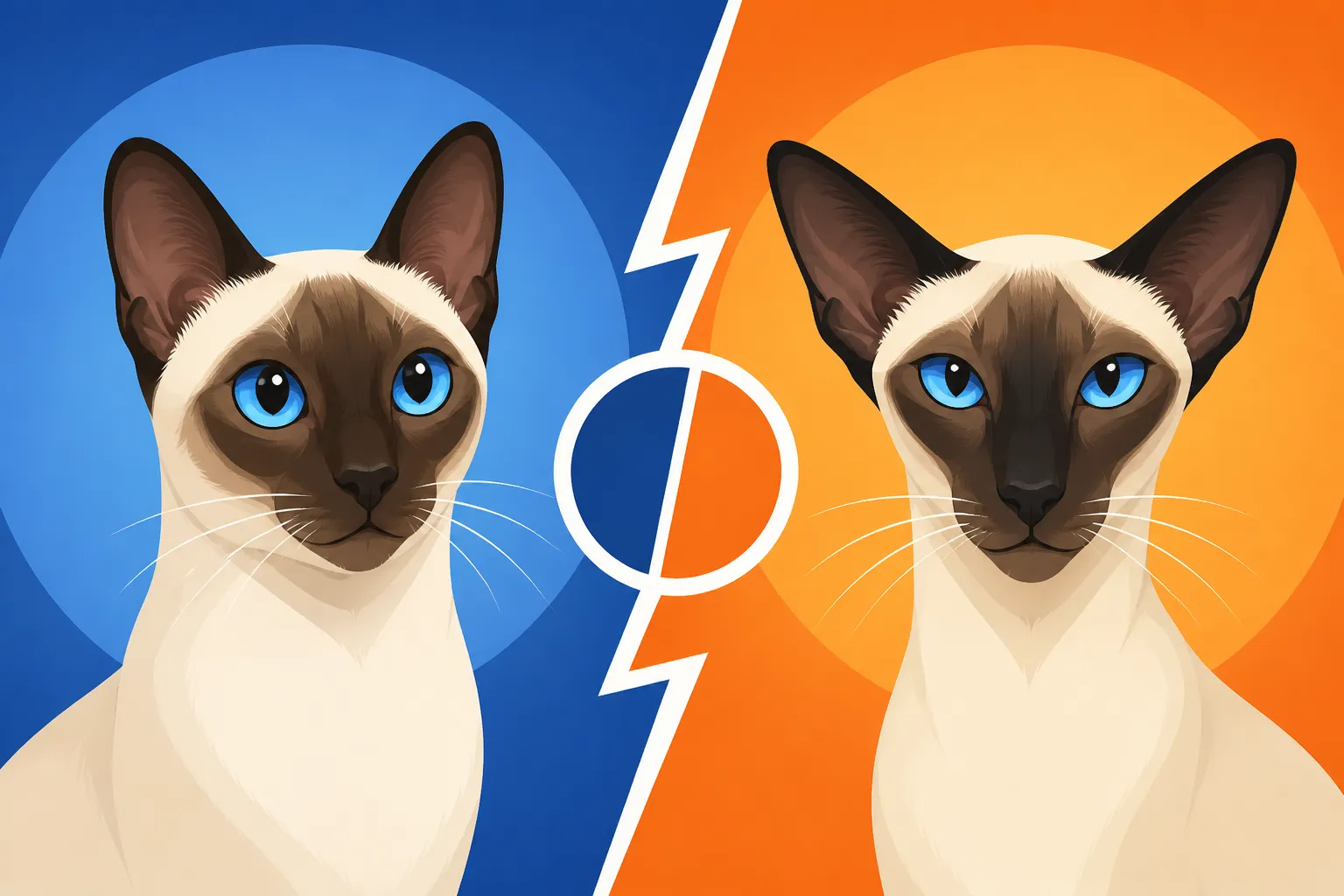
Applehead and Wedge Siamese Cats Are Two Markets
It can be incredibly confusing when you start looking for a Siamese cat and realize there isn't just one "look" out there, but rather two very distinct types often referred to as "Applehead" and "Wedge." Many prospective owners get frustrated by conflicting information, differing prices, and breeders who seem to speak a different language. This guide aims to demystify these two forms of the beloved Siamese, explaining their origins, physical differences, temperaments, and, crucially, how these distinctions create two separate markets with varying costs and considerations for you as a future owner.
Understanding the Siamese Cat's Evolving Appearance
The Siamese cat, with its striking color points and captivating blue eyes, has a long and storied history, originally hailing from the ancient kingdom of Siam (modern-day Thailand). However, its appearance hasn't remained static over the centuries, especially as it moved from its native land to Western show halls. This evolution has led to the emergence of what we now recognize as the traditional "Applehead" type and the more modern "Wedge" type, each representing a different chapter in the breed's development.
The Traditional "Applehead" Siamese Cat
Imagine the Siamese cats of old, the ones seen in antique photographs or early illustrations. These cats often possessed a more robust, rounded appearance, with a distinct "apple" or roundish head shape, sturdy bodies, and full cheeks. Their ears were typically medium-sized, proportionate to their head, and their tails were a comfortable length, not excessively long or whip-like. This original phenotype is what many enthusiasts refer to as the "traditional" or "classic" Siamese, and sometimes affectionately as the "Applehead" Siamese cat.
This traditional look was the standard for decades after the breed first arrived in the West in the late 19th and early 20th centuries. These cats were known for their intelligent eyes, expressive voices, and affectionate natures, capturing the hearts of many. They embodied the charm and mystique of their royal origins without the extreme features that would later come to define the show ring. When people talk about what the breed was like historically, they are often describing this more moderate, well-balanced build.
Even today, many breeders and owners prefer this more classic aesthetic, finding it to be a truer representation of the breed's heritage before selective breeding pushed towards more extreme features. There's a strong belief among some that these cats also tend to have a generally robust constitution, less prone to certain delicate issues, though this is a point of ongoing discussion. You might hear people refer to them as "old-style" Siamese cats, a nod to their connection to the breed's foundational look. For more on the breed's origins, you might enjoy reading about The Siamese Cat Came From Siam, Not Thailand.
The Development of the "Wedge" Siamese Cat
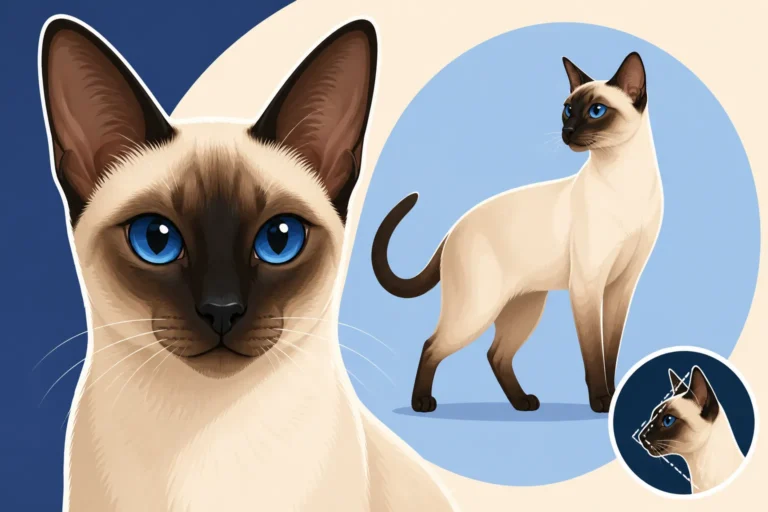
As the Siamese cat gained popularity in Western cat fancy organizations, breeders began to refine the breed's appearance through selective breeding. Over several decades, particularly from the mid-20th century onwards, the preference in the show ring shifted towards a more elongated, slender, and angular aesthetic. This led to the development of the "Wedge" Siamese cat, characterized by its distinctly triangular head, large, widely set ears that follow the lines of the wedge, and a long, svelte body with fine bones.
The "wedge" refers directly to the head shape, which starts narrow at the muzzle and gradually widens to the ears, forming a distinct triangle. This extreme refinement was driven by show standards that emphasized elegance and a dramatic, almost ethereal appearance. Every feature, from the almond-shaped, slanting eyes to the long, tapering tail, was selected to enhance this lean, athletic silhouette. This transformation is a fascinating part of the breed's history, highlighting How the Siamese Cat's Head Changed Shape in Fifty Years.
While undeniably striking and beautiful, this intense focus on specific physical traits has sometimes sparked debate among cat lovers regarding health and temperament. The modern Wedge Siamese cat is the epitome of the show-bred feline, designed to excel under the scrutinizing eye of judges. Their delicate build and intense expression are hallmarks of this contemporary interpretation of the breed, a far cry from the more rounded ancestors that first enchanted the Western world.
The Distinctive Features of Each Type
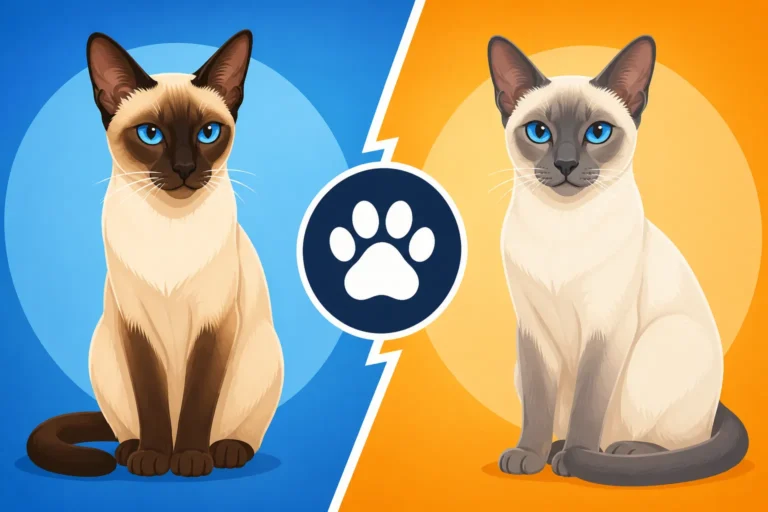
When you look at an Applehead and a Wedge Siamese cat side-by-side, the differences are immediately apparent. It's not just a subtle variation; they are visually quite distinct, almost looking like different breeds to an untrained eye. Understanding these distinctions goes beyond aesthetics, as they can also influence perceived temperament and health discussions.
Applehead Characteristics and Temperament
The Applehead Siamese, as its name suggests, is recognizable by its rounded or apple-shaped head, which is broader between the ears and tapers gently to a medium-length muzzle. Their profile is usually softer, with a slight dip at the nose rather than a straight line. Their ears are typically medium-sized, set higher on the head, and proportionate to their overall head size, giving them a less "bat-eared" appearance than their modern counterparts. Their body is generally more robust, muscular, and "cobby" in build, often described as having a stockier frame. They typically have a normal, non-whip-like tail and generally weigh a bit more, appearing less delicate. If you want to see a clear visual, check out What an Applehead Siamese Cat Looks Like.
In terms of temperament, many enthusiasts of the Applehead type report that these cats often retain the classic "Meezer" personality – intelligent, vocal, playful, and deeply affectionate – but with a generally more laid-back or less intensely "wired" disposition compared to some of the more extreme Wedge types. They are still highly interactive and demanding of attention, thriving on companionship and conversation. They might be perceived as a bit more adaptable to various household dynamics and generally very robust in health. Their strong, sturdy build contributes to an impression of resilience and an easier-going nature, though individual personalities will always vary wildly from cat to cat.
These cats are often cherished for their "old-fashioned" charm and comforting presence. They love to be involved in family activities, whether it's "helping" with chores or simply curling up on your lap for a long nap. Their voices are still famously distinct, ranging from chirps to a full-throated yowl, and they will certainly let you know their opinions on everything from meal times to the quality of your petting. They are loyal companions who form strong bonds with their human families and offer years of lively engagement.
Wedge Siamese Cat Features and Personality Traits
The Wedge Siamese cat, conversely, presents a much more angular and refined silhouette. Their head is an unmistakable wedge shape, starting narrow at the muzzle and flaring out in a straight line to their large, broad-based ears. When viewed from the side, their profile should be straight from the top of their head to the tip of their nose, without any dips or breaks. Their eyes are typically almond-shaped and slant towards the nose, enhancing the angular aesthetic. Their bodies are long, svelte, and tubular, with fine bones and long, slender legs, culminating in a long, whip-like tail. This elegant, almost aristocratic appearance is exactly What a Modern Wedge Siamese Cat Looks Like.
Temperamentally, Wedge Siamese cats are often described as intensely intelligent, highly active, and exceptionally vocal. Their energy levels can be quite high, requiring significant mental and physical stimulation to prevent boredom. They are incredibly people-oriented and can be quite demanding of attention, sometimes to the point of being perceived as clingy or needy. Their famous "Meezer yowl" can be incredibly loud and insistent, reflecting their strong desire to communicate and be involved in everything you do. Many owners cherish this intense connection and playful nature, finding them endlessly entertaining and engaging.
However, this high-energy, demanding personality isn't for everyone. They thrive on constant interaction and can become bored or stressed if left alone for long periods, potentially leading to behavioral issues. They are often described as "dog-like" in their loyalty and desire to follow their humans everywhere. Despite their delicate appearance, they can be surprisingly agile and athletic, enjoying climbing and exploring. Their keen intelligence means they often learn tricks quickly and can even figure out how to open doors or cupboards, making them a wonderfully challenging companion for the right owner.
| Feature | Applehead Siamese Cat | Wedge Siamese Cat |
|---|---|---|
| Head Shape | Rounded, "apple" shape, broad between ears | Distinct wedge (triangle) from nose to ears |
| Muzzle/Profile | Medium length, softer profile, slight nose dip | Fine muzzle, straight profile from forehead to nose |
| Ears | Medium size, proportionate, set higher | Large, wide at base, follow wedge lines, widely set |
| Body Build | Stocky, muscular, "cobby," robust | Long, slender, tubular, fine-boned, graceful |
| Legs & Paws | Sturdy, proportionate | Long, slender, delicate paws |
| Tail | Medium length, normal taper | Long, thin, whip-like |
| Eye Shape | More rounded, less slanted | Almond-shaped, slanted towards the nose |
| Weight | Generally heavier, more substantial | Lighter, very lean |
| Temperament | Vocal, intelligent, affectionate, often more relaxed | Highly vocal, intensely intelligent, very active, demanding |
| Common Name(s) | Traditional, Classic, Old-Style | Modern, Show-Type |
Why Two Markets Emerged for Siamese Cats
The split into distinct "Applehead" and "Wedge" markets wasn't a sudden event, but rather a gradual divergence driven by evolving preferences within the cat fancy and among the general pet-owning public. It's a classic example of how selective breeding, guided by show standards, can dramatically alter a breed's appearance, and how that, in turn, influences consumer demand and pricing.
Show Standards and Breeder Preferences
The primary catalyst for the development of the Wedge Siamese was the changing aesthetic in official cat show standards. As cat fancy associations solidified, they began to write detailed descriptions of the "ideal" Siamese cat, and over time, these standards increasingly favored a more extreme, elongated look. Judges rewarded cats that exhibited the finest bone structure, the most angular heads, the largest ears, and the most svelte bodies. This emphasis on refinement pushed breeders to select for these traits, gradually intensifying the "wedge" characteristics with each generation. This quest for the perfect show cat created a distinct market for these highly specialized animals.
Breeders committed to the show ring invested heavily in lines that consistently produced these winning traits. This included careful genetic planning, sometimes importing cats from other regions to enhance desired features, and dedicating considerable resources to campaigning their cats in shows. This intense focus on conformation to a specific standard means that kittens from champion lines, exhibiting strong wedge features, naturally command higher prices. It's not just about the look; it's about the investment in breeding, showing, and the prestige associated with award-winning lineage, which contributes to Why Show Demand Drives the Wedge Siamese Cat Price. For breeders, adherence to What the Siamese Cat Standard Asks For is paramount, and they are striving to produce cats that fit that mold.
This dedication to the show standard meant that cats with the more traditional, rounded features were increasingly marginalized within the competitive cat fancy. While still beautiful and undeniably Siamese, they simply didn't fit the evolving criteria for top honors. As a result, many traditional breeders found their niche catering to pet owners who preferred the older style, or who were simply looking for a healthy, affectionate companion without the emphasis on extreme conformation. This divergence created a clear divide in the breeding world, leading to two distinct populations of Siamese cats.
Pet Owner Demand and Traditional Appeal
While the show world embraced the wedge, a significant portion of the pet-owning public continued to appreciate, and actively seek out, the more traditional "Applehead" or "classic" Siamese. Many people were drawn to the original, less extreme look, perhaps remembering Siamese cats from their childhood or preferring a more robust, less delicate-looking feline. There was a sentiment that the traditional Siamese offered a balance of charm, personality, and physical hardiness that resonated more with general pet ownership rather than competitive showing.
This consistent demand for the traditional type meant that breeders who continued to produce Applehead Siamese cats found a ready market. These breeders often prioritized temperament, health, and the classic aesthetic over adherence to the modern show standard. As such, these cats are often sold exclusively as pets, without the added cost associated with show potential or champion bloodlines. This creates a market where, generally speaking, Why Applehead Siamese Cat Breeders Charge Less is a common observation, making them more accessible to a wider range of families looking for a Siamese companion.
Ultimately, the existence of two distinct markets reflects the diverse preferences of cat lovers. Some are captivated by the striking, elegant lines of the Wedge Siamese and appreciate the dedication required to achieve such a refined look. Others are drawn to the nostalgic appeal and sturdy charm of the Applehead, valuing the historical connection and often the perceived robust health. Both types offer the distinctive Siamese personality, but in a slightly different package, allowing prospective owners to choose the cat that best fits their personal aesthetic and lifestyle preferences. In some ways, this means that Whether the Traditional Siamese Cat Still Exists is not only true, but thriving in its own dedicated sphere.
Cost Implications: Why Prices Differ
When you start researching the cost of a Siamese cat, you'll quickly notice a significant price range, and a large part of this variation is directly tied to whether you're looking at an Applehead or a Wedge type. It's not just a matter of preference; the breeding goals, market demand, and associated expenses for breeders differ considerably, impacting the final price you pay for your kitten.
Pricing Factors for Wedge Siamese Cats
Wedge Siamese cats, especially those from reputable breeders focused on show lines, generally command a higher price. This is due to several factors. Firstly, the intense selective breeding required to produce a cat that consistently meets the stringent show standards is a costly endeavor. Breeders invest in top-quality breeding stock, often importing cats, and participate in cat shows, which involve entry fees, travel, grooming, and time. These are not inexpensive hobbies or businesses. The prestige of champion titles in a cat's pedigree also adds value, as it signifies proven adherence to the breed standard.
Secondly, health screening for breeding cats is a crucial, though sometimes overlooked, cost component. Reputable breeders of Wedge Siamese cats will typically perform various health tests on their breeding stock to ensure they are not passing on hereditary conditions. While there isn't a DNA test for Siamese cat amyloidosis, responsible breeders track family health history. They might also screen for things like progressive retinal atrophy (PRA), which can also involve eye exams performed by a veterinary ophthalmologist. These screenings add to the breeder's overhead. When considering What a Siamese Cat Kitten Costs From a Breeder, these behind-the-scenes expenses are factored in.
Finally, the demand for "show quality" or "pet quality" Wedge Siamese kittens is often high, particularly for those with desirable point colors or impeccable pedigrees. Breeders dedicated to the modern type often have waiting lists, and their prices reflect the labor, expertise, and ongoing care invested in producing these highly sought-after animals. You're not just buying a cat; you're buying into a lineage and a standard of breeding that comes with a significant financial commitment.
Pricing for Applehead or Traditional Siamese Cats
Applehead or traditional Siamese cats tend to be more affordably priced than their Wedge counterparts, primarily because their breeders are generally not focused on competing in the modern show ring. While still purebred Siamese cats, their conformation does not align with the current extreme show standards, thus removing a large component of the cost structure. These breeders often prioritize breeding for robust health, excellent temperament, and the classic look that many pet owners adore, rather than show titles.
The overhead for traditional breeders, while still substantial due to quality care, food, and routine veterinary visits, typically doesn't include the extensive show circuit expenses. Health screening is still paramount, and good Applehead breeders will also track lineage and perform relevant tests. However, the absence of the "show premium" allows for a lower price point. When you consider Why Applehead Siamese Cat Breeders Charge Less, it’s often because their breeding program focuses on maintaining the original look and temperament for pet homes, rather than competing against the current show aesthetic.
It's important to understand that a lower price for an Applehead Siamese does not necessarily indicate a lesser quality cat. It simply reflects a different breeding focus and market demand. You can find wonderfully healthy, affectionate, and well-socialized Applehead Siamese kittens from reputable traditional breeders who are passionate about preserving the classic look. These cats offer all the wonderful personality traits of the Siamese breed without the higher price tag associated with the specific conformation required for the modern show ring.
Beyond the Purchase Price: Lifetime Costs
Regardless of whether you choose an Applehead or a Wedge Siamese, it's crucial to remember that the initial purchase price is just the beginning of your financial commitment. A Siamese cat, known for its longevity, can live The Fifteen to Twenty Years a Siamese Cat Gets, meaning you're looking at a long-term investment. Ongoing costs will include high-quality food, litter, routine veterinary care, vaccinations, and parasite prevention. Given their active and intelligent nature, you'll also want to budget for plenty of enrichment, toys, and perhaps even a secure outdoor enclosure or "catio." Providers like Chewy offer a wide range of enrichment options from puzzle feeders to durable cat trees, essential for keeping these clever felines entertained.
Beyond the basics, you should always be prepared for potential unexpected veterinary expenses. Siamese cats, like any breed, can face specific health challenges. For example, some lines can be prone to dental disease, requiring regular professional dental cleanings and potentially extractions over their lifetime. Others might develop asthma, requiring medication and specialized care. Comprehensive pet insurance, from companies like Healthy Paws, can be a lifesaver in these situations, helping to mitigate the financial shock of unexpected illnesses or injuries. This is a vital consideration when budgeting for Twenty Years of a Siamese Cat, Priced Out.
Finally, factor in lifestyle costs such as pet sitting or boarding if you travel. Siamese cats thrive on companionship and routine, so reliable care is essential. Don't forget the occasional indulgence, whether it's a special treat or a new interactive toy. Owning a Siamese, regardless of type, is a significant financial responsibility, but the companionship and joy they bring are, for many, priceless.
Finding a Reputable Breeder for Each Type
Finding the right breeder is paramount, whether you're looking for an Applehead or a Wedge Siamese. A reputable breeder prioritizes the health, temperament, and well-being of their cats above all else. This means thorough health screening, excellent socialization, and a commitment to supporting you throughout your cat's life. Unfortunately, the existence of two distinct "looks" can sometimes make the search feel more complicated.
Locating Wedge Siamese Cat Breeders
If your heart is set on a Wedge Siamese cat, your best starting point is usually through official cat fancy organizations. Associations like the Cat Fanciers' Association (CFA) or The International Cat Association (TICA) have breeder directories and lists of active catteries. These breeders are typically dedicated to upholding the current breed standard and will be able to show you pedigrees, champion titles, and clear documentation of their cats' lineage. They actively participate in cat shows, which is another excellent place to meet breeders in person and see their cats.
When contacting Wedge Siamese breeders, expect them to have a rigorous screening process for potential buyers. They want to ensure their kittens go to homes that understand the specific needs of these intelligent, active, and vocal cats. They should be transparent about their health testing protocols, even for conditions like amyloidosis for which There Is No DNA Test for Siamese Cat Amyloidosis, they should track family history diligently. Ask about their socialization practices, how long their waitlist runs, and what their contract entails. A good breeder will also provide a health guarantee and be available for support and advice long after you take your kitten home. You want to know What a Siamese Cat Breeder Should Have Screened.
Don't be afraid to ask for references, both from other cat owners who have purchased from them and from their veterinarian. Visiting the cattery (or at least seeing clear video footage) to observe the living conditions and the health and behavior of the breeding cats and kittens is incredibly important. A reputable breeder will welcome your questions and be eager to share information about their program, as they are passionate about their specific vision for the Siamese breed.
Finding Traditional or Applehead Siamese Cat Breeders
For those seeking an Applehead or traditional Siamese cat, the search might require a slightly different approach, as these breeders often operate outside the mainstream show circuit. While some might still be affiliated with specific traditional cat clubs or registries, many rely more on word-of-mouth, dedicated websites, or online communities focused on the "old-style" Siamese. You might need to do a bit more digging to find them, but they are certainly out there.
A reputable traditional breeder will be just as dedicated to health and temperament as a show breeder. They should be able to discuss the health history of their lines, explain their vetting practices, and provide documentation of vaccinations and vet checks for their kittens. They might emphasize different aspects of the Siamese personality, focusing on the classic affectionate and communicative nature, perhaps highlighting a slightly calmer disposition compared to some extreme Wedge lines. They will still want to ensure a good match between kitten and owner.
As with any breeder, always ask about their socialization methods. Are the kittens raised in a home environment, accustomed to household sounds and human interaction? Do they handle the kittens regularly? A good breeder will be passionate about the history of the traditional Siamese and committed to preserving its original qualities. They should be transparent about their pricing structure and what it includes. While you might not see champion titles, you should still expect a healthy, well-adjusted kitten from a responsible breeding program focused on preserving the beloved "Applehead" look and temperament. It's about finding a breeder who aligns with your specific vision of what a Siamese cat should be.
Health Considerations and Screening for Both Types
It's a common misconception that one "type" of Siamese cat is inherently healthier than the other. In reality, both Applehead and Wedge Siamese cats share the same genetic heritage and are susceptible to similar breed-specific health concerns. What truly matters is the responsibility and diligence of the breeder in screening their breeding stock and maintaining overall health in their lines.
General Health for Siamese Cats
Siamese cats, regardless of their head shape, are generally considered a robust and healthy breed with a good lifespan. However, they are predisposed to certain genetic or hereditary conditions. One of the most significant concerns for the Siamese breed is Amyloidosis, a condition where abnormal protein (amyloid) deposits accumulate in organs, most commonly the liver. This can lead to serious health issues, including liver rupture, which is a devastating emergency. For more in-depth information, you can read about What Amyloidosis Does to a Siamese Cat. While a specific gene test for Siamese Amyloidosis is not available, a responsible breeder will track family health history very carefully.
Other conditions to be aware of include Progressive Retinal Atrophy (PRA), which can lead to blindness, though DNA tests are becoming more available for this. Some Siamese lines may also be prone to certain cancers, such as mediastinal lymphoma, or heart conditions like hypertrophic cardiomyopathy (HCM). Dental disease is also a prevalent issue across the breed, often requiring diligent home care and professional veterinary cleanings. You might find it useful to learn more about How Healthy the Siamese Cat Actually Is to set realistic expectations for your pet's long-term care.
It's also worth noting that Siamese cats are famously vocal and intelligent, which can sometimes be misinterpreted as anxiety or a behavioral problem if their needs for interaction and enrichment aren't met. Ensuring a stimulating environment and plenty of companionship is crucial for their mental well-being, which directly impacts their physical health. Brands like Chewy offer a great selection of interactive toys and puzzle feeders to keep their sharp minds engaged.
Breeder Screening and Buyer Due Diligence
A reputable breeder, whether they specialize in Applehead or Wedge Siamese, will be transparent about the health history of their breeding cats and their lines. They should openly discuss any known predispositions in the breed and explain what steps they take to minimize risks. This includes, at a minimum, ensuring their breeding cats are healthy, regularly vetted, and free from common infectious diseases. They should also be able to provide records of health checks for the kittens, including vaccinations and deworming.
When it comes to inherited conditions, particularly for those without a direct DNA test like amyloidosis, a responsible breeder will track the health and longevity of their cats' relatives. They should be willing to discuss any instances of such diseases in their breeding lines or in offspring of their cats. For conditions like PRA, a breeder should be able to provide DNA test results or veterinary ophthalmologist clearances for their breeding cats. If a breeder makes claims about one type being inherently healthier, like stating Whether an Applehead Siamese Cat Is Healthier without substantiating it with data or practices, it's a red flag. All types require diligent breeding practices.
As a prospective buyer, don't hesitate to ask detailed questions about health screening, genetic testing, and the breeder's approach to veterinary care. A good breeder understands these questions come from a place of care and will appreciate your thoroughness. They should offer a health guarantee, outlining what happens if a kitten develops a serious hereditary condition. Remember, health screening costs are part of what a reputable breeder charges, and they are an investment in the long-term well-being of your future companion. Consider discussing pet insurance options with your breeder, as a plan from a provider like Healthy Paws can help cover unexpected medical costs throughout your cat's life.
Making the Right Choice for Your Household
Deciding between an Applehead and a Wedge Siamese isn't just about aesthetics; it's about finding the right fit for your lifestyle, home environment, and personal preferences. Both types offer the unparalleled companionship and distinctive personality that Siamese cats are famous for, but their subtle differences can make one a better match for you than the other.
Lifestyle Compatibility
Consider your daily routine and how much time and energy you can realistically dedicate to a cat. Wedge Siamese cats, especially those from highly refined lines, tend to be very high-energy, intensely vocal, and demand a significant amount of interaction and mental stimulation. They thrive in busy households where they are constantly engaged, have plenty of playtime, and aren't left alone for long stretches. If you work long hours or travel frequently, a Wedge Siamese might struggle with separation anxiety or become destructive out of boredom. Their vocalizations can also be quite persistent, so if you live in an apartment with thin walls or prefer a quieter home, this might be something to seriously consider. They really will not be ignored, and you can learn more about this trait by reading A Siamese Cat Will Not Be Ignored.
Applehead or traditional Siamese cats, while still very much Siamese in their intelligence and affection, often possess a somewhat more laid-back or less intensely demanding disposition. They are still highly interactive and vocal but might adapt more readily to varying levels of activity in the home. They enjoy playtime and attention but might be content with a bit more independent exploration or a longer nap. If you have a slightly less hectic lifestyle, or if you're a first-time cat owner, an Applehead might offer a slightly gentler introduction to the vibrant world of Siamese ownership. They are often described as having a robust constitution, which can be comforting for owners seeking a sturdy companion. Ultimately, both types of Siamese thrive on companionship, so having a second cat, or ensuring plenty of human interaction, is key, as A Siamese Cat Should Not Live Alone.
Emotional and Financial Preparedness
Beyond the daily routine, reflect on your emotional and financial readiness for a Siamese cat. Emotionally, are you prepared for a cat that will form a deep bond with you, often following you from room to room, and demanding to be part of every activity? Siamese cats are not aloof background pets; they are integral family members who require emotional investment. Their strong personalities can be incredibly rewarding, but they also mean you'll need patience and a willingness to engage with their unique quirks. If you're wondering Whether a Siamese Cat Suits a First Time Owner, consider these emotional needs carefully.
Financially, as discussed earlier, the purchase price is just the tip of the iceberg. You need to be prepared for ongoing costs of premium food, quality litter, annual vet check-ups, and emergency funds for unexpected health issues. Consider how pet insurance from a provider like Healthy Paws fits into your budget to mitigate future financial stress. Both Applehead and Wedge Siamese cats have similar health predispositions, so budgeting for potential medical needs is crucial regardless of type.
Choosing between an Applehead and a Wedge Siamese is a deeply personal decision. There's no "right" or "wrong" answer, only the best fit for you and your family. By thoroughly researching both types, understanding their unique characteristics, and honestly assessing your own lifestyle and resources, you can confidently welcome a wonderful Siamese companion into your home that will bring years of joy and lively conversation.
Disclaimer
This article is for general informational purposes only and does not constitute professional advice. Laws, prices and regulations vary by location and change over time. Consult a qualified professional for guidance on your specific situation.