Whether an Applehead Siamese Cat Is Healthier
It's a question many prospective Siamese cat owners ponder: is an "Applehead" Siamese actually healthier than their more modern, wedge-headed counterparts? The idea often circulates that the older, more traditional look, including the rounder head, is inherently linked to fewer health problems. This guide will delve into the characteristics of the Applehead Siamese, examine the common health concerns across the breed, and explore how breeding practices, rather than head shape alone, truly impact a Siamese cat's well-being.
Understanding the Applehead Siamese: What Makes Them "Different"?
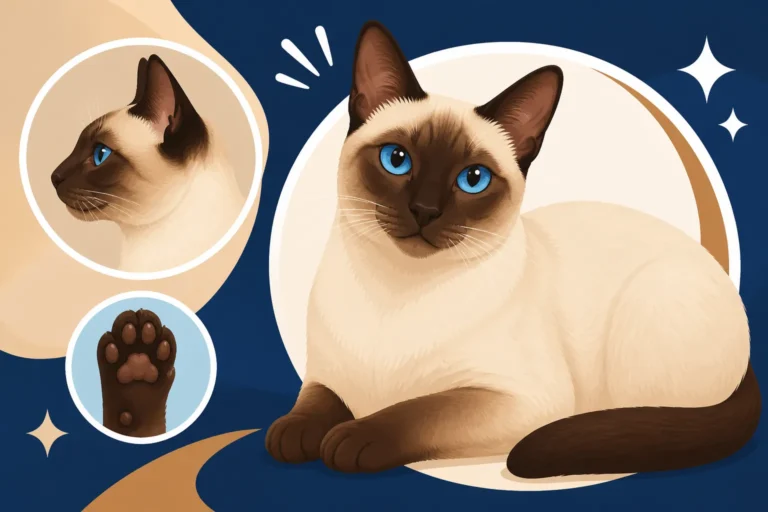
When we talk about an "Applehead" Siamese, we're usually referring to the more traditional or "old-style" Siamese cat. These cats generally have a rounder head, a more robust and muscular body, and less extreme features compared to the modern, "wedge-head" Siamese that dominates the show ring today. It's a look that evokes images of the earliest Siamese cats imported from Siam (now Thailand) centuries ago, before selective breeding began to favor the very slender body, long, tubular legs, and extremely narrow, wedge-shaped head we often see in contemporary show lines.
The Evolution of the Siamese Look
For decades, the standard for the Siamese cat evolved significantly. What was once considered the norm gradually shifted as breeders pursued a more elongated, angular aesthetic. This journey from the more moderate "applehead" to the extreme "wedge" was driven by show standards and preferences, aiming for a distinctive, elegant silhouette. The result is two distinct, yet equally charming, presentations of the Siamese breed. Many enthusiasts, however, fondly remember and seek out the traditional look, believing it carries a certain authenticity and, in some cases, a perceived health advantage. You can learn more about this transformation in How the Applehead Siamese Cat Became the Wedge.
Defining "Applehead" Versus "Wedge"
It's important to understand that "Applehead" isn't a separate breed recognized by major cat registries. It's an descriptive term for the traditional Siamese cat phenotype. These cats retain the original body type and head shape that was common before the intense selective breeding for the wedge type.
Let's break down the general differences in appearance:
| Feature | Applehead Siamese (Traditional) | Wedge Siamese (Modern/Show) |
|---|---|---|
| Head Shape | Rounder, broader skull, often with a "bowed" profile | Long, narrow wedge, flat profile, straight lines |
| Body Type | Stocky, muscular, cobby to moderate body | Svelte, elegant, tubular, athletic |
| Muzzle | Shorter, broader | Long, fine, wedge-shaped |
| Ears | Medium-sized, set wider apart | Large, wide at base, set to follow the wedge of the head |
| Eyes | Oval, often less intensely slanted | Almond-shaped, distinctly slanted towards the nose |
| Legs/Tail | Proportionate, moderate length | Long, slender legs; long, tapering tail |
The key takeaway is that an "Applehead" is essentially a Siamese cat that aligns with the older, more moderate breed standard, or simply hasn't been bred for the extreme features of the modern show Siamese. This distinction is purely aesthetic in terms of breed recognition, though it certainly plays a role in people's perceptions of health.
Debunking the "Healthier" Myth: Exploring Common Siamese Health Concerns
The perception that Applehead Siamese cats are inherently healthier often stems from a general distrust of extreme breeding for aesthetic traits. While it's true that some exaggerated features in any breed can lead to health issues, the link between the Applehead phenotype and superior health isn't always direct. Instead, it's more about the specific genetic predispositions of the Siamese breed as a whole, and the breeding practices employed.
Health Issues Common to All Siamese Types
Regardless of head shape, all Siamese cats share a common genetic lineage and are prone to certain health conditions. These conditions are not tied to the "applehead" or "wedge" distinction but rather to the breed itself.
Some of the more notable health challenges in Siamese cats include:
- Amyloidosis: This is a particularly devastating genetic condition where abnormal proteins (amyloid) deposit in organs, most commonly the liver in Siamese cats. It can lead to liver failure and rupture, often with tragic, sudden outcomes. There is unfortunately No DNA Test for Siamese Cat Amyloidosis, and it can affect any Siamese. Understanding Amyloidosis Is the Disease That Kills Young Siamese Cats is crucial for any owner.
- Progressive Retinal Atrophy (PRA): This inherited eye disease causes the degeneration of the retina, eventually leading to blindness. While some DNA tests exist for PRA in other breeds, their applicability to Siamese cats can be complex, as discussed in PRA and the Siamese Cat Eye Test That Does Not Settle It.
- Asthma: Siamese cats seem to be predisposed to feline asthma, a chronic inflammatory condition of the airways. Symptoms can range from mild coughing to severe breathing difficulties, as seen in Asthma in a Siamese Cat.
- Dental Disease: Like many purebred cats, Siamese cats can be prone to dental issues, including gingivitis and tooth resorption. These can cause pain and lead to necessary extractions.
- Pica/Wool Sucking: While not a disease in the traditional sense, pica (the eating of non-food items) and wool sucking are behavioral issues extremely common in Siamese cats. If indigestible items are swallowed, it can lead to intestinal blockages requiring emergency surgery.
These conditions are part of the genetic tapestry of the Siamese breed, affecting individuals across the spectrum of head shapes. A cat's specific health profile is more likely influenced by the genetic health of its particular family line than by the roundness of its head.
The Nuance of Extreme Features and Health
It's true that in some breeds, extremely exaggerated physical traits, often those favored in show rings, can unfortunately correlate with specific health problems. For example, some very flat-faced breeds can have breathing difficulties. In the context of the modern "wedge-head" Siamese, concerns sometimes arise regarding the extreme narrowness of the head possibly correlating with dental crowding or other subtle structural issues. However, these are often theoretical concerns or mild predispositions rather than guaranteed severe health detriments solely due to head shape.
The reality is that a well-bred wedge-head Siamese from a reputable breeder focusing on health can be just as healthy, if not healthier, than a poorly-bred Applehead Siamese whose breeder prioritizes the "traditional look" without regard for genetic screening or health testing. The health advantage isn't inherent to the head type but to the ethical choices of the breeder.
The Role of Breeding Practices and Genetics in Health
When considering the health of any Siamese cat, whether Applehead or wedge-head, the single most critical factor is the breeder's dedication to health and responsible genetics. This far outweighs any aesthetic preference for head shape. A reputable breeder, regardless of the "look" they aim for, will prioritize the well-being of their cats above all else.
Ethical Breeding Practices for Healthy Siamese Cats
Ethical breeders understand the inherited health predispositions of the Siamese breed and actively work to minimize their occurrence in their lines. This involves a multi-faceted approach:
- Pedigree Research: Reputable breeders meticulously research the health history of their breeding cats' ancestors, looking for instances of genetic diseases like amyloidosis or PRA. While there's no genetic test for Siamese amyloidosis, tracking family lines and ensuring longevity and health in ancestors is crucial.
- Health Screening: Although not every Siamese ailment has a direct genetic test, breeders can perform other health screenings. This might include regular veterinary check-ups, cardiac screenings for heart murmurs, or specific eye exams. For instance, an ophthalmic vet can diagnose PRA, even if a DNA test isn't fully definitive for Siamese.
- Careful Pairing: Breeders make informed decisions about which cats to breed together, avoiding pairings that might concentrate undesirable genes. If a specific health concern like Heart Disease in a Siamese Cat has been identified in a line, an ethical breeder will take that into account.
- Transparency: A good breeder is open and honest about the health history of their cats and kittens. They'll readily provide veterinary records and discuss any known health issues in their lines. They will share Which Health Results a Siamese Cat Breeder Can Show and discuss the limitations of screening for certain conditions like amyloidosis.
- Long-Term Support: Reputable breeders often offer lifetime support and advice to new owners, acting as a resource for any health or behavioral questions that arise.
Choosing a kitten from a breeder who embodies these practices is the best way to ensure you bring home a healthy Siamese cat, regardless of its head shape.
The Impact of Genetic Diversity
Sometimes, proponents of the Applehead Siamese argue that these lines represent greater genetic diversity, thereby implying better health. While preserving genetic diversity within any breed is a noble and important goal for long-term health, it's not automatically conferred by a "traditional" look. Genetic diversity is maintained through broad breeding programs, careful outcrossing when appropriate, and avoiding overuse of popular sires.
A breeder focused solely on reproducing a specific "applehead" look without considering the broader gene pool could inadvertently create a line with its own set of health bottlenecks. Conversely, a modern "wedge" breeder who carefully manages their lines and prioritizes genetic health can maintain a diverse and robust population. The appearance is separate from the genetic health management. It’s about the philosophy of the breeding program, not just the physical manifestation of the cat.
Prioritizing Your Siamese Cat's Health, Regardless of Head Type
Ultimately, the health of your beloved Siamese cat, whether they have a rounder applehead or a sleek wedge, depends largely on how you care for them and the quality of their initial breeding. You, as the owner, play a significant role in ensuring their long, happy life.
Choosing a Healthy Kitten
When you're looking for a Siamese kitten, don't let the "applehead" or "wedge" label be your sole guide for health. Instead, focus on finding a responsible breeder. Ask detailed questions about the health history of the parents and their littermates. Inquire about common Siamese health issues like amyloidosis and PRA, and how they manage these risks in their lines. A good breeder will talk to you about What a Siamese Cat Breeder Should Have Screened and be transparent about what they can't screen for, like amyloidosis.
Look for a breeder who provides a health guarantee, vet checks, and ensures kittens are properly vaccinated and wormed. Observing the kittens' environment and the health of the parent cats (if available) can also provide valuable clues about the breeder's standards.
Ongoing Care and Wellness
Once you bring your Siamese home, consistent, proactive veterinary care is paramount.
- Regular Vet Check-ups: Schedule annual wellness exams. Your vet can perform a thorough physical, discuss any emerging concerns, and keep vaccinations up to date. This is also when you can discuss What a Siamese Cat's Yearly Bloodwork Should Cover as they age.
- High-Quality Nutrition: Provide a balanced diet appropriate for their age and activity level. A wide selection of premium cat foods is available, including fresh, human-grade options that can support overall vitality. A lean body condition is typical for Siamese cats, but ensuring they get adequate nutrients is key. Feeding a Lean Siamese Cat That Burns Everything is a topic many owners grapple with.
- Enrichment and Exercise: Siamese cats are incredibly intelligent and active. They need plenty of physical and mental stimulation to thrive. Interactive toys, cat trees, and regular play sessions will keep them happy and reduce stress-related behaviors like excessive vocalization or pica.
- Prompt Attention to Symptoms: Be vigilant for any changes in your cat's behavior, appetite, litter box habits, or energy levels. Siamese cats are known for their vocal nature, but a change in their "meow-logue" or a sudden quietness could be a sign of discomfort or illness. Signs like labored breathing could point to Asthma Symptoms in a Siamese Cat, requiring immediate veterinary attention.
- Pet Insurance: Given the potential for inherited conditions and general feline ailments, considering pet insurance from providers like Healthy Paws can be a wise financial decision. It can help cushion the blow of unexpected veterinary emergencies or chronic disease management. You'll want to review policies carefully to understand coverage for inherited conditions or specific treatments like dental procedures.
Caring for a Siamese cat, regardless of their head shape, is a commitment to a vibrant, intelligent, and often vocal companion. By focusing on responsible sourcing and dedicated ongoing care, you can ensure your Siamese lives a long and healthy life, embodying How Healthy the Siamese Cat Actually Is.
Long-Term Health Planning
As your Siamese cat ages, their needs will change. Caring for an Old Siamese Cat involves adjustments to diet, more frequent vet visits to monitor for age-related conditions like kidney disease or hyperthyroidism, and ensuring their environment is comfortable and accessible. The goal is to maximize their quality of life for their entire lifespan, which can often extend beyond 15 years.
Ultimately, while the aesthetic differences between Applehead and wedge-head Siamese cats are clear, the notion that one is definitively "healthier" than the other is largely an oversimplification. True health comes from responsible breeding practices, genetic lineage, and diligent, loving care throughout a cat's life.
Disclaimer
This article is for general informational purposes only and does not constitute professional advice. Laws, prices and regulations vary by location and change over time. Consult a qualified professional for guidance on your specific situation.