What a Siamese Cat Sold Under Four Hundred Signals
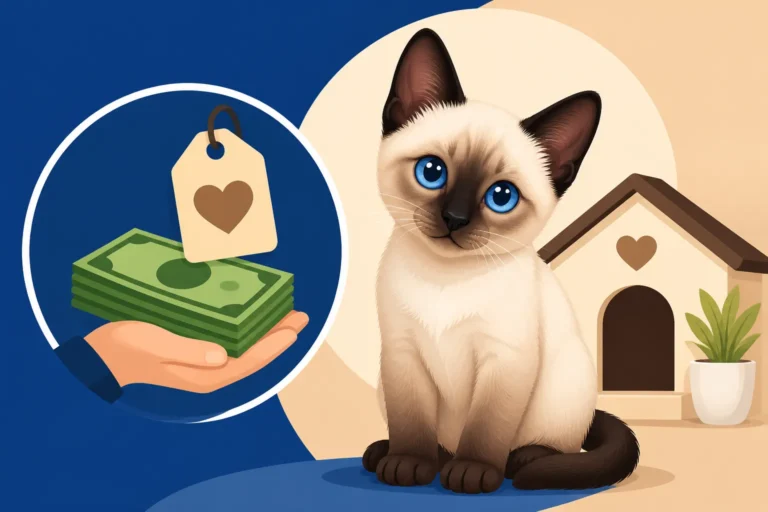
It's completely understandable to feel a tug when you see a Siamese cat advertised for what seems like an unbelievably low price, especially when you know that pedigree kittens typically come with a much higher tag. That initial thrill can quickly turn into a nightmare, though, because a Siamese cat sold significantly under market value often carries silent signals of trouble. This guide will help you understand why these "bargain" prices are often red flags, what those hidden costs might be, and how to make a truly informed decision about bringing a Siamese cat into your life.
The Allure and Alarm of a "Bargain" Siamese Cat
The striking beauty and intelligent, vocal nature of a Siamese cat make them incredibly desirable. When you're dreaming of welcoming one of these sleek, elegant felines into your home, it's natural to look for ways to make that dream a reality. However, a price tag that seems too good to be true almost always is, especially when it comes to living creatures.
Decoding the Standard Price Tag of a Siamese Kitten
Reputable Siamese breeders invest a significant amount of time, effort, and money into their breeding programs. They don't just put two cats together; they carefully select breeding pairs based on health, temperament, and adherence to the breed standard. This involves health screenings, quality food, veterinary check-ups for the parents and kittens, proper socialization, and often, showing their cats to ensure they are truly excellent examples of the breed. All these factors contribute to the ethical cost of a well-bred kitten. You can learn more about What a Siamese Cat Kitten Costs From a Breeder to get a clearer picture of what a reasonable price point looks like. These breeders often provide guarantees, health records, and ongoing support, which are invaluable.
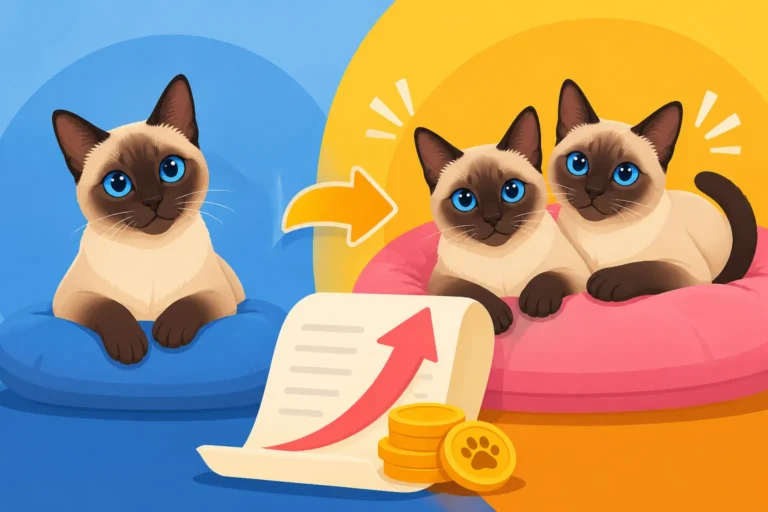
When you see a Siamese cat, especially a kitten, priced at something like under four hundred dollars, it stands out because it's significantly lower than the standard for a purebred animal from a responsible source. This disparity isn't usually a stroke of luck for the buyer; it's a strong indicator that corners have been cut, often in ways that will cost you far more in the long run than any initial savings. Think of it like buying a car that seems incredibly cheap – you immediately wonder what's wrong with the engine, the brakes, or the title, right? The same principle applies here, but with a living, breathing being who deserves the best start in life.
The Immediate Red Flags of an Undercut Price
An unusually low price is the first and most glaring red flag. When a seller is asking so little, it often means they haven't invested in the necessary care or precautions for the cat's health and well-being. This could manifest in several ways: the kittens might be too young to be separated from their mother, they might not have received their initial vaccinations or deworming treatments, or they might be coming from unsanitary conditions. These aren't just minor inconveniences; they're foundational issues that can lead to immediate and costly health problems.
Another red flag is a lack of transparency. A reputable breeder will be eager to share details about the kitten's parents, their health history, and the environment in which the kittens were raised. They’ll ask you questions to ensure you’re a good fit, and they’ll invite you to see the kittens in their home environment. If a seller is pushing for a quick transaction, insists on meeting in a public place, or cannot provide clear answers about the cat's background, these are serious warning signs. They are trying to hide something, whether it's poor breeding practices, sick animals, or even a kitten that isn't truly a purebred Siamese.
The Psychology Behind Chasing a Cheap Pet
The desire to save money is deeply human, and it’s especially tempting when faced with the excitement of a new pet. We often think, "I'll be able to give it a good home no matter what," or "I can fix any small problems." This benevolent mindset, however, can unfortunately be exploited by unethical sellers. They prey on the emotional appeal of a cute kitten and the financial relief of a low price, knowing that many people will overlook the warning signs.
What starts as a seemingly good deal can quickly unravel into emotional distress and financial strain. The initial savings are often dwarfed by vet bills, behavioral training, or the heartache of losing a pet prematurely due to preventable issues. It's important to step back from the emotional desire for a kitten and critically assess the situation with a clear head. Prioritizing the cat's health and welfare, even if it means a higher upfront cost, is always the more responsible and ultimately more rewarding path.
Unmasking the Hidden Health Horrors
One of the most significant dangers of acquiring a Siamese cat at a deeply discounted price is the high likelihood of encountering serious health problems. These are often issues that a reputable breeder would have actively screened for or prevented through proper care and early intervention.
Inherited Conditions Not Screened For
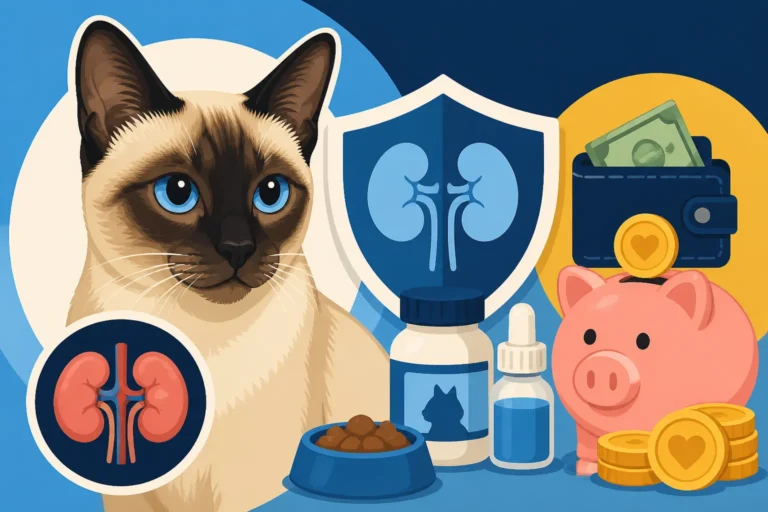
Siamese cats, like all purebreds, are predisposed to certain genetic health conditions. For instance, Amyloidosis is a devastating disease that affects Siamese cats, often leading to liver rupture. While there isn't a DNA test for it yet, a responsible breeder will track family lines and avoid breeding cats from affected pedigrees. You can explore How Common Amyloidosis Is in Siamese Cats to understand its prevalence. Progressive Retinal Atrophy (PRA) is another concern, though less common now, which can lead to blindness. Reputable breeders work to minimize these risks through careful breeding.
When you purchase a kitten from a seller who offers them for under four hundred dollars, it's almost a certainty that no such health screening has been done. The parents may not have undergone genetic testing, eye examinations, or regular veterinary check-ups. This means you're essentially buying a lottery ticket for your cat's health. You could end up with a beautiful kitten who, within months or a few years, develops a chronic, expensive, or even fatal inherited illness that could have been avoided with ethical breeding practices. These are the hidden costs that far outweigh any initial savings.
The High Stakes of Initial Illness or Neglect
Beyond inherited conditions, cheaply sold kittens are often products of neglect or poor husbandry. This could mean they were weaned too early, exposed to infectious diseases, or not given adequate nutrition. Common issues include severe upper respiratory infections, parasites (worms, fleas), ear mites, or even more serious viral diseases like Feline Panleukopenia or Feline Leukemia Virus (FeLV), especially if they come from multi-cat environments with lax health protocols.
Imagine bringing home your adorable, cheap kitten, only for them to start sneezing, coughing, or experiencing severe diarrhea within days. A trip to the emergency vet, immediate medications, diagnostic tests, and potentially even hospitalization can quickly accumulate a bill of hundreds, if not thousands, of dollars. For instance, treatment for a ruptured liver due to amyloidosis, while hopefully rare, could lead to immense emergency costs, as detailed in What a Siamese Cat's Emergency Liver Bleed Costs. These are not "minor" issues; they are life-threatening conditions that demand immediate and often expensive veterinary intervention. This unexpected financial strain can be incredibly stressful, both emotionally and practically.
When Long-Term Illness Becomes Your Burden
Even if your "bargain" Siamese cat survives the initial health hurdles, the implications of poor breeding and early care can lead to chronic conditions that require lifelong management. This might include chronic allergies, persistent gastrointestinal sensitivities, or conditions that weaken their immune system, making them more susceptible to future illnesses. These issues don't just involve the cost of medication, but also specialized diets, regular vet visits, and potentially ongoing discomfort for your beloved pet.
Consider a cat who develops chronic asthma due to poor early environmental conditions or genetic predisposition. Managing this condition involves regular medication, potentially an inhaler, and frequent check-ups. This is where investing in pet insurance from a provider like Healthy Paws could be a lifesaver, helping to mitigate the financial burden of these unexpected and ongoing medical needs. However, most insurance policies have waiting periods and may not cover pre-existing conditions, which is why a healthy start is so crucial. The initial low price suddenly looks very expensive when weighed against years of managing a preventable chronic illness.
Navigating Behavioral Minefields
It's not just physical health that can suffer when a Siamese cat is acquired cheaply; their behavioral development is also heavily impacted by their early environment and genetic background. Siamese cats are renowned for their intelligence and unique personalities, but these traits, without proper guidance and socialization, can manifest as challenging behaviors.
The Critical Period of Socialization Missed
A kitten's first few weeks are absolutely crucial for its development. During this time, they learn vital social skills from their mother and littermates, as well as positive interactions with humans. They learn bite inhibition, how to play appropriately, and how to feel safe and secure in a domestic environment. Reputable breeders ensure their kittens are handled regularly, exposed to various sights and sounds, and weaned at the appropriate age.
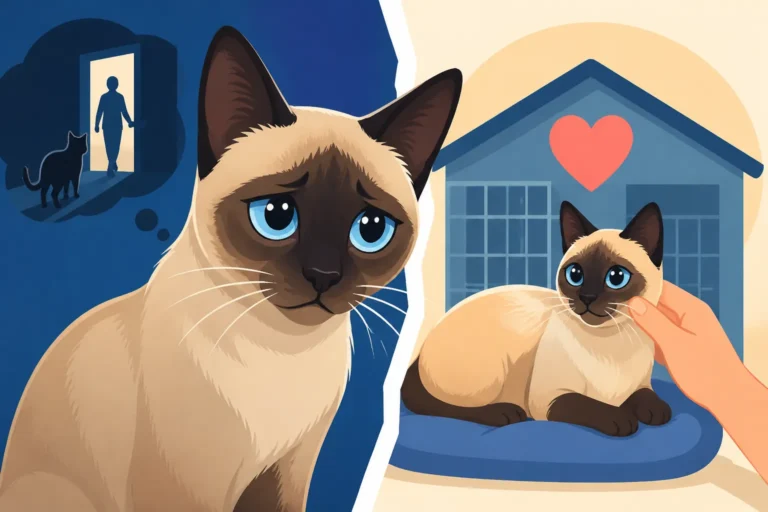
Kittens from backyard breeders or neglectful situations, however, often miss this critical window. They might be removed from their mother too early, kept in isolation, or not exposed to human interaction. This can lead to fear, aggression, or extreme shyness later in life. Imagine bringing home a kitten who constantly hisses, hides, or struggles with basic handling – it’s a heartbreaking situation for both cat and owner, and resolving such issues can require extensive time, patience, and professional help.
Dealing with Anxiety, Aggression, and Undesirable Habits
A poorly socialized Siamese cat is far more prone to developing behavioral problems like separation anxiety, inappropriate urination, excessive vocalization, or aggression. Siamese cats are known to be quite vocal, as discussed in What the Siamese Cat's Meezer Yowl Sounds Like, but when it becomes constant and distressed, it's often a sign of underlying anxiety. Without the foundation of a stable early life, these cats can struggle to cope with normal household stressors. They might also develop compulsive behaviors like wool sucking, as explored in Why a Siamese Cat Sucks Wool, which can lead to serious intestinal blockages requiring expensive surgery.
These behavioral issues are not just inconvenient; they can be incredibly disruptive and emotionally draining for a household. They can damage furniture, create unsanitary conditions, and lead to a strained relationship between you and your pet. Addressing these problems often involves consultations with veterinary behaviorists, training sessions, and sometimes medication, all of which add significant cost and stress to your life. The initial cheap price quickly vanishes when you're paying for specialized behavioral therapy and replacing chewed-up blankets.
The Ripple Effect on Your Household Harmony
Bringing a pet into your home should be a source of joy and companionship, not constant stress and frustration. A Siamese cat with unresolved behavioral issues can profoundly impact your household harmony. Family members might become frustrated or fearful, other pets might be affected by the cat's anxiety or aggression, and your overall quality of life can diminish. It's not uncommon for cats with severe behavioral problems to eventually be surrendered to shelters, contributing to the unfortunate reality of Why So Many Siamese Cats End Up in Rescue.
This ripple effect is a hidden cost that far exceeds any monetary value. The emotional toll of trying to manage a difficult pet, the potential damage to your home, and the disruption to your daily life are significant. A happy, well-adjusted pet integrates seamlessly into your family, bringing warmth and companionship. A pet with deep-seated behavioral problems, often stemming from a poor start, can instead create ongoing turmoil, making the initial "bargain" a truly regrettable decision.
The Imperative of Ethical Sourcing: Breeders and Rescues
Understanding the risks associated with cheaply acquired Siamese cats highlights the critical importance of seeking out ethical sources. Whether you choose a responsible breeder or a dedicated rescue organization, investing in a cat from a verified background is an investment in their health, temperament, and your future peace of mind.
What a Reputable Siamese Breeder Truly Provides
A reputable Siamese cat breeder is much more than someone who simply produces kittens. They are passionate custodians of the breed, dedicated to preserving its best qualities while actively working to eliminate genetic health problems. They will provide clear answers about Which Health Results a Siamese Cat Breeder Can Show, including any genetic tests for conditions relevant to the breed. They invest in high-quality nutrition, regular veterinary care, and ensure a clean, stimulating environment for their breeding cats and kittens.
When you purchase from such a breeder, you're not just buying a kitten; you're buying assurance. You're getting a kitten that has been properly socialized, received initial vaccinations and deworming, and comes with a health guarantee. They will also provide ongoing support and advice throughout your cat's life. While the upfront cost is higher, it reflects the immense care and responsibility involved, and it significantly reduces the likelihood of encountering the costly health and behavioral issues we've discussed. It's a foundational investment in a healthy, happy companion who will be with you for The Fifteen to Twenty Years a Siamese Cat Gets.
The Lifesaving Role of Siamese Cat Rescues
If a breeder's price is genuinely out of reach, or if your heart is set on giving a loving home to an animal in need, a dedicated Siamese cat rescue is an excellent alternative. These organizations are passionate about the breed and work tirelessly to rehabilitate and rehome Siamese cats who, through no fault of their own, have found themselves without a home. They often come with a modest adoption fee, which helps cover the significant costs of vetting, spaying/neutering, microchipping, and any necessary medical treatments the cat received.
Rescue organizations typically assess the cat's temperament and health before placement, offering you a much clearer picture of what to expect. They can often provide insights into the cat's personality, preferences, and any known quirks, helping you find a suitable match for your lifestyle. While a rescue cat's background might be unknown, the care and assessment they receive from dedicated volunteers greatly mitigate the risks associated with backyard breeders. It's an opportunity to provide a second chance, and you can find out more about What Adopting an Adult Siamese Cat Costs from these invaluable organizations.
Your Due Diligence: Questions to Ask
Whether you're speaking to a breeder or a rescue, doing your homework is essential. Don't be shy about asking questions – a responsible seller or organization will welcome your thoroughness. Ask about the health history of the parents (for breeders) or the rescued cat's known history and any medical treatments received. Inquire about their vaccination schedule, deworming, and when the kittens can go home (for breeders, this should not be before 12-16 weeks).
Ask to see the environment where the cats are kept. Observe the mother cat's temperament if possible, as it's often a good indicator of the kittens' potential personality. For rescues, ask about any behavioral assessments and how they match cats with adopters. A reputable source will have a contract detailing health guarantees and return policies. Be wary of anyone who is evasive, pressuring, or unwilling to provide comprehensive information. This careful vetting process is your best defense against future heartache and unexpected expenses.
Beyond the Purchase Price: The Real Financial Commitment
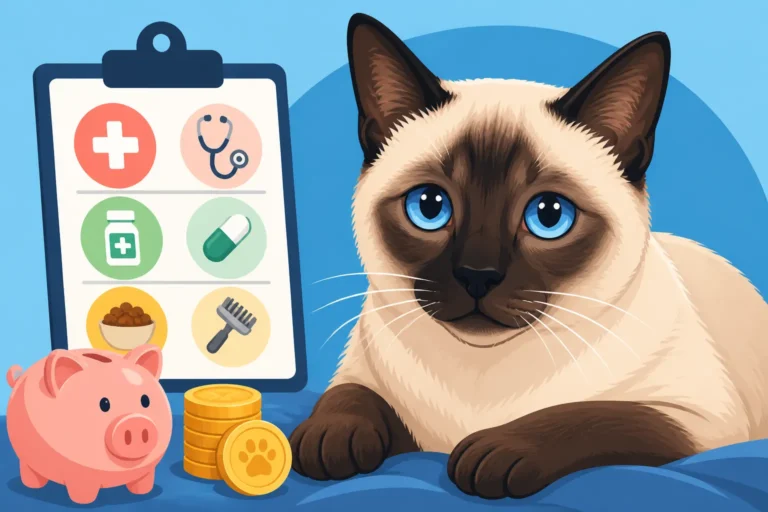
The purchase price of a Siamese cat, whether from a breeder or a rescue, is only the very first financial step. Many prospective owners focus so heavily on this initial cost that they overlook the substantial ongoing expenses associated with responsible pet ownership, especially for a breed as active and intelligent as the Siamese.
Initial Setup and Essential Ongoing Supplies
Before your new Siamese cat even sets a paw in your home, you'll need to invest in essential supplies. This includes a quality litter box (or two!), appropriate litter (perhaps a low-dust variety if you are sensitive or if your cat later develops respiratory issues), food and water bowls, a comfortable bed, scratching posts and pads (Siamese cats love to scratch!), and a carrier for vet visits. You'll also need a selection of engaging toys, as a bored Siamese cat can be a destructive one.
Beyond these initial purchases, many of these items will need regular replenishment or replacement. Litter and food are ongoing costs, and even sturdy scratching posts eventually wear out. While it might be tempting to buy the cheapest options, investing in quality supplies from reliable retailers like Chewy can often save money in the long run by being more durable and appealing to your cat. For example, a sturdy, tall cat tree will satisfy their climbing instincts far better than a flimsy, cheap one that quickly breaks.
Factoring in Lifelong Food, Vet Care, and Enrichment
The daily care of a Siamese cat extends far beyond just keeping them fed. High-quality nutrition is paramount for their long-term health. Given their lean, athletic build, many Siamese cats burn calories efficiently, but they still need balanced, species-appropriate food. Some owners opt for premium brands or even fresh food options, which can be more expensive than standard kibble but provide excellent nutritional value. This is a monthly cost that adds up significantly over their potentially twenty-year lifespan.
Routine veterinary care is another non-negotiable expense. This includes annual check-ups, vaccinations, parasite prevention (flea, tick, and heartworm), and dental care. Siamese cats can be prone to dental disease, and regular cleanings are crucial. Beyond routine care, unexpected illnesses or injuries can lead to significant veterinary bills. When budgeting for your Siamese, it’s important to remember that these vibrant, active cats often come with the potential for a long and full life, which means many years of care.
Safeguarding Against the Unexpected with Pet Insurance
Even with the best breeding and care, pets can face unexpected health challenges. This is where pet insurance becomes a wise investment. Policies can help cover a significant portion of the costs associated with accidents, unexpected illnesses, surgeries, and emergency care. While it's an additional monthly expense, the peace of mind it offers in the face of a sudden, serious health crisis is invaluable.
It's worth researching providers like Healthy Paws to understand their coverage options, deductibles, and reimbursement percentages. Choosing a comprehensive plan when your Siamese is young and healthy is often the most cost-effective approach, as it ensures coverage for issues that might arise later in life. While it doesn't eliminate all costs, it can prevent a single large vet bill from becoming a devastating financial burden. Planning for the unexpected is a crucial part of responsible pet ownership, ensuring you can provide the best care for your beloved Siamese cat throughout their life.
Disclaimer
This article is for general informational purposes only and does not constitute professional advice. Laws, prices and regulations vary by location and change over time. Consult a qualified professional for guidance on your specific situation.