Why a Siamese Cat Answers When You Talk
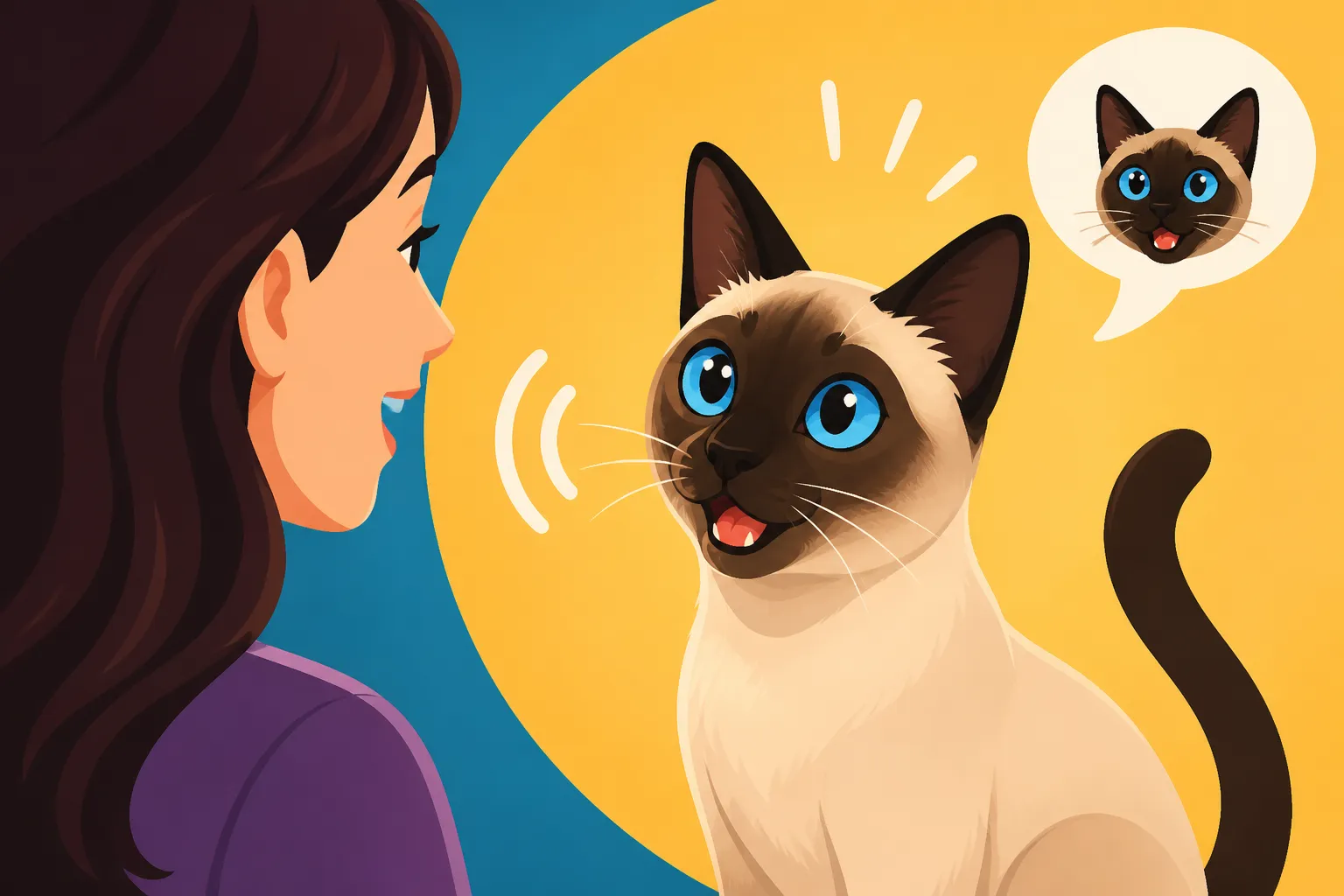
Anyone who has ever lived with a Siamese cat knows the unique experience of a truly communicative companion. It’s not just that they meow; it often feels like they're having a genuine back-and-forth conversation with you, waiting for your input and then responding. This uncanny ability to "answer" when you talk isn't just adorable, it's a deeply ingrained part of their personality and history, and understanding it can enrich your bond even further.
The Siamese Cat's Storied Vocal Legacy
The Siamese cat didn't just wake up one day and decide to be vocal; their talkative nature is woven into the very fabric of their breed. For centuries, these elegant felines have been known for their distinct and varied vocalizations, a trait that sets them apart from many other cat breeds. It's more than just a meow; it's a dialogue, a song, and sometimes, a demand.
A History of Expressive "Meezers"
Long before they became popular household pets, Siamese cats were cherished in their native Siam (now Thailand) for their striking appearance and, yes, their voices. Ancient texts and folklore often describe them as regal companions, always ready with a comment or an opinion. This wasn't a breed prized for quiet contemplation; rather, their assertive communication was a part of their charm. Over generations, breeders unwittingly (or perhaps deliberately) selected for this trait, reinforcing the vocal tendencies we see today. It’s as much a part of their heritage as their striking point coloration or their lithe physique. When you hear that characteristic "Meezer yowl," you're not just hearing a cat; you're hearing echoes of a long, distinguished past.
The Symphony of Siamese Sounds
If you spend enough time with a Siamese, you'll quickly realize their vocal repertoire extends far beyond a simple "meow." They have a whole dictionary of sounds, each with its own nuance and meaning. There's the low, rumbling growl of contentment, the sharp, inquisitive "mrrrp?" when they're investigating something, and the piercing yowl that often sounds like a human baby crying. Then there are the chirps and trills, often reserved for greeting their favorite humans or calling to their kittens. Each sound serves a purpose, from expressing hunger to demanding attention or even just commenting on the weather outside. It’s their way of painting a full picture of their internal world for you, and they expect you to listen. For a deeper dive into their unique vocalizations, check out How Many Sounds a Siamese Cat Makes.
Intelligence and the Art of Feline Conversation
It's easy to dismiss a cat's meows as random noises, but with a Siamese, it quickly becomes clear that there's often a keen intellect behind their vocal responses. They're not just making noise; they're engaging, processing, and reacting to the world around them, especially their human companions. This level of intentional communication speaks volumes about their cognitive abilities.
Highly Observant and Responsive Communicators
Siamese cats are renowned for their intelligence and their keen observational skills. They don't just hear you; they listen. They pick up on inflections in your voice, your body language, and even subtle changes in your routine. When you talk to them, they're not merely waiting for you to finish; they're analyzing. They learn to associate certain words or tones with actions, emotions, or outcomes. For example, the phrase "Dinner time!" might trigger a specific type of excited meow, while a soothing "It's okay, little one" might elicit a soft purr. This isn't just conditioned response; it’s an active participation in a communication loop. They're trying to understand, and often, respond in a way they've learned gets your attention or conveys their own message. How Clever a Siamese Cat Is further explores their impressive intellect.
Learning the Human Language (and Teaching Their Own)
One of the most fascinating aspects of Siamese cat behavior is their apparent ability to learn human-specific cues, while simultaneously teaching their humans to understand their unique vocalizations. Think of it as a bilateral language exchange. You might use a specific tone to ask, "Do you want treats?" and your Siamese might respond with a distinct "Mrow!" that unequivocally means "Yes, I do!" Over time, they associate your questions and statements with a desired outcome, or simply with the joy of interaction itself. This makes them highly trainable, not just for tricks, but for conversational patterns. If you respond consistently, they learn that talking to you yields results, reinforcing their talkative habits. This creates a feedback loop where both parties learn and adapt, deepening their unique bond.
The Deep Human-Feline Bond Fueling the Dialogue
The "answering back" phenomenon in Siamese cats isn't just about their genetics or intelligence; it's profoundly linked to the intense emotional connection they form with their human caregivers. These aren't aloof, independent creatures; they are deeply bonded, highly social animals who thrive on interaction and companionship.
The Desire for Constant Interaction
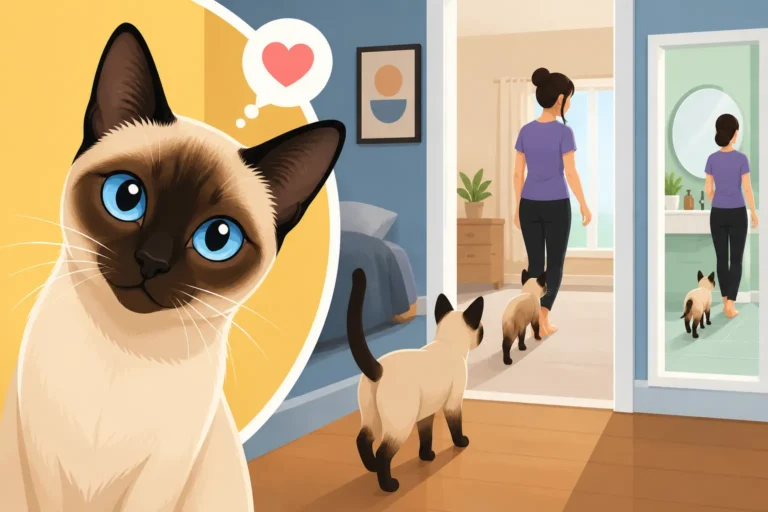
Siamese cats are often described as "people cats" because of their unwavering devotion and desire to be involved in everything their humans do. They don't just want to coexist; they want to participate. When you talk, they see it as an invitation to engage. It's a prime opportunity for interaction, and they're quick to seize it. This isn't mere noise-making; it's a social gesture, an attempt to connect and be acknowledged. They want to be part of your world, whether you're working, relaxing, or doing chores. You'll often find them following you from room to room, offering commentary on your activities, simply because they enjoy your presence and want to be included. Their constant communication is a testament to how strongly they value your companionship.
A Cry for Attention and Affection
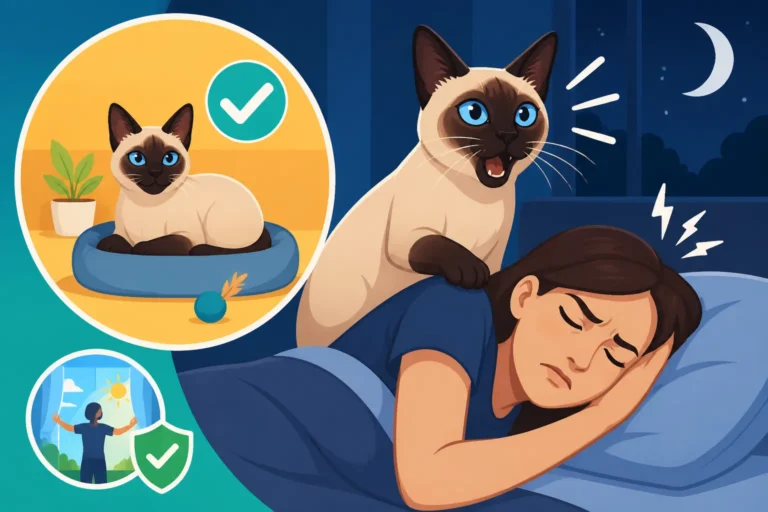
Let's be honest, sometimes their "answers" are a straightforward demand for attention. A Siamese cat thrives on being the center of your universe, and they're not shy about letting you know when they feel overlooked. A particularly insistent yowl after you've been silent for a while is often their way of saying, "Hey! I'm here! Talk to me! Pet me!" They learn quickly that vocalizing gets a reaction from you, whether it's a gentle stroke, a shared glance, or a verbal reply. For a breed that thrives on connection, your response, even if just a word, is a powerful form of affection. This can sometimes lead to what feels like excessive vocalizations, which is explored further in Why a Siamese Cat Meows So Much. Understanding that much of their talking stems from a need for connection can help you provide appropriate enrichment and engagement.
Deciphering Their Verbal Responses
While it might feel like your Siamese is answering in perfect English, their responses are, of course, a mixture of instinct, learned behavior, and pure personality. However, by observing their body language and the context of their vocalizations, you can become surprisingly adept at understanding what they're "saying" when they talk back.
Common "Answers" and Their Meanings
Imagine you've just walked in the door. Your Siamese might greet you with a loud, drawn-out "Mraaaaoow!" while rubbing against your legs. This is their enthusiastic "Welcome home! Where have you been? I missed you!" response. Or perhaps you're getting ready to leave the house, and they're sitting by the door, letting out a series of plaintive "Meeow-meeows." That's likely their "Don't go! Stay with me!" protest. If you ask, "Are you hungry?" and they immediately lead you to their bowl with an expectant trill, that's a clear "Yes, let's go, I'm starving!"
Here's a small table of typical interactions and what your Siamese might be communicating:
| Your Action/Question | Siamese Vocalization Example | Possible Interpretation |
|---|---|---|
| Entering the house | Long, drawn-out yowl/meow | "You're back! Finally! Where were you?" |
| Preparing food | Rapid, insistent meows | "Hurry up! I'm starving! Is that for me?" |
| Offering a treat | Soft chirp, purr | "Oh, thank you! Yes, please!" |
| Petting/cuddling | Deep purr, soft rumble | "Don't stop! This is wonderful! More, please." |
| Asking "What's wrong?" (if upset) | Louder, more distressed meow | "I'm lonely/bored/uncomfortable/want something!" |
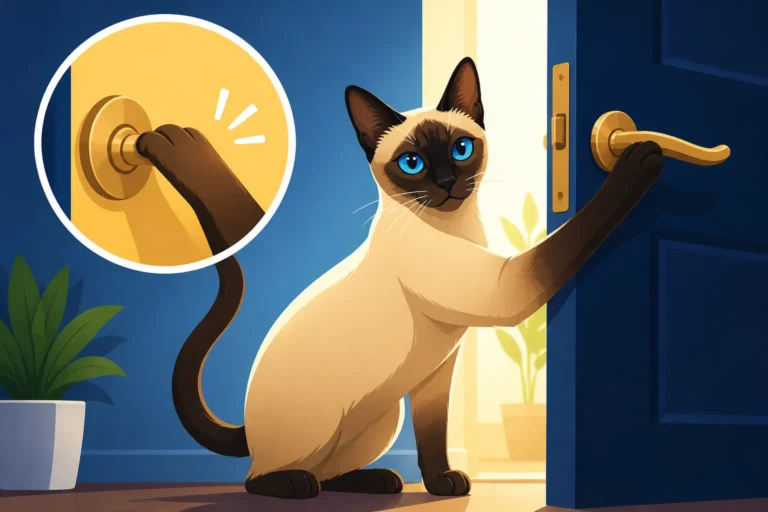
| Opening a door they want through | Sharp, demanding meow | "Open this right now! Let me in/out!" |
| Pointing at a toy | Playful trill, inquisitive mrrrp | "Is that for me? Let's play!" |
These are generalized, of course, as every cat has its own unique vocabulary, but it gives you a starting point. The key is to pay attention to when and how they vocalize in response to your words and actions.
Distinguishing Conversation from Concern
While many of your Siamese's vocal responses are part of their endearing personality, it’s crucial to know the difference between a chatty cat and a cat trying to signal distress. A sudden increase in vocalizations, especially if accompanied by changes in behavior (like hiding, appetite loss, or inappropriate urination), could indicate a medical issue. A normally quiet Siamese becoming suddenly vocal, or an already talkative one becoming excessively, desperately loud, needs your attention. When a Siamese Cat's Meowing Means Pain is a vital read for any owner, as cats are masters at hiding discomfort until it becomes undeniable. Always consult your vet if you suspect your cat's vocalizations are signaling something more serious than a desire for conversation or attention.
Nurturing and Guiding the Conversationalist
Embracing your Siamese cat's talkative nature can be one of the most rewarding aspects of living with them. They offer a level of interactive companionship that few other breeds can match. However, there are ways to encourage healthy communication and manage it if it becomes a little too much for your household.
Encouraging the Dialogue and Play
The best way to enjoy your Siamese's conversational tendencies is to engage with them! Talk to them as you go about your day. Narrate your actions, ask them questions, and respond to their meows. Even if you don't understand every nuance, the act of acknowledging their communication strengthens your bond. Consider incorporating interactive toys that encourage engagement. Wand toys, laser pointers, or even puzzle feeders can stimulate their clever minds and provide an outlet for their energy, which in turn can lead to more satisfied, and perhaps more nuanced, vocalizations. Many owners find great options for these on Amazon, offering a wide selection to keep even the most demanding Meezer entertained. Engaging them in play, especially with toys they can "catch" like a feather wand, can also fulfill their hunting instincts and make them feel more heard and understood.
Setting Boundaries for Harmony
While their chatter is charming, sometimes a Siamese cat's vocalizations can be overwhelming, especially if they’ve learned that incessant meowing gets them what they want. It’s important to set boundaries. This doesn't mean ignoring them completely, but rather teaching them that not every meow will result in immediate gratification. If they're meowing incessantly for food, wait until they've been quiet for a moment before you feed them. If they're demanding attention, acknowledge them with a gentle stroke or a word, but don't drop everything to cater to every vocal demand. Consistency is key here.
You can also use redirection. If they're persistently vocalizing for something you can't or don't want to provide at that moment, redirect their attention to a favorite toy or a comfy sleeping spot. A cat tree, readily available on Amazon, can offer a great vantage point and a sense of security, sometimes reducing their need to "call" for attention. Teaching a "quiet cue" can also be beneficial, as described in How to Teach a Siamese Cat a Quiet Cue. It's all about finding a balance where you appreciate their unique communication style while maintaining peace in your home. Remember, your Siamese wants to communicate, and by setting clear boundaries, you're teaching them how to communicate effectively and appropriately, strengthening your mutual understanding rather than eroding it.
The Evolutionary Roots of Siamese Talkativeness
The distinctive vocalizations of the Siamese cat aren't merely a charming quirk; they are deeply rooted in their evolutionary history and breed development. Understanding this background helps us appreciate why these cats are such prolific conversationalists.
Survival of the Talkative
In the Siamese cat's ancestral home, the ability to communicate effectively, particularly with humans, might have been a significant advantage. These cats were associated with royalty and temples, meaning their survival and well-being were often dependent on human care and favor. A quiet, unassuming cat might have been overlooked, while a vocal cat that could effectively draw attention to its needs—whether for food, comfort, or simply interaction—would have been more likely to thrive. Over generations, this natural selection, combined with selective breeding by humans who appreciated their expressive nature, would have amplified the vocal trait. This means that the "answering" behavior we see today is, in part, a legacy of successful adaptation and bonding within a human-centric environment. It's a testament to their innate intelligence and their ability to forge strong connections.
The Role of Breed Standards and Preference
As the Siamese cat breed developed and spread globally, their vocal nature became a defining characteristic. Early breed standards and the preferences of enthusiasts often celebrated the Siamese's "loud" and "insistent" voice as part of its exotic charm. Unlike some breeds where quietude was a desired trait, the Siamese's distinctive yowl and conversational meow were embraced. This intentional (or sometimes unintentional) selection by breeders further cemented the vocal tendencies into the genetic makeup of the breed. When people sought out a Siamese, they often expected a cat that would talk to them, reinforcing the demand for such a personality trait. This historical preference has meant that the gene pool has consistently favored individuals who are more vocal, leading to the highly communicative companions we cherish today. When you hear your Siamese "answer," you're not just hearing a cat, you're hearing the culmination of centuries of cultural and genetic evolution.
Disclaimer
This article is for general informational purposes only and does not constitute professional advice. Laws, prices and regulations vary by location and change over time. Consult a qualified professional for guidance on your specific situation.