Which Breeds Pair Well With a Siamese Cat
It’s a common scenario: you’ve fallen head over heels for the captivating charm of a Siamese cat, but then you start to notice something. Their boundless energy, their relentless need for interaction, their piercing cries when left alone. You begin to wonder, "Is my Siamese lonely? Do they need a friend?" Many Siamese owners face the dilemma of whether to introduce another feline into their household, and if so, what kind of companion would truly thrive alongside their unique Meezer. This guide will walk you through understanding your Siamese's social dynamics and help you consider which cat breeds are often the best match for their vivacious personality.
Understanding the Siamese Cat's Social Needs
Let's be real: Siamese cats aren't just "cats." They are a breed apart, renowned for their striking looks, but even more so for their larger-than-life personalities. If you live with one, you already know they're not content to just nap in a sunbeam all day, occasionally deigning to accept a head scratch. They demand engagement, conversation, and often, an audience.
The Siamese Cat's Unique Personality
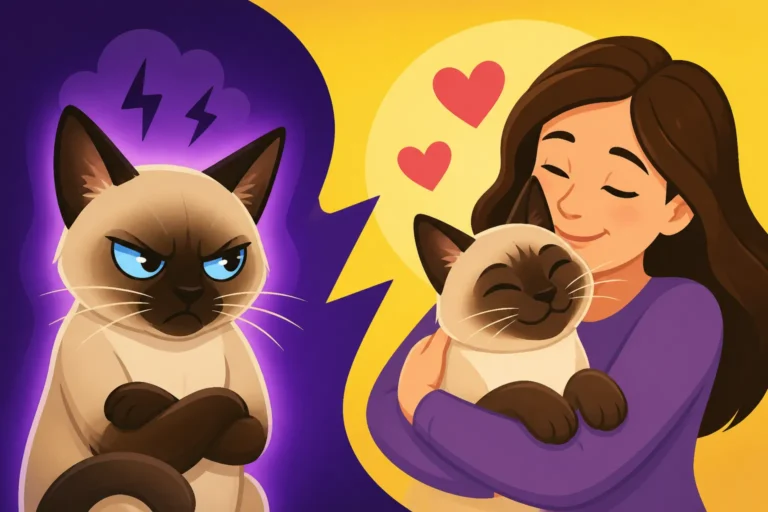
Siamese cats are often described as having dog-like personalities, and it's not an exaggeration. They crave interaction, forming deep bonds with their human companions. They are incredibly intelligent, curious, and, let's be honest, often quite opinionated. Your Siamese will follow you from room to room, supervise your activities, and engage you in lengthy "conversations" that can range from a soft trill to their infamous, insistent yowl. They love to play, learn tricks, and can get bored very quickly if not mentally and physically stimulated. It’s this intense need for connection and activity that makes many owners consider a companion. What a Siamese Cat's Temperament Is Really Like explores this in depth. They are truly devoted creatures, often bonding intensely with one person, but they extend that desire for interaction to their entire "family," whether two-legged or four.
Signs Your Siamese Might Need a Friend
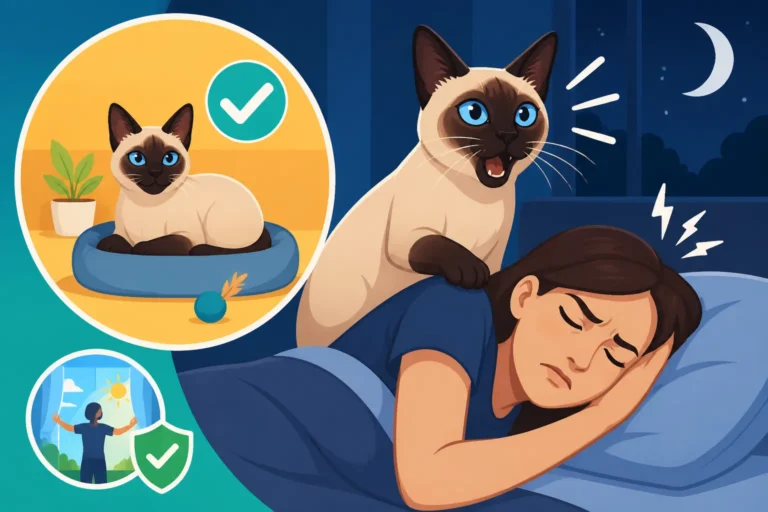
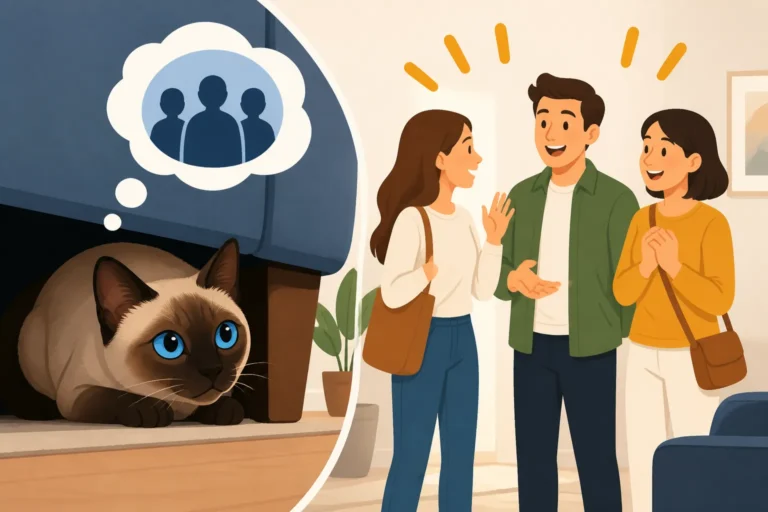
If you're reading this, you probably already have a hunch. Does your Siamese constantly demand your attention the moment you sit down? Do they seem restless or destructive when you're busy or away? Do they patrol the house, calling out, as if searching for someone? These can all be signs that your Siamese has an unmet social need. While some Siamese are perfectly content to be the sole feline focus of your affection, many truly flourish with another cat, especially if their humans have busy schedules. A lonely Siamese might develop behavioral issues like over-grooming (psychogenic alopecia) or even become anxious. They are incredibly sensitive to changes in routine and can feel abandonment keenly. How Long a Siamese Cat Can Be Left Alone touches on this difficulty.
The Importance of Companionship
For many Siamese cats, companionship isn't just a bonus; it's a vital part of their well-being. A compatible cat companion can provide constant interaction, mental stimulation through play, and the comfort of another warm body for naps. This can dramatically reduce boredom-induced behaviors and alleviate separation anxiety, making for a happier, more well-adjusted Siamese. Think of it as having a built-in playmate and confidant who speaks their language. When considering Whether a Siamese Cat Is Happier in a Pair, the answer is often a resounding yes, provided the pairing is done thoughtfully.
Key Traits to Look for in a Companion Breed
Bringing a new cat into your home, especially to a Siamese, isn't something to rush into. It requires careful consideration of personalities and energy levels. You're not just getting another cat; you're creating a new social dynamic, and a mismatch can lead to stress for everyone involved.
Matching Energy Levels
This is perhaps the most crucial factor. A Siamese cat's energy levels are off the charts. They love to run, jump, climb, and play vigorous games of chase. If you introduce a very mellow, shy cat who prefers quiet naps, your Siamese might inadvertently bully or constantly pester them, leading to an unhappy environment for both. You want a companion who can keep up, who enjoys wrestling, and who can dish out as much play as they receive. A cat that enjoys active playtime, perhaps with interactive toys you can find on Amazon, will be a much better fit.
Similar Communication Styles
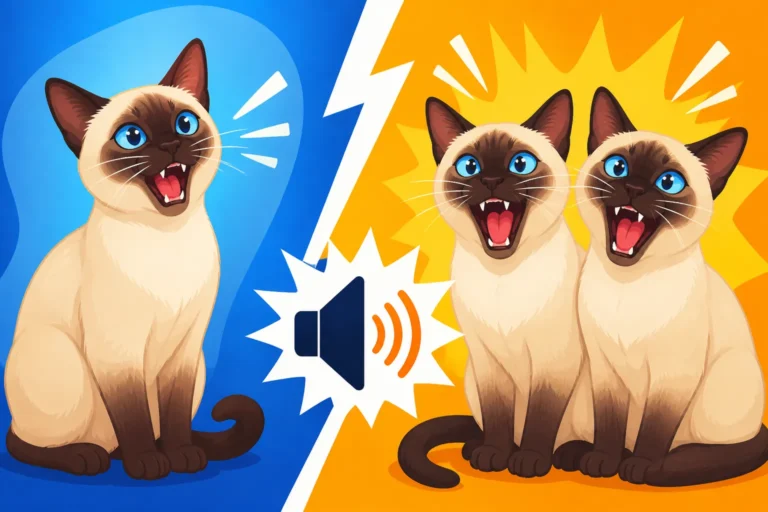
Siamese are known for being incredibly vocal. They "talk" with a wide range of sounds, from chattering to that signature "Meezer yowl." While you don't necessarily need another equally loud cat, a companion that isn't completely put off by a chattier friend would be beneficial. A cat that communicates through body language and some vocalization can engage with a Siamese more naturally than one who prefers to be silent and solitary. This isn't just about noise; it's about how they express themselves and understand each other's cues. What the Siamese Cat's Meezer Yowl Sounds Like gives you a deeper dive into their unique vocalizations.
Adaptability and Patience
Introducing a new cat is a process, and both cats will need to be adaptable and patient. While your Siamese is intelligent, they can also be territorial and sometimes a little dramatic. A companion breed that is generally good-natured, not overly aggressive, and resilient enough to navigate the initial awkwardness of introductions will fare best. Cats that are known for being confident and curious, rather than timid or easily stressed, will have an easier time adjusting to the vibrant, often demanding, presence of a Siamese.
Top Cat Breeds That Generally Pair Well with a Siamese
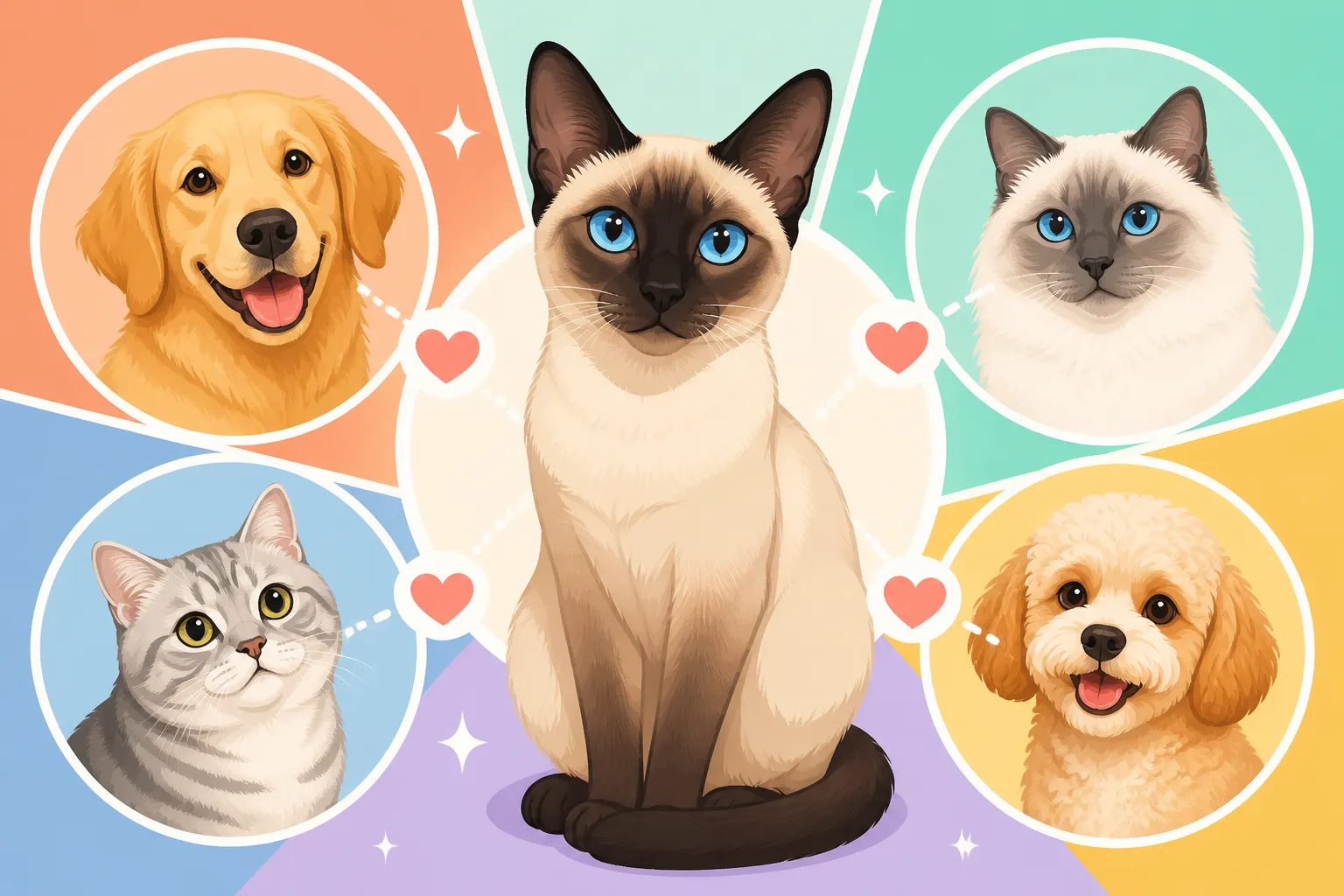
Given the Siamese's distinct personality, certain breeds tend to be more compatible than others. These are breeds that share some of the Siamese's intelligence, playfulness, and social nature, or at least possess a temperament that can harmoniously coexist.
Other Oriental Breeds
It makes a lot of sense that cats from the same family tree would get along! Oriental breeds, like the Oriental Shorthair and the Balinese, often share many traits with their Siamese cousins.
- Oriental Shorthair: These cats are essentially Siamese cats in a rainbow of colors and patterns. They possess the same sleek body, large ears, and, crucially, the same vivacious personality, high intelligence, and insatiable curiosity. They are just as vocal and just as demanding of attention and play. An Oriental Shorthair can often match a Siamese stride for stride in a game of chase and will happily engage in long "conversations." They understand each other's intense need for interaction and are usually delighted to have a feline partner in crime. Pairing two high-energy, intelligent cats means you'll definitely need robust enrichment, like tall cat trees and puzzle feeders, which you can easily find on Amazon.
- Balinese: The Balinese is often referred to as the "long-haired Siamese." They share the same colorpoint pattern and striking blue eyes, but with a beautiful, plumed tail and a slightly softer coat. Their temperament is very similar to the Siamese: intelligent, playful, affectionate, and talkative. They tend to be slightly less vocally insistent than some Siamese lines but are still very communicative and social. A Balinese can offer the Siamese the same level of mental and physical engagement, often becoming best friends.
Playful and Affectionate Breeds
Beyond their immediate relatives, other breeds can also make excellent companions, particularly those known for their high sociability and playful spirit.
- Abyssinian: Abyssinians are often called the "clowns of the cat kingdom" and for good reason. They are incredibly active, playful, and intelligent cats who thrive on interaction. Their energy levels are often comparable to a Siamese, and they love to explore, climb, and play fetch. While not as vocally persistent as a Siamese, they are communicative and rarely shy. An Abyssinian can provide the lively companionship a Siamese craves, turning your home into a perpetual playground. They're usually very tolerant and enjoy rough-and-tumble play, making them a great match for a boisterous Siamese.
- Sphynx: Don't let their unique appearance fool you; Sphynx cats are renowned for their outgoing, affectionate, and playful personalities. They are often described as "velcro cats" because of their desire to be constantly with their humans or other animal companions. They are intelligent, curious, and possess a good sense of humor, often engaging in silly antics. Their need for warmth also means they love to snuggle, which can be a huge comfort to a social Siamese. A Sphynx can easily match a Siamese's need for attention and play, creating a dynamic, affectionate duo. Just be prepared for double the cuddles and warmth!
Table: Companion Breed Compatibility Overview
Here's a quick overview of some breeds that often do well with a Siamese, keeping their unique needs in mind:
| Breed | Energy Level | Vocalization | Affection Level | Playfulness | Considerations |
|---|---|---|---|---|---|
| Oriental Shorthair | High | High | Very High | Very High | Nearly identical to a Siamese in temperament, making them ideal partners for mental and physical stimulation. They thrive on interaction and can match the Siamese's intensity. |
| Balinese | High | Moderate-High | Very High | High | The long-haired version of the Siamese, sharing many core traits. Slightly less vocal than some Siamese, but equally intelligent and affectionate. Excellent for snuggling and engaging play. |
| Abyssinian | High | Moderate | High | Very High | Known for their boundless energy and playful antics. Can easily keep up with a Siamese in terms of activity and mental engagement. Not overly vocal but communicative. |
| Sphynx | High | Moderate | Very High | High | Incredibly social and affectionate, often described as dog-like. They crave companionship and enjoy interactive play, making them a good match for a Siamese's need for constant engagement. |
| Tonkinese | Moderate-High | Moderate-High | Very High | High | A cross between a Siamese and Burmese, offering a good blend of traits. They are affectionate, playful, and social, but sometimes a little less intensely demanding than a pure Siamese. Can be a good "middle ground" companion. |
| Domestic Shorthair (Social) | Varies | Varies | Varies | Varies | A highly social, confident, and playful rescue Domestic Shorthair can be an excellent match. Personality is key here; look for one that enjoys interaction and isn't easily intimidated. A Whether a Rescue Siamese Cat Has Any History can be harder to gauge but worth looking into. |
Introducing a New Cat to Your Siamese
Even with the best breed match, the introduction process is paramount. Rushing it can create lifelong animosity, while a slow, patient approach fosters friendship. Remember, How to Introduce a Siamese Cat to a Resident Cat is a marathon, not a sprint.
The Slow and Steady Approach
This cannot be stressed enough: do not just put the new cat in the room with your Siamese and hope for the best. Siamese cats are highly sensitive and territorial. A sudden intrusion can lead to stress, aggression, and a difficult integration. The key is gradual, positive exposure. Start by confining the new cat to one room with all their necessities (food, water, litter box, bed, toys). This gives them a safe space to decompress and allows your Siamese to sniff them out under the door without direct confrontation. A pet gate, readily available on Amazon, can be useful for visual introductions later on.
Creating Separate Spaces and Scent Swapping
During the initial confinement period, engage in "scent swapping." Use a towel to gently rub each cat, then swap the towels. This helps them get used to each other's smell in a non-threatening way. You can also feed them on opposite sides of the closed door, associating the new scent with positive experiences like food. Gradually, after a few days to a week of scent swapping, you can move to brief, supervised visual introductions. Ensure both cats have escape routes and never force interaction. Provide plenty of vertical space like cat trees or shelves, which are crucial for a Siamese Cat that gets bored in an hour and also for providing safe perches during introductions.
Supervised Interactions and Positive Reinforcement
Once both cats seem calm and curious about each other through the door, you can open it for short, supervised sessions. Keep these initial meetings brief and always end them on a positive note. Use treats, toys, and praise to create positive associations. Never punish either cat for hissing or growling, as this is normal communication; instead, gently separate them if things get too intense. Gradually increase the duration of these supervised sessions. It might take weeks or even months for them to truly become friends, but the investment is worth it for the long-term happiness of both your cats. Remember, a Siamese cat needs How Much Play a Siamese Cat Needs, and a companion can help meet that need, but only if they feel safe and secure together. If you find your Siamese is being overly dominant or the new cat is showing excessive fear, you might need to revert to earlier steps in the introduction process.
Bringing another cat into your life can be one of the most rewarding decisions you make, especially for a Siamese who thrives on connection. By choosing a breed with compatible energy and personality, and by committing to a slow and patient introduction process, you can provide your beloved Siamese with a lifelong companion and enrich both of their lives immeasurably.
Disclaimer
This article is for general informational purposes only and does not constitute professional advice. Laws, prices and regulations vary by location and change over time. Consult a qualified professional for guidance on your specific situation.