Why a Siamese Cat Licks Photographs
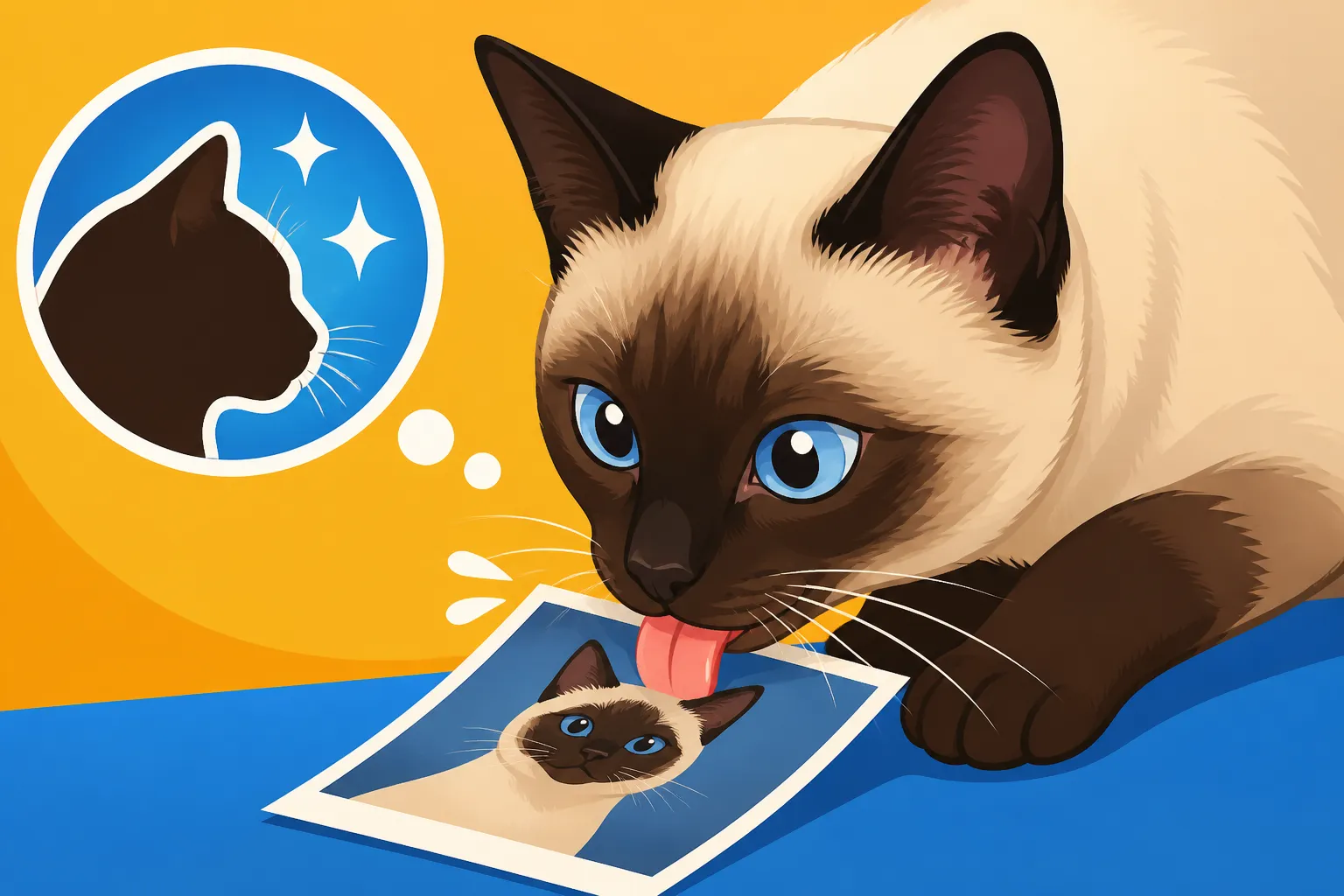
It’s perplexing, isn’t it, when your normally discerning Siamese cat suddenly develops a peculiar fascination with your treasured photographs, licking them with an almost ritualistic intensity? This isn't just a quirky habit; it can be a symptom of underlying behavioral or even health concerns, and it's certainly frustrating when your precious memories are being targeted. This guide will delve into the various reasons why your Siamese might be engaging in this odd behavior and, more importantly, what you can do to understand and address it.
Understanding the Peculiar Behavior of Licking Photographs
When your elegant Siamese starts licking photographs, it's easy to dismiss it as just "being a cat," but with this breed, almost every behavior has a deeper root. Siamese cats are known for their intelligence, sensitivity, and often, their somewhat eccentric habits. Licking non-food items, like photographs, definitely falls into the latter category and warrants a closer look. It's not usually malicious; rather, it’s a manifestation of an unmet need or an instinct playing out in an unusual way.
The Allure of Unique Scents and Textures
Cats explore their world largely through scent and touch, and their tongues are incredibly sensitive tools for both. Photographs, especially older ones, can carry a fascinating array of scents. Think about it: the chemicals from the printing process, the oils from human hands, the dust and environmental particles that settle on them over time. To a cat's highly refined sense of smell, a photograph isn't just a flat piece of paper; it's a tapestry of information.
Beyond scent, the texture of photographic paper can be incredibly appealing. Some papers have a smooth, almost glossy finish, while others are matte or even textured. The act of licking provides a unique tactile sensation that can be stimulating or even soothing for a Siamese. This is particularly true for cats that might be seeking novel sensory experiences, or those whose natural instincts to "groom" or "investigate" are redirected onto inanimate objects. Consider how meticulously they groom themselves; that same instinct can extend to objects they find intriguing. It's a way for them to process and interact with their environment, much like a child might put a new toy in their mouth to understand its shape and texture. This exploration is especially common in curious and intelligent breeds like the Siamese.
Behavioral Roots: From Kittenhood to Adulthood
Many behaviors we see in adult cats have their origins in kittenhood. Licking, suckling, and kneading are all comforting actions learned during nursing. While most kittens outgrow direct suckling on their mothers, some cats, particularly Siamese, retain a strong propensity for these behaviors well into adulthood. This is often referred to as "pica," which is the ingestion or licking of non-food items. If a Siamese cat was weaned too early, or if they didn't receive enough comfort and security as a kitten, they might seek to replicate those comforting sensations by licking soft or interesting objects, photographs included.
Moreover, Siamese cats are famously bonded to their humans and thrive on interaction. If they're not getting enough mental stimulation, playtime, or direct affection, they might turn to other behaviors to cope with boredom or loneliness. Licking photographs could be a displacement activity, a way to self-soothe when feeling understimulated or anxious. It's their way of saying, "Hey, I need something to do," or "I'm feeling a bit stressed, and this helps." Understanding Why a Siamese Cat Sucks Wool can offer further insight into these deeply ingrained comfort-seeking behaviors, as the underlying drive is often similar. The Siamese breed, with its intense personality and high intelligence, is often prone to such habits when their environment doesn't meet their needs.
Potential Health Concerns and Underlying Reasons
While a curious habit might seem harmless, excessive licking of non-food items, including photographs, can sometimes point to deeper issues. It's crucial to distinguish between a harmless quirk and a behavior that signals discomfort or an underlying health problem. Ignoring these signs can lead to more significant issues down the line, both for your cat's health and the integrity of your photo collection!
Nutritional Deficiencies or Pica
One of the most common medical explanations for a cat licking or eating non-food items is pica, which can sometimes be linked to nutritional deficiencies. While a well-balanced commercial cat food should provide all necessary nutrients, individual cats can have unique needs or absorption issues. A lack of certain vitamins, minerals, or even fiber in their diet might drive a Siamese cat to seek out and lick unusual items in an attempt to rectify the imbalance. For example, some cats may lick unusual surfaces if they have an iron deficiency, though this is less common in cats than in other species.
However, pica isn't always about nutrition. It can also be a compulsive disorder, especially prevalent in Siamese cats and their relatives. They might feel an uncontrollable urge to lick or mouth textures like fabric, plastic, or, yes, even photographs. If you've ever wondered Whether Pica Is a Medical Problem in a Siamese Cat, the answer is definitely yes, and licking photographs can be one manifestation. This isn't just a "bad habit"; it's often a deep-seated behavioral issue that requires a thoughtful approach. Providing a diet rich in appropriate nutrients and fiber, and potentially discussing supplements with your vet, could be a starting point.
Oral Health Issues
Imagine having a toothache or gum irritation and trying to relieve it by pressing on something. While licking a photograph might not seem like a direct parallel, oral discomfort can absolutely drive a cat to unusual mouthing behaviors. If your Siamese is experiencing Gingivitis in a Siamese Cat, a cracked tooth, or other forms of Dental Disease in a Siamese Cat, the constant, soothing action of licking might temporarily alleviate the pain or irritation.
Cats are masters at hiding pain, so you might not see obvious signs like drooling or reluctance to eat. Instead, subtle behavioral changes, like licking non-food items, could be their quiet way of communicating discomfort. A thorough dental check-up by your veterinarian is essential if this behavior is new or persistent. They can check for tartar buildup, gum inflammation, resorptive lesions, or any other issues that might be causing your cat pain or an odd sensation in their mouth. Don't underestimate the power of a healthy mouth; it's central to a cat's overall well-being.
Stress, Anxiety, and Seeking Comfort
Siamese cats are known for their deep emotional connections and, consequently, can be quite sensitive to stress and anxiety in their environment. Changes in routine, a new pet or family member, moving to a new house, or even subtle shifts in household dynamics can trigger stress in a Siamese. When anxious, cats often engage in displacement behaviors – activities that seem out of place but serve to self-soothe. Excessive licking, whether of themselves leading to Psychogenic Alopecia in a Siamese Cat or of objects, falls into this category.
Licking photographs might provide a repetitive, calming action that helps your Siamese cope with underlying stress. It's akin to a human biting their nails or twirling their hair when nervous. The chemicals in the paper or the texture might also offer a temporary distraction from their internal unease. If you notice other signs of stress, such as increased vocalization, changes in appetite, withdrawal, or even aggression, the photograph licking is likely part of a larger picture. It's important to investigate the potential stressors in their environment, which could be anything from a perceived threat outside a window to a change in your own work schedule. Sometimes, simply talking to your cat more or providing consistent affection can help ease their worries.
Practical Solutions and Management Strategies
Once you've considered the potential reasons behind your Siamese cat's photograph-licking habit, it's time to explore practical solutions. A multi-faceted approach, combining environmental changes, dietary considerations, and sometimes professional intervention, usually yields the best results. The goal isn't just to stop the licking, but to address the underlying need or issue that drives the behavior.
Environmental Modifications and Enrichment
The first step in managing this behavior is to make the target objects less accessible. This might sound obvious, but it's often overlooked. Store precious photographs in albums or frames that your cat cannot easily open or reach. Moving them to a higher shelf or a closed drawer can prevent opportunistic licking. For digital photos, the solution is much simpler, of course!
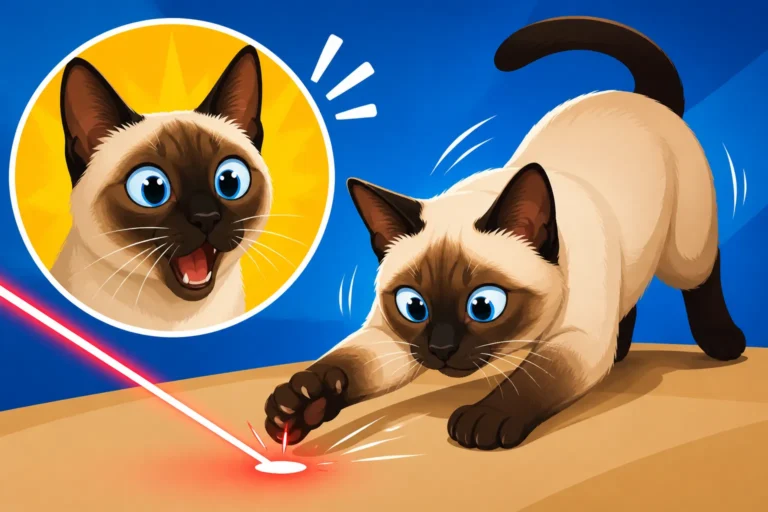
Beyond simple removal, consider enriching your Siamese cat's environment to address potential boredom or anxiety. Siamese cats are highly intelligent and need mental stimulation. Provide plenty of appropriate toys that encourage interactive play, such as wand toys, laser pointers (used carefully to avoid frustration), or puzzle feeders. Amazon offers a wide variety of these. A tall cat tree or window perch can satisfy their natural instinct to climb and survey their territory, reducing stress. Scheduled play sessions, at least twice a day for 15-20 minutes, can dramatically reduce boredom-induced behaviors. If they're engaging their hunting instincts with toys, they'll be less likely to seek out other "prey" in your home. Some owners find that a catio (a secure outdoor enclosure) can provide safe external enrichment, satisfying their curiosity about the outside world.
Creating a calm environment is also key. How to Prepare a Siamese Cat for a Return to the Office touches on the importance of routine and minimizing stress. Pheromone diffusers can sometimes help create a more serene atmosphere for anxious cats. Ensure your Siamese has safe, quiet spaces to retreat to if they feel overwhelmed.
Dietary Adjustments and Supplements
If you suspect nutritional deficiencies or pica, a conversation with your veterinarian is paramount. They might recommend specific diagnostic tests to rule out any underlying medical conditions. Don't try to self-diagnose or implement drastic dietary changes without professional guidance.
Your vet might suggest a change in diet, perhaps to a food with different protein sources, fiber content, or specific nutrient fortifications. For cats with pica, increasing dietary fiber can sometimes help, as it promotes a feeling of fullness and aids digestion. This could involve adding a small amount of plain canned pumpkin or a vet-recommended fiber supplement to their food. There are also specific "anti-pica" diets formulated for cats prone to eating unusual items, designed to provide comprehensive nutrition and deter non-food consumption.
In some cases, behavioral supplements or even medications might be considered, especially if the pica is severe or linked to anxiety that hasn't responded to environmental changes. For example, some vets might recommend an anxiolytic (anti-anxiety) medication for a short period to help break the cycle of compulsive licking. Always discuss these options thoroughly with your vet to understand the potential benefits and side effects. For less severe anxiety, natural calming supplements, often found on platforms like Amazon, may be recommended, though their efficacy can vary.
When to Consult Your Veterinarian
While many cases of photograph licking can be managed at home with behavioral and environmental adjustments, there are definite signs that warrant a trip to the vet. If the behavior is sudden and intense, or if it's accompanied by other concerning symptoms, don't delay.
Here's when to pick up the phone:
- Sudden onset or escalation: If your Siamese suddenly starts licking photographs obsessively, or if an occasional lick turns into constant chewing or ingestion, it's a red flag.
- Other physical symptoms: Look for vomiting, diarrhea, lethargy, decreased appetite, weight loss, or changes in drinking or urination habits. These could indicate an underlying illness. Your cat's voice changing or increased vocalization could also be a sign of discomfort, as explored in When a Siamese Cat's Meowing Means Pain.
- Signs of oral pain: Pawing at the mouth, bad breath, red or swollen gums, drooling, or difficulty eating. These all point to potential dental issues.
- Ingestion of foreign material: If you notice pieces of photograph missing, or suspect your cat is actually eating the paper, seek immediate veterinary attention. Ingesting non-digestible materials can lead to blockages, which are serious and potentially life-threatening emergencies requiring surgery. Signs a Siamese Cat Has an Intestinal Blockage are critical to recognize.
- Increased anxiety or stress: If environmental enrichment and reassurance aren't helping, and your cat exhibits other signs of stress such as overgrooming (leading to bald patches, as discussed in Why a Stressed Siamese Cat Licks Itself Bald), hiding, or changes in social interaction, professional help can offer solutions. Your vet may even refer you to a veterinary behaviorist for specialized guidance.
A table summarizing the potential causes and solutions can be helpful:
| Potential Cause | Signs to Look For | Recommended Action |
|---|---|---|
| Boredom/Lack of Enrichment | Licking other inappropriate items, destructive behavior, increased vocalization, following you constantly | Increase interactive playtime, provide puzzle feeders (available on Amazon), offer cat trees, rotate toys, consider a companion cat. |
| Stress/Anxiety | Hiding, overgrooming, changes in appetite/litter habits, aggression, vocalization | Identify and minimize stressors, provide safe retreats, use pheromone diffusers, maintain routine, increase calm interaction. |
| Pica (Compulsive Licking) | Licking/chewing other non-food items (fabric, plastic), persists despite environmental changes | Consult vet, discuss dietary fiber, potential supplements, or behavioral medication. Provide appropriate chew toys or outlets. |
| Nutritional Deficiency | General poor coat quality, lethargy, other unusual cravings, weight changes (less common as a direct cause) | Vet consultation and diagnostic tests, dietary review, potential specialized food or supplements. |
| Oral Health Issues/Pain | Bad breath, red gums, pawing at mouth, difficulty eating, drooling, tooth sensitivity | Immediate vet check-up for dental exam and potential cleaning/extractions. |
Remember, your Siamese relies on you to interpret their sometimes-cryptic signals. Addressing photograph-licking proactively can save your memories and, more importantly, safeguard your beloved cat's health and happiness.
Disclaimer
This article is for general informational purposes only and does not constitute professional advice. Laws, prices and regulations vary by location and change over time. Consult a qualified professional for guidance on your specific situation.