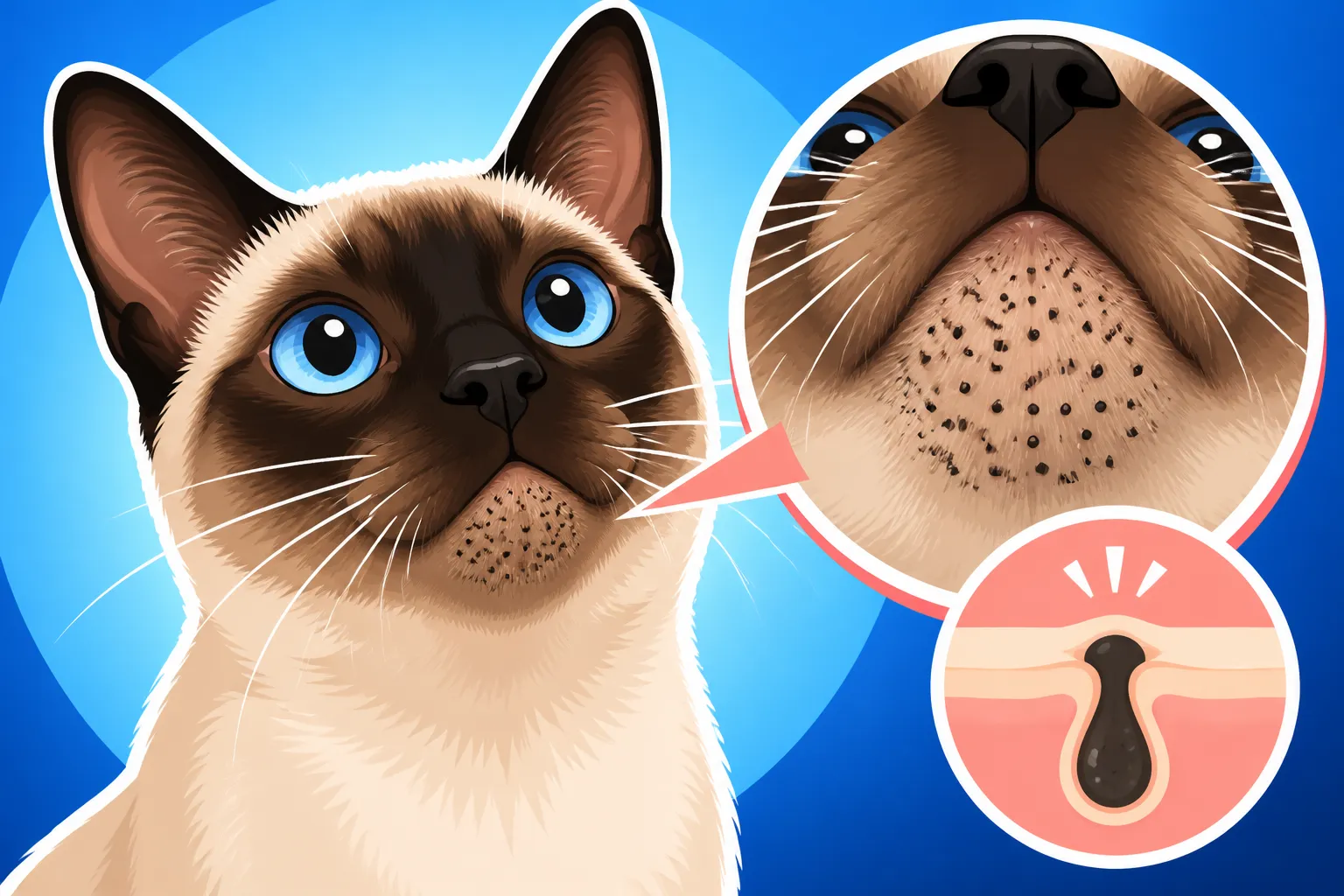
Why a Siamese Cat Gets Blackheads on Its Chin
It's quite startling to discover those tiny, gritty specks that look like dirt clinging to your beloved Siamese cat's chin, isn't it? Many of us instinctively try to wipe them off, only to find they're stubbornly embedded in the skin. This common, yet often misunderstood, issue is actually feline acne, or blackheads, and it can be a source of discomfort for your cat and worry for you. This guide will delve into why your Siamese might be experiencing these chin blackheads and offer practical steps to help clear them up and keep them from returning.
What Exactly Are These Blackheads (Feline Acne)?
When you first spot those little dark dots on your Siamese's chin, it's easy to assume they've just dipped their face into something messy or rubbed against a dusty surface. However, a closer look might reveal that these aren't surface-level grime, but rather tiny plugs within the hair follicles themselves. This condition, often referred to as feline acne, is remarkably similar to the blackheads humans can get, though the causes and treatment approaches differ somewhat. It’s a frustrating mystery for many cat parents, especially when it flares up without obvious reason.
The Skin's Oily Secret: Sebaceous Glands
Just like us, cats have sebaceous glands all over their skin, but they're particularly concentrated in certain areas like the chin, lips, and tail base. These glands are responsible for producing sebum, a natural, oily substance that helps keep the skin and fur lubricated, healthy, and waterproof. Think of sebum as your cat's natural moisturizer and protective barrier. It's a vital part of their skin's ecosystem, working to maintain elasticity and prevent dryness, which is especially important for a short-haired, sleek cat like a Siamese.
Normally, sebum flows freely out of the hair follicles, doing its job without a hitch. The problem starts when there's an overproduction of this oily substance, or when the normal shedding of dead skin cells goes awry. If the sebaceous glands go into overdrive, they can overwhelm the follicle's ability to release the sebum. This leads to a sticky, congested environment that’s just ripe for trouble.
When Pores Get Clogged: The Formation of Blackheads
A blackhead, or comedone, forms when a hair follicle becomes clogged. This happens when excess sebum mixes with dead skin cells and environmental debris, creating a sticky plug. Because the opening of the follicle is exposed to air, the melanin (pigment) in the sebum oxidizes, turning the top of the plug black – hence the term "blackhead." It’s a visible sign that the skin isn't quite functioning as it should, with those tiny pores becoming blocked rather than breathing freely.
For your Siamese, whose short, fine fur might make these blackheads more noticeable, these clogged pores can sometimes progress beyond simple blackheads. If bacteria, which are naturally present on the skin, get trapped in these blocked follicles, they can multiply and lead to inflammation. This can result in red, swollen bumps, pustules, or even painful cysts, transforming a minor cosmetic issue into a full-blown, uncomfortable skin infection that definitely warrants attention. Gingivitis in a Siamese Cat is another common issue to watch out for, showing that dental and oral health can also be a silent problem.
How to Recognize Feline Acne from Other Skin Issues
Identifying feline acne can sometimes be tricky because other skin conditions can present similarly. The hallmark of chin acne is those distinct dark specks, often accompanied by a greasy feel to the fur around the chin area. In more advanced cases, you might notice redness, swelling, or even oozing sores, which indicate a secondary bacterial infection.
It's important not to confuse feline acne with "flea dirt," which is dried flea feces. Flea dirt, when dampened on a white tissue, will turn reddish-brown because it's essentially digested blood. Feline blackheads, on the other hand, will remain black or gray and feel gritty. Another condition, ringworm, presents as circular patches of hair loss with crusty skin, often accompanied by itching, and is a fungal infection, not an acne issue. If you're ever unsure about what you're seeing on your Siamese's skin, a quick visit to the vet is always the best course of action to get a proper diagnosis and treatment plan.
Common Causes Behind Siamese Cat Chin Acne
Feline chin acne isn't just a random occurrence; there are usually underlying factors contributing to its development. Understanding these causes is the first step toward effective management and prevention for your Siamese. It can feel like a guessing game when your cat suddenly develops these spots, but often, it boils down to a combination of environmental and physiological factors.
Plastic Bowls and Bacterial Buildup
One of the most frequently cited culprits for feline chin acne is the use of plastic food and water bowls. Plastic is porous, meaning it has microscopic pits and scratches that can harbor bacteria, even after washing. Over time, these tiny imperfections become breeding grounds for germs. When your Siamese eats or drinks from these bowls, the bacteria can transfer to their chin, contributing to inflammation and pore blockage.
Moreover, plastic bowls can sometimes leach chemicals, or your cat might develop a contact allergy to the material itself, leading to skin irritation. Even seemingly clean plastic bowls can be problematic because the texture can rub against your cat's chin, potentially irritating the follicles and exacerbating the issue. Switching out plastic for non-porous materials like ceramic or stainless steel bowls, readily available on Chewy or Amazon, is often the first and simplest change many cat parents make.
Stress and Its Impact on Skin Health
Stress can manifest in many surprising ways in cats, and skin issues are definitely on that list. Just like humans can break out when stressed, cats can too. When a Siamese cat experiences stress, their body releases hormones that can impact various systems, including the skin. This hormonal fluctuation can lead to increased sebum production, making them more prone to clogged pores and subsequent acne flare-ups. You might notice your Siamese is also excessively grooming or Why a Stressed Siamese Cat Licks Itself Bald when under duress.
Stressors for a Siamese can be subtle but impactful: a new pet, a change in routine, moving to a new home, even perceived threats outside the window. Their highly intelligent and sensitive nature means they are often more attuned to changes in their environment. A stressed cat might also neglect their grooming routine, especially around the hard-to-reach chin area, which further contributes to the buildup of oils and dead skin cells. Identifying and mitigating these stressors is a crucial, though sometimes challenging, part of managing their skin health.
Grooming Habits and Siamese Cat Physiology
Siamese cats are generally fastidious groomers, but even the cleanest cat can struggle with chin hygiene. The chin area is a bit awkward for them to clean thoroughly with their tongues, especially for cats with a slightly receding chin or those with less flexible necks due to age or arthritis. This means that food particles, saliva, and environmental debris can accumulate, creating a perfect storm for blackheads.
Additionally, the unique physiology of some Siamese cats, with their fine, short coats and pronounced facial features, might make them more susceptible. Some theories suggest certain genetic predispositions in specific lines could make them more prone to overactive sebaceous glands. While their sleek coats usually mean How Much a Siamese Cat Sheds is minimal, and grooming is generally low-maintenance compared to long-haired breeds, that chin area can still be a blind spot for their self-care.
Underlying Health Conditions to Consider
While often a standalone issue, chin acne can sometimes be a red flag for a deeper underlying health problem. If the acne is persistent, widespread, or accompanied by other symptoms, it's worth a trip to the vet. Conditions such as allergies (food or environmental), immune system disorders, or even certain hormonal imbalances could be contributing factors. For example, a cat with undiagnosed allergies might have inflamed skin that is more susceptible to acne.
Your vet might also consider if there are other skin parasites or fungal infections mimicking acne. Rarely, more serious systemic issues could be at play, affecting skin cell turnover or sebum production. Therefore, don't just dismiss chronic or severe chin acne as a cosmetic nuisance; it could be your Siamese's way of telling you that something deeper needs attention. For instance, sometimes skin issues are linked to a compromised immune system, making them more susceptible to various ailments.
How to Tackle and Treat Siamese Cat Chin Blackheads
Once you've identified that your Siamese is indeed dealing with chin blackheads, the good news is that there are several effective ways to treat them. The approach often starts with simple home care, but sometimes, a vet's intervention is necessary. It’s all about finding what works best for your individual cat and staying consistent with the routine.
Gentle Home Cleaning and Topical Treatments
For mild cases, gentle home cleaning can make a world of difference. The goal is to keep the area clean and reduce bacterial load without irritating the sensitive skin further.
Here’s a simple routine:
- Warm Compress: Start by holding a warm, damp cloth against your cat's chin for a few minutes. This helps soften the plugs and open the pores. Be patient; your Siamese might not love this at first, but with a gentle approach and positive reinforcement, they can learn to tolerate it.
- Gentle Cleaning Solution: Follow with a gentle antiseptic wipe or a cotton pad soaked in a feline-safe antiseptic solution. Chlorhexidine wipes or a dilute povidone-iodine solution (diluted to the color of weak tea) are often recommended by vets. These help reduce bacteria and dry up excess oil. Avoid harsh human acne products containing salicylic acid or benzoyl peroxide unless specifically prescribed by a vet, as they can be too strong for feline skin. You can find many gentle cat-specific wipes and cleansers on Chewy or through Amazon.
- Consistency is Key: Aim to clean the area once or twice daily, depending on the severity. It’s a bit like a human skincare routine – consistency yields the best results.
Remember, never squeeze or pick at the blackheads, as this can cause pain, introduce more bacteria, and lead to deeper infections or scarring.
When to Head to the Vet: Medical Interventions
If home care isn't clearing up the blackheads, or if the acne appears red, swollen, painful, or is spreading, it's time for a vet visit. Your veterinarian can properly diagnose the severity and rule out other skin conditions. They might recommend medical interventions, such as:
- Topical Medications: Stronger prescription wipes, gels, or ointments containing ingredients like mupirocin (an antibiotic), or mild steroids to reduce inflammation.
- Oral Medications: For more severe or infected cases, your vet might prescribe oral antibiotics to clear up bacterial infections or oral steroids to reduce widespread inflammation. In very chronic or resistant cases, they might consider other medications, though this is less common for routine chin acne.
- Shampoo Therapy: In some cases, a medicated shampoo containing benzoyl peroxide (at a vet-prescribed concentration) can be used to deep clean the area, though this is often challenging to apply effectively to just the chin.
It's important to follow your vet's instructions carefully for any prescribed medications. They understand What a Siamese Cat's Emergency Ultrasound Costs in a crisis, so they will always try to prevent issues from escalating.
Tools and Products for Management
Having the right tools can make managing your Siamese's chin acne much easier.
| Item Type | Recommended Material/Feature | Why It Helps | Where to Find It |
|---|---|---|---|
| Food & Water Bowls | Ceramic, Stainless Steel, Glass | Non-porous, easy to clean, doesn't harbor bacteria, less likely to cause contact irritation. | Chewy, Amazon, Pet Stores |
| Cleaning Wipes/Pads | Feline-safe Antiseptic (e.g., Chlorhexidine, Witch Hazel) | Gently removes excess oil, dead skin cells, and bacteria without harsh chemicals. | Chewy, Vet Offices |
| Warm Compress Material | Soft cloth, cotton pads | Softens blackheads, opens pores, makes cleaning easier and less irritating. | Home, Drugstores |
| Water Fountain | Ceramic, Stainless Steel | Encourages hydration and keeps water fresh, reducing standing water bacteria. | Amazon, Chewy |
Remember to regularly clean and sanitize all food and water bowls, ideally daily, regardless of the material. Even stainless steel bowls need frequent washing to prevent bacterial buildup. A good quality pet water fountain, especially one made of ceramic or stainless steel, can also encourage your Siamese to drink more while keeping their water supply fresh and less prone to bacterial contamination.
Preventing Future Chin Acne Flare-Ups
The best defense against chin blackheads is a good offense! By understanding the triggers and implementing preventative measures, you can significantly reduce the chances of your Siamese cat experiencing recurrent acne. It's often a matter of making a few thoughtful adjustments to their daily environment and routine.
Material Matters: Bowl Choices
As mentioned earlier, switching out plastic bowls is arguably the most impactful preventative step. Plastic, no matter how often you wash it, tends to accumulate microscopic scratches over time where bacteria can thrive. These bacteria then transfer to your cat’s chin, contributing to irritation and clogged pores.
Instead, invest in ceramic, stainless steel, or glass bowls for both food and water. These materials are non-porous, much easier to sanitize effectively, and less likely to cause allergic reactions or trap bacteria. Make sure to choose bowls that are shallow enough for your Siamese to eat and drink comfortably without their chin constantly rubbing against the rim. Daily washing of all bowls with hot, soapy water is non-negotiable, even for these superior materials. Consider purchasing several sets so you always have a clean one ready to go. You can find durable and stylish options on Chewy or even on Amazon, making it easy to upgrade your cat's dining experience.
Environmental and Stress Management
Reducing stress in your Siamese cat's environment is another vital preventative measure. A calmer cat is often a healthier cat, both mentally and physically. Since Siamese cats are known for their intelligence and sensitivity, they can be particularly prone to stress from changes or lack of stimulation.
Consider providing ample environmental enrichment, such as tall cat trees, scratching posts (which they will use, unlike cheaper ones that quickly fall apart and demonstrate Why a Siamese Cat Destroys Cheap Cat Trees), and interactive toys to keep their minds engaged. Ensure they have quiet, safe spaces to retreat to if they feel overwhelmed. Maintain a consistent daily routine for feeding and play, as predictability can be very reassuring for cats. If your Siamese spends a lot of time looking out a window, ensure the area is clean and that their chin isn't constantly rubbing against dirty window sills. Feliway diffusers, available at most pet supply stores or online, can also help create a more serene atmosphere by releasing calming pheromones.
Regular Grooming and Monitoring
While your Siamese cat is a natural groomer, a little help from you can go a long way, especially around the chin. Regularly wiping their chin after meals, particularly if they are messy eaters, can prevent food residue and saliva from building up and clogging pores. A soft, damp cloth is usually sufficient for this quick clean-up.
Periodically, gently inspect your cat's chin for any early signs of blackheads or irritation. Catching them early means you can intervene with gentle cleaning before the problem escalates. If you've previously battled a severe case of chin acne, maintaining a routine of cleaning the area with a vet-approved antiseptic wipe a few times a week, even when there are no visible blackheads, can be a great preventative step. Remember to be gentle and make these interactions positive experiences with treats and praise, so your Siamese associates chin checks with good things. This consistent monitoring also allows you to quickly spot other issues, such as What Psychogenic Alopecia Does to a Siamese Cat, should they arise.
Disclaimer
This article is for general informational purposes only and does not constitute professional advice. Laws, prices and regulations vary by location and change over time. Consult a qualified professional for guidance on your specific situation.