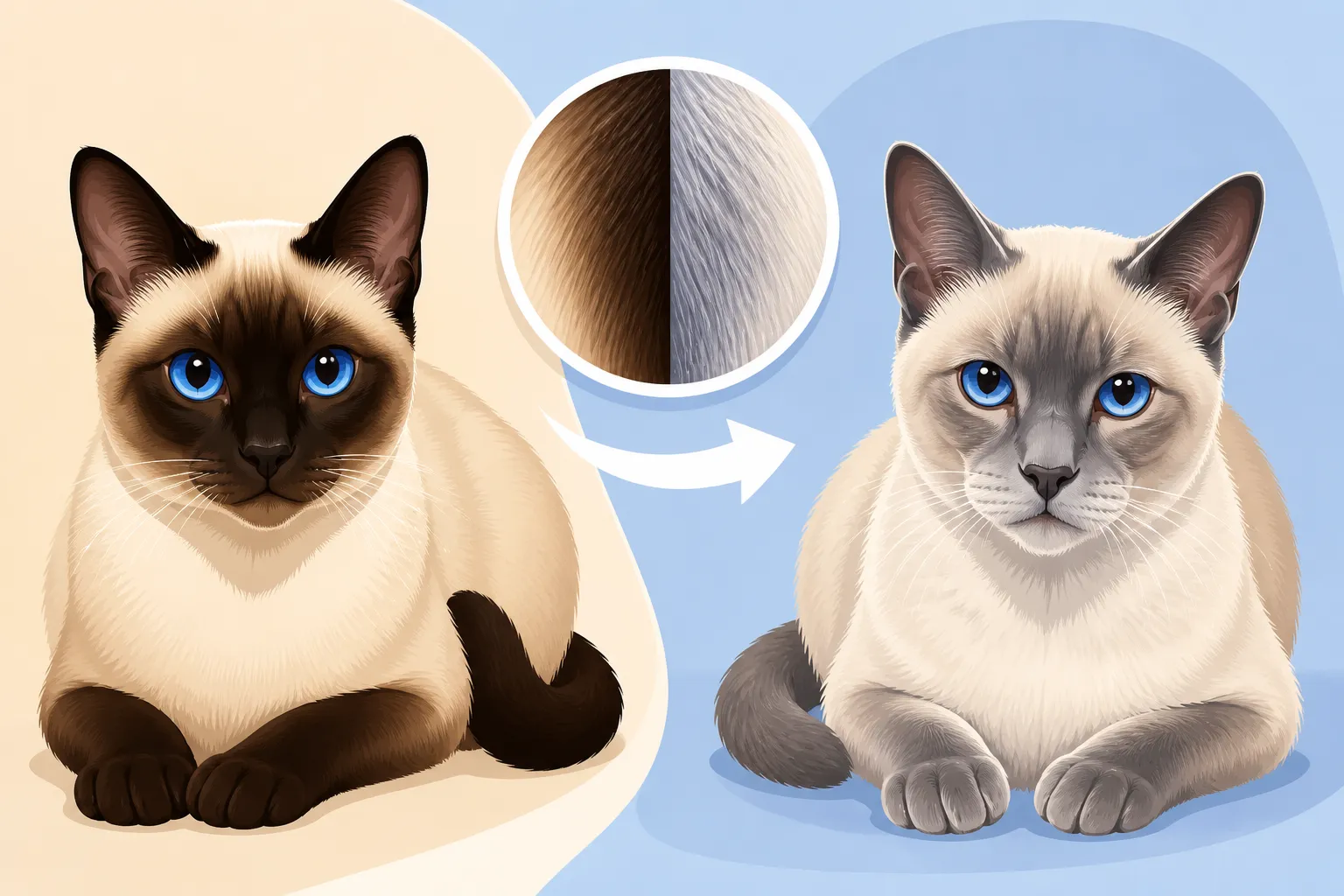
What Changes in an Aging Siamese Cat’s Coat
As our beloved Siamese companions age, they often undergo a myriad of subtle changes, and one of the most noticeable is often in their beautiful, sleek coats. It can be quite concerning to see your once vibrant, perfectly groomed Siamese start to look a little different, maybe a bit duller, coarser, or even patchy in places. We’re going to dive deep into what you can expect from your aging Siamese cat's coat, why these changes happen, and what you can do to keep them comfortable and looking their best.
The Inevitable Deepening of Color
One of the most characteristic features of a Siamese cat is its stunning point coloration, and as they age, you'll often notice a fascinating, albeit sometimes surprising, shift in these hues. It's a natural phenomenon, deeply tied to their unique genetics and environment, and it's certainly not something to worry about in most cases.
Why Points Darken with Age
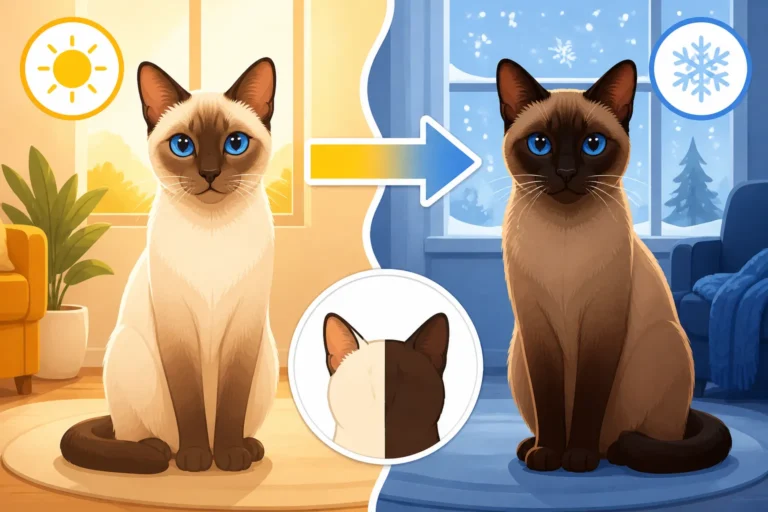
Siamese cats carry a temperature-sensitive gene that dictates their coat color. The extremities—face, ears, paws, and tail—are cooler than the core body, allowing pigment to develop and create those signature dark points. When they're tiny kittens, they’re often born almost entirely white or cream because they’ve been warm in their mother's womb. The Age a Siamese Cat Kitten Gets Its Points will give you more insight into this. As they grow and are exposed to cooler temperatures, their points develop.
As your Siamese cat transitions into their senior years, their body's overall metabolism and circulation can slow down a bit. This subtle internal shift means that the cooler parts of their body—those points we adore—can get even cooler, leading to a gradual increase in pigment production. What might have started as a crisp seal point could become a much richer, almost black-brown, or a delicate lilac point could deepen into a dusty lavender. It’s not just a minor change; sometimes, it’s quite dramatic. Imagine your blue point, which once had a lovely frosty grey, now sporting points that are almost as dark as a traditional seal point. It's a testament to their unique genetic makeup and a charming, if sometimes unexpected, part of their aging journey.
The "Muddying" of the Body Coat
Beyond the points, many Siamese owners observe a general darkening or "muddying" of the cat's main body coat as they age. That pristine, light cream or white body you once admired might start to take on a more tanned, brownish, or even slightly mottled appearance. This isn't just about the points spreading; it's a broader physiological shift. The gene that causes point coloration means that pigment can still develop on the warmer parts of the body, just at a much slower rate. Over years, this cumulative pigment can start to become visible.
Think of it like a photograph slowly developing over time. The body, which was once too warm for significant pigment, is now just cool enough, for just long enough, to show some color. This can be more pronounced in cats who tend to sleep in cooler spots, perhaps curled up on a tiled floor or by a drafty window. It’s also often more noticeable on their backs and flanks than on their bellies, which tend to remain warmer. You might even notice subtle stripes or ghost tabby markings appearing on their body as the base coat darkens, something that wasn't visible when they were younger.
Environmental Factors and Color Intensity
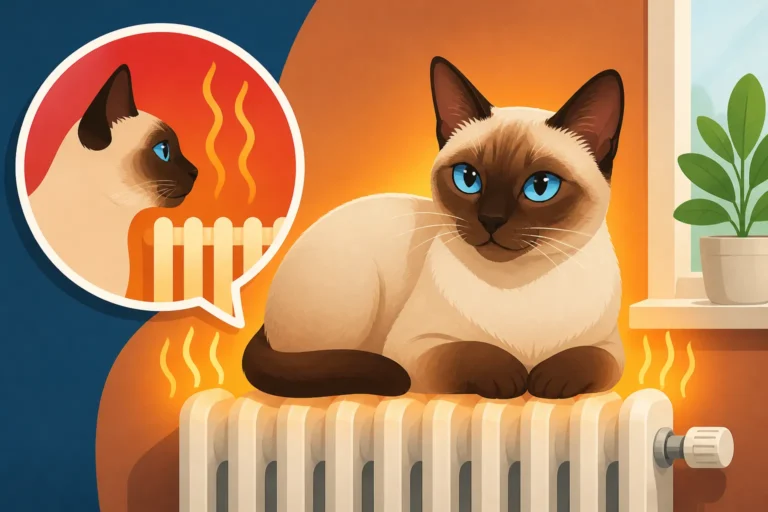
While age is a primary driver, external environmental factors play a significant role in how intensely your Siamese cat's coat darkens. Cats living in consistently cooler homes, for instance, tend to develop darker points and body coats earlier and more profoundly than those kept in warmer environments. It's simple thermodynamics at play. If your home has a tendency to be chilly, especially during winter months, you’ll likely see a more pronounced change in coat color. Whether a Siamese Cat Feels the Cold More is a great read to understand their thermal regulation.
Consider a Siamese who spent its youth in a temperate climate, then moved with its family to a colder region. You might be surprised by how much darker their coat becomes in just a few years. Conversely, a cat that lives in a very warm climate or spends a lot of time basking in sunny spots might retain a lighter body color for longer. Even a favorite sleeping spot can influence localized darkening. Perhaps your senior Siamese loves to curl up on a cold window ledge; don't be surprised if the fur on that side of their body takes on a deeper hue. It’s a constant, living canvas of temperature and time.
Changes in Coat Texture and Feel
Beyond color, the texture and density of your Siamese cat's fur can also undergo a transformation as they enter their golden years. That famously short, sleek, and almost paint-like coat might not feel quite the same anymore.
From Sleek to Slightly Coarser
The signature Siamese coat is known for being incredibly fine, short, and lying close to the body, almost like velvet. As a Siamese cat ages, however, you might notice that this exquisite texture changes. Their fur can become a little coarser, perhaps not as silky to the touch, and might even stand out from the body a bit more rather than lying perfectly flat. This isn't necessarily a sign of illness, but often a natural part of the aging process where skin elasticity changes and individual hair shafts themselves might become thicker or less pliable.
You might find yourself stroking your senior cat and noticing that the sleekness you’ve always associated with their breed is now slightly diminished. It’s a bit like human hair changing texture with age – it’s just part of the natural wear and tear on the body’s systems. While a young Siamese cat's coat often has a lovely sheen, an older cat's coat might appear a bit duller even when clean, reflecting less light. It’s a subtle shift that can sneak up on you over time, but it's a common observation among owners of geriatric Siamese.
Thinning Fur and Patchiness
Another change you might observe is a general thinning of the fur, or even areas of patchiness. This isn't always uniform; sometimes it’s more noticeable on the flanks, belly, or inner thighs. As cats age, their skin thins and becomes more fragile, and hair follicles can become less active. This reduced hair production can lead to a less dense coat overall. If your Siamese has always been particularly lean, as many are, this thinning might make them appear even more bony. Why a Siamese Cat Stays So Thin can provide more details on their natural slender build.
Occasionally, you might see small, sparse patches or areas where the fur seems to grow back more slowly after being shed. While a little thinning can be normal, significant or sudden patchiness, or bald spots, should always warrant a vet visit. It could indicate underlying health issues like thyroid problems, parasites, or even skin infections, which are more common in older cats. It’s a fine line between normal aging and a symptom of something more serious, so trust your instincts and seek professional advice if you’re concerned.
Dryness, Dandruff, and Oil Production
Aging skin isn't just about wrinkles; it also affects oil gland production. In senior Siamese cats, these glands can become less efficient, leading to drier skin and a corresponding increase in dandruff. You might notice little white flakes in their fur, especially when you pet them, or see their skin looking a bit flaky underneath the coat. This dryness can also make the fur itself appear duller and feel less soft.
Conversely, some older cats might experience the opposite problem, with an increase in oil production in certain areas, leading to greasy or matted patches. This can sometimes be linked to certain medical conditions or simply an individual variation in how their skin ages. Whether it's excessive dryness or unexpected greasiness, these changes are often compounded by a decrease in effective self-grooming, which we’ll discuss next. Maintaining proper hydration and a balanced diet, which we often overlook for our aging pets, can go a long way in supporting their skin and coat health, even if it doesn't completely reverse these age-related shifts.
Altered Grooming Habits and Their Impact
One of the less obvious but hugely impactful changes in an aging Siamese cat's coat comes from shifts in their own grooming routine. A cat’s fastidious self-grooming is usually a given, but for seniors, it can become a real challenge.
Reduced Flexibility and Self-Grooming
As our Siamese friends get older, their joints can stiffen, and their flexibility naturally decreases. Think about how difficult it can become for an elderly person to bend and stretch; it's much the same for our senior cats. Why an Old Siamese Cat Loses Muscle also contributes to this decline in agility. They may find it harder to twist and reach all those places they once effortlessly groomed, such as their lower back, the base of their tail, or even their hind legs. This reduction in mobility directly impacts their ability to keep their coat clean and free of loose fur.
You might notice that certain areas, previously pristine, start to look a little unkempt or even matted. The fur around their hips or on their lower back, for instance, might become duller or more prone to tangles. For a breed known for its immaculate appearance and short, easy-care coat—Grooming a Siamese Cat Takes Five Minutes a Week when they're young!—this decline in self-grooming can be quite noticeable and, frankly, a bit sad to witness. They still have the instinct to be clean, but their bodies simply can't cooperate as they once did.
Matted Fur and Hairball Woes
The consequence of reduced self-grooming is often an increase in matted fur and hairball problems. When cats don't adequately groom, loose hair isn't removed from their coat and can quickly become tangled and matted, especially in areas where they can't reach. While Siamese cats generally have short hair and aren't as prone to matting as long-haired breeds, elderly Siamese can still develop these uncomfortable tangles. Mats can pull on their sensitive skin, causing pain and even skin infections if left untended.
Furthermore, when they do manage to groom, the fur they ingest can be more substantial, leading to an increased frequency or severity of hairballs. A hairball can be more than just a nuisance; in an older cat, a large or frequent hairball can indicate digestive issues or even cause blockages, which are serious. It's a cruel irony that as they become less able to groom effectively, the consequences of what grooming they do manage can be more problematic. This is where we, as their human companions, step in to fill the gap.
The Role of Owner-Assisted Grooming
Given the challenges an aging Siamese faces with self-grooming, owner-assisted grooming becomes absolutely essential. What used to be a quick, weekly brush for a young Siamese now might need to be a gentle, daily ritual for your senior companion. How Often a Siamese Cat Needs Brushing needs to be re-evaluated for older cats. Using a soft brush or a grooming glove, you can help remove loose fur, stimulate circulation, and check for any skin issues.
This isn't just about aesthetics; it's about comfort and health. Regular brushing prevents mats, reduces hairballs, and allows you to bond with your cat while also monitoring their physical condition. If your cat is experiencing dry skin and dandruff, a gentle wipe-down with a damp cloth or a pet-safe grooming wipe can help. For serious matting, a professional groomer or vet might be needed to carefully shave them out, as attempting to cut them yourself can be dangerous. Think of grooming as a therapeutic massage for your senior Siamese, a chance to provide comfort and care that they can no longer provide for themselves.
Skin and Coat Issues Tied to Senior Health
It’s easy to dismiss coat changes as simply "old age," but sometimes, these external signs are windows into deeper, underlying health conditions that are more prevalent in senior Siamese cats.
Hormonal Influences on Skin and Fur
As cats age, their endocrine system, responsible for hormone production, can become less efficient. Conditions like hyperthyroidism, while often associated with weight loss and increased appetite, can also manifest in coat changes. A Siamese with hyperthyroidism might develop a greasy or unkempt coat due to increased oil production and a general decline in overall grooming. Conversely, less common hormonal imbalances could lead to dry, brittle fur and excessive shedding.
Imagine your once sleek, vibrant Siamese now looking a bit scruffy, almost as if they haven't bothered to groom for days, despite their best efforts. This could be a subtle clue that something is amiss internally. Hormonal changes also affect skin elasticity and regeneration, meaning minor skin irritations might take longer to heal, or wounds might be more prone to infection. Any drastic or sudden change in coat quality, especially if accompanied by other symptoms like changes in appetite, energy levels, or litter box habits, should always prompt a visit to your veterinarian.
Nutritional Deficiencies Showing in the Coat
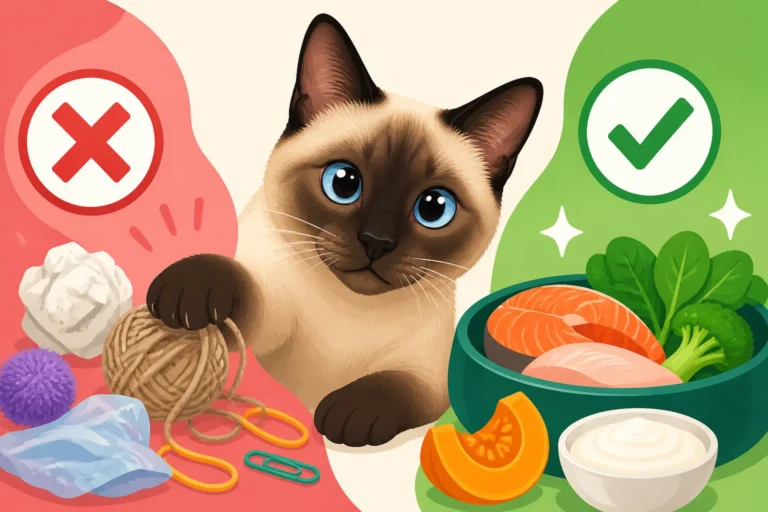
A well-balanced diet is critical for healthy skin and a lustrous coat at any age, but it becomes even more vital for senior Siamese cats. Their digestive systems might not absorb nutrients as efficiently, or they might have specific dietary needs that have changed over time. If their diet is lacking in essential fatty acids (like Omega-3s and Omega-6s), vitamins, or quality protein, their coat will often be the first to show it. This can manifest as dry, flaky skin, a dull or brittle coat, or even excessive shedding that isn't seasonal.
Many senior cats experience a decrease in appetite or develop dental problems that make eating their usual food difficult. If you're struggling to find food your senior Siamese will eat, or if they seem to be losing weight despite eating, their coat will inevitably suffer. Whether an Aging Siamese Cat Needs Softer Food is an important consideration here. Fresh, human-grade cat food can be highly palatable and easier to digest for older cats, potentially providing the nutrient boost their aging coat needs. Likewise, adding a good quality fish oil supplement, perhaps mixed into wet food, can significantly improve skin hydration and coat shine. Consult your vet to ensure any dietary changes or supplements are appropriate for your cat's specific health needs.
Underlying Illnesses and Their Coat Indicators
Beyond hormonal and nutritional issues, a variety of other underlying illnesses can subtly—or not so subtly—impact a senior Siamese cat's coat. Kidney disease, for example, is unfortunately common in older cats and can lead to a dull, dry, and poor-quality coat due to dehydration and toxin buildup. Liver disease can cause jaundice, which might subtly tint their skin or even the white parts of their fur a yellowish hue, though this is less common with their point coloration. Even chronic pain, such as from arthritis, can lead to overgrooming or undergrooming in specific areas, creating patches of hair loss or matting.
Table: Common Senior Cat Ailments and Their Coat Signs
| Ailment | Common Coat/Skin Signs | Why it Happens |
|---|---|---|
| Kidney Disease | Dull, dry, brittle coat; sometimes thin. | Dehydration, electrolyte imbalances, toxin buildup affecting skin health. |
| Hyperthyroidism | Greasy, matted, unkempt coat; excessive shedding. | Increased metabolism, often accompanied by poor grooming habits. |
| Arthritis/Pain | Matted fur in hard-to-reach areas; localized hair loss. | Reduced flexibility for grooming; over-licking painful spots (psychogenic alopecia). |
| Diabetes | Dry, dull coat; sometimes secondary skin infections. | Poor circulation, impaired immune function, dehydration. |
| Dental Disease | Poor grooming, matted fur around face. | Painful mouth makes self-grooming uncomfortable. |
| Parasites | Itching, scabs, hair loss, poor coat quality. | Immune system may be weaker, making infestations more persistent. |
It's crucial to remember that your senior Siamese cat might be adept at hiding pain or discomfort, so subtle coat changes can be among the first visible indicators that something deeper is going on. Regular veterinary check-ups for Caring for a Siamese Cat Past Twelve are indispensable for catching these issues early.
Supporting Your Senior Siamese's Coat Health
While some changes are inevitable with age, there's a lot you can do to support your senior Siamese's coat and skin health, making their golden years more comfortable and vibrant.
Tailoring Nutrition for an Aging Coat
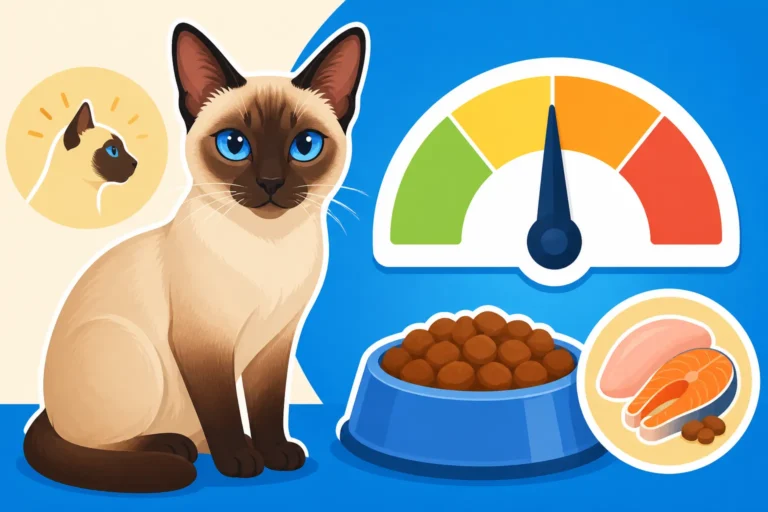
Nutrition is paramount for a healthy coat, especially as your Siamese cat ages. Their dietary needs shift; they often require more easily digestible proteins, specific fatty acids, and sometimes higher calorie density if they are losing weight. Look for high-quality senior cat foods that emphasize good sources of Omega-3 and Omega-6 fatty acids, often derived from fish oil. These essential fatty acids are building blocks for healthy skin and a lustrous coat, helping to combat dryness and improve elasticity.
If your Siamese is particularly prone to dry skin or a dull coat, consider supplementing their diet with a high-quality fish oil specifically formulated for cats. You can find these at pet stores or online retailers like Chewy or Amazon. Always introduce new foods or supplements gradually and discuss them with your vet to ensure they're appropriate for your cat's health status, especially if they have underlying conditions like kidney disease. Offering a mix of wet and dry food can also help ensure adequate hydration, which is vital for skin health, and Whether an Aging Siamese Cat Needs Softer Food might be key if they have dental issues.
Gentle Grooming and Skin Care Routines
As we discussed, owner-assisted grooming becomes critical. Establish a daily or every-other-day routine of gentle brushing. Use a soft-bristled brush or a grooming mitt to remove loose fur, stimulate circulation, and distribute natural skin oils. This not only prevents matting and hairballs but also provides a wonderful bonding opportunity. Pay extra attention to areas they can no longer reach, like their lower back, under their chin, and around their hindquarters.
For dry, flaky skin, a simple routine of gently wiping their coat with a damp cloth can help remove flakes and provide some moisture. There are also pet-safe moisturizing sprays available. If your Siamese has unusually oily or greasy patches, a vet-prescribed medicated shampoo might be necessary, but generally, Siamese cats rarely need baths. If you do bathe them, ensure it's a calm, warm experience, using only cat-specific shampoos to avoid irritating their sensitive skin. After any bath, make sure they are thoroughly dried to prevent chilling, especially if Whether an Aging Siamese Cat Feels the Cold More is a concern for them.
Environmental Considerations for Comfort
Creating a comfortable environment can indirectly support your senior Siamese's coat health. Ensure they have warm, soft places to rest, especially if they're feeling the cold more acutely. Heated cat beds can be a wonderful luxury for an older cat, providing soothing warmth that can improve circulation and overall comfort. Good circulation contributes to healthier skin and fur.
Maintain a consistent, comfortable temperature in your home, avoiding extreme fluctuations that might impact their coat's natural color development or their overall well-being. Additionally, a clean environment helps reduce allergens and irritants that could affect their skin. Regular vacuuming and dusting can make a surprising difference for sensitive older cats. Ultimately, observing your cat's behavior, paying attention to subtle changes, and partnering with your veterinarian are the best ways to ensure your aging Siamese cat's coat—and their overall health—remains as splendid as possible for all their The Fifteen to Twenty Years a Siamese Cat Gets.
Disclaimer
This article is for general informational purposes only and does not constitute professional advice. Laws, prices and regulations vary by location and change over time. Consult a qualified professional for guidance on your specific situation.