How Much a Siamese Cat Changes Color in Winter
You've probably noticed your gorgeous Siamese cat's coat looking a little different as the seasons turn, perhaps a bit darker or richer in color when the temperatures drop. This isn't just your imagination or a trick of the light; it's a fascinating and completely normal characteristic of the breed, driven by genetics and environmental factors. This guide will dive deep into why your Siamese cat's coat changes color in winter, how much you can expect it to darken, and what it means for their overall health and well-being.
The Science Behind Siamese Cat Color Change
It might seem like magic, but your Siamese cat's stunning color transformation is rooted in a fascinating biological process. Understanding this mechanism not only satisfies your curiosity but also helps you appreciate the unique beauty of these felines.
The Tyrosinase Enzyme and Temperature Sensitivity
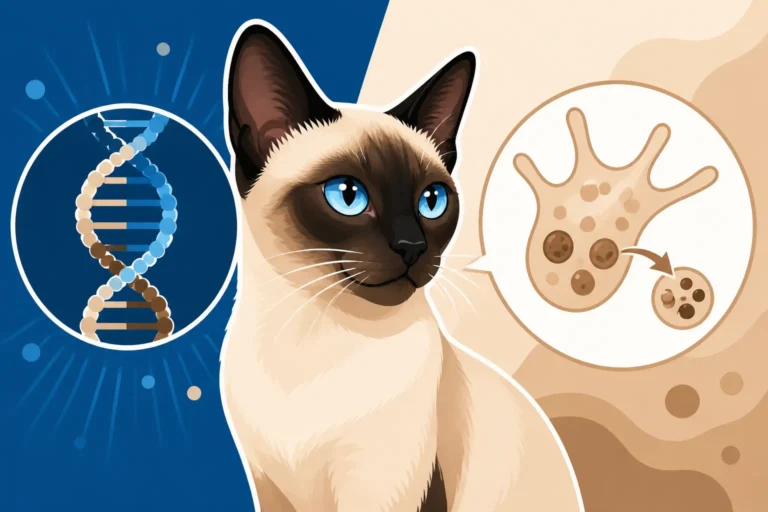
The secret to a Siamese cat's color lies in a specific enzyme called tyrosinase. Most cats have tyrosinase that works efficiently at normal body temperatures, distributing pigment evenly throughout their fur. However, Siamese cats carry a mutated form of this enzyme, which is heat-sensitive. This means the enzyme can only produce pigment effectively in cooler temperatures.
Think of it like this: your Siamese cat's core body temperature is too warm for the enzyme to activate, so the fur growing there remains pale, often a creamy white or light fawn. But in the cooler extremities – the points – such as their ears, paws, tail, and face, the temperature drops just enough for the tyrosinase to become active. This is where the pigment, usually a deep brown (seal point), blue-grey (blue point), chocolate brown (chocolate point), or pinkish-grey (lilac point), develops. This remarkable genetic trait is what gives Siamese cats their distinctive "pointed" pattern. You can learn more about this incredible genetic trait in What Point Coloration in a Siamese Cat Is.
How Temperature Controls a Siamese Cat's Color
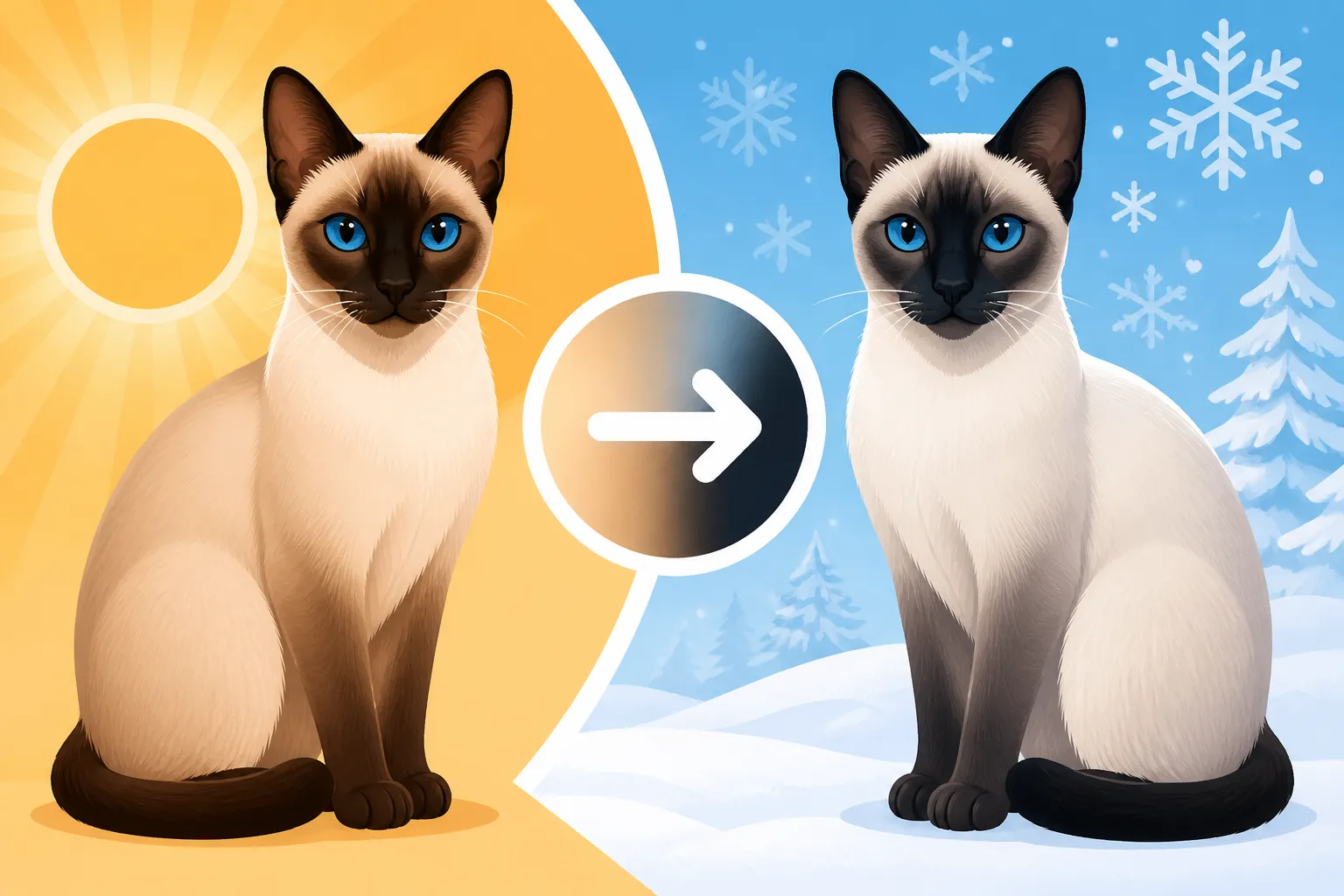
The ambient temperature of their environment plays a direct role in how much pigment the heat-sensitive tyrosinase enzyme can produce. When the weather gets colder, like during winter, your cat's body surface temperature, especially on its extremities, naturally cools down a bit more. This extended period of lower temperatures allows the tyrosinase enzyme to be more active for longer, resulting in a deeper, more pronounced coloration on their points and often a general darkening of their body fur.
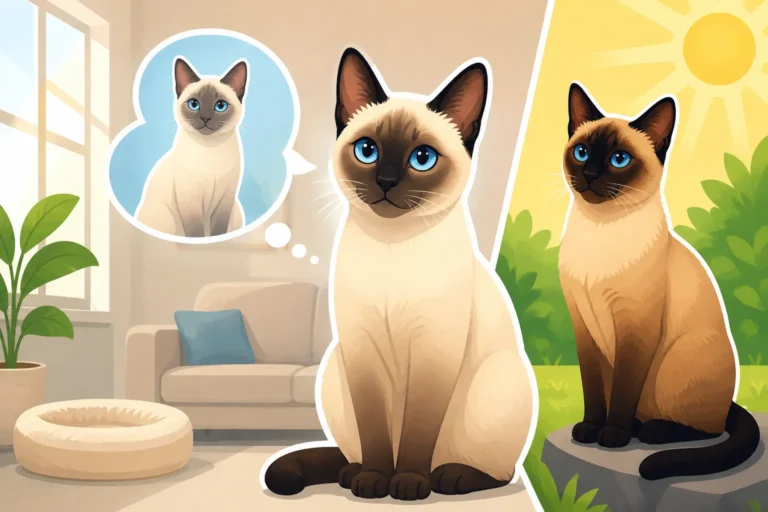
Conversely, in warmer months, or if a Siamese cat lives in a consistently warm climate, their points might appear lighter and their body creamier. It’s a dynamic interplay between their genetics and their surroundings. It's truly incredible how their fur acts like a living thermometer, reflecting the environmental conditions they live in. This is why A Siamese Cat's Points Are Made by Temperature is such a fundamental aspect of their breed.
How Much Darkening to Expect in Winter
The degree to which a Siamese cat's coat darkens in winter can vary significantly from one cat to another. It's not a one-size-fits-all phenomenon, and several factors come into play.
Factors Influencing Winter Darkening
Firstly, the specific point color of your Siamese cat will dictate how noticeable the darkening is. Seal points, with their already dark brown points, might develop an almost black hue on their extremities, and their body fur can shift from a light fawn to a deeper, richer tan. Blue points, which start with a soft blue-grey, can deepen to a slate grey, with their bodies becoming a smoky beige. Chocolate points will see their milky chocolate points turn a darker, richer cocoa, and their bodies might take on a more pronounced ivory tone. Lilac points, starting with a delicate pinkish-grey, will often deepen to a true lilac or even a subtle mushroom tone, with their bodies showing a hint of cool grey. The darker the base point color, the more dramatic the winter change can appear.
Age also plays a crucial role. How Dark a Siamese Cat Gets With Age is a common concern for owners. Kittens, for example, are born completely white because they've been cozy inside their mother's womb. As they grow and are exposed to cooler air, their points develop. You can see this progression clearly in The Age a Siamese Cat Kitten Gets Its Points. As a Siamese cat matures, their body fur generally darkens over the years, regardless of season, becoming less starkly contrasted with their points. Older cats, therefore, might show a more subtle seasonal shift because their baseline color is already deeper. Their activity level can also be a factor; a less active cat that spends more time snuggled up might maintain a slightly lighter body color than a more adventurous one.
Real-Life Examples of Seasonal Color Shifts
Imagine a Seal Point Siamese named Luna who lives in a New England home with a cozy, but not overly heated, living room. In the summer, her cream body might be quite pale, almost white, with her dark brown points providing a striking contrast. Come winter, especially if she loves to nap by a slightly cooler window, her body fur might take on a distinct light brown or even taupe shade. Her points, already dark, might appear nearly black, giving her a more intense, dramatic look.
Then there's Oliver, a Lilac Point Siamese in a California household where the climate is milder. His changes might be less drastic. In summer, his body is a pristine off-white with delicate pinkish-grey points. In winter, his points might deepen to a true dove grey, and his body fur could take on a very faint, cool beige tint. The contrast is still there, but the overall shift is more understated. Both are perfectly normal expressions of the Siamese gene. If you have any concerns about your cat feeling the cold, remember that Keeping a Siamese Cat Warm is important for their comfort, even if it affects their color.
Managing Your Siamese Cat's Environment for Coat Color
While you can't fundamentally change your Siamese cat's genetics, you can understand how their living environment influences their beautiful coat. The key is to prioritize their comfort and health above any aesthetic preferences for a lighter or darker coat.
Indoor vs. Outdoor and Home Temperature
A Siamese cat that spends time outdoors, or in a cooler garage or conservatory, will almost certainly develop darker body fur than one that lives in a consistently warm indoor environment. This is simply due to more prolonged exposure to lower temperatures. Most modern Siamese cats are indoor-only pets, and for good reason—it keeps them safe from outdoor hazards. For indoor cats, the ambient temperature of your home will be the primary factor.
If your home is kept at a comfortable, consistent temperature year-round, your Siamese cat's seasonal color changes might be less pronounced. However, if you let the house cool down significantly at night or when you're out during winter, you'll likely see a greater darkening. There's no "right" temperature purely for coat color, but for your cat's comfort, maintaining a steady, warm environment is important. Many owners, especially those with slender Siamese cats that feel the cold, find that a heated cat bed from retailers like Chewy or a cozy sweater helps them stay snug when the thermostat is set lower. You can explore How Much a Siamese Cat Lightens in a Warm House and How Much a Siamese Cat Darkens in a Cold House for more insights into this temperature-color relationship.
Grooming and Nutrition: Beyond Just Temperature
While temperature is the primary driver of point coloration, overall coat health also plays a role in how vibrant and rich the color appears. Regular grooming, even for a short-haired Siamese, helps to remove loose fur and distribute natural oils, contributing to a healthy, shiny coat that reflects its true color. A soft brush or grooming glove used a couple of times a week is usually sufficient.
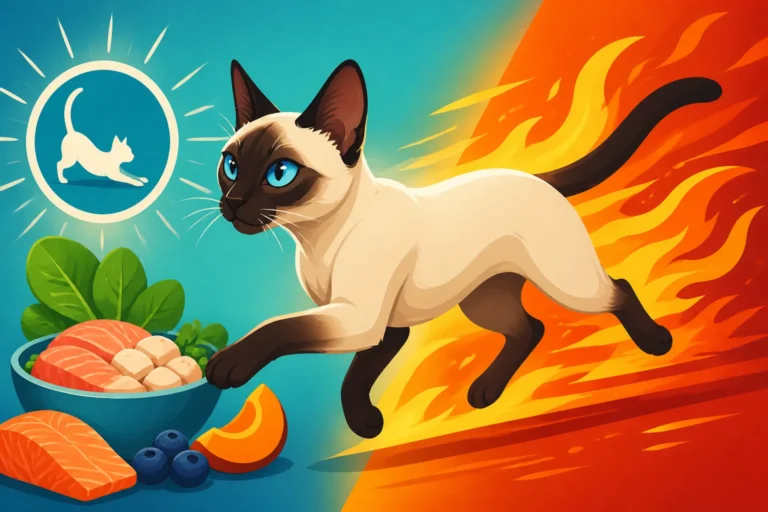
Nutrition is another cornerstone of a healthy coat. A high-quality diet rich in essential fatty acids, vitamins, and minerals supports skin health and fur growth. Some owners explore fresh food options, which are said to improve coat quality. While specific foods won't directly alter the tyrosinase enzyme's function, a cat that is thriving internally will naturally have a more lustrous and well-pigmented coat. Always ensure your cat has access to plenty of fresh water, which is vital for all bodily functions, including skin and coat health.
Is Extreme Color Change a Cause for Concern?
For the most part, a Siamese cat's natural color changes are nothing to worry about and are simply a charming aspect of the breed. However, there are a few instances where a sudden or unusual change might warrant a closer look.
Normal vs. Abnormal Darkening
Normal darkening is gradual, symmetrical, and occurs in response to environmental temperature changes, particularly during cooler seasons. You might notice a general deepening of the body color and intensification of the points. This is part of the natural beauty of Why a Siamese Cat Darkens Every Winter. An abnormal darkening, however, would be sudden, patchy, or localized without a clear environmental reason.
One common scenario where localized darkening occurs is after surgery or an injury where the fur is shaved. The shaved area, exposed to cooler air, will often grow back significantly darker than the surrounding fur, as the tyrosinase enzyme in those exposed hair follicles becomes more active. This is a temporary phenomenon, and the fur usually returns to its normal shade once it grows out and the area warms back up. This fascinating aspect is covered in detail in The Shaved Patch That Grows Back Dark on a Siamese Cat. Unless it's accompanied by other symptoms like lethargy, appetite changes, or skin irritation, natural seasonal darkening is almost always benign.
When to Consult Your Veterinarian
While seasonal color changes are typically normal, it's always wise to consult your veterinarian if you observe any unusual or sudden changes in your Siamese cat's coat color or quality, especially if accompanied by other concerning symptoms. For instance, if you notice hair loss in conjunction with color changes, or if your cat's skin appears red, flaky, or irritated, it could indicate an underlying skin condition or allergy.
Additionally, if your cat's coat suddenly becomes dull, greasy, or excessively sheds, it could be a sign of nutritional deficiencies, internal parasites, or even a systemic illness. While rare, certain medical conditions can sometimes affect coat quality. For instance, an older cat developing hyperthyroidism might have a coarser, unkempt coat. It’s always best to err on the side of caution and have your vet rule out any health issues. Retailers like Amazon offer a wide range of pet care books and supplements, but nothing replaces professional veterinary advice for health concerns. A healthy Siamese cat will typically have a soft, sleek coat that reflects its well-being, whatever its seasonal color.
Disclaimer
This article is for general informational purposes only and does not constitute professional advice. Laws, prices and regulations vary by location and change over time. Consult a qualified professional for guidance on your specific situation.