The Age a Siamese Cat Kitten Gets Its Points
It's one of the most exciting, yet often puzzling, aspects of bringing a tiny Siamese kitten home: watching for those characteristic dark points to emerge. You’ve probably seen pictures of stunning adult Siamese cats with their striking contrast, and then you look at your adorable, almost entirely white fluffball and wonder, "When do those beautiful chocolate, seal, blue, or lilac tips actually start to appear?" This guide will walk you through the fascinating process of how and when your Siamese kitten develops its signature coloration, explaining the science and what to expect during those precious first months.
The Science Behind Siamese Point Coloration: A Cool Phenomenon
Let's dive into the fascinating biology that makes a Siamese cat's coat so unique. It’s not just magic; it’s a brilliant genetic quirk that relies heavily on temperature. Understanding this helps immensely when you're waiting for those points to show up, or when you notice changes later in life.
The Role of the Tyrosinase Enzyme
At the heart of the Siamese cat's distinctive coat pattern is a specific genetic mutation. This mutation affects the tyrosinase enzyme, which is absolutely crucial for producing melanin, the pigment responsible for hair, skin, and eye color. Think of tyrosinase as a tiny little color factory worker in your cat's body. In most cats, this worker is always on the job, happily churning out pigment regardless of the surrounding temperature. But in Siamese cats, this enzyme is a bit of a diva; it's sensitive to heat.
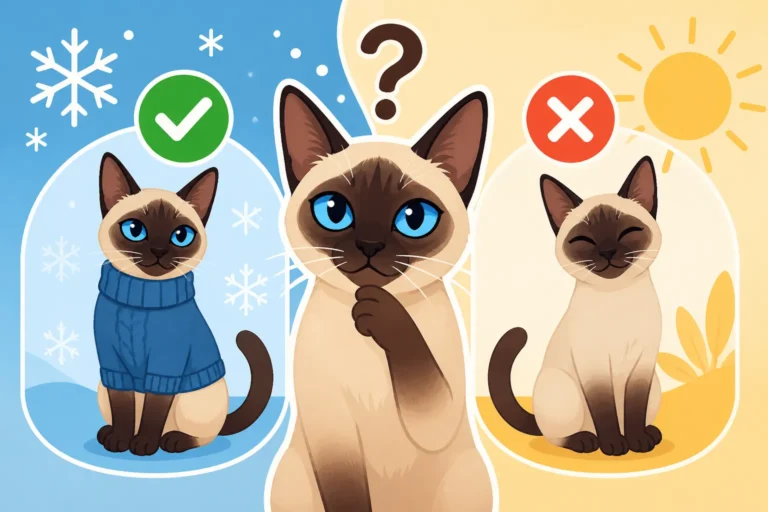
What this means is that the tyrosinase enzyme only functions properly and produces pigment when the body temperature is lower. When it's warmer, the enzyme gets "denatured" or simply stops working efficiently. This is the scientific reason why Siamese cats have darker coloration on the cooler parts of their bodies – their ears, face, paws, and tail – and a lighter coat on their core, which is naturally warmer. This temperature-dependent enzyme is why your kitten is born white, as we'll discuss, because they're nice and toasty inside their mom's womb! This unique genetic trait is what gives us the stunning contrast we adore.
Why a Siamese Kitten is Born White
Imagine spending nine weeks in a cozy, warm environment, perfectly insulated and snug. That's exactly what a kitten experiences in its mother's womb. Because the uterine environment is consistently warm, typically around 100-102°F (37.8-38.9°C), the temperature-sensitive tyrosinase enzyme in a developing Siamese kitten cannot activate. It simply can't do its job of producing pigment.
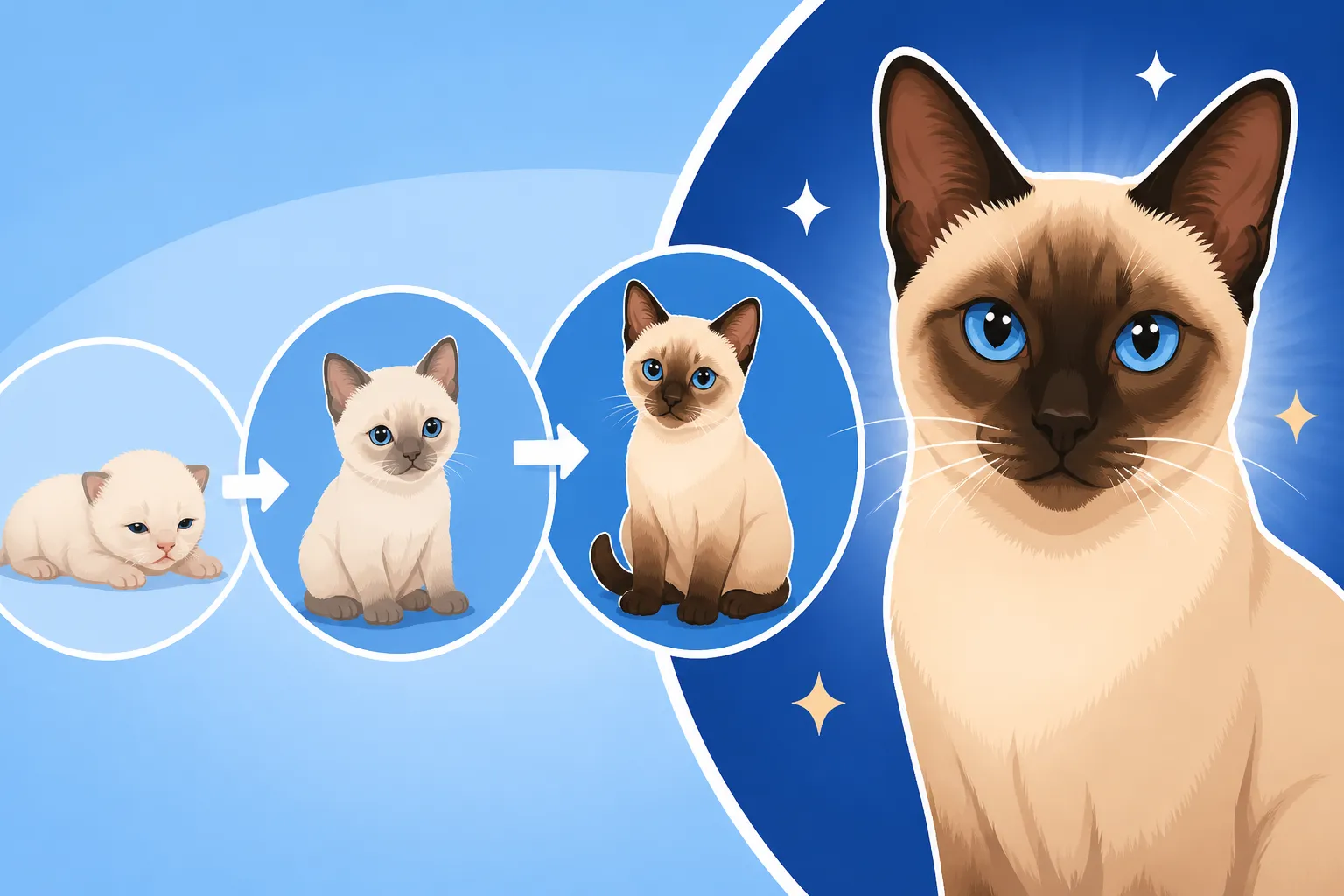
This is why every single Siamese kitten, regardless of its future point color, is born virtually all white or a very, very pale cream. It can be quite a surprise for first-time Siamese owners who might expect a faint hint of color, but rest assured, it’s completely normal! There are no tiny seal points or blue socks on a newborn Meezer. It’s a clean slate, ready for the world’s cooler temperatures to begin working their magic. This initial blank canvas is a beautiful testament to Why a Siamese Cat Kitten Is Born White.
The Emergence of Color: A Timeline of Point Development
Watching your Siamese kitten's points develop is like a slow-motion magic trick. It doesn't happen overnight, but rather unfolds gradually over the first few weeks and months of their life. Knowing what to look for and when can make the process even more enjoyable.
First Faint Hints (1-2 Weeks Old)
The very first subtle signs of point coloration usually start to appear around one to two weeks of age. At this point, you're not going to see dramatic dark points; instead, look for the most delicate wash of color. This might manifest as a very, very pale, almost translucent greyish hue on their tiny ears, or perhaps a faint whisper of color on the tips of their little noses and paws. It's often so subtle that you might second-guess yourself, wondering if it's just a trick of the light.
Think of it like a watercolor painting where the artist has just applied the first, lightest wash. The ambient temperature of their new world outside the womb is starting to allow that tyrosinase enzyme to do its work, albeit slowly. The body parts that are naturally cooler, like the extremities, are the first to show this pigment development. If you look closely, especially in good natural light, you might catch these initial hints. It's truly a blink-and-you-might-miss-it stage, but it's the beginning of their transformation.
Clearer Definition and Darkening (3-6 Weeks Old)
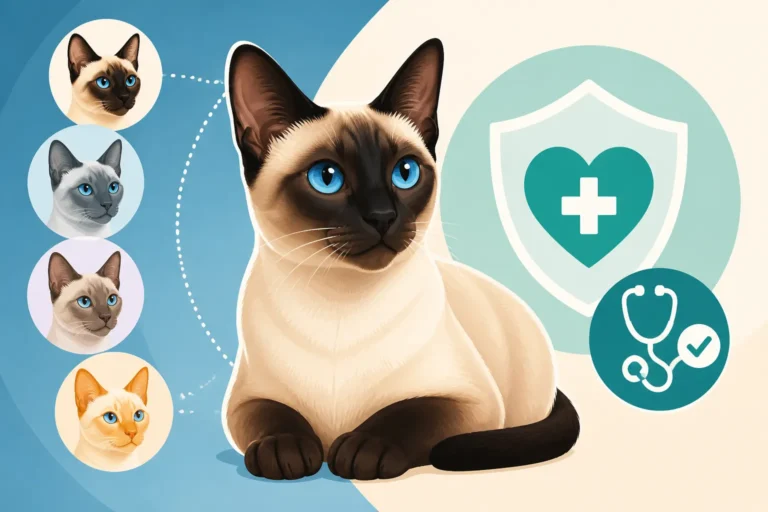
As your Siamese kitten progresses from three to six weeks old, the points will become noticeably clearer and begin to deepen in color. This is when you can often start to distinguish the actual point color your kitten will be. If you have a Seal Point, those ears and paws will take on a distinct dark brown. For a Blue Point, you’ll see a slate grey emerging, while Chocolate Points will show a warmer, milkier brown, and Lilac Points a delicate, frosty grey-pink.
The extremities continue to lead the charge, with the ears, nose leather, and paw pads becoming more pronounced. The tail will also start to show more definite signs of its future color. During this period, the contrast between the developing points and the still-pale body becomes more apparent, making your kitten look adorably mismatched in the best possible way. This stage is crucial for identifying Which Point Color Shows Up First on a Siamese Cat and gives you a much better idea of what your adult cat will look like. It's an exciting time where their true colors really start to shine through.
Full Development of Points (3-6 Months Old)
While you'll have a good idea of your kitten's point color by six weeks, the full depth and richness of their coloration usually isn't established until they are between three and six months old. During these months, the points will continue to darken and spread slightly, creating that characteristic mask on their face and more extensive coloration on their legs and tail. The contrast between the points and the body will become sharper, more defined, and utterly captivating.
The intensity of the color can vary based on several factors, including genetics, diet, and even the ambient temperature of your home. A kitten raised in a slightly cooler environment might develop darker points more quickly than one kept in a very warm house. By six months, your Siamese kitten will look much more like the adult Siamese you recognize, complete with its beautifully expressed points. It’s a remarkable journey from that tiny white newborn to a strikingly colored adolescent.
Factors Influencing Point Development Speed and Shade
The emergence and final shade of your Siamese cat's points aren't just a set-it-and-forget-it genetic switch. There are several environmental and individual factors that play a significant role. This is why no two Siamese cats are exactly alike in their coloring journey, even within the same litter!
Ambient Temperature of the Environment
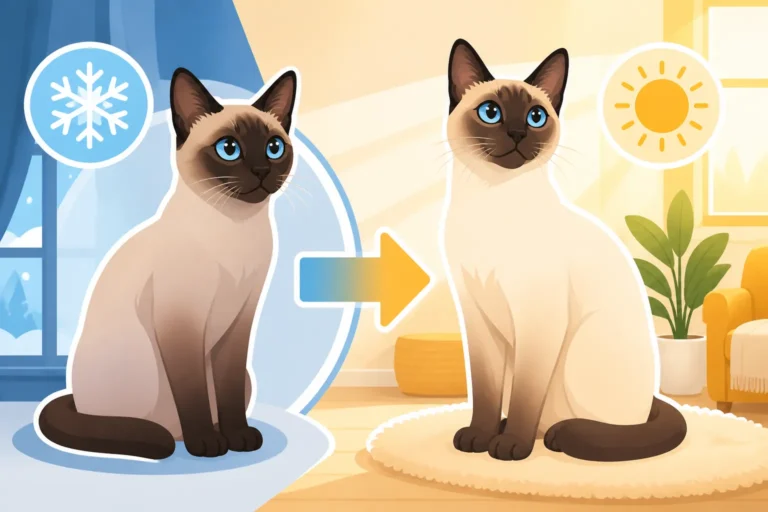
As we discussed with the tyrosinase enzyme, temperature is the absolute king when it comes to Siamese coloration. The cooler the environment, the more efficiently the enzyme works, leading to darker and potentially more rapidly developing points. Conversely, a very warm home environment can slow down the darkening process and result in slightly paler points overall.
This isn't to say you should keep your house freezing for a darker cat – definitely not! Your kitten's health and comfort come first, always. But it explains why a Siamese cat in a cold climate might naturally have darker, more expansive points than one living in a perpetually warm tropical home. It also explains the common phenomenon of How Much a Siamese Cat Darkens in a Cold House during winter months and lightens in summer. Many owners observe subtle shifts throughout the year, with their cat's coat becoming richer in color during cooler seasons.
Genetics and Specific Point Color
While temperature is a huge external factor, the underlying genetics of your particular Siamese kitten will also dictate the potential shade and depth of their points. Not all Seal Points will be the exact same shade of dark brown, just as not all Blue Points will be the identical shade of slate grey. There's a natural spectrum within each point color.
Some lines of Siamese cats are genetically predisposed to have richer, darker points, while others might naturally be on the paler side. For example, a Seal Point is inherently going to develop a much darker point color than a Lilac Point, simply because of their genetic coding for pigment intensity. This genetic component works in conjunction with temperature, setting the baseline for what's possible for your individual cat's coat.
Nutrition and Overall Health
A healthy, well-nourished kitten is more likely to develop its full, vibrant coloration. A diet rich in high-quality protein, essential fatty acids, and vitamins can support overall coat health and pigment production. If a kitten is struggling with poor nutrition or a chronic illness, its body might prioritize essential functions over luxurious coat development, potentially leading to slightly duller or slower-to-develop points.
Ensuring your kitten receives a balanced diet, whether it's high-quality dry food, wet food, or even a balanced fresh food option, is paramount. A wide range of premium kitten foods is designed to support healthy growth and development. If you're ever concerned about your kitten's diet or health, always consult with your veterinarian. A cat's coat is often a good indicator of its overall well-being, so a shiny, well-pigmented coat usually means a happy, healthy kitty!
What to Expect as Your Siamese Grows
The point development journey doesn't stop once your kitten is six months old. Your Siamese cat's coat will continue to evolve throughout their life, offering fascinating insights into their unique physiology. Understanding these ongoing changes can help you appreciate your cat's beauty at every stage.
The Age a Siamese Cat's Points are Fully Set
While the distinct point colors are clearly visible by 3-6 months, the absolute full depth and spread of a Siamese cat's points can take up to a year or even slightly longer to truly mature. You might notice the "mask" on their face continuing to extend, or the points on their legs and body becoming a bit more pronounced. This isn't a dramatic shift, but rather a subtle deepening and refinement of color over time.
Think of it like a fine wine – the colors continue to develop nuances as they age. This also means that the beautiful cat you see at 6 months might be even more stunning at 12 or 18 months, as their coat reaches its peak richness. It's a long game, but the payoff is a magnificent, fully expressed Siamese coat.
Ongoing Color Changes Throughout Life
One of the most charming and sometimes surprising aspects of owning a Siamese is their dynamic coat color. It's not static! You might notice Why a Siamese Cat Darkens Every Winter or lightens a bit in summer, reflecting the ambient temperature of your home. If your cat spends a lot of time lounging in a sunbeam or snuggled under blankets, those warmer areas might remain paler. Conversely, if they adore cool spots or drafts, those areas might darken a touch.
Older Siamese cats also tend to darken overall, becoming what many owners affectionately call "body-marked." This is due to a natural slowdown in their metabolism and a slight drop in average body temperature as they age, allowing the tyrosinase enzyme to work more widely across their body. Don't be alarmed if your once light-bodied Siamese starts to look more like a caramel latte in their senior years; it's a completely normal part of their aging process. You can learn more about this in How Dark a Siamese Cat Gets With Age.
What About Shaved Patches?
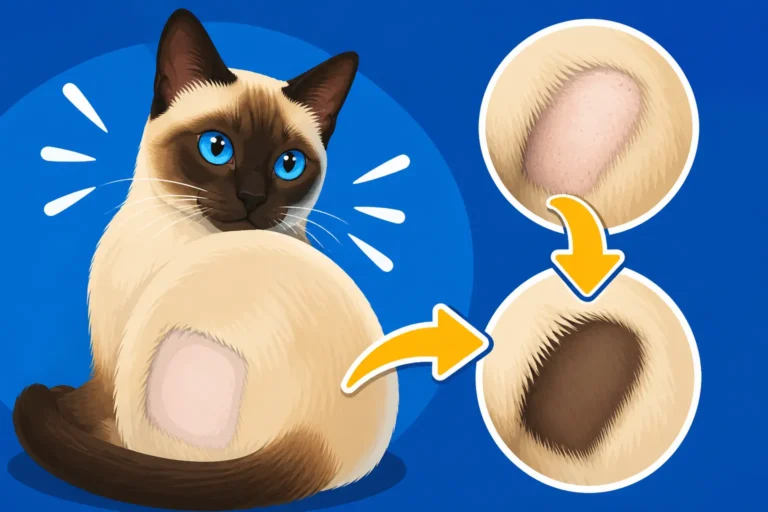
This is a fun and often surprising phenomenon for Siamese owners! If your Siamese cat ever needs surgery, a blood draw, or any procedure that requires shaving a patch of fur, you'll notice something peculiar when that fur starts to grow back. The new fur in the shaved area will almost always grow back significantly darker than the surrounding body coat.
Why? Because shaving exposes the skin to the cooler air, effectively lowering the local skin temperature. This creates an ideal environment for the temperature-sensitive tyrosinase enzyme to kick into high gear and produce more pigment. Over time, as the fur grows thicker and insulates the skin, and as your cat's natural body temperature warms the area, this dark patch will usually fade and blend back in with the surrounding coat. It's a harmless, temporary change that beautifully illustrates Why a Shaved Siamese Cat Grows Dark Fur. Many owners have stories of their cat coming home from the vet with a temporary dark "tattoo"!
Here's a quick overview of the typical Siamese point development:
| Age Range | Appearance | Key Factors Influencing Color |
|---|---|---|
| Newborn to 1 Week | Pure white to very pale cream, no visible points. | Warm uterine environment inhibits pigment production. |
| 1-2 Weeks | Faint, almost imperceptible greyish wash on ears, nose, paw pads. | First exposure to cooler ambient temperatures; enzyme slowly beginning work. |
| 3-6 Weeks | Clearer, more defined point color emerging on ears, nose, paws, and tail tip. | Continued exposure to cooler temperatures; genetic predisposition for specific point color. |
| 2-3 Months | Points deepening in color and spreading. Face mask becoming more evident. | Ongoing growth, consistent diet, and general health. |
| 3-6 Months | Points well-established, rich in color, good contrast with body. | Full genetic expression, stable environment. |
| 6 Months to 1 Year+ | Points continue to deepen subtly, overall coat continues to mature. | Gradual maturation, individual genetics. |
| Senior Years | Overall body coat may darken significantly, sometimes appearing "body-marked". | Natural drop in body temperature with age, allowing more widespread pigment production. |
Common Concerns and Misconceptions About Siamese Kitten Points
As you watch your kitten grow, it’s natural to have questions or even worries about their development. Many new Siamese owners share similar observations and sometimes misunderstand what’s normal for this unique breed. Let’s clear up some common concerns.
"My Kitten's Points Aren't as Dark as I Expected!"
It’s easy to look at pictures of adult Siamese cats and expect your tiny kitten to match that intensity right away. But remember, point development is a gradual process. If your kitten is still very young (under 3-4 months), it’s completely normal for their points to appear lighter than an adult cat’s. Also, keep in mind that different point colors naturally have different intensities. A Lilac Point will never be as dark as a Seal Point, for instance, regardless of temperature or age.
Furthermore, the ambient temperature of your home plays a huge role. If your house is consistently very warm, your kitten's points might develop a bit slower or remain a lighter shade than those of a kitten raised in a cooler environment. As long as your kitten is healthy, active, and eating well, there's usually no cause for concern about slightly paler points. They will likely continue to deepen over their first year and beyond. Whether a Pale Siamese Cat Kitten Stays Pale is often a concern, but patience is key!
"Is There Anything I Can Do to Make the Points Darker?"
While some environmental factors do influence point color, like the ambient temperature, there isn't really anything you should actively do to try and manipulate your cat's coloration. You certainly shouldn't try to keep your kitten in a cold room to force darker points, as this could lead to discomfort or even health issues. Your cat's health and well-being should always be the priority, not their coat color.
The depth and spread of their points are primarily determined by their genetics and the natural process of their unique enzyme interacting with their body temperature. Focusing on a high-quality diet and a comfortable, stable environment is the best way to support your Siamese cat's natural development, including their beautiful coat. Resist the urge to try "speeding up" the process or forcing a darker shade; your cat's natural beauty will emerge on its own terms. You might find great enrichment toys or comfortable beds on Amazon or Chewy to keep your developing kitten happy and healthy, but none of these will directly impact point color.
When to Consult a Vet About Coat Color
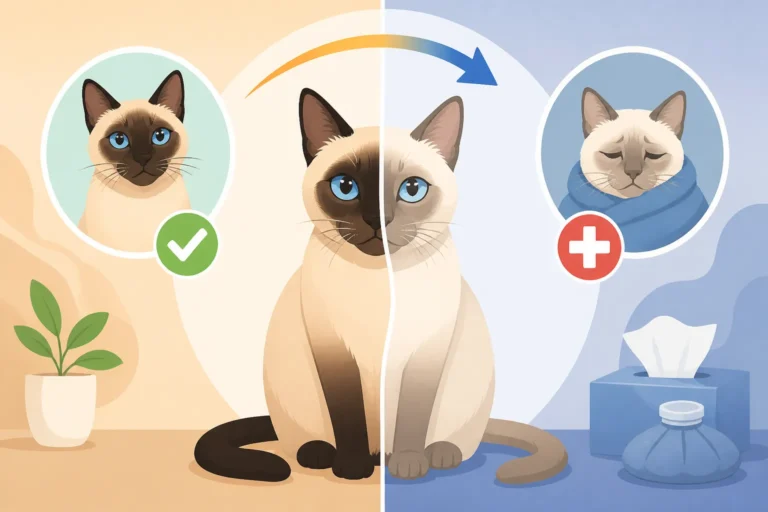
Generally, changes in a Siamese cat's point coloration are natural and harmless, simply reflecting their unique genetic makeup and environmental factors. However, if you notice sudden, dramatic changes in coat color (not just the seasonal or age-related darkening we discussed), or if the coat seems dull, greasy, or starts falling out in patches, it could be a sign of an underlying health issue.
For example, a sudden and significant lightening of points, especially if accompanied by other symptoms like lethargy, loss of appetite, or unusual thirst, could indicate a metabolic imbalance or other health problems. While Whether a Siamese Cat's Points Fade When It Is Ill is a common question, it’s more likely that overall coat condition would suffer. If you have any concerns about your kitten's health, or if the coat changes are accompanied by other worrying symptoms, always reach out to your veterinarian. They can perform a thorough examination and ensure your kitten is thriving.
Caring for Your Developing Siamese Kitten
As your Siamese kitten grows and their points emerge, providing them with the right care is essential for their overall health and happiness. Their unique coat and active personality mean they have specific needs that, when met, lead to a well-adjusted and vibrant companion.
Nutrition for Optimal Growth and Coat Health
During their rapid growth phase, Siamese kittens need a high-quality diet specifically formulated for kittens. Look for foods that are rich in protein to support muscle development and contain essential fatty acids (like Omega-3 and Omega-6) for healthy skin and a shiny coat. These nutrients are crucial for cell regeneration and can indirectly contribute to the vitality of their developing point coloration.
Many excellent kitten food options are available from reputable brands, both in dry and wet forms. You can find a vast selection on Chewy, which often provides detailed nutritional information and customer reviews. Some owners also explore fresh food options, but always consult with your vet to ensure any diet change meets all your growing kitten's nutritional requirements. Fresh water should, of course, always be readily available to them as well.
Creating a Comfortable and Stimulating Environment
Your Siamese kitten's environment impacts more than just their point color; it shapes their entire well-being. Siamese cats are known for their intelligence and high energy, so they thrive in an environment that offers plenty of mental and physical stimulation. This means more than just food and water; it means a rich landscape of opportunities for play, exploration, and interaction.
Provide them with sturdy cat trees for climbing, scratching posts to satisfy their natural instincts, and a variety of interactive toys. Siamese cats are highly social and crave interaction, so daily play sessions with you are a must. They also appreciate warmth, so cozy beds or blankets, perhaps even a heated bed, can be very comforting, especially as their points are developing in response to cooler temperatures. A stimulating environment helps prevent boredom and stress, contributing to a happy, healthy kitten who can fully express their natural beauty. Enrichment for a Siamese Cat That Gets Bored in an Hour is not just a luxury; it's a necessity.
Regular Vet Check-ups and Preventative Care
Routine veterinary care is crucial for monitoring your Siamese kitten's growth and ensuring they stay healthy. Your vet will track their weight, development, and overall condition, and can offer personalized advice on nutrition, vaccinations, and parasite prevention. These check-ups are also an opportunity to discuss any concerns you might have about their coat development or any other aspect of their health.
A healthy kitten is a happy kitten, and a healthy body supports healthy skin and coat. Staying on top of preventative care, like deworming and flea control, ensures that your kitten's body can focus its energy on growing strong and vibrant. Regular vet visits help establish a baseline for your cat's health, making it easier to spot any potential issues early on. It's an investment in their long, joyful life with you.
Disclaimer
This article is for general informational purposes only and does not constitute professional advice. Laws, prices and regulations vary by location and change over time. Consult a qualified professional for guidance on your specific situation.