How Much a Siamese Cat Darkens in a Cold House
It’s a common moment for Siamese cat owners: you look at your beloved meezer one chilly morning and realize their beautiful, distinct points are looking a little… darker. Or perhaps their once creamy body has taken on a more toasted marshmallow hue. This isn't just your imagination, and it's certainly not a flaw; it's a fascinating, entirely natural process tied directly to their unique genetics and the temperature of their environment. This guide will dive deep into why your Siamese cat darkens in a cold house, what to expect, and how you can ensure they're always comfortable, no matter how their coat shifts.
The Marvel of Siamese Coloration: A Temperature-Sensitive Trait
Understanding why your Siamese cat's coat color shifts with the mercury is like peeking behind the curtain of feline genetics. It’s a truly unique aspect of the breed, one that makes them instantly recognizable and endlessly captivating. Far from being random, it's a carefully orchestrated biological dance.
The Tyrosinase Enzyme and Temperature Sensitivity
At the heart of your Siamese cat's dynamic coat lies a special genetic mutation affecting an enzyme called tyrosinase. This enzyme is crucial for melanin production – the pigment that gives hair and skin its color. In most creatures, tyrosinase works consistently throughout the body. But in Siamese cats, this isn't the case. They carry a partial albino gene that makes their tyrosinase enzyme temperature-sensitive. This means the enzyme only functions effectively and produces pigment when the temperature is below a certain threshold.
Think of it like a tiny, built-in thermometer for their fur. Where their body is warmer, the enzyme is less active, and thus, less pigment is produced, resulting in lighter fur. Where their body is cooler, the enzyme kicks into high gear, depositing more pigment and creating those rich, dark points we all adore. This is why Why a Siamese Cat Has Dark Points is such a defining characteristic – it's a direct result of this ingenious genetic quirk. It's a prime example of how specific genes, like Which Gene Makes a Siamese Cat's Points, dictate such visible traits.
Why Points Form on Extremities
So, if the tyrosinase enzyme is temperature-sensitive, where does the body naturally run cooler? You guessed it: the extremities! These are the parts of your Siamese cat's body that are furthest from their core, and therefore, tend to be a few degrees cooler. This includes their ears, paws, tail, and face. These areas provide the perfect "cool zones" for the tyrosinase enzyme to do its work, leading to the deposition of melanin and the development of those distinctive dark points.
Conversely, the warmer core of their body – their torso, abdomen, and flanks – remains light because the internal body temperature is too high for the temperature-sensitive tyrosinase enzyme to function efficiently. This fascinating interplay of genetics and thermoregulation means that from the moment a Siamese kitten is born (usually pure white, as we'll discuss), their environment begins to shape their adult appearance. It's a constant, subtle coloring process influenced by their immediate surroundings, explaining How Temperature Controls a Siamese Cat's Color.
The Impact of a Cold Environment on Point Coloration
When the mercury drops, whether it's the chill of winter outside or simply a cooler spot in your home, your Siamese cat's body responds in kind. This isn't just about them feeling a bit nippy; it directly influences the activity of that special enzyme we just talked about, leading to a noticeable shift in their coat color.
The Gradual Darkening Effect
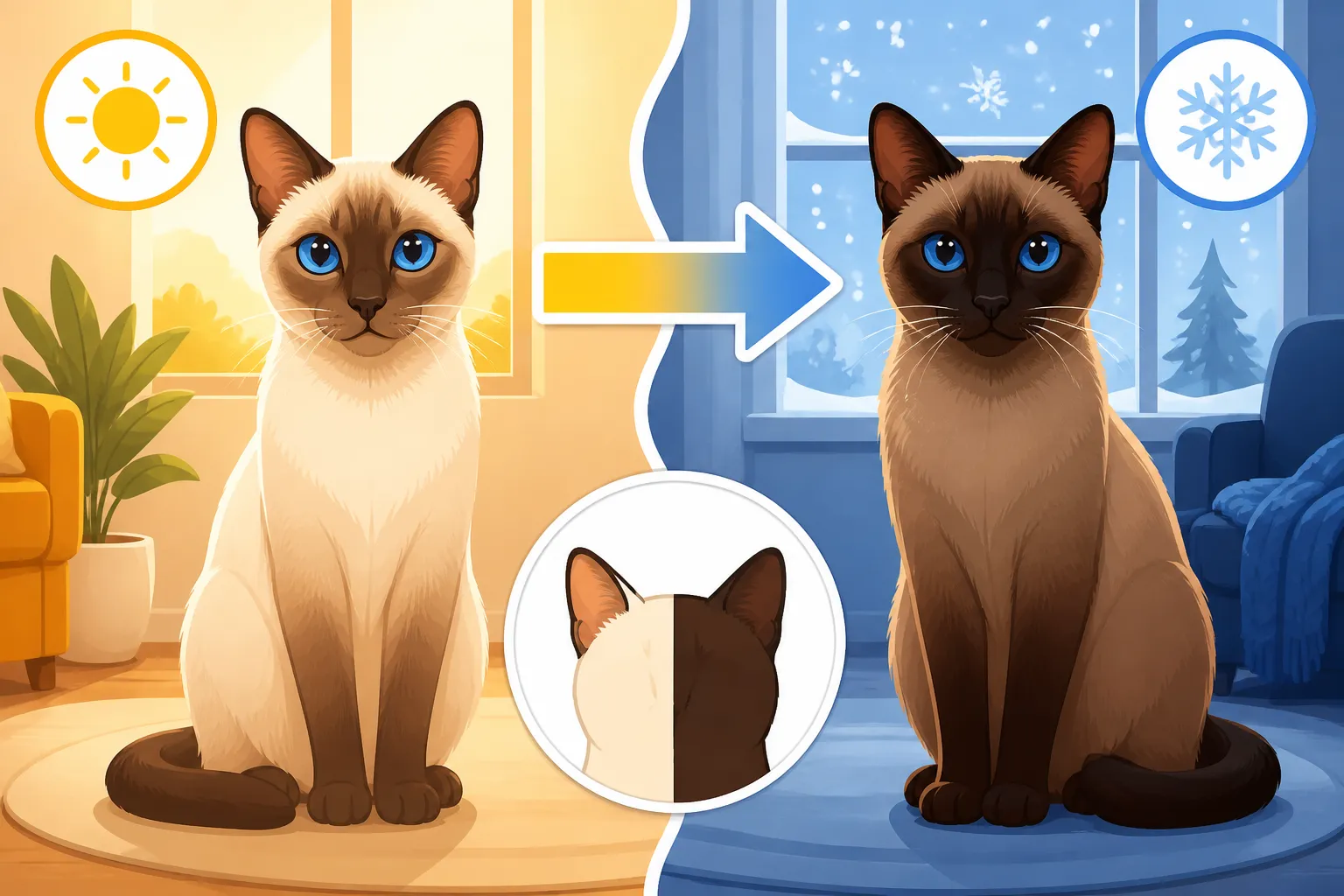
If your Siamese cat spends more time in a cooler environment, you'll inevitably observe a gradual darkening of their coat. This isn't an overnight transformation, but a subtle change that unfolds over weeks and months. The cooler ambient temperature causes their entire body to run slightly cooler, including areas that were previously warm enough to inhibit the pigment-producing enzyme. As these areas cool down, the tyrosinase enzyme becomes more active, leading to more melanin production.
This can manifest in several ways. The body fur, which might have been a creamy off-white or light fawn, can start to "toast" to a deeper beige or even a light brown. Their existing points – ears, paws, tail, and face – will often become richer and more intense in color, appearing almost black on a seal point or a deeper chocolate on a chocolate point. You might notice the darkening first along their back, shoulders, or legs, areas that naturally lose heat faster than the abdomen. It's truly like watching a living canvas change, beautifully adapting to its surroundings. This is especially true for How Much a Siamese Cat Changes Color in Winter.
Factors Influencing the Degree of Darkening
Not all Siamese cats will darken to the same extent, even under similar conditions. Several factors play a role in how pronounced these color changes become.
Firstly, the degree of cold matters. A drafty house kept at 60°F (15°C) will likely produce more noticeable darkening than a consistently warm home at 72°F (22°C). Cats who have some outdoor access (though typically discouraged for Siamese due to their vocal nature and lack of undercoat) or love to nap on cold tile floors will show more significant darkening than those who prefer heated beds and sunny windowsills.
Secondly, individual genetic variations can influence how much pigment an individual cat produces, regardless of temperature. Some Siamese lines naturally carry genes for darker base coats or more intense point colors, making them predisposed to more pronounced darkening.
Thirdly, age is a significant factor. Siamese cats tend to darken naturally with age, regardless of environmental temperature. As they get older, their metabolism slows down, and their body temperature can drop slightly, allowing more pigment to develop even in their core body areas. So, an older Siamese in a warm house might still show more darkening than a young Siamese in a slightly cooler one. It's a combination of these elements that shapes your cat's unique and ever-evolving coat. If you're wondering The Age a Siamese Cat Kitten Gets Its Points, you'll see how early this process begins.
Real-Life Observations: When Color Shifts Become Apparent
As a Siamese cat owner, you become accustomed to their distinctive voice, their playful antics, and, yes, their ever-changing coat. These color shifts aren't just theoretical; they are tangible observations that many owners experience firsthand throughout their cat's life.
Winter Blues: Seasonal Color Changes
One of the most common and widely observed phenomena is the "winter coat" effect. Just as humans might bundle up more in colder months, your Siamese cat's body adapts in its own unique way. Owners frequently report that their Siamese cats are noticeably darker in the depths of winter and tend to lighten up as spring and summer arrive. This is a direct consequence of the ambient temperature. When your home's thermostat is set lower, or if your cat loves to snuggle by a chilly window pane, their fur will reflect this prolonged exposure to cooler temperatures.
Imagine Mittens, a beautiful blue point Siamese. Every autumn, as the nights grow longer and the heating bills loom, Mittens' elegant blue points deepen, almost turning to a dark slate, and the pristine white of her body starts to take on a soft, greyish tint. By February, she looks like a much darker version of her summer self, a rich, cool-toned feline. Come July, after many sunny naps and warmer indoor temperatures, her body lightens back to a silvery white, and her points soften. This seasonal cycle is a beautiful testament to their genetic makeup and is entirely normal. This also helps answer Whether an Indoor Siamese Cat Stays Paler, as even indoor cats will experience these seasonal shifts based on their home environment.
Accidental Darkening: Shaved Patches and Injuries
Perhaps one of the most striking and sometimes surprising examples of temperature-induced color change comes from medical procedures. It's a common scenario: your Siamese cat needs surgery, and a patch of fur is shaved for the procedure. You bring them home, they recover beautifully, but then you notice something peculiar. As the fur starts to grow back, the shaved patch is significantly darker than the surrounding coat. This can be quite alarming if you're not aware of the Siamese cat's unique genetics.
This phenomenon is a perfect demonstration of the temperature-sensitive tyrosinase enzyme at work. When a patch of fur is shaved, the skin in that area becomes more exposed to the ambient temperature. Without the insulating layer of fur, the skin and underlying tissues cool down slightly. This localized cooling reactivates the tyrosinase enzyme in the hair follicles of that specific patch, causing the new fur to grow in much darker. It's not uncommon for these shaved areas to grow back almost black, even on lighter-pointed Siamese, before eventually fading back to their original color as the fur grows longer and provides insulation again. This is precisely why we discuss The Shaved Patch That Grows Back Dark on a Siamese Cat – it's a predictable outcome for our unique feline friends. The same principle can apply to areas where an injury might have led to fur loss and subsequent cooling.
Keeping Your Siamese Comfortable Amidst Color Changes
While the darkening of your Siamese cat's coat is a fascinating natural process, it's also a clear indicator of their sensitivity to temperature. Ensuring their comfort is paramount, not just for their aesthetic, but for their overall well-being.
Maintaining a Consistent Indoor Temperature
The easiest and most effective way to manage your Siamese cat's coat color (if that's something you're aiming for) and, more importantly, to ensure their comfort, is to maintain a consistent and comfortably warm indoor temperature. Siamese cats, with their sleek, short coats and lack of an insulating undercoat, feel the cold much more intensely than many other breeds. A chilly house isn't just a catalyst for darker fur; it can lead to your cat feeling genuinely cold, seeking out every warm nook and cranny.
Aim for a temperature that feels pleasant to you – generally, in the range of 68-75°F (20-24°C) is ideal. While you can't stop the genetic programming, a stable, warmer environment will minimize drastic color shifts and keep your feline friend cozy. Consider using smart thermostats to regulate temperatures more effectively, ensuring the house doesn't get too cold at night or when you're out. Draft-proofing windows and doors can also make a significant difference, preventing those localized cold spots that can make a cat feel uncomfortable.
Providing Warm Sleeping Spots
Beyond ambient room temperature, creating specific warm havens for your Siamese is crucial. They are natural sun-worshippers and heat-seekers, often found curled up in the warmest spot they can find.
Here are a few ideas:
- Heated Cat Beds: These are a game-changer for Siamese cats, especially during cooler months or for older cats who might feel the cold more acutely. Many excellent options are available from retailers like Chewy or Amazon. Look for beds with low wattage and safety features.
- Cozy Blankets and Nests: Simple fleece blankets, soft throws, or even a pile of old sweaters in a cat bed can create an inviting, insulated spot. Your Siamese will instinctively burrow into these.
- Elevated Beds: Getting a bed off a cold floor can make a big difference. Many cat trees (available on Amazon) offer cozy perches that are higher up, often warmer, and away from drafts.
- Sunny Window Perches: Even on a cold day, a sunny window can provide a perfect, warm basking spot. Make sure the perch itself is comfortable and ideally cushioned.
Providing multiple warm spots allows your Siamese to choose their favorite, ensuring they can always find comfort. This is vital for Keeping a Siamese Cat Warm and happy.
Nutritional Support and General Health
While diet won't directly change the activation of the tyrosinase enzyme, a healthy, balanced diet is fundamental for overall health, which in turn supports a healthy coat and skin. A well-nourished cat is better equipped to regulate its body temperature and maintain its general vitality.
Ensure your Siamese cat is eating a high-quality cat food appropriate for their age and activity level. Look for foods with good protein sources and essential fatty acids, which contribute to a shiny, healthy coat. However, always consult with your vet before making significant dietary changes. A healthy coat, regardless of its precise shade, reflects a healthy cat.
Even though nutrition won't prevent darkening, supporting your cat's health through optimal diet means their coat will be as robust and beautiful as possible, whether it's pale and creamy or a rich, dark toast. If you have concerns about their weight or overall condition, especially since Siamese cats are naturally slender, consult your veterinarian.
| Factor | Impact on Color Darkening | Importance for Cat Comfort | Actions to Take |
|---|---|---|---|
| Ambient Temperature | Primary driver of darkening | High | Maintain consistent indoor temperature (68-75°F/20-24°C) |
| Exposure to Drafts | Localized cooling, increased darkening | High | Draft-proof windows/doors, avoid floor sleeping |
| Age | Natural darkening over time | Moderate | Provide extra warmth for senior cats |
| Shaved Areas | Temporarily darker regrowth | Low (cosmetic only) | No action needed, color will fade as fur grows |
| Genetics | Predisposition to specific shades | N/A (inherent) | Appreciate your cat's unique beauty |
| Overall Health/Diet | Supports healthy coat | High | High-quality food, vet check-ups |
What Not to Worry About: Debunking Myths
The striking visual changes in a Siamese cat's coat can sometimes lead to misunderstandings or unnecessary worries among owners. It's important to differentiate between normal, healthy variations and actual causes for concern.
Is Darkening a Sign of Illness?
This is a common question, and it's completely understandable why an owner might connect a change in appearance to a change in health. However, the natural darkening of a Siamese cat's coat due to ambient temperature is, in itself, not a sign of illness. It is a perfectly normal, genetically predisposed response to their environment. Your cat's tyrosinase enzyme is just doing what it's meant to do!
You should only become concerned if the change in coat color is accompanied by other symptoms of ill health, such as:
- Changes in appetite or thirst: Suddenly eating much more or less, or drinking excessive amounts of water.
- Lethargy or changes in activity level: A sudden decrease in playfulness or an unusual amount of sleeping.
- Vomiting or diarrhea: Persistent gastrointestinal upset.
- Weight loss or gain: Unexplained fluctuations in body mass.
- Patchy fur loss or skin irritation: This is different from overall darkening and could indicate skin issues, allergies, or other medical conditions.
- Behavioral changes: Increased vocalization (beyond their usual chatter), hiding, or aggression could signal pain or stress.
If you observe any of these symptoms alongside coat darkening, then a trip to the vet is definitely warranted to rule out any underlying medical issues. Otherwise, embrace the beautiful spectrum of shades your Siamese cat displays throughout the year. You might also want to read up on Signs a Siamese Cat Is Unwell for a broader understanding of what to look out for.
Can You Prevent or Reverse Darkening Completely?
Given the genetic basis of Siamese coloration, it's simply not possible to entirely prevent or completely reverse the darkening process. This is a fundamental characteristic of the breed, much like their blue eyes or their vocal nature. While you can certainly influence the degree of darkening by maintaining a warm indoor environment, you cannot override their genetics.
Trying to force a Siamese cat to stay pale by keeping them in an unnaturally warm environment or through any dietary supplements is neither effective nor advisable. Their body will naturally react to the subtle temperature variations they encounter, and a certain amount of darkening with age is also inevitable.
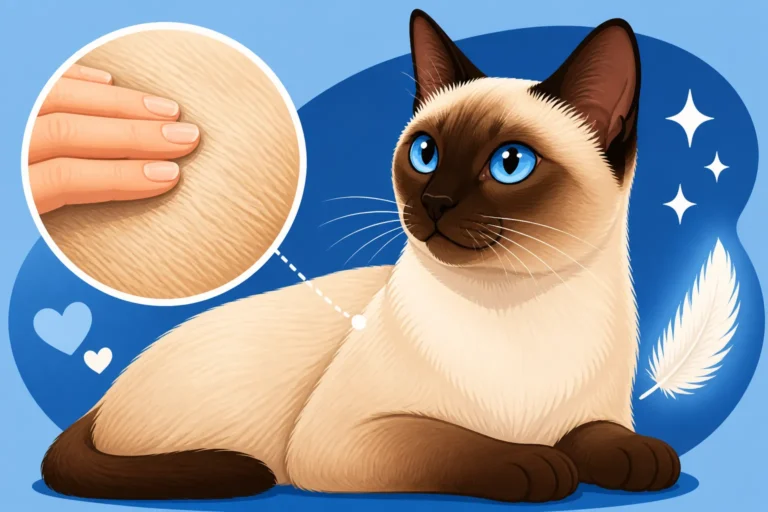
Instead of fighting nature, the best approach is to appreciate the unique beauty of your Siamese cat, no matter their shade. Whether they are a creamy, delicate point in the summer or a rich, deep-toned beauty in the winter, their evolving coat is part of what makes them so special. Their comfort and health should always be your top priority, and if a slightly darker coat comes with a happy, warm cat, then that's a trade-off we're all willing to make. After all, What a Siamese Cat's Coat Feels Like is always soft and lovely, regardless of its hue.
Disclaimer
This article is for general informational purposes only and does not constitute professional advice. Laws, prices and regulations vary by location and change over time. Consult a qualified professional for guidance on your specific situation.