Why a Siamese Cat Feels the Cold
If you share your home with a Siamese cat, you've probably noticed they have an almost magnetic attraction to anything warm—a sunny windowsill, a freshly laundered blanket, or, most often, your lap. It's not just a quirk; there's a real physiological reason why these elegant felines often seem to shiver even when you're feeling perfectly comfortable. This guide will delve into why your Siamese feels the cold more acutely than many other breeds and how you can ensure they stay toasty and content.
The Unique Siamese Coat: Why It Offers Less Warmth
The stunning appearance of a Siamese cat, with its distinctive "points" of darker fur on the extremities, is truly a wonder to behold. However, this very genetic trait that gives them their beauty is also the primary reason they tend to feel the chill. Their unique coat simply isn't designed for robust insulation.
The Tyrosinase Enzyme and Pigment Production
The magic behind a Siamese cat's striking coloration lies in a temperature-sensitive enzyme called tyrosinase. This enzyme is crucial for producing melanin, the pigment that colors fur. Here's the catch: it only functions effectively at cooler temperatures. This is why a Siamese cat's ears, nose, paws, and tail—the coolest parts of their body—are dark, while their core remains a lighter cream or white. A Siamese Cat's Points Are Made by Temperature delves deeper into this fascinating genetic quirk.
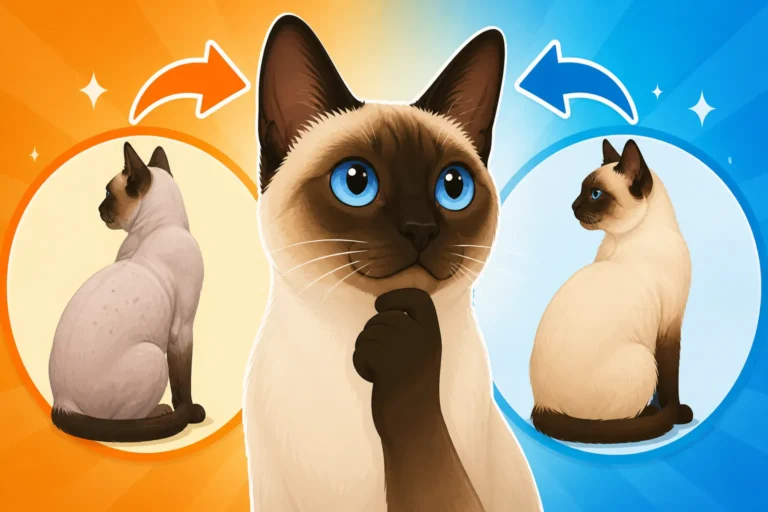
Think about it this way: if their entire body could produce full pigment, they'd be a solid color. Because the enzyme is only active in cooler areas, the warmer parts of their body (like their torso) produce less pigment, resulting in lighter fur. This delicate balance means their bodies are, in a sense, optimized for heat loss rather than retention. While beautiful, this coloration comes at the cost of natural warmth. You might even notice that a shaved patch on a Siamese will grow back darker because the area is temporarily cooler during regrowth.
Absence of an Undercoat
Beyond the pigmentation, the physical structure of a Siamese cat's fur contributes significantly to their cold sensitivity. Unlike many other cat breeds, such as Persians or Maine Coons, Siamese cats have a single, short, fine coat with no insulating undercoat. Why a Siamese Cat Has No Undercoat explains this in detail.
An undercoat acts like a built-in down jacket, trapping a layer of warm air close to the skin and providing a substantial barrier against the cold. Without this crucial layer, the Siamese coat offers very little in the way of thermal insulation. It's like comparing wearing a thin T-shirt to a thick wool sweater. Their sleek, close-lying fur, while lovely to touch, isn't much help when the temperature drops, making them particularly vulnerable to drafts and cool environments. They can't fluff up a thick, insulating layer of fur like a fluffier cat can.
Rapid Metabolism and Lean Body Type
Siamese cats are known for their athletic, slender build and boundless energy. They're often described as perpetually in motion, and this high activity level is fueled by a remarkably fast metabolism. While a speedy metabolism helps keep them warm internally by generating heat, it also means they burn through calories rapidly and don't carry much insulating body fat. Why a Siamese Cat Stays So Thin explores this lean physique.
Imagine a finely tuned sports car; it's built for speed and agility, not necessarily for comfort in extreme temperatures. Similarly, the Siamese cat's lean musculature and high metabolic rate mean there's less fat to act as a natural insulator. They are constantly expending energy, which is great for staying active but means they need a consistent energy supply—and external warmth—to prevent their internal thermostat from dropping too low. This combination of a sparse coat and a low body fat percentage makes them feel the cold acutely, prompting their constant search for warm spots.
Recognizing When Your Siamese Cat Is Cold
It's one thing to know why your Siamese feels the cold, but it's equally important to be able to recognize the signs that they're genuinely uncomfortable. Our feline friends are masters at hiding discomfort, so paying close attention to their behavior and physical cues can help you keep them cozy.
Behavioral Cues to Watch For
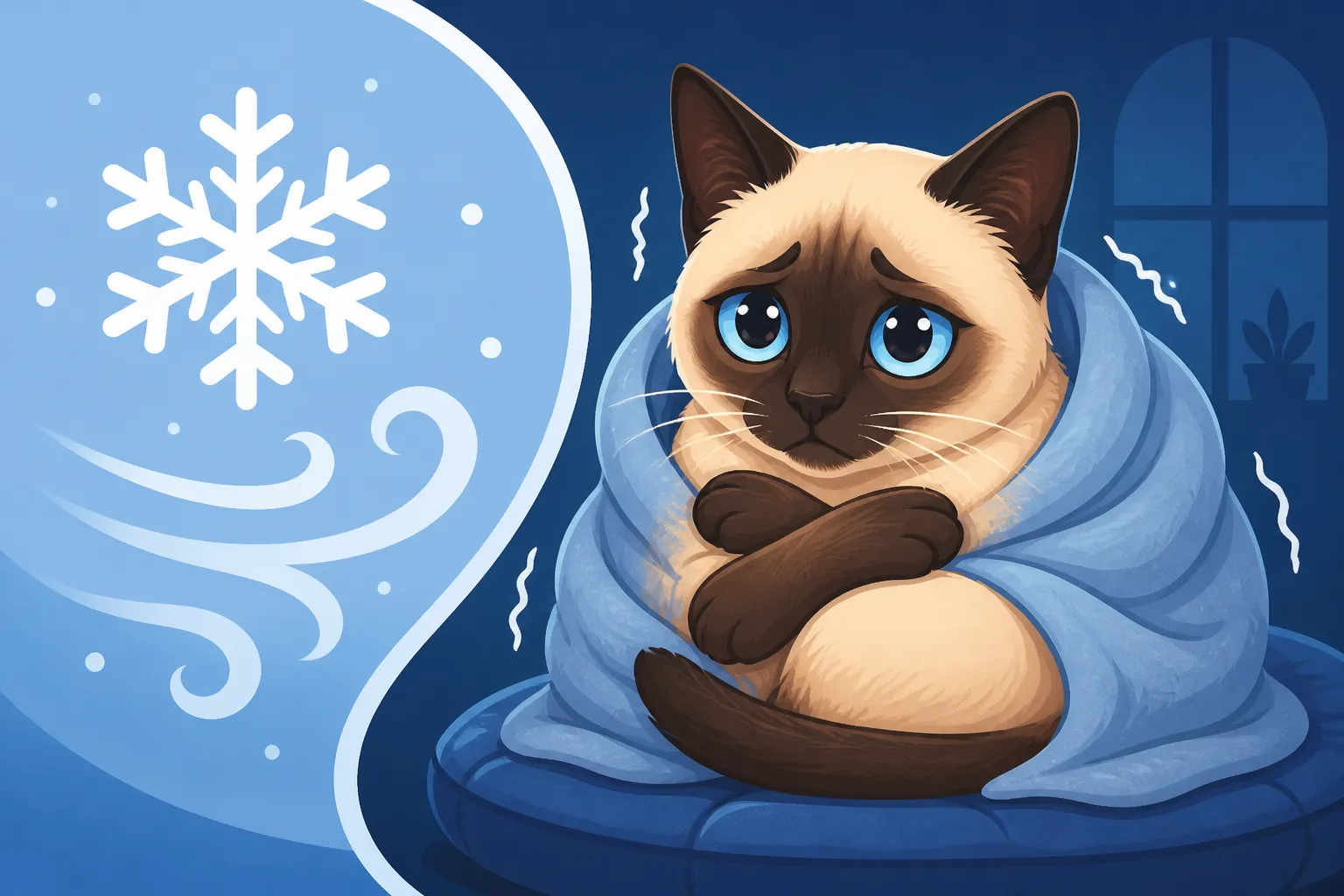
Siamese cats are communicative creatures, even in their body language. If your Siamese is feeling chilly, you'll often see distinct changes in their normal behavior. One of the most common signs is an increased desire to curl up tightly, often in a small, enclosed space, tucking their paws and tail close to their body. This posture minimizes their exposed surface area, helping them conserve heat. You might find them burrowing under blankets, seeking out sunny spots on the floor, or, predictably, trying to wedge themselves onto your lap or under your arm. Keeping a Siamese Cat Warm often involves observing these natural instincts.
Another clue is reduced activity or a general lethargy. While a normal Siamese is usually a whirlwind of energy, a cold cat might be less inclined to play or explore. They might seem more subdued or spend longer periods napping, especially if those naps are in a prime warm location. Increased vocalization, beyond their usual chatty nature, could also be a subtle plea for warmth – a soft, persistent meow might mean they're trying to tell you they're not comfortable. They might also huddle close to other pets or family members, seeking out shared body heat.
Physical Signs of Being Chilly
Beyond behavior, there are a few physical indicators that your Siamese might be too cold. Gently feeling their ears, paws, or the tip of their tail can give you a hint. If these extremities feel noticeably cool to the touch, it's a good sign your cat is feeling the chill. Their fur might also feel slightly cooler than usual, even if it's not bristling.
In more extreme cases, you might observe shivering. This isn't just a response to severe cold; even a moderate chill can trigger subtle tremors as their body attempts to generate heat through muscle contractions. Their fur might also appear to be slightly raised or "puffed up," an instinctive attempt to trap air for insulation, though with a single coat, this effect is minimal. Remember, Why a Siamese Cat Should Not Sleep on Cold Tile highlights the impact of cold surfaces on their body temperature. It's about cumulative exposure, so even if they don't seem actively "cold," prolonged exposure to cool surfaces or drafts can lead to discomfort.
Keeping Your Siamese Cat Cozy and Comfortable
Now that we understand why Siamese cats are prone to feeling cold and how to spot the signs, let's talk about practical solutions to ensure your feline companion stays warm and happy. Creating a consistently warm environment is key for this breed.
Strategic Placement of Beds and Furniture
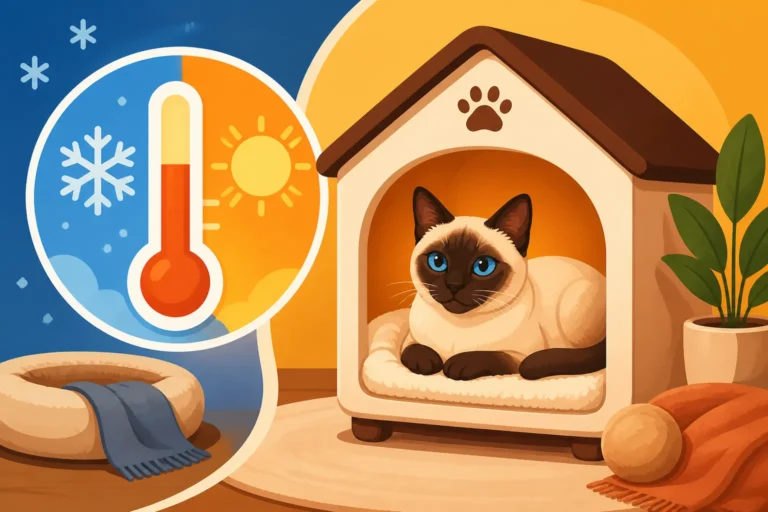
One of the simplest yet most effective ways to help your Siamese stay warm is by rethinking the placement of their favorite napping spots and furniture. Avoid placing cat beds, scratching posts, or climbing trees near drafty windows or doors, or in areas with cold flooring like tile or concrete. Instead, seek out naturally warm zones in your home. Sunny spots are always a huge hit; cats are solar-powered sunbathers, and a patch of sunlight on the floor or a window perch can provide hours of warmth.
Consider elevating their beds off the floor, as heat rises. Cat trees with cozy cubbies located higher up can provide both warmth and security. Soft, plush blankets, fleece throws, or even old sweaters can be added to their sleeping areas to create inviting nests. You'll often find your Siamese burrowed deep within these soft layers, so provide plenty of options. How Warm a Room a Siamese Cat Needs suggests maintaining a comfortable ambient temperature, but localized warmth is just as important.
Providing Supplemental Heat Sources
Sometimes, ambient room temperature isn't enough for a cold-sensitive Siamese. This is where supplemental heat sources become invaluable. Heated cat beds are a fantastic investment, offering a consistent, low-level warmth that many Siamese cats adore. You can find excellent options on retailers like Chewy or Amazon, ranging from self-warming mats that reflect body heat to electrically heated beds with thermostat controls. Make sure any electrical heating pad or bed is specifically designed for pets and has appropriate safety features.
Another option is a pet-safe hot water bottle wrapped in a towel, or a microwaveable warming disk, placed under a blanket in their bed. Just ensure it's not too hot and there's a barrier between it and your cat's skin. For colder homes, a small, safe space heater in a room where your cat spends a lot of time can make a big difference, provided it's used with extreme caution and never left unsupervised. Remember, Which Heated Bed Suits a Siamese Cat can guide you to the best options for your particular feline. For short trips or outdoor adventures (on a leash, of course!), some owners find Whether a Siamese Cat Should Wear a Sweater can offer an extra layer of warmth.
Dietary Considerations for Warmth
While not a direct heat source, nutrition plays a vital role in maintaining your Siamese cat's overall health and ability to regulate their body temperature. As mentioned earlier, Siamese cats have a high metabolism, meaning they burn calories quickly to fuel their active lifestyle and maintain their internal warmth. A high-quality diet provides the necessary energy for these processes.
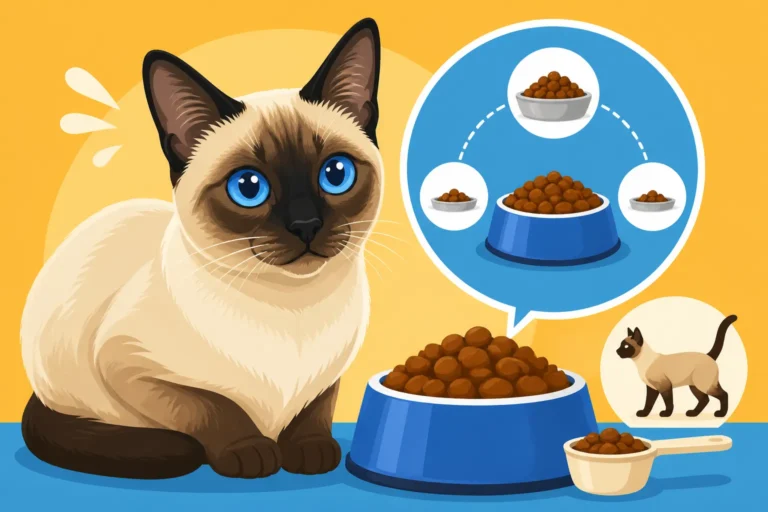
Ensure your Siamese cat is receiving a balanced, calorie-appropriate diet. Consult your veterinarian for guidance on the best food for your cat's age, activity level, and health status. Fresh, nutrient-dense meals made with human-grade ingredients can support a healthy metabolism. It's not about making them fat for insulation, but ensuring they have enough energy to generate their own body heat. How Many Calories a Siamese Cat Needs a Day underscores the importance of adequate nutrition. If your cat is consistently underweight despite eating well, it's always worth a vet check to rule out underlying health issues that might impact their ability to stay warm.
Common Misconceptions About Siamese Cats and Cold
Despite their energetic personalities, Siamese cats have distinct physiological traits that make them more susceptible to cold. It's easy to misunderstand their needs, leading to some common misconceptions.
The Myth of the "Hot-Blooded" Siamese
It's a common belief that because Siamese cats are so active, vocal, and often seem to have a fiery personality, they must be "hot-blooded" and therefore immune to the cold. We might see them tearing around the house, playing fetch with boundless energy, and assume their internal furnaces are always blazing. However, this high energy output doesn't negate their physical predisposition to feeling chilly.
Their activity is a way of generating heat, but it requires constant fuel and effort. They burn through energy quickly, and when they stop, their lean bodies with minimal insulation can cool down rapidly. So, while they might zoom around for a while, they'll quickly seek out a warm spot to recover and maintain their core temperature. The idea that their personality makes them impervious to cold is a myth that can lead owners to underestimate their need for warmth and comfort. Just because they can be active doesn't mean they enjoy being cold, and prolonged exposure can still be detrimental.
When Cold Sensitivity Signals a Problem
While feeling cold is a normal part of being a Siamese cat, there are times when excessive cold sensitivity, lethargy, or a constant struggle to stay warm might indicate an underlying health issue. For example, older Siamese cats, much like older humans, can become more sensitive to temperature changes as their metabolism slows and their circulatory system becomes less efficient. Why an Aging Siamese Cat Feels the Cold More details these changes.
If your Siamese suddenly seems much colder than usual, is shivering excessively, or is unusually lethargic even after being given ample warmth, it's time for a vet visit. Conditions like hypothyroidism (though less common in cats than dogs), anemia, or certain heart conditions can affect a cat's ability to regulate body temperature. A cat that's struggling with illness may also have a weakened immune system, making them more vulnerable to environmental chills. Always err on the side of caution; a dramatic shift in your cat's cold tolerance warrants a professional check-up to ensure they are healthy and comfortable.
Here's a quick comparison of common warming solutions:
| Solution Type | Description | Pros | Cons | Where to Find (Examples) |
|---|---|---|---|---|
| Heated Beds | Electrically warmed mats or beds, self-warming varieties. | Consistent warmth, energy efficient (some models). | Electrical hazard if faulty, might not suit all cats. | Chewy, Amazon, Pet Specialty Stores |
| Soft Blankets | Fleece, wool, or plush fabric throws. | Inexpensive, versatile, easy to clean. | Doesn't generate heat, relies on cat's body heat. | Home Goods Stores, Amazon |
| Cat Trees/Cubbies | Multi-level structures with enclosed sleeping areas. | Provides elevation, security, and a warm, enclosed space. | Can be bulky, some cats prefer open spaces. | Chewy, Pet Specialty Stores, Amazon |
| Window Perches | Suction-cup or mounted shelves for sunbathing. | Utilizes natural sunlight, provides enrichment. | Only warm when sunny, can be drafty if poorly sealed window. | Amazon, Pet Specialty Stores |
| Space Heaters | Small, portable heaters for localized room warmth. | Can quickly warm a small area. | Fire hazard if not pet-safe and supervised, energy intensive. | Electronics Stores, Amazon |
| Cat Sweaters | Fabric garments designed for feline wear. | Direct body warmth, good for short outings or very cold homes. | Not all cats tolerate them, can restrict movement. | Pet Specialty Stores, Etsy, Amazon |
Disclaimer
This article is for general informational purposes only and does not constitute professional advice. Laws, prices and regulations vary by location and change over time. Consult a qualified professional for guidance on your specific situation.