Whether a Siamese Cat Should Wear a Sweater
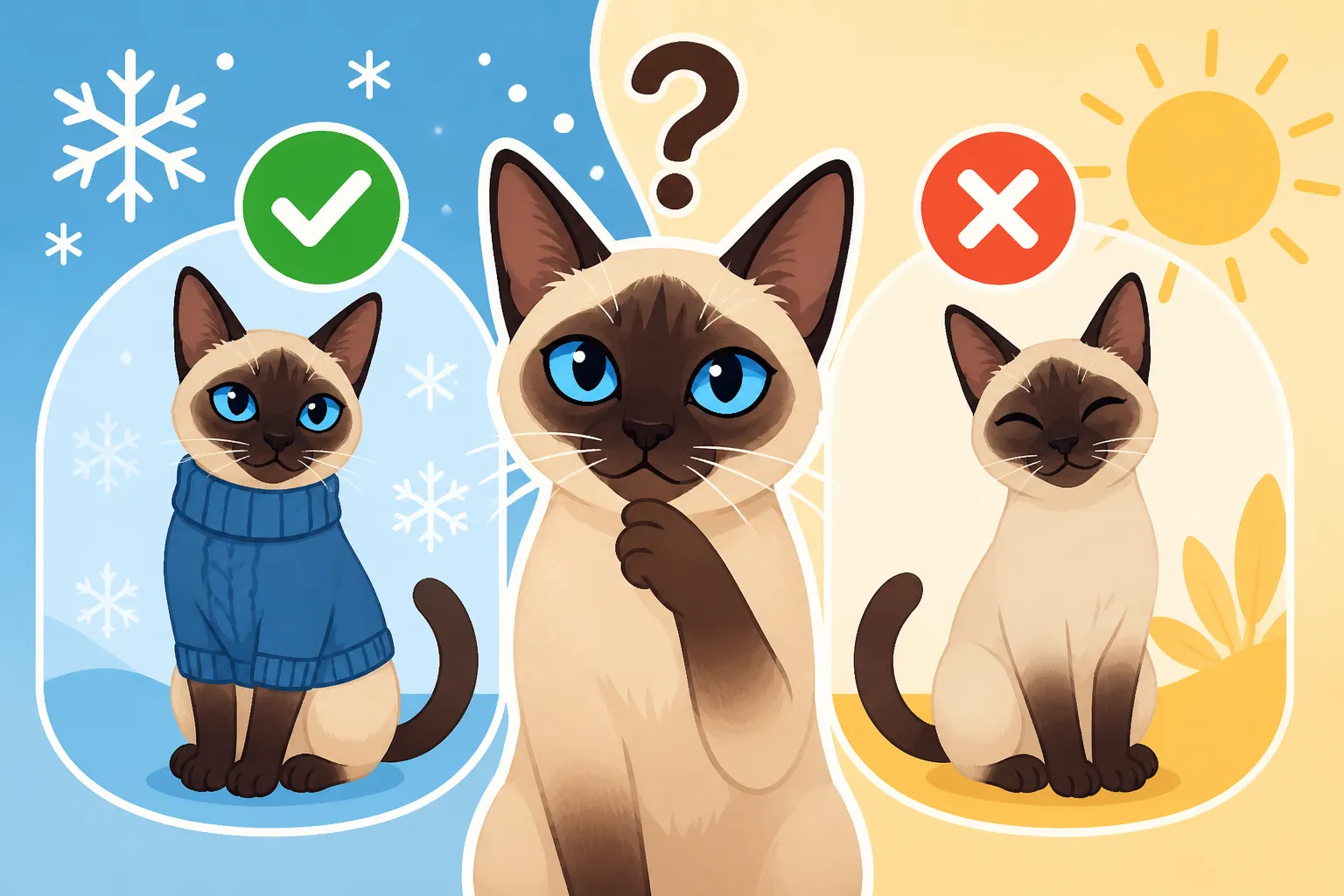
It's a common sight: you look at your sleek, slender Siamese cat, shivering a little in what feels like a perfectly comfortable room, and your heart just melts. You might wonder if a little sweater, just like you see for dogs, could be the answer to keep your precious Meezer warm. After all, they seem to feel the cold more than other cats, don't they? This guide is here to unravel that conundrum, helping you understand why your Siamese might be chilly, whether a sweater is truly the best solution, and what safe, effective alternatives exist to keep your feline companion cozy and content.
Why Your Siamese Cat Often Seems to Feel the Cold
Siamese cats are marvels of feline elegance, but that sleek design, while beautiful, isn't always built for warmth. Unlike some of their fluffier cousins, Siamese cats have a unique physiology that makes them more susceptible to chilly temperatures. It’s not just in your head; there’s a real reason they’re always seeking out the warmest spot in the house!
The Siamese Coat – A Unique Construction for a Unique Cat
When you pet a Siamese cat, you immediately notice how short and fine their fur is. This isn't just a stylistic choice by nature; it's a specific coat type. Unlike breeds such as Persians or Maine Coons, which boast thick double coats with dense undercoats designed for insulation, the Siamese has a single coat. This means they lack that plush, insulating layer that traps air close to the body and helps other cats stay warm. Think of it like wearing a single thin shirt in winter versus a thick wool sweater – the difference in warmth retention is significant.
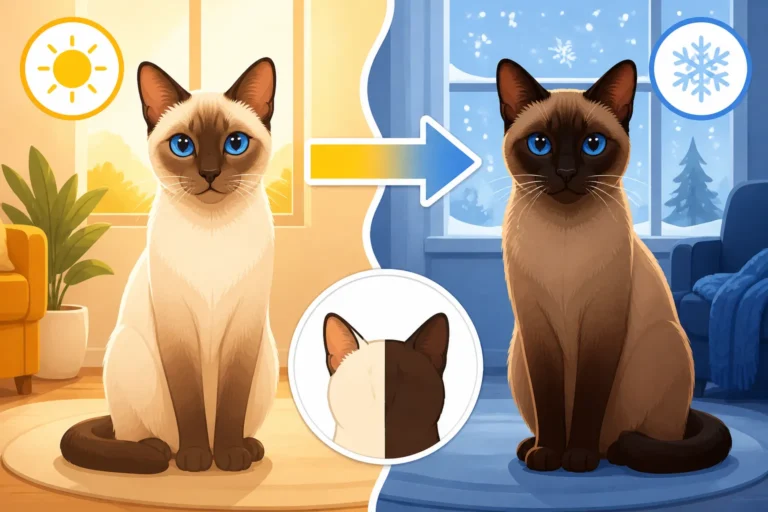
Their striking point coloration is also a big clue to their thermal regulation. The gene responsible for their dark points (ears, paws, tail, face) only activates at cooler body temperatures. The warmer parts of their body, like their torso, remain a lighter hue because the enzyme that produces pigment is inactive in higher heat. This fascinating genetic quirk means their core body temperature is naturally higher, which in turn means they don't develop the kind of insulating fur that would darken with pigment. So, while beautiful, this genetic trait literally dictates a less insulating coat over their main body. You might notice your Siamese darkening up a bit more in colder months, a subtle testament to this temperature sensitivity.
Metabolic Rate and Lean Body Composition
Beyond their fur, the very build of a Siamese cat plays a role in their temperature sensitivity. These cats are known for their incredibly athletic, lean, and lithe bodies. They have a high metabolic rate, meaning they burn energy, and therefore calories, at a faster pace than many other breeds. While this contributes to their vibrant energy and keeps them wonderfully slender, it also means they generate body heat efficiently but lack the insulating fat that a stockier cat might carry.
Imagine a long-distance runner versus a powerlifter; both are athletic, but their body compositions are very different. A Siamese is more like that lean runner, all muscle and sinew, constantly burning fuel to stay active and alert. This high metabolism is fantastic for their zest for life, but it doesn't leave much room for thermal padding. They don't have layers of fat to keep them warm when they curl up for a nap. This is also why many owners ask Why a Siamese Cat Stays So Thin – it’s a natural characteristic of the breed, not necessarily a sign of being underweight, but it certainly impacts their ability to stay warm.
Behavioral Indicators of Cold
So, how can you tell if your Siamese is genuinely feeling cold, beyond just observing their sleek physique? Their behavior will tell you everything. A chilly Siamese cat is a cat actively seeking warmth. You’ll often find them:
- Curled up tightly: They'll tuck their paws under themselves, wrap their tail around their body, and generally make themselves into a tight little ball to minimize exposed surface area.
- Seeking warm spots: This is the most obvious sign. They'll gravitate towards sunny windows, lie on radiators (be careful these aren't too hot!), burrow under blankets (you might often find them Why a Siamese Cat Sleeps Under the Duvet), or even try to squeeze into your lap or under your armpit.
- Shivering: Just like humans, cats can shiver when they're cold. This might be a subtle tremor or more pronounced shaking.
- Reduced activity: If your usually playful Siamese is less inclined to zoomies and more interested in hunkering down, cold could be a factor.
Understanding these natural tendencies and physical traits helps us approach the question of sweaters with a more informed perspective. It's clear they feel the cold, but is a sweater the right answer for them?
When a Sweater Might Be Considered for Your Siamese
While a sweater for a cat often conjures images of fashion over function, there are very specific, generally short-term circumstances where a garment could offer genuine benefit to your Siamese. These aren't about making a style statement, but rather about providing practical comfort or aid during a vulnerable time.
Specific Scenarios for Added Warmth
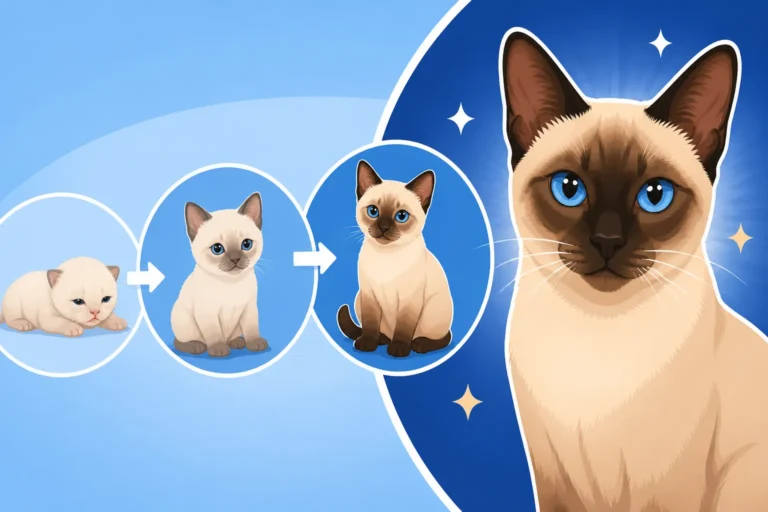
There are a few instances where a sweater could be considered, though always with a huge asterisk of caution and careful observation. For instance, if you have a very elderly Siamese cat, their ability to regulate body temperature can decline significantly with age. They might have less muscle mass, slower metabolism, and simply not move around as much to generate heat. For these senior citizens of the feline world, a very light, non-restrictive sweater might offer some comfort, especially during a cold snap or if your home runs cooler than ideal. Similarly, very young Siamese kittens, especially those orphaned or struggling, might benefit from a gentle layer of warmth, always ensuring it doesn't impede their growth or natural movements.
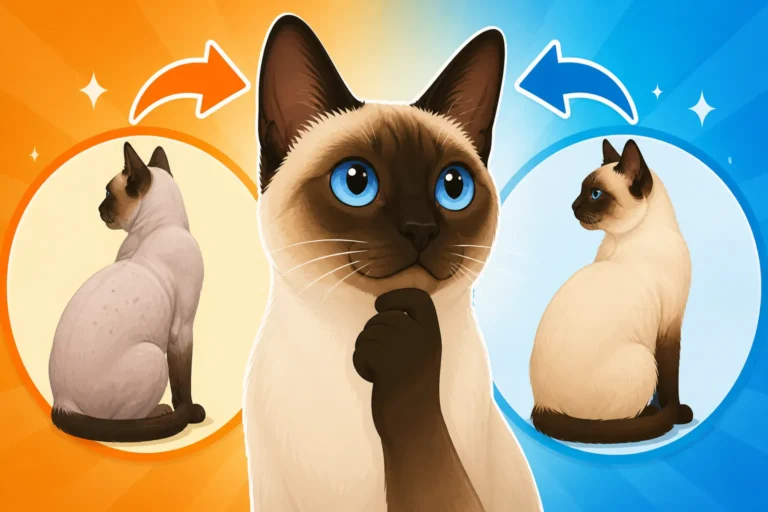
Another scenario involves cats recovering from illness or surgery, particularly if they've had a large area shaved. A shaved patch on a Siamese can grow back dark, due to their temperature-sensitive genes, but that re-growth takes time. In the interim, that exposed skin can make them feel quite chilly. A light garment can help maintain their body temperature while they heal and their fur regrows. It's a temporary measure to bridge the gap.
Finally, if you live in an area with unusually harsh indoor winters where drafts are inevitable, or perhaps your heating isn't always as consistent as you'd like, a temporary sweater could offer relief. However, this should always be weighed against the cat's tolerance and comfort, and never used as a replacement for a properly heated environment.
Post-Surgery or Illness Recovery
This is arguably the most legitimate reason to consider a garment for your Siamese. Cats, like people, get shaved for medical procedures. If your Siamese has undergone surgery, particularly abdominal surgery where a large area of their belly and sides are shaven, they can lose a significant amount of body heat. The lack of fur, combined with the effects of anesthesia, can make them feel very cold. A soft, loose-fitting, medical-grade recovery suit or a very light sweater (specifically designed for cats) can provide much-needed warmth and comfort during the initial recovery period.
Furthermore, these garments can serve a dual purpose by preventing your cat from licking or chewing at their incision site, acting as an alternative to the often-dreaded "cone of shame." Just be sure it’s specifically designed for this purpose, is breathable, and allows them full range of motion for essentials like using the litter box. Always consult with your veterinarian before putting any clothing on a cat post-surgery, as they can advise on the best and safest options for your cat's specific situation. We want them healing, not stressed!
Outdoor Excursions (with extreme caution)
Now, this is a tricky one, and honestly, for most Siamese cats, it's a non-starter. Siamese cats are, by and large, best kept as indoor-only pets for their safety and well-being. Their lean bodies and short coats offer very little protection against the elements, making them vulnerable to both cold and sunburn, not to mention a host of other outdoor dangers.
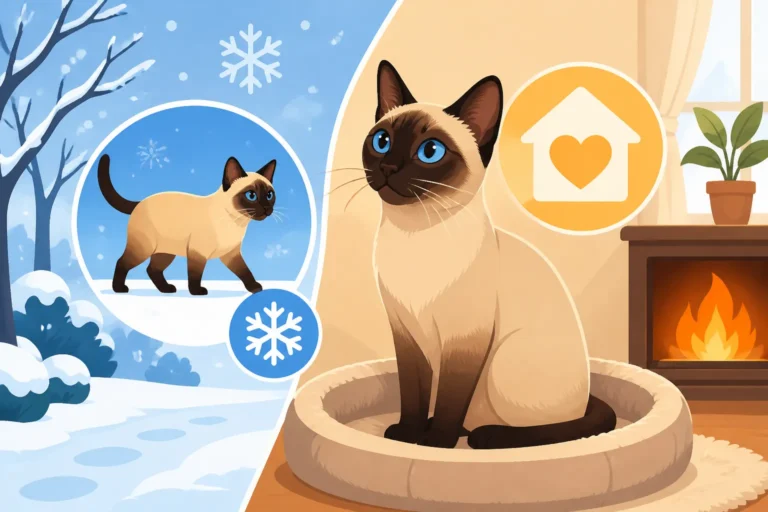
However, if you have a Siamese that is genuinely leash-trained, enjoys short, supervised outdoor adventures in a very secure catio or yard, and the weather is mildly cool (not cold, not windy, not wet), a very light, breathable, well-fitting harness-style garment might be considered. This would be less for warmth in truly cold conditions (which they shouldn't be exposed to) and more for a slight chill or to make the harness more comfortable. This is a very niche scenario and requires constant supervision. Never, ever, should a sweater be used to allow a Siamese cat to withstand genuinely cold outdoor temperatures, as their physiology is simply not designed for it. Whether a Siamese Cat Can Go Out in Winter is a really important read before considering any outdoor time for your Meezer.
The Downsides and Dangers of Sweaters for Cats
As much as our human hearts want to bundle up our chilly kitties, cats are not small, furry humans, nor are they dogs. What might be comfortable or even necessary for some breeds of dogs can be downright stressful or dangerous for a cat. It’s crucial to understand why a sweater, in most cases, is not a good idea for your Siamese.
Stress and Discomfort
This is probably the biggest reason to avoid sweaters for cats: most cats absolutely detest wearing clothing. Imagine being forced into an outfit that restricts your every movement, makes you feel trapped, and prevents you from doing something as fundamental as grooming yourself. That's often what a sweater feels like to a cat. Their primary method of self-care and hygiene is meticulous grooming. A sweater interferes with this, leading to:
- Anxiety and agitation: Many cats will freeze, flatten themselves, refuse to move, or try desperately to remove the offending item. This isn't cute; it's a sign of significant stress. What a Siamese Cat's Temperament Is Really Like shows they are highly intelligent and sensitive creatures.
- Restricted movement: Cats are agile and fluid. A sweater can impede their ability to stretch, jump, run, and maneuver naturally. This is not only uncomfortable but can be dangerous if they can't balance properly or escape a perceived threat.
- Interference with grooming: Beyond hygiene, grooming is a self-soothing behavior for cats. Blocking this can increase stress and, over time, lead to matted fur underneath the garment, which can pull at the skin and be painful, potentially leading to skin irritation or infections. Their fur also plays a role in distributing natural oils, keeping their skin healthy.
Risk of Overheating and Entanglement
While your Siamese might feel cold sometimes, they also have very efficient systems for regulating their body temperature. They don't sweat like humans; they primarily cool themselves through panting (a sign of distress or overheating) and by seeking cooler surfaces. A sweater, particularly one that's too thick or worn for too long, can quickly cause overheating, especially if your cat decides to engage in a burst of play. Overheating can be a serious medical emergency.
Furthermore, there's a very real danger of entanglement. A loose sweater could get caught on furniture, door handles, or tree branches (if, against advice, they're allowed outside), potentially strangling or injuring your cat. Even a well-fitting sweater can snag, making a cat panic and thrash, leading to cuts, abrasions, or more serious injuries. Cats need to be able to move freely and escape dangerous situations without external impediments.
Interference with Natural Behavior
Cats communicate a vast amount through their body language, including the subtle movements of their fur. Piloerection, where their fur stands on end, is a sign of fear or aggression, making them look bigger and more intimidating. A sweater would completely mask this vital communication signal, both to you and to other animals. Imagine if your cat felt threatened and couldn't convey it through their fur – it removes an important tool from their behavioral arsenal.
Beyond communication, clothing can interfere with essential daily activities:
- Litter box issues: A sweater might get soiled or make it difficult for your cat to comfortably squat in the litter box, leading to accidents outside the box.
- Hunting instincts: Even an indoor Siamese retains its hunting instincts. A sweater could hamper their ability to stalk, pounce, or even play effectively with toys, robbing them of vital mental and physical enrichment.
- Sensory input: Cats rely heavily on their fur for tactile sensation. A sweater is a constant, unnatural pressure that can be distracting and irritating, like wearing socks that are always bunched up in your shoes.
When we consider the potential for stress, physical harm, and disruption of natural behaviors, it becomes clear that in most cases, a sweater does more harm than good for a Siamese cat. Our goal is their comfort and well-being, and often, that means letting them be their natural, unadorned selves.
Better Alternatives for Keeping Your Siamese Warm
So, if a sweater isn't the go-to solution, what can you do to ensure your beloved Siamese cat stays toasty and comfortable, especially if they're prone to feeling the chill? The good news is there are plenty of safe, cat-approved ways to create a warm and inviting environment that respects their natural instincts and needs.
Creating Warm Havens Indoors
Instead of trying to clothe your cat, focus on creating warmth for them in their environment. This is where you can truly make a difference.
- Heated Cat Beds: These are a game-changer for many Siamese owners. Companies like K&H Pet Products offer excellent options, often available on Amazon or Chewy. These beds are designed with low-wattage heating elements that provide gentle, consistent warmth, mimicking the feeling of cuddling up to a warm body. There are various styles, from soft donut beds to mats that can be placed under their favorite blanket. Just ensure it's a reputable brand and always follow safety instructions.
- Soft Blankets and Cozy Beds: Simple yet effective! Place several soft blankets in different spots around the house where your Siamese likes to nap – on the sofa, in a sunny window, or tucked into a cozy cat cave. Many Siamese love to burrow and will appreciate having soft layers to knead and nestle into. A good quality, plush cat bed can also make a world of difference.
- Strategic Placement: Pay attention to where your cat seeks warmth. If they're always Why a Siamese Cat Sits on the Radiator, consider placing a cozy bed near (but not directly on) a heat source, or in a sunbeam. Avoid placing their beds or favorite napping spots in drafty areas, such as near frequently opened doors or leaky windows. Seal up drafts if possible.
- Consistent Room Temperature: While you don't want to roast yourself, maintaining a consistent, comfortable room temperature, especially in the areas your cat frequents, is key. Remember How Warm a Siamese Cat's House Should Be is usually around 70-75°F (21-24°C) for optimal comfort.
Proper Nutrition and Hydration
A well-nourished body is better equipped to regulate its own temperature. Ensure your Siamese cat is on a high-quality diet appropriate for their age and activity level. Their high metabolism means they burn calories efficiently, so providing adequate energy through their food is crucial. Feeding a Lean Siamese Cat That Burns Everything delves into this, but generally, a diet rich in animal protein helps fuel their active bodies and maintain healthy body functions, including thermoregulation.
Also, don't overlook hydration. Water plays a vital role in many bodily processes, including maintaining body temperature. Ensure your Siamese always has access to fresh, clean water. Some cats prefer running water, so a cat fountain might encourage them to drink more.
Regular Grooming
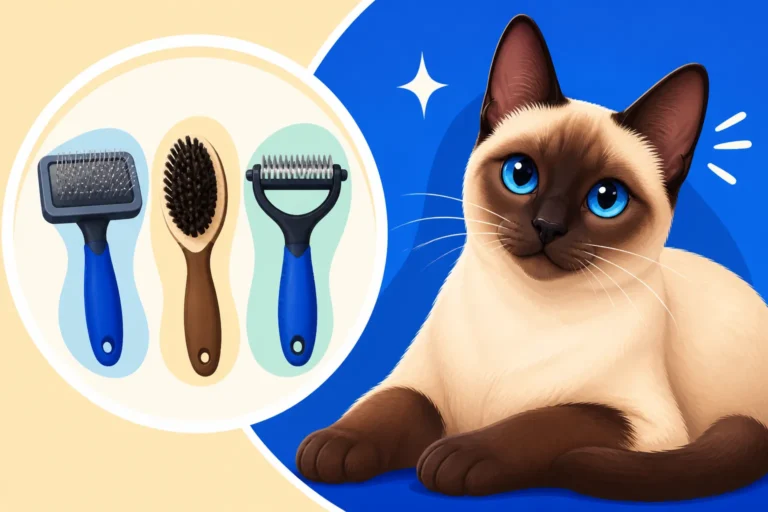
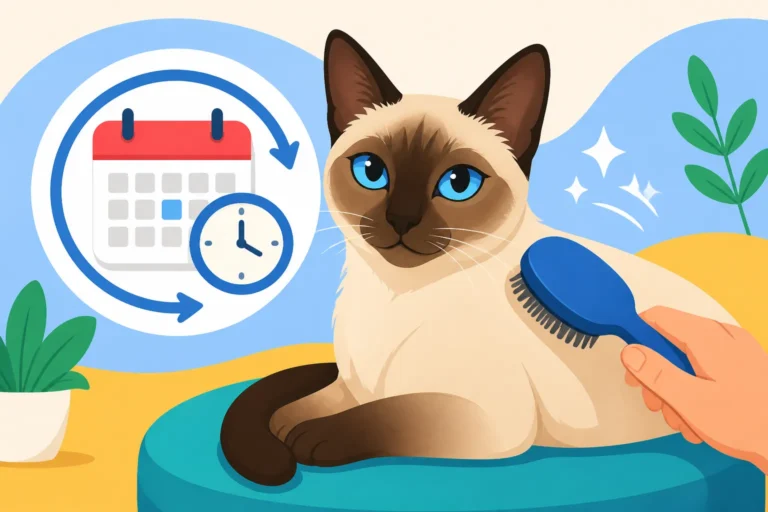
Even though Siamese cats have short hair, regular grooming is still beneficial. A quick brush a few times a week with a soft brush or grooming mitt helps remove loose fur, reduces shedding, and, importantly, stimulates blood circulation. Improved circulation can contribute to better warmth regulation. It also gives you an opportunity to check their skin for any irritation or dryness, and for them, it's a pleasant bonding experience that mimics their own self-grooming. Grooming a Siamese Cat Takes Five Minutes a Week is usually all it takes to keep their coat in top condition.
Veterinary Consultation
If you're consistently concerned about your Siamese cat feeling cold, or if you notice other symptoms like lethargy, changes in appetite, or excessive shivering, it's always best to consult your veterinarian. These could be signs of an underlying health issue rather than just a simple chill. Conditions like hyperthyroidism (though more common in older cats, which actually makes them hotter), kidney disease, or other metabolic imbalances can affect a cat's ability to maintain a normal body temperature. Your vet can perform a thorough examination and recommend any necessary tests to rule out medical causes and give you peace of mind. Signs a Siamese Cat Is Unwell are important to recognize.
Ultimately, providing warmth through environmental comfort and ensuring good health and nutrition are far more effective and cat-friendly strategies than trying to force a sweater onto a creature that is fundamentally designed to be free from clothing.
Here's a quick comparison of sweaters versus these alternatives:
| Feature | Cat Sweater | Environmental/Health Alternatives |
|---|---|---|
| Comfort | Often causes stress, restricts movement, hinders grooming | Promotes natural behavior, provides choice, reduces anxiety |
| Safety Risks | Overheating, entanglement, skin irritation | Low risk if products are reputable and used correctly |
| Effectiveness | Limited, temporary, often perceived as negative by cat | Sustained, targeted warmth; addresses underlying needs |
| Cost | Varies, but recurring if multiple sizes/styles needed | One-time purchase for beds/blankets; ongoing for quality food |
| Cat's View | Generally disliked, seen as restrictive | Embraced, provides security and comfort |
| Best Use Case | Very limited for specific medical recovery (vet-approved), or short, supervised excursions in mild chill | Daily, long-term warmth and well-being for all Siamese cats |
Disclaimer
This article is for general informational purposes only and does not constitute professional advice. Laws, prices and regulations vary by location and change over time. Consult a qualified professional for guidance on your specific situation.