The Age a Siamese Cat With PRA Goes Blind
The moment you notice your beloved Siamese cat bumping into furniture they’ve navigated perfectly for years, or hesitating in dimly lit rooms, a wave of dread washes over you. The fear of them losing their precious sight to something like Progressive Retinal Atrophy (PRA) is real, and the agonizing question of when this might fully manifest can keep you up at night. This guide aims to shed light on the typical progression of PRA in Siamese cats, helping you understand what to expect and how to prepare for the journey ahead.
Understanding Progressive Retinal Atrophy in Siamese Cats
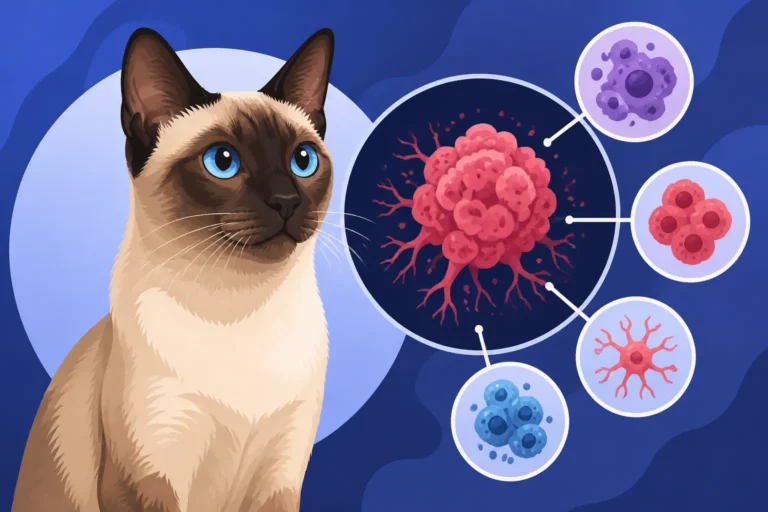
Progressive Retinal Atrophy, often shortened to PRA, is a blanket term for a group of genetic diseases that cause the degeneration of photoreceptor cells in a cat’s retina. These cells, rods and cones, are crucial for detecting light and color. When they begin to fail, vision slowly diminishes, eventually leading to blindness. For Siamese cats, this condition has a known genetic basis, making it a particularly heartbreaking concern for breeders and owners alike.
The Genetic Basis of Siamese Cat PRA
In Siamese cats, a specific form of PRA, known as rod-cone degeneration (or rdAc-PRA), is most commonly identified. This is an autosomal recessive inherited disorder, meaning a cat must inherit two copies of the faulty gene—one from each parent—to develop the disease. If a cat only inherits one copy, they are considered a carrier and won't show symptoms themselves but can pass the gene on to their offspring. This is why understanding the genetic lineage and testing is so critical for responsible breeders aiming to eliminate this painful condition from their lines. It's a cruel twist of genetics that can silently propagate through generations until it manifests.
How PRA Differs from Other Eye Conditions
It's easy to jump to conclusions when you notice changes in your cat's eyes, but it's important to understand that PRA has a distinct pathology compared to other common feline eye ailments. Conditions like cataracts, glaucoma, or retinal detachment often present with different symptoms, have varied causes, and may progress differently. For instance, cataracts cause cloudiness in the lens, while glaucoma involves increased pressure within the eye. PRA, on the other hand, specifically targets the light-sensing cells of the retina, leading to a gradual loss of vision without necessarily obvious outward signs in the eye itself until the later stages. A veterinary ophthalmologist can perform specialized tests, like an electroretinogram (ERG), to definitively diagnose PRA and differentiate it from other eye problems.
Early Warning Signs of Vision Loss in Your Siamese
The insidious nature of PRA means that vision loss often starts subtly, making it incredibly challenging for even the most attentive owner to spot initially. Cats are masters at compensating, especially in familiar environments. They rely heavily on their other heightened senses – hearing, smell, and whiskers – to navigate their world, so changes in vision might go unnoticed until the disease is quite advanced.
Subtle Behavioral Changes to Watch For
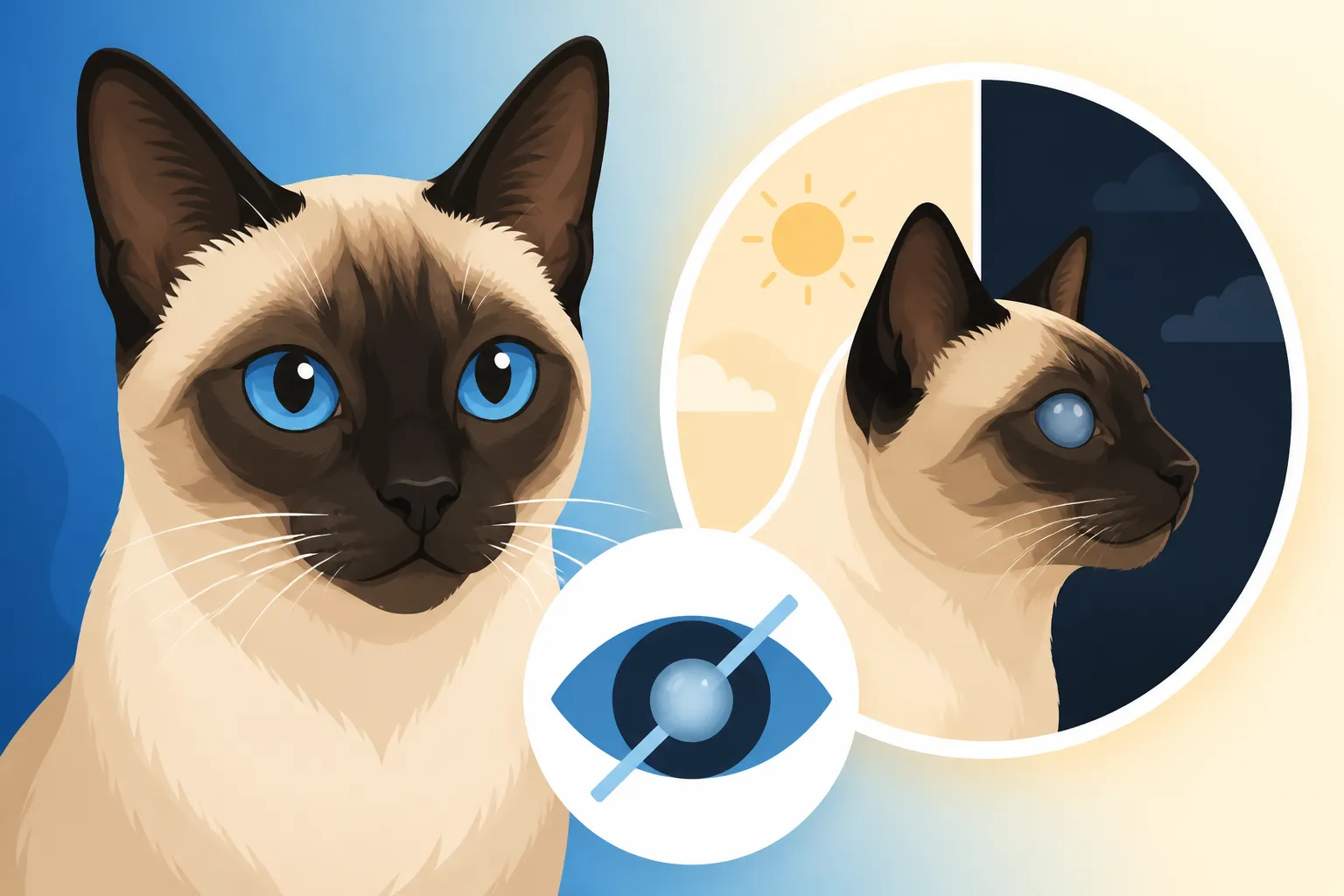
The very first signs of PRA usually involve a loss of night vision, often referred to as nyctalopia. Your cat might start to be more hesitant to move around in dim light or at dusk, bumping into objects they previously avoided with ease. They might become more startled by sudden noises or movements, or become less confident jumping onto or off furniture in low light. You might notice them walking closer to walls or furniture, using these as guides. Perhaps they'll miss toys that are tossed to them, or seem less engaged during evening play sessions. These aren't necessarily dramatic changes, but small, cumulative shifts that suggest their visual world is becoming a bit blurrier or darker.
Physical Manifestations in the Eyes
As PRA progresses, there can be some physical changes in your Siamese cat's eyes, although these are often not the primary indicators of early disease. You might notice their pupils appear more dilated, especially in normal or bright light, because the degenerating retina is struggling to take in enough light. Sometimes, in advanced stages, the tapetum lucidum – the reflective layer behind the retina that gives cats their excellent night vision and causes "eye shine" in photos – might become more prominent, giving the eyes an unusually bright, reflective quality. The lens of the eye may also become cloudy over time, though this is a secondary effect and not a cataract itself. Regular veterinary check-ups, including thorough eye examinations, are crucial for catching these subtle signs and differentiating them from other potential issues. This is where What a Siamese Cat's Eye Exam Costs can become a significant consideration for owners.
Typical Progression and Age of Blindness in Siamese Cats
This is often the most pressing concern for Siamese cat owners: when will this happen, and how quickly? While every cat is an individual, the rdAc form of PRA in Siamese cats does tend to follow a somewhat predictable, albeit heartbreakingly gradual, timeline. It's not usually a sudden event, but a slow fade that can stretch over years.
Initial Onset of Night Blindness
For most Siamese cats affected by rdAc-PRA, the very first signs typically emerge in early adulthood, usually between 1 to 2 years of age. This stage is characterized by a loss of rod function, leading to night blindness. Their ability to see in low light or darkness significantly diminishes. At this point, you might observe the subtle behavioral changes mentioned earlier: hesitation in dimly lit areas, bumping into objects, or being more cautious at night. While they can still see perfectly well in daylight, their world after sunset becomes increasingly challenging. This early phase is often missed because cats adapt so well, making The Age a Siamese Cat First Loses Night Vision a key indicator.
Gradual Decline and Partial Day Blindness
As the disease progresses, usually over the next few years, the cone cells, responsible for daytime vision and color perception, also begin to degenerate. This means that by around 3 to 5 years of age, many affected Siamese cats will start to experience noticeable impairment even in brighter light. They might become clumsier during the day, misjudge distances, or have trouble locating toys that aren't strongly scented. Their pupils may become persistently dilated, even in bright light, as their eyes try to gather as much light as possible to compensate for the failing retina. This is a crucial time where you'll need to be extra vigilant and supportive.
Complete Blindness and Age Range
Unfortunately, for Siamese cats with rdAc-PRA, complete blindness is the inevitable outcome. This typically occurs between 4 to 8 years of age, though it can vary. Some cats may lose all functional vision closer to four years, while others might retain a tiny bit of perception until they are eight or nine. By this stage, their world is completely dark, and they will rely entirely on their other senses. The severity and speed of progression can be influenced by individual genetic variations. Early diagnosis through genetic testing, even before symptoms appear, or through a comprehensive eye exam, can give owners invaluable time to prepare. Knowing the precise genetic mutation can sometimes help predict the progression, which is why Whether the rdAc DNA Test Works on a Siamese Cat is such an important question for breeders and potential owners.
Here's a general overview of the progression of PRA in Siamese cats:
| Stage of PRA | Typical Age Range (Siamese Cats) | Key Symptoms Observed | Impact on Vision |
|---|---|---|---|
| Early Onset | 1-2 years | Hesitation in dim light, bumping into objects at night | Loss of night vision (nyctalopia) |
| Progressive Decline | 3-5 years | Clumsiness during day, dilated pupils, misjudging jumps | Gradual loss of daytime vision, worsening night vision |
| Complete Blindness | 4-8 years | Total inability to see in any light | Complete loss of functional vision |
Supporting Your Blind or Vision-Impaired Siamese Cat
Hearing that your cherished Siamese is losing its sight is devastating, but it's important to remember that blindness is not a death sentence. Cats are incredibly resilient and adaptable, and with your love and support, a blind Siamese cat can still live a full, happy, and enriching life.
Creating a Safe and Predictable Environment
The cornerstone of caring for a blind cat is consistency. Avoid rearranging furniture or their essential items like food bowls, water stations, and litter boxes. Consistency helps them map their environment in their minds, creating a mental blueprint they can follow. Use different textures on the floor to mark important areas, like a small mat in front of their food or a rug near their litter box. Block off any potential hazards, such as open stairwells or fireplaces, until they are fully acclimated. Consider adding tactile markers to ledges or steps. For outdoor access, a "catio" or a securely harness-trained walk can provide mental stimulation without the dangers of free-roaming. How a Blind Siamese Cat Manages often relies heavily on the owner's commitment to this stable environment.
When it comes to financial planning for your cat's health, having a robust pet insurance policy can be a lifesaver. Companies like Healthy Paws offer comprehensive coverage that can help ease the burden of diagnostic tests, specialized vet visits, and even potential adaptive therapies that might arise from managing a condition like PRA. Thinking ahead about these costs allows you to focus purely on your cat's well-being without added stress.
Enriching Their Lives Through Other Senses
Since their sight is diminished, it's vital to stimulate your Siamese cat's other powerful senses. Engage them with toys that make noise, like crinkle balls or those with bells inside. Scent-based toys, infused with catnip or other appealing aromas, can be highly engaging. Interactive play with wand toys where you can guide the toy to them based on sound is also excellent. Talk to your cat frequently, using your voice to reassure them and let them know where you are. Consider placing small, battery-operated diffusers with calming pheromones around the house, especially during periods of adjustment or stress, which can sometimes occur when their primary sense is compromised. Don't forget their incredible sense of smell; hiding treats around a familiar room can turn mealtime into a fun foraging game.
Regular Veterinary Care and Emotional Support
Even though PRA is progressive and irreversible, regular veterinary check-ups are still essential. Your vet can monitor for any secondary eye issues, ensure your cat is comfortable, and address any changes in their overall health. They can also offer advice on pain management if needed (though PRA itself is not typically painful) or discuss nutritional support. More importantly, your cat will need your emotional reassurance. Blind cats often become more dependent on their human companions for comfort and guidance. Gentle petting, consistent routines, and a calm demeanor from you will go a long way in helping them adjust and thrive. Pet insurance, such as a plan from Healthy Paws, can certainly help cover the routine and specialized care a vision-impaired cat might need, ensuring they get the best possible attention without you constantly worrying about the bill.
Genetic Screening and Breeding Practices
Preventing genetic diseases like PRA is paramount for responsible breeders. While it might seem daunting, advancements in veterinary genetics offer tools to help reduce the incidence of such conditions.
The Importance of DNA Testing for Breeders
Given that rdAc-PRA is an inherited condition, DNA testing is a crucial tool for breeders. A simple genetic test can identify whether a cat is clear of the gene, a carrier (one copy), or affected (two copies). By only breeding clear cats, or carefully pairing carriers with clear cats, breeders can gradually eliminate the gene from their breeding lines. This proactive approach helps prevent the heartbreaking reality of kittens going blind at a young age. While Why There Is No Siamese Cat Amyloidosis Gene Test highlights the challenges with other genetic conditions, PRA is one area where genetic testing is effective and available.
Breeders who are transparent about their health screening practices, and who can show clear test results for their breeding cats, are demonstrating their commitment to the long-term health and well-being of the breed. Prospective owners should always inquire about these tests. A reputable breeder will also be aware of Which Health Tests a Siamese Cat Breeder Runs and should be able to discuss them openly.
Ethical Breeding to Reduce Disease Incidence
Ethical breeding goes beyond just DNA testing. It involves a deep understanding of pedigrees, avoiding the breeding of closely related cats, and making informed decisions to improve the overall health of the breed, not just focusing on conformation or aesthetics. If a breeding cat produces offspring that develop PRA, an ethical breeder will re-evaluate that cat's breeding future and its lineage. The goal is to produce healthy, long-lived companions, and that often means making difficult choices.
It’s also about educating prospective owners. A good breeder will explain the risks of inherited conditions, even if their lines are deemed clear. They understand that while they do their best, genetics can sometimes throw curveballs. For those bringing home a new Siamese kitten, understanding that a comprehensive pet insurance plan like those offered by Healthy Paws can provide a safety net for unexpected health issues, including those that may have a genetic component, offers immense peace of mind. Investing in a healthy kitten from a responsible breeder, combined with proper insurance, creates the best possible foundation for your cat's future.
Challenges and Future Directions in Research
Despite the availability of DNA tests for rdAc-PRA, challenges remain. Not all forms of PRA are covered by a single test, and new mutations can emerge. Researchers are continually working to identify other genes involved in various forms of retinal degeneration, which can be complex and expensive. However, the progress made in identifying the rdAc mutation in Siamese cats is a significant victory for the breed. Ongoing research not only helps with better diagnostic tools but also opens avenues for potential treatments in the distant future, perhaps even gene therapy, although we are not there yet. For now, responsible breeding practices and early detection remain our best tools in mitigating the impact of PRA on our beloved Siamese companions.
Disclaimer
This article is intended for informational purposes only and should not be considered a substitute for professional veterinary advice, diagnosis, or treatment. Always seek the advice of your veterinarian or other qualified animal health provider with any questions you may have regarding a medical condition or the health and welfare of your pet.