Why There Is No Siamese Cat Amyloidosis Gene Test
It's incredibly frustrating when you know a disease runs in your beloved Siamese family lines, yet there's no clear way to test for it. Many of us grapple with the silent threat of amyloidosis, wishing we had a definitive genetic test to screen our cats and make informed breeding or care decisions. This guide will explore exactly why such a test isn't available for Siamese cat amyloidosis and what we can do in its absence.
Understanding Siamese Cat Amyloidosis and Its Genetic Roots
When you bring a Siamese cat into your life, you're signing up for a lot of joy, playful antics, and those famous loud conversations. But you're also often unknowingly signing up for a legacy of potential health concerns, and amyloidosis is one of the most heartbreaking because it's so insidious. It's a condition that can strike seemingly healthy cats, leaving owners feeling helpless and blindsided. The desire for a simple genetic test to prevent such heartache is completely natural and deeply felt by many in our community.
What Amyloidosis Means for Our Beloved Meezers
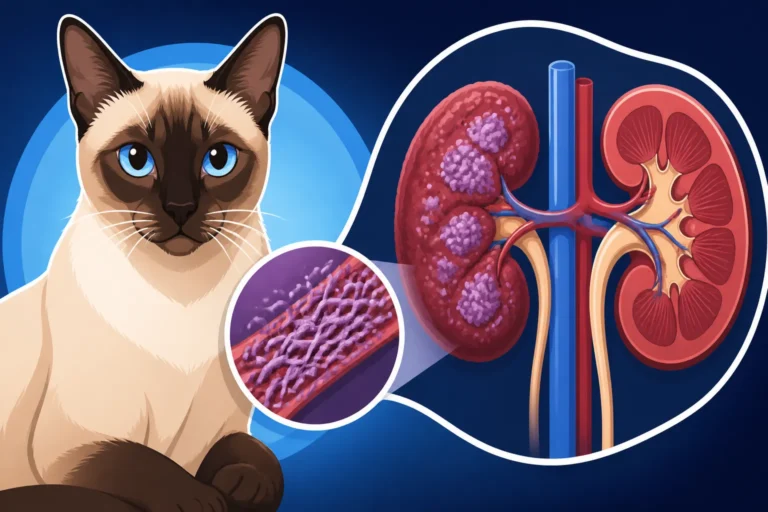
At its core, amyloidosis is a disease where an abnormal protein, called amyloid, builds up in the body's tissues and organs. Think of it like a slow, silent invasion, where these sticky protein deposits accumulate, gradually displacing normal tissue and impairing organ function. For our cherished Siamese cats, this is often a particularly devastating scenario because the primary organ affected is typically the liver, though the kidneys can also suffer. When the liver is compromised, it can lead to a host of problems, from impaired detoxification and nutrient processing to, most tragically, spontaneous rupture and fatal internal bleeding. It's a terrifying prospect that weighs heavily on any Siamese owner aware of the risk. We often see our cats healthy and vibrant one day, and then suddenly, they're critically ill, often with little to no warning. It's a stark reminder of how fragile life can be, even for our seemingly robust feline companions. For a deeper dive into the disease itself, you might find more information on What Amyloidosis Does to a Siamese Cat and Which Organs Amyloidosis Hits in a Siamese Cat.
The Inherited Component: Why We Know It's Genetic
Despite the lack of a specific gene test, there's a strong, undeniable body of evidence that points to amyloidosis being an inherited condition in Siamese cats. We're not just guessing here; veterinary geneticists and dedicated breeders have observed clear patterns over decades. When amyloidosis appears in a Siamese cat, it often doesn't appear in isolation. You'll frequently find a history of the disease in the cat's siblings, parents, or other close relatives. This consistent clustering within certain family lines, rather than appearing randomly across the breed, is a classic hallmark of a genetic predisposition. It tells us that something in their DNA is making them more susceptible to forming these amyloid deposits. This isn't about blaming breeders; it's about understanding the complex tapestry of genetics and how frustratingly difficult it can be to untangle. This hereditary link is precisely why the community so desperately wants a test – to identify carriers or at-risk individuals before the disease manifests. If you're curious about the genetic background, consider reading about Why Siamese Cat Amyloidosis Is Inherited and Why Amyloidosis Runs in Siamese Cat Families.
The Complex Science Behind a Missing Gene Test
It might seem baffling in this age of advanced genomics that we can't just swab a cat's cheek and get an answer about amyloidosis. After all, we have DNA tests for many other feline genetic conditions. The reality, however, is far more complicated than simply finding a single "amyloidosis gene." The scientific journey to identify such a marker is fraught with challenges, from the sheer complexity of feline genetics to the practicalities of funding and research. It’s a painstaking process that requires immense dedication and resources, which are often limited in the world of veterinary medicine compared to human health research.
Pinpointing the Elusive Genetic Marker
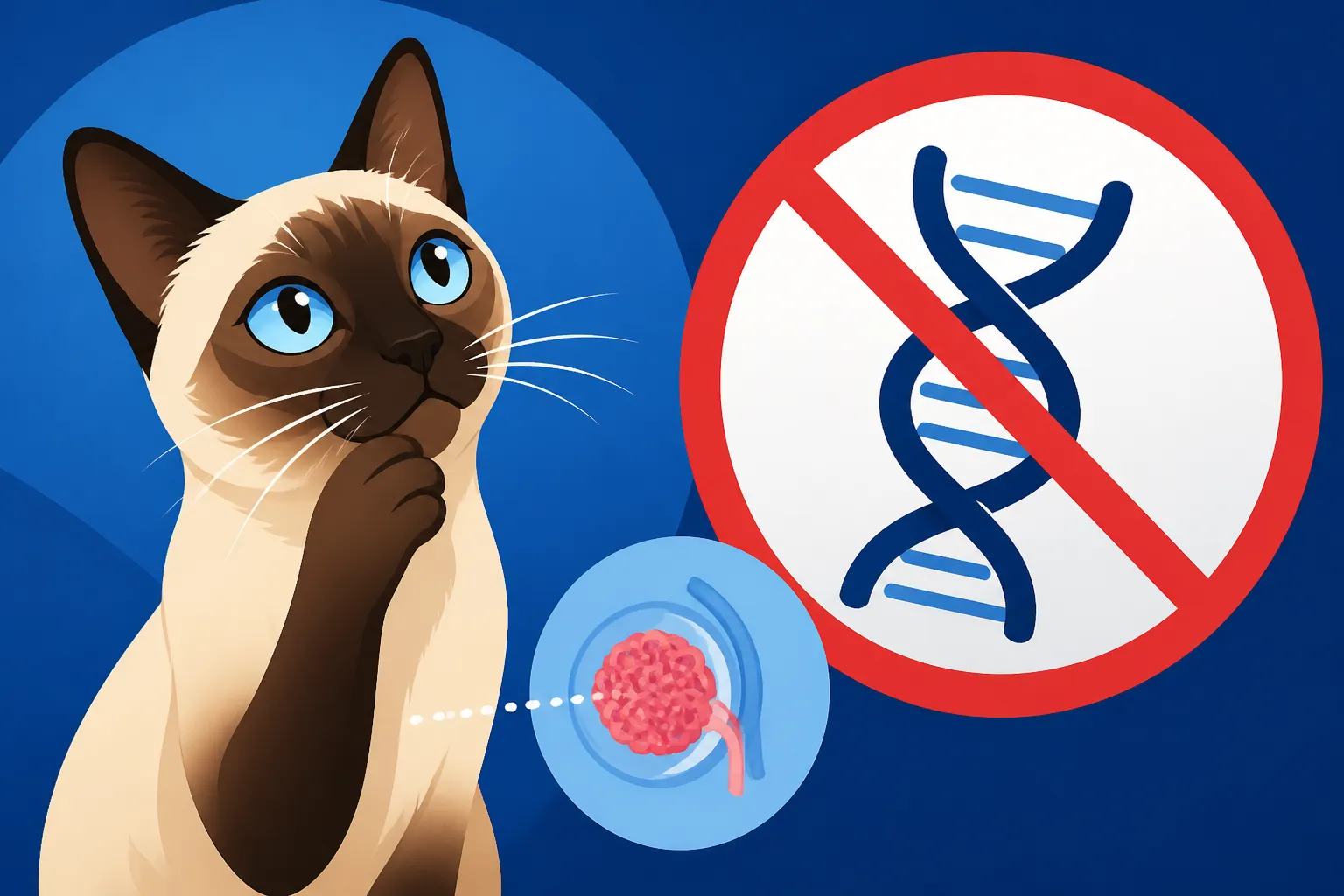
The primary reason we don't have a Siamese cat amyloidosis gene test boils down to the incredibly complex nature of the disease's inheritance. It's highly unlikely that amyloidosis is caused by a single, easily identifiable gene mutation. Instead, researchers suspect it’s a polygenic trait, meaning multiple genes interact in intricate ways to increase a cat’s risk. Think of it like a puzzle with hundreds of tiny, similar-looking pieces, where only a specific combination leads to the full picture of the disease. Isolating each contributing gene, understanding its role, and then figuring out how they all work together is a monumental task. Furthermore, environmental factors might also play a role, complicating the picture even further. The feline genome, while mapped, is still incredibly vast, and sifting through billions of base pairs to find subtle variations linked to a complex disease requires cutting-edge technology, sophisticated bioinformatics, and years of dedicated effort from expert researchers. It’s a scientific quest that is far from simple, and it explains Why There Is No DNA Test for Siamese Cat Amyloidosis.
Challenges in Research and Funding
Beyond the inherent scientific complexity, there are significant practical hurdles standing in the way of developing a gene test for Siamese cat amyloidosis. Veterinary genetic research often operates with far less funding than its human medical counterpart. This means fewer researchers, less access to state-of-the-art equipment, and slower progress. Amyloidosis, while devastating to affected Siamese cats and their families, is still considered a relatively rare disease compared to broader feline health issues like kidney disease or hyperthyroidism. This relative rarity means it's harder to gather a large enough cohort of affected and unaffected cats for robust genetic studies. Identifying distinct genetic markers requires comparing many individuals across generations, which takes time, collaboration across different research institutions, and significant financial investment. Organizations like the UC Davis Veterinary Genetics Laboratory and other university programs are doing incredible work, but they often rely on grants and donations to push these boundaries. Without sustained funding and collaborative efforts, breakthroughs can be agonizingly slow, leaving dedicated Siamese owners longing for answers.
Current Approaches to Managing Amyloidosis Risk and Diagnosis
While the absence of a gene test is disheartening, it doesn't mean we're entirely powerless. There are still proactive steps we can take as breeders, owners, and advocates to manage the risks, diagnose the disease when it strikes, and support ongoing research. It’s about being informed, diligent, and working closely with our veterinary teams. We may not have a perfect solution yet, but every effort contributes to the health and well-being of our beloved Siamese companions.
What Breeders Can (and Should) Do
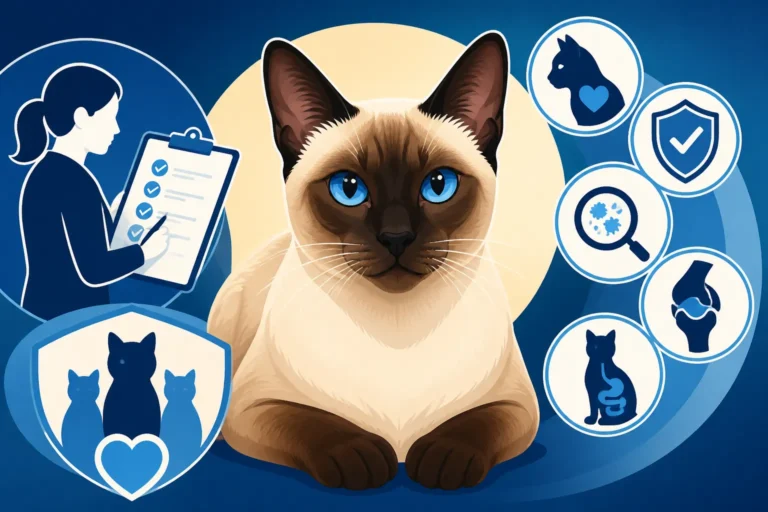
Even without a specific genetic marker, responsible Siamese cat breeders play a crucial role in mitigating the risk of amyloidosis. Their ethical responsibility extends to meticulously tracking the health history of their breeding lines. This means keeping detailed records of any amyloidosis diagnoses, even those confirmed post-mortem, in their cats' ancestors, siblings, and offspring. The goal is to avoid breeding individuals from lines where amyloidosis is known to occur, especially if multiple relatives have been affected. This practice, known as pedigree analysis, is a primary tool for breeders when a direct genetic test isn't available. It requires honesty, transparency, and a commitment to the long-term health of the breed over short-term gains. A breeder should be able to discuss the prevalence of amyloidosis in their lines and what steps they take to minimize risk. Asking about these health protocols is vital when looking for a kitten. For further insights, you can explore topics like Which Health Tests a Siamese Cat Breeder Runs and What a Siamese Cat Breeder Should Have Screened, and understand the implications of Whether an Affected Siamese Cat's Relatives Should Be Bred.
Early Detection and Supportive Care for Owners
For us, as owners, vigilance and proactive veterinary care become our best allies against amyloidosis. Since we can't test for it genetically, our focus shifts to early detection of the disease once it starts to manifest. Regular wellness exams, including routine blood work and urine tests, can sometimes flag early indicators of kidney or liver dysfunction, even if they aren't specific to amyloidosis. However, it's worth noting that many cats show no clinical signs until the disease is quite advanced, especially in the liver. If your Siamese ever shows subtle symptoms like unexplained lethargy, decreased appetite, vomiting, or changes in thirst, these should prompt an immediate vet visit. Advanced diagnostics, such as an abdominal ultrasound, can sometimes reveal changes in the liver or kidneys indicative of amyloid deposition. A definitive diagnosis often requires a biopsy, which can be risky in an already compromised liver. Managing costs for these diagnostic procedures and any subsequent supportive care can be a major concern, which is why many owners opt for pet insurance. A good policy from providers like Healthy Paws can offer immense peace of mind, covering a significant portion of the unexpected veterinary bills that can arise with conditions like suspected amyloidosis or other serious health issues. This allows you to focus on your cat's care rather than the financial strain. You can learn more about specific symptoms in Signs a Siamese Cat Has Liver Amyloidosis and How Amyloidosis Damages a Siamese Cat's Kidneys, and insights on Whether Siamese Cat Amyloidosis Can Be Caught Early. While there's no cure, supportive care can improve comfort and potentially extend life, as discussed in How Long a Siamese Cat Lives After an Amyloidosis Diagnosis.
The Promise of Future Research
While the current situation regarding a gene test for Siamese cat amyloidosis can feel disheartening, it's important to remember that science is constantly evolving. Advances in feline genomics are happening all the time, driven by dedicated researchers and a passionate community of cat lovers. Every piece of information gathered, every family pedigree traced, every affected cat studied contributes to a larger pool of knowledge. We live in an era where DNA sequencing is becoming more accessible and sophisticated, making it increasingly possible to identify complex genetic predispositions that were once thought impossible to unravel. There is always hope that future research will uncover the specific genetic markers responsible for amyloidosis in Siamese cats. Supporting feline health research foundations, participating in studies if given the opportunity, and continuing to share information within the Siamese cat community are all ways we can collectively contribute to a future where a preventative test might indeed become a reality. Until then, we rely on informed breeding practices, vigilant care, and strong partnerships with our veterinarians to give our precious Meezers the best possible chance at a long, healthy life.
| Feature | Genetic Test for Amyloidosis | Current Diagnostic Methods (e.g., Ultrasound, Biopsy) |
|---|---|---|
| Availability | Not currently available | Available |
| Purpose | Identify genetic predisposition/risk | Diagnose active disease or organ changes |
| Timing | Can be done at any age (kitten-adult) | Typically performed when symptoms appear or disease is suspected |
| Invasiveness | Non-invasive (e.g., cheek swab) | Varies: ultrasound (non-invasive), biopsy (invasive) |
| Definitiveness | Would ideally predict risk for future disease | Confirms presence of amyloid, organ damage |
| Cost | Varies (if available, generally affordable) | Can be significant, especially for advanced imaging and biopsies |
| Preventative Potential | High (for breeding decisions) | Low (diagnosis usually post-onset of disease) |
| Insurance Coverage | N/A | Often covered by pet insurance like Healthy Paws, depending on policy and pre-existing conditions |
Disclaimer
This article is for general informational purposes only and does not constitute professional advice. Laws, prices and regulations vary by location and change over time. Consult a qualified professional for guidance on your specific situation.