How Long a Siamese Cat Lives on Average
It's incredibly frustrating when you want to know how long your beloved Siamese companion will be by your side, only to find vague answers or conflicting information online. Many people assume all cats have similar lifespans, but the truth is, breed-specific nuances and individual care play a huge role. This comprehensive guide aims to cut through the confusion and give you a realistic, empathetic look at the average lifespan of a Siamese cat, exploring the key factors that contribute to their longevity and how you can support them for a long, healthy, and happy life.
Understanding the Average Siamese Lifespan
When you bring a Siamese cat into your home, you're not just getting a pet; you're gaining a family member with a vibrant personality and, thankfully, a generally long lifespan compared to many other feline breeds. It's a common misconception that all domestic cats live around the same length of time, but dedicated breeders and careful owners know that certain breeds, like our talkative Meezers, often defy those averages.
The Reported Lifespan Range for Siamese Cats
Generally speaking, you can expect a well-cared-for Siamese cat to live anywhere from 15 to 20 years, and it's not at all unheard of for them to sail past that 20-year mark. While the average domestic cat might live for 12 to 15 years, the Siamese often pushes those boundaries significantly. This isn't just wishful thinking from devoted owners; veterinary data and breed club records consistently show these cats enjoying extended golden years. The upper end of this spectrum truly makes them one of the longest-lived cat breeds out there. This impressive longevity is one of the many reasons why so many people fall head over heels for the breed, forming deep, lasting bonds that span decades.
Why Siamese Cats Often Live Longer Than Other Breeds
There are a few theories about why Siamese cats tend to outlive many of their feline counterparts. One significant factor is their generally robust genetic health, assuming they come from responsible breeding lines. Historically, they've been less prone to some of the widespread health issues that plague certain other purebreds, though this isn't to say they're entirely immune to problems. Their active and lean physiology also plays a part. A healthy Siamese is often a very energetic cat, burning off calories and staying agile well into old age. This constant movement helps maintain a healthy weight and good muscle tone, which are critical for long-term well-being. Furthermore, their highly intelligent and social nature means they thrive on interaction and stimulation, which can contribute to a lower stress level and a more engaged life, both of which are beneficial for longevity.
Anecdotal vs. Scientific Data on Longevity
While heartwarming stories of Siamese cats living to be 23, 25, or even 27 years old are fantastic to hear and certainly provide hope, it's important to differentiate between anecdotal evidence and scientific data. Anecdotes often highlight exceptional cases, which, while true, might not reflect the true average. Scientific studies, often drawing from veterinary records, pet insurance claims, and breed registries, provide a more statistical and less biased view. For instance, studies analyzing large populations of cats through veterinary clinics or pet insurance providers like Healthy Paws offer insights into the true mean and median lifespans across breeds. These studies consistently place the Siamese at the higher end of the feline lifespan spectrum. It's this combination of encouraging anecdotal stories and solid scientific backing that truly underscores the potential for a very long life with a Siamese cat.
Factors Influencing a Siamese Cat's Longevity
The impressive lifespan of a Siamese cat isn't just down to good luck; it's a complex interplay of genetics, environment, and the daily care they receive. Understanding these factors is crucial for any owner hoping to maximize their beloved Meezer's time with them. It’s not about guaranteeing a specific number of years, but about stacking the odds in their favor as much as possible.
Genetic Predispositions and Breeding Practices
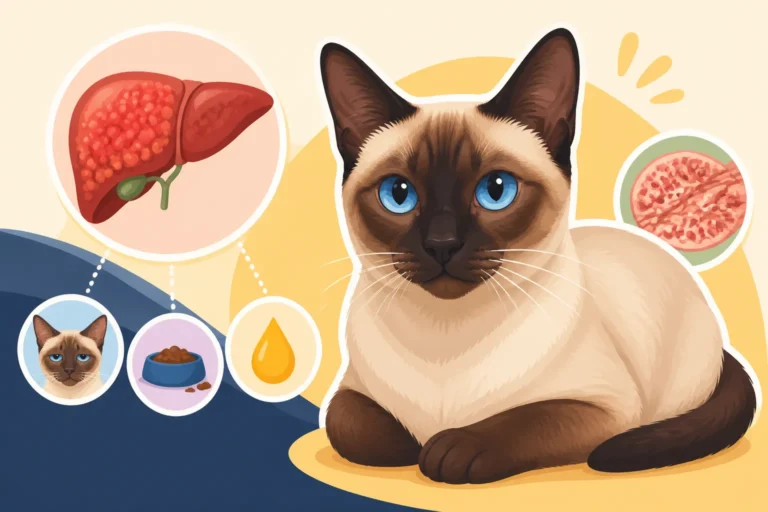
Just like us, cats inherit a lot from their parents, and genetics play a massive role in their overall health and potential lifespan. Siamese cats, while generally healthy, do have some genetic predispositions to specific conditions. For example, some lines can be prone to certain types of cancer, like mediastinal lymphoma in a young Siamese cat, or conditions like amyloidosis, which is the disease that kills young Siamese cats by causing abnormal protein deposits to build up in their organs, particularly the liver and kidneys. This is where responsible breeding practices become incredibly important. A reputable breeder will screen their cats for known genetic issues and actively work to breed them out of their lines. They should be transparent about their cats' health histories and any diseases present in the lineage. Knowing Which Health Tests a Siamese Cat Breeder Runs can make all the difference when choosing a kitten, helping you avoid potential heartaches down the road that could shorten your cat's life.
The Impact of Diet and Nutrition
What you feed your Siamese cat directly impacts their health and longevity. These are active, lean cats with a high metabolism, meaning they need high-quality, nutrient-dense food. A diet rich in animal-based protein, with appropriate fat and carbohydrate levels, is essential. Feeding an adult Siamese cat cheap, filler-laden kibble can lead to a host of problems over time, from obesity (even for a naturally lean breed) to dental issues and kidney problems. Think about it: would you expect to live a long, healthy life on a diet of fast food every day? Neither would your cat. Hydration is equally critical. Cats often don't drink enough water naturally, which can stress their kidneys over time. Incorporating wet food into their diet or providing a feline-friendly water fountain can encourage better water intake, a small but vital step toward preventing chronic health issues later in life.
Environmental Enrichment and Stress Reduction
A Siamese cat is not just a body; it's a brilliant, highly social mind that needs constant engagement. A bored or stressed Siamese can develop behavioral issues, such as psychogenic alopecia, where they over-groom to the point of licking themselves bald. Chronic stress can also suppress their immune system, making them more susceptible to illness. Providing ample environmental enrichment, such as tall cat trees for climbing, puzzle feeders, interactive toys, and plenty of one-on-one play sessions, is paramount. They crave interaction, so leaving them alone for long periods without companionship can be detrimental. Consider Whether a Siamese Cat Should Live Alone if you're out of the house for extended hours. A stimulating environment, coupled with a consistent routine, minimizes stress and keeps their minds sharp, contributing significantly to their physical health and extending their vibrant years.
Common Health Challenges Affecting Siamese Lifespan
While Siamese cats are known for their robust health and impressive longevity, they aren't entirely immune to health issues. Certain conditions are more prevalent in the breed, and understanding these can empower you to provide the best possible preventive and responsive care, ultimately contributing to a longer, healthier life for your feline friend. It's about being prepared, not paranoid.
Inherited Conditions and Their Management
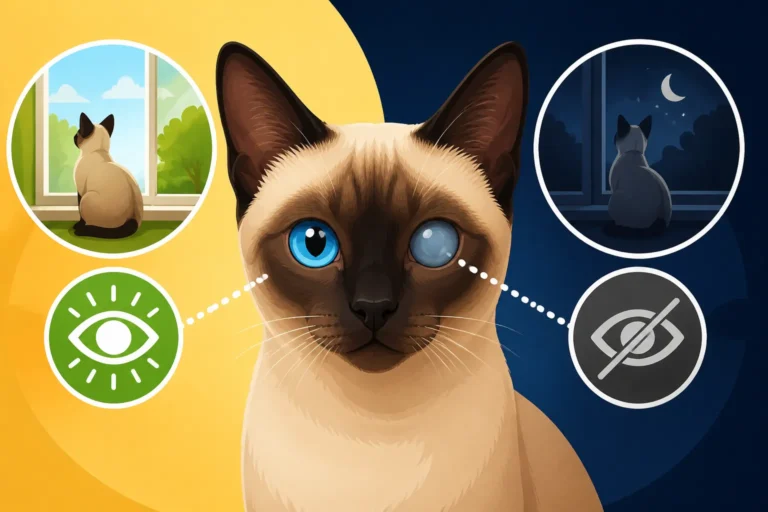
One of the most concerning inherited conditions for Siamese cats is amyloidosis. This dreadful disease involves the deposition of an abnormal protein called amyloid in various organs, most commonly the liver and kidneys. When it affects the liver, it can lead to acute liver rupture, which is often fatal and can strike even young cats. While there is no DNA test for Siamese cat amyloidosis, responsible breeders track family histories of this disease. Another condition that can be seen in some Siamese lines is progressive retinal atrophy (PRA), an inherited eye disease that causes blindness. Early signs of PRA usually involve a loss of night vision, eventually leading to full blindness, often by the age of three to five years. Although not life-threatening, it significantly impacts their quality of life, and it's essential to understand What PRA Does to a Siamese Cat's Sight if you suspect your cat might be affected. The key to managing these inherited conditions, where possible, lies in early detection and supportive care, even if there's no cure. Regular veterinary check-ups are crucial for catching any subtle changes that might indicate the onset of these diseases.
Age-Related Ailments in Senior Siamese Cats
As your Siamese cat matures and approaches those impressive senior years, typically starting around 10-12 years old, they become more susceptible to the common ailments that affect all aging felines. Kidney disease in an older Siamese cat is a significant concern, often manifesting as increased thirst and urination, weight loss, and a dull coat. Similarly, hyperthyroidism in an older Siamese cat is also common, leading to weight loss despite a ravenous appetite, hyperactivity, and a racing heart. Dental disease in a Siamese cat is another pervasive issue, with many senior cats suffering from painful gum inflammation and tooth resorption. Untreated dental problems can lead to more severe systemic infections affecting the heart, kidneys, and liver. What Changes in a Siamese Cat After Twelve highlights many of these age-related shifts. Regular veterinary visits become even more critical during these years, as many age-related conditions can be managed effectively with diet, medication, and regular monitoring, significantly improving comfort and extending their good quality of life.
The Threat of Accidents and Lifestyle Risks
Beyond genetics and age-related decline, a significant threat to a Siamese cat's lifespan comes from accidents and lifestyle risks. As highly curious, intelligent, and agile creatures, Siamese cats love to explore. If allowed outdoors unsupervised, they face dangers from traffic, encounters with other animals, exposure to parasites and diseases, and even deliberate harm from people. While the idea of an indoor-only cat might seem restrictive to some, keeping your Siamese safely indoors dramatically reduces these risks. Furthermore, their inquisitive nature can lead them to ingest household toxins like certain plants, cleaning supplies, or human medications, or to chew on electrical cords. Given their propensity for wool sucking and sometimes eating fabric, even seemingly innocuous items can pose a risk of intestinal blockage. Creating a safe, "cat-proof" home environment is not just about convenience; it's a vital step in protecting your Siamese from preventable accidents that could tragically shorten their potential lifespan.
| Factor | Impact on Lifespan | Prevention/Management Strategy |
|---|---|---|
| Genetics | Predisposes to diseases | Choose a reputable breeder, inquire about family health history |
| Diet & Nutrition | Affects overall health | High-quality, protein-rich food; ensure adequate hydration |
| Stress | Weakens immune system | Provide enrichment, routine, companionship; minimize changes |
| Amyloidosis | Organ failure (fatal) | No direct prevention; responsible breeding and family history review |
| Kidney Disease | Chronic decline | Regular vet checks, hydration, appropriate diet for seniors |
| Dental Disease | Systemic infection | Regular tooth brushing, professional dental cleanings |
| Outdoor Access | Accidents, disease | Keep as an indoor-only cat, provide secure outdoor "catio" |
| Toxins/Blockages | Acute illness/fatal | Cat-proof home, monitor chewing habits |
The Role of Veterinary Care and Prevention
It's easy to overlook the critical importance of consistent veterinary care when your Siamese cat seems perfectly healthy and full of beans. However, the truth is, proactive prevention and early detection are arguably the biggest determiners of how long your beloved companion will thrive. Waiting until something is visibly wrong often means the condition is more advanced and harder to treat.
Importance of Regular Wellness Exams and Vaccinations
Think of your cat's annual (or biannual, for seniors) wellness exam not as an optional visit, but as their equivalent of your own yearly physical. These routine check-ups allow your veterinarian to establish a baseline for your cat's health, monitor subtle changes over time, and catch potential issues before they become serious. During these exams, your vet will perform a thorough physical assessment, checking everything from their teeth and gums (a major source of hidden pain and infection) to their heart, lungs, and joints. These visits are also crucial for ensuring your Siamese is up-to-date on essential vaccinations, which protect them from devastating, often fatal, diseases like rabies, feline distemper, and feline leukemia. Skipping these appointments might save a little money in the short term, but it can lead to far greater expenses and heartache down the road if a preventable disease or an easily treatable condition goes unnoticed.
Early Detection and Proactive Treatment Strategies
One of the most powerful tools in extending your Siamese cat's lifespan is the ability to detect health issues early. Regular bloodwork and urinalysis, especially as they enter their middle and senior years, can reveal subtle indicators of conditions like kidney disease or hyperthyroidism long before your cat shows obvious symptoms. For instance, blood values can sometimes flag early signs of problems, giving you a head start on management. If your vet notices something amiss during a routine check-up, they can recommend further diagnostics, such as an ultrasound or specialized blood tests. Proactive treatment, even for chronic conditions like early-stage kidney disease, can involve dietary changes, supplements, or medications that slow the progression of the illness, significantly improving their quality of life and adding years to their life. This is also where you, as an observant owner, play a vital role. Noticing changes in appetite, litter box habits, energy levels, or vocalizations can prompt an earlier vet visit, potentially catching an issue like Signs a Siamese Cat Is Unwell before it becomes critical.
Considering Pet Insurance for Long-Term Health Costs
Let's be realistic: veterinary care, especially advanced diagnostics and treatments for chronic or acute conditions, can be incredibly expensive. This is where pet insurance can be a true lifesaver for both your Siamese cat and your wallet. Companies like Healthy Paws offer comprehensive plans that can help cover the costs of unexpected illnesses, accidents, and even chronic conditions that require ongoing management. Imagine your Siamese needing emergency surgery for an intestinal blockage, or facing a long-term battle with heart disease in a Siamese cat; these bills can easily run into thousands of dollars. Having pet insurance means you can make decisions based on what's best for your cat's health, rather than being constrained by financial worries. It provides peace of mind, knowing that if a serious health issue arises, you're prepared to provide the best care possible, without having to choose between your cat's health and your savings.
Nurturing a Long and Healthy Life for Your Siamese
Ensuring your Siamese cat enjoys a long and healthy life isn't just about avoiding problems; it's about actively creating an environment and lifestyle that promotes their physical and mental well-being every single day. It's a continuous commitment, but the rewards of a vibrant, happy companion for years to come are immeasurable.
Tailored Nutrition and Hydration Approaches
Because Siamese cats are generally very active and have a lean, athletic build, their nutritional needs can be a bit different from a sedentary cat. They often need a higher quality diet with a good balance of protein and healthy fats to support their energy levels and maintain their muscle mass. Look for cat foods with real meat as the first ingredient, and consider rotating between different high-quality brands to provide a diverse nutrient profile. Wet food is often recommended for cats, especially Siamese, to ensure adequate hydration, which is vital for kidney health throughout their lives. Many Siamese cats love the texture and moisture of wet food. If your Siamese is prone to scarfing down food, using puzzle feeders or splitting their daily portion into several smaller meals can help prevent overeating and make mealtime more engaging. Remember, How Much an Adult Siamese Cat Eats can vary based on their activity level and individual metabolism, so observe your cat and adjust as needed, always aiming for that lean, healthy body condition.
Creating a Safe and Stimulating Home Environment
A Siamese cat thrives on interaction and stimulation, but they also need a safe haven. Keeping your Siamese as an indoor-only cat significantly protects them from external dangers, but it also means you're responsible for bringing the world to them in a safe way. This involves providing vertical spaces like tall cat trees and shelves where they can climb and observe their domain, fulfilling their natural instincts. Rotate their toys regularly to keep them interested, offering a mix of interactive wands, puzzle toys, and solo play items. Consider a catio (a secure outdoor enclosure) if you want them to experience fresh air safely. Because Siamese cats are prone to wool sucking and sometimes pica, you'll need to be extra diligent about cat-proofing your home, removing tempting fabrics, plastic bags, or small objects they might ingest. These intelligent cats can also get into cupboards and open doors, so child-proof locks might be a wise investment! A stimulating home prevents boredom, which in turn reduces stress-related behaviors like psychogenic alopecia in a Siamese cat and keeps their minds sharp.
The Importance of Mental and Emotional Well-being
A long life isn't just about physical health; it's also about a rich and fulfilling existence. Siamese cats are highly intelligent, vocal, and deeply bonded to their human companions. They absolutely demand interaction and thrive on being part of the family. Neglecting their mental and emotional needs can lead to stress, anxiety, and even physical ailments. Engage with your Siamese daily through play sessions, conversation (they'll often talk back!), and plenty of cuddles. Consider Whether a Siamese Cat Needs a Companion Cat if you're out of the house for extended periods, as another feline friend can provide vital social interaction. Training, even simple tricks like fetch or high-fives, can be a fantastic way to engage their bright minds. Consistency in routine, a stable home environment, and a strong bond with their human family are paramount. A loved and mentally stimulated Siamese cat is a happier cat, and a happy cat is generally a healthier cat, enjoying every one of their precious The Fifteen to Twenty Years a Siamese Cat Gets.
Disclaimer
Please note that the information provided in this guide is for general informational purposes only and does not constitute professional veterinary advice. Always consult with a qualified veterinarian for any health concerns or before making any decisions related to your pet's care.