Congenital Defects in a Siamese Cat Kitten
It's absolutely heartbreaking to discover that your precious new Siamese kitten, full of purrs and playful energy, might be facing a health challenge right from the start. That initial joy can quickly turn to worry and confusion when you notice something isn't quite right. This comprehensive guide is here to walk you through the various congenital defects that can affect Siamese cat kittens, helping you understand what they are, how to recognize them, and what steps you can take to ensure your little one gets the best possible care and a chance at a happy life.
Understanding Congenital Defects in Siamese Kittens
When we talk about congenital defects, it’s often a term that can sound intimidating and complex. But at its core, it simply refers to health issues or abnormalities that are present at birth or develop very shortly thereafter. For Siamese cat kittens, these defects can range from subtle physical traits to more serious internal organ malformations, and understanding the nuances is the first step in providing informed care.
What "Congenital" Truly Means for a Kitten
A congenital defect isn't necessarily something a kitten inherits directly from its parents in the way a specific gene might pass down a trait like coat color. Instead, "congenital" means "present at birth." These conditions occur during fetal development, while the kitten is still growing inside its mother. Think of it like a tiny hiccup in the manufacturing process. It could be due to a genetic mutation, environmental factors during pregnancy (like the mother's exposure to toxins or certain medications), or even just a random developmental error. Sometimes, these issues are immediately obvious, like a visible deformity. Other times, they might be internal and only become apparent as the kitten grows and symptoms start to show, making diagnosis a real challenge for concerned owners and diligent veterinarians alike.
The journey of understanding a congenital defect can be isolating, making you feel like you’ve done something wrong, but it’s crucial to remember that these things often happen beyond anyone's control. It’s a roll of the dice in nature's complex biological processes. For Siamese cats, with their unique genetic background and specific breed traits, certain predispositions can make them more prone to particular types of congenital issues. This isn't to say every Siamese will have a defect, but awareness helps you and your vet be vigilant.
Genetic vs. Developmental Factors in Siamese Cats
It's important to distinguish between defects that are primarily genetic and those that are purely developmental. A genetic defect means the kitten inherited a specific gene or set of genes from one or both parents that caused the problem. For instance, some forms of heart disease or neurological disorders can have a strong genetic component. If a breeder isn't careful about screening their breeding lines, these genetic issues can unfortunately persist and reappear in successive generations. This is why discussing the health history of the parents and previous litters with your breeder is absolutely non-negotiable. Reputable breeders often go to great lengths to ensure they're not passing on known genetic problems.
On the other hand, developmental factors during pregnancy can also lead to congenital defects. These aren't necessarily tied to the parents' genes but rather to external influences or random errors during gestation. For example, if a pregnant queen is exposed to certain viruses, medications, or even nutritional deficiencies, it could interfere with the normal development of the kittens, leading to issues like a cleft palate or limb deformities. Stress on the mother or complications during pregnancy can also play a role. While we can control some environmental factors, others are simply unforeseen circumstances. It’s a complex interplay, and often, determining the exact cause of a specific congenital defect can be incredibly difficult, if not impossible, even with the most advanced diagnostic tools.
Common Congenital Heart Defects
Heart issues are particularly distressing for any cat owner, and sadly, Siamese kittens aren't entirely immune to congenital heart defects. These conditions are present from birth and affect the structure and function of the heart, potentially impacting a kitten's growth, energy levels, and overall lifespan. Spotting the signs early and getting a proper diagnosis is absolutely crucial for managing these conditions.
Recognizing Signs of Heart Trouble
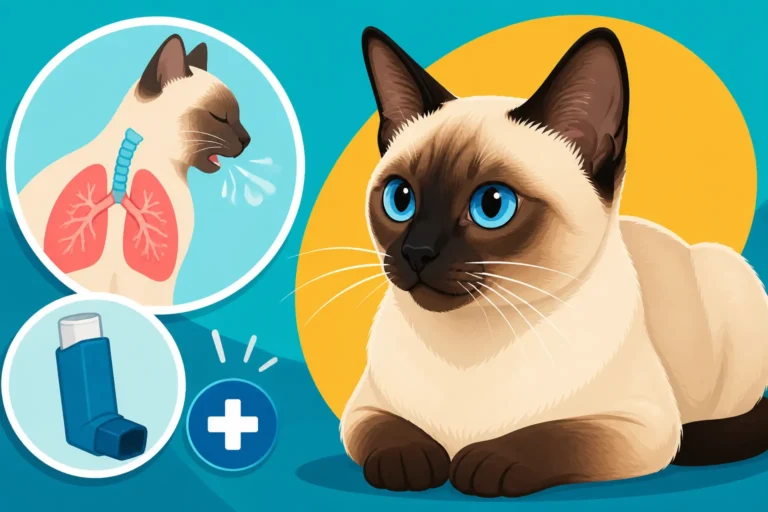
It can be terrifying when you suspect your tiny kitten might have a heart problem. The signs often aren't as dramatic as you might imagine, especially in the early stages, which makes them easy to miss if you're not paying close attention. One of the most common early indicators of a heart defect in a kitten is a persistent cough, especially after exertion or play. While a kitten's cough might sometimes just be a minor irritation, when it's linked to the heart, it's usually because fluid is building up in the lungs, making it harder for them to breathe comfortably. Another significant red flag is any kind of labored breathing or rapid breathing rate, even when your kitten is resting. You might notice their flanks moving excessively with each breath, or their gums appearing pale or even slightly bluish, indicating a lack of oxygen.
Beyond respiratory symptoms, a kitten with a congenital heart defect might struggle to keep up with its littermates. They might seem lethargic, play less, and tire out much more quickly than other healthy kittens. Poor growth is another common sign; despite eating well, they may remain noticeably smaller or fail to gain weight at the expected rate. Sometimes, you might even feel a subtle vibration or a stronger-than-normal pulse in their chest when you're cuddling them. If your veterinarian detects a heart murmur during a routine check-up, this is often the very first sign of a potential issue and warrants further investigation. Remember, early detection through regular vet visits can make a huge difference, so don't hesitate to bring up any concerns you have, no matter how small they seem. If you're unsure about the signs, a quick search for "Congenital Heart Defects in a Siamese Cat Kitten" can provide some visual and auditory cues to help you understand what to look for.
Management and Prognosis for Cardiac Issues
Receiving a diagnosis of a congenital heart defect in your Siamese kitten is, without a doubt, a heavy blow. Your mind immediately leaps to worst-case scenarios and the thought of limited time. However, it’s important to remember that not all heart defects are equally severe, and advancements in veterinary cardiology mean that many kittens can live full, comfortable lives with proper management. The first step after a murmur is detected is usually a referral to a veterinary cardiologist for a more in-depth diagnosis. This often involves an echocardiogram, which is essentially an ultrasound of the heart, allowing the specialist to visualize the heart's structure and function in real-time. They can pinpoint the exact nature of the defect, whether it's a hole in the heart, a narrowed valve, or an abnormal vessel.
Once a definitive diagnosis is made, your vet will discuss the available treatment options. For some milder defects, watchful waiting and regular monitoring might be all that's needed. For more significant issues, medications can often help manage symptoms, improve heart function, and reduce fluid buildup. Diuretics might be prescribed to help reduce fluid in the lungs, and other cardiac medications can help strengthen the heart muscle or regulate its rhythm. In certain cases, surgical intervention might even be an option, though this is less common and depends heavily on the specific defect and the kitten's overall health. The prognosis varies widely, from kittens who live a normal lifespan with minor management to those with severe defects whose lives, sadly, might be significantly shortened. The key is working closely with your veterinary team to create a personalized care plan for your kitten. It's also worth looking into pet insurance, like policies from Healthy Paws, which can help mitigate the significant costs associated with diagnosing and managing chronic conditions.
| Congenital Heart Defect | Description | Common Signs in Kittens | Prognosis (General) |
|---|---|---|---|
| Ventricular Septal Defect (VSD) | A hole in the wall separating the heart's lower chambers. | Heart murmur, poor growth, rapid breathing, lethargy. | Varies from self-correcting to severe, requiring medication or surgery. |
| Patent Ductus Arteriosus (PDA) | A vessel that normally closes after birth remains open, shunting blood. | Loud, continuous heart murmur, coughing, exercise intolerance. | Excellent with surgical correction; poor if untreated. |
| Pulmonic Stenosis | Narrowing of the valve leading from the heart to the lungs. | Heart murmur, exercise intolerance, fainting in severe cases. | Good for mild cases; guarded for severe cases, may need intervention. |
| Aortic Stenosis | Narrowing of the valve leading from the heart to the body. | Heart murmur, exercise intolerance, sudden death in severe cases. | Guarded, as treatment options are often limited and prognosis varies. |
Neurological and Skeletal Abnormalities
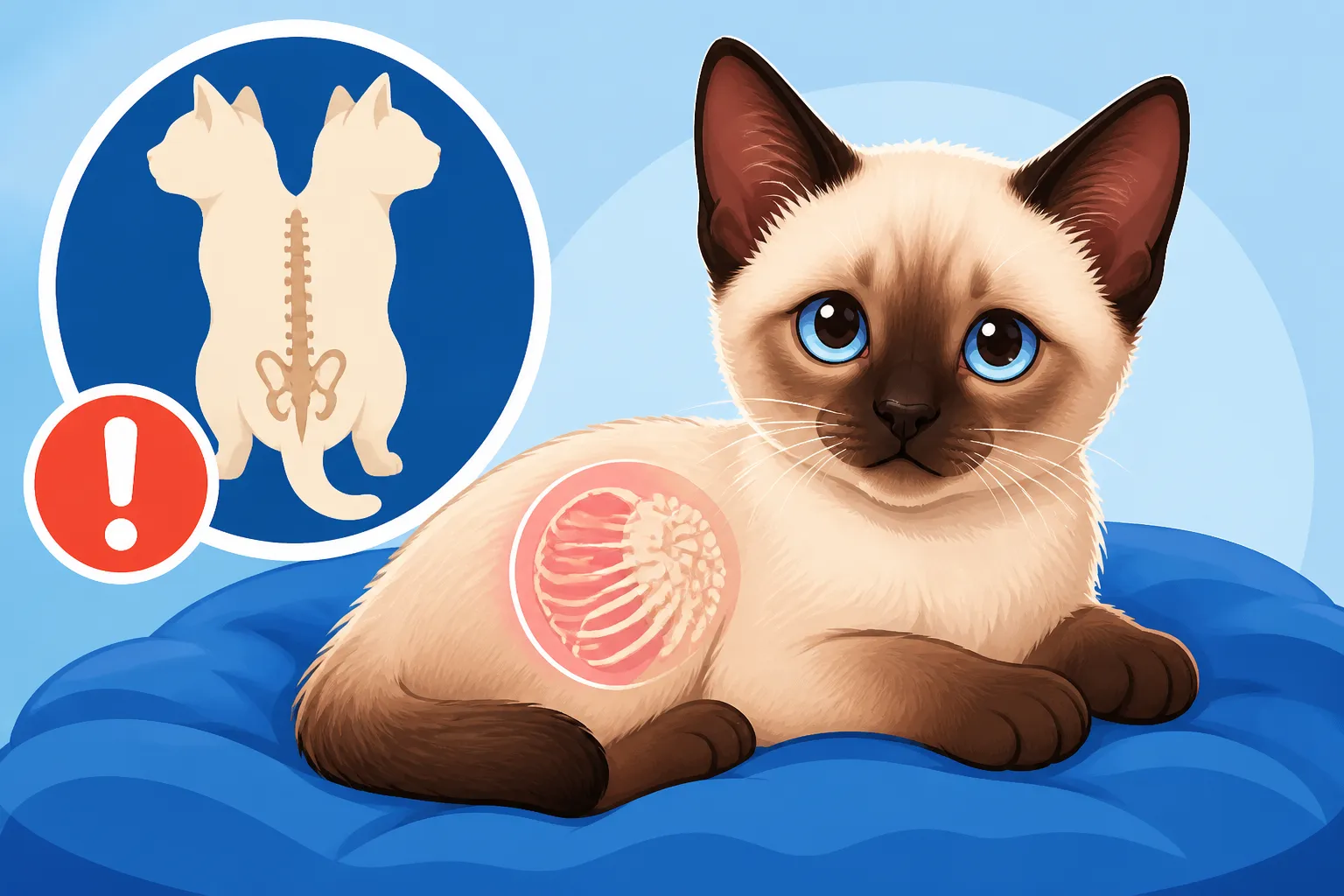
Beyond internal organ issues, some congenital defects manifest in a Siamese kitten's nervous system or skeletal structure. These can affect their movement, coordination, and even some of the iconic physical traits we associate with the breed. It can be startling to see a kitten struggling with balance or exhibiting unusual body postures, but many of these conditions are manageable, and some are even considered charming quirks.
Vestibular Disease and Other Balance Issues
Imagine waking up one day and feeling like the world is constantly spinning. That's a bit like what a kitten experiences with vestibular disease, a condition that affects the vestibular system, which is responsible for balance and spatial orientation. While it can occur at any age, a congenital form of Vestibular Disease in a Siamese Cat Kitten can be present from birth or shortly after. You might notice your little one walking with an unsteady gait, almost as if they're drunk, frequently falling over, or tilting their head persistently to one side. Some kittens might also exhibit nystagmus, which is a rapid, involuntary movement of the eyes. This can be truly alarming to witness, especially in a tiny, vulnerable kitten.
The good news is that congenital vestibular disease in kittens often improves significantly, or even resolves entirely, as they mature. This doesn't mean it's not without its challenges; you'll need to create a safe, padded environment for your kitten to prevent injuries from falls. They might struggle with depth perception, so ramps or low-sided litter boxes can be helpful. Your vet will rule out other causes for these symptoms, such as ear infections or more severe neurological problems. Sometimes, anti-nausea medications might be prescribed if the kitten is experiencing motion sickness from the disorientation. Most importantly, patience and a calm, consistent environment are key. Many kittens with this condition adapt remarkably well, developing their own strategies for navigating their world, and grow into happy, loving companions, albeit with a unique wobble.
Tail Kinks, Crossed Eyes, and Other Visible Traits
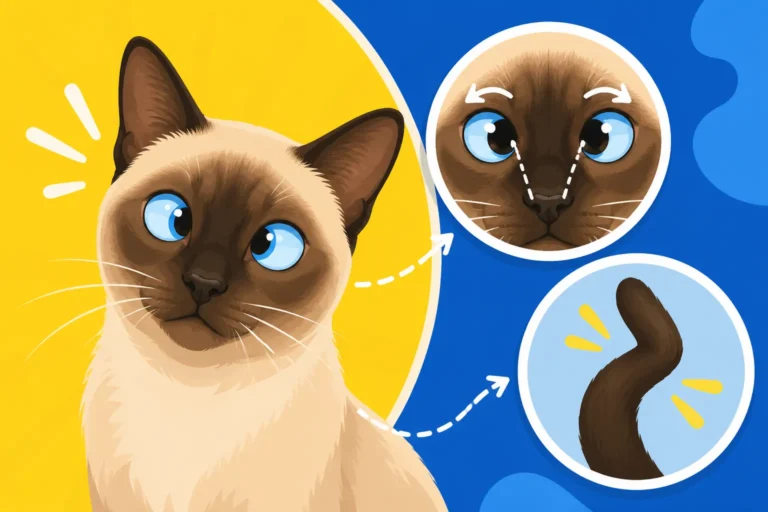
When you picture a traditional Siamese cat, certain traits often come to mind: striking blue eyes, a sleek coat, and perhaps, a slightly kinked tail or charmingly crossed eyes. It might surprise you to learn that both a kinked tail and crossed eyes were once considered common, albeit technically "defects," in the early Siamese breed. For centuries, these traits were even revered, woven into the breed's mystical legends, suggesting that the cats guarded royal treasures with their tails and focused their intense gaze to prevent theft. You can read more about the origins of these traits in "Why a Siamese Cat's Eyes Cross and Its Tail Kinks."
However, modern breed standards have largely moved away from these features. A Siamese cat's tail should ideally be straight, without kinks or knots, and their eyes should be set wide, clear, and uncrossed. While a kitten born with a minor tail kink is usually just a cosmetic issue and causes no pain or functional problems, it would disqualify them from the show ring. Similarly, crossed eyes, while endearing to many owners, are also considered a fault in contemporary show standards. This ocular anomaly, known as strabismus, is often linked to the genetics responsible for the Siamese cat's unique colorpoint pattern and partial albinism. It typically doesn't impair their vision significantly, as they learn to compensate, but it's an undeniable congenital trait. If you find your Siamese kitten has these traits, rest assured they can lead perfectly normal, happy lives as cherished family members. The biggest "problem" is often just breaking the news to a traditional show breeder who meticulously avoids such traits in their lines!
Other Noteworthy Congenital Concerns
While heart defects and visible quirks like crossed eyes might be among the more commonly discussed congenital issues, Siamese kittens can, like any breed, occasionally face other developmental anomalies. These can range from problems with their digestive system to sensory impairments, each presenting its own set of challenges and requiring specific care strategies.
Digestive and Organ Malformations
It's truly upsetting when your tiny kitten isn't thriving, and sometimes, the culprit can be a congenital malformation within their digestive system or other internal organs. One of the more visible and commonly discussed examples is a cleft palate. This occurs when the roof of the mouth doesn't fully close during fetal development, leaving an opening between the mouth and nasal cavity. Kittens with a cleft palate often struggle to nurse effectively because they can't create suction, leading to milk coming out of their nose. This puts them at high risk for aspiration pneumonia, a serious lung infection, and can severely impact their growth and survival without dedicated, intensive care, often involving tube feeding. Surgical correction is possible for many cases, but it's a delicate and costly procedure.
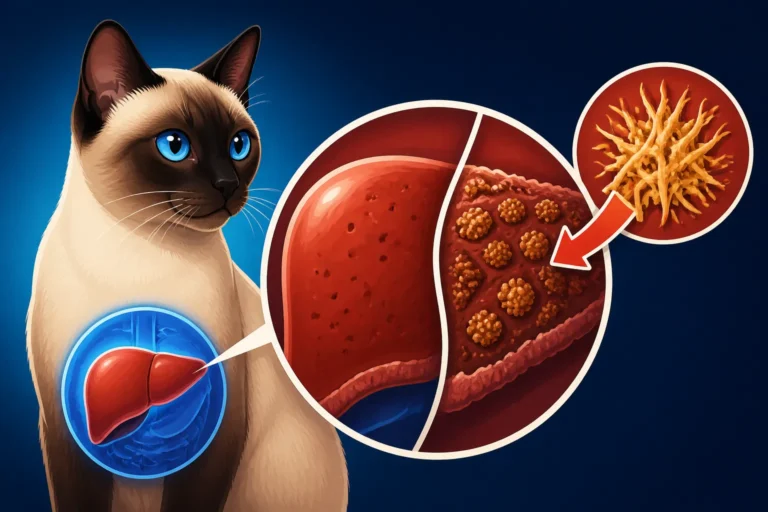
Beyond cleft palates, other internal organ issues can occur. Some kittens might be born with congenital kidney abnormalities, which might not show symptoms until later in life when the kidneys start to fail, or in severe cases, cause issues from birth. Another, less common but devastating, issue is a congenital portosystemic shunt (PSS), where an abnormal blood vessel bypasses the liver, preventing toxins from being filtered from the blood. This can lead to neurological symptoms, poor growth, and other serious health problems. These conditions often require specialized diets, medications, and sometimes complex surgery. It highlights the importance of thorough veterinary checks for young kittens and being observant of any signs of illness, no matter how subtle. Early intervention for these types of defects can sometimes dramatically improve a kitten's quality of life and prognosis.
Deafness and Sensory Defects
The world for a kitten is a rich tapestry of sights, sounds, and smells. But for some Siamese kittens, one or more of these senses might be affected by a congenital defect. Congenital deafness, for instance, can occur in cats, particularly those with white coats or blue eyes, though it's less common in traditional Siamese cats compared to breeds like pure white cats. If a Siamese kitten is born deaf, you might notice they don't respond to loud noises, don't startle easily, or don't orient their ears towards sounds. A specific test called a BAER (Brainstem Auditory Evoked Response) test can definitively diagnose deafness. While it's a significant disability, deaf cats can lead perfectly normal, happy lives indoors with attentive owners. They learn to rely more on their other senses, like sight and vibrations, and respond well to visual cues and hand signals.
Other sensory defects can be more subtle. Some kittens might have congenital abnormalities of the eye that go beyond simply being crossed, such as underdeveloped retinas or other structural issues that can impair vision. These might only be detected through a veterinary ophthalmologist's examination. Signs could include bumping into objects, difficulty navigating new environments, or unusual eye movements. While devastating to discover, blind kittens, especially those born blind, adapt incredibly well. They map out their environment, using their whiskers and memory to navigate their home confidently. The key is consistency in furniture placement and keeping them safely indoors. Understanding How a Blind Siamese Cat Manages can provide immense comfort and practical advice for owners.
Working with a Breeder and Vet for Prevention and Care
Navigating the world of congenital defects in Siamese kittens can feel overwhelming, but you're not alone. The best approach involves proactive engagement with ethical breeders and a strong, trusting relationship with your veterinarian. Their combined expertise is your greatest asset in both prevention and providing the best possible care.
The Importance of Ethical Breeding Practices
Choosing a kitten from an ethical and responsible breeder is truly one of the most critical decisions you'll make in the fight against inherited and congenital defects. A good breeder isn't just someone who sells kittens; they are custodians of the breed, dedicated to its health and well-being. They will meticulously research pedigrees, selecting breeding pairs with an eye towards improving health and temperament, not just aesthetics. This means screening their adult cats for known genetic diseases that are prevalent in the Siamese breed. While The Screening a Siamese Cat Breeder Cannot Do for every single potential issue, reputable breeders will openly discuss any health concerns that have appeared in their lines, even if they're not directly "genetic" in a testable way.
Ethical breeders will be transparent about the health of the kitten's parents and any previous litters. They should provide full health records, vaccination histories, and perhaps even a written health guarantee. They'll ask you just as many questions as you ask them, ensuring their kittens go to responsible homes. They will also provide early socialization and a clean, safe environment for the pregnant queen and her kittens, minimizing environmental stressors that could contribute to developmental defects. Don't be shy about asking direct questions about potential health issues, or inquiring about What a Siamese Cat Breeder Should Have Screened. A responsible breeder will appreciate your diligence and be eager to share information, understanding that they are sending a piece of their heart home with you.
Diagnostic Tools and Early Intervention
Once you have your kitten home, your veterinarian becomes your primary partner in monitoring their health and addressing any potential congenital defects. Regular veterinary check-ups, especially in the first few months of life, are absolutely essential. During these visits, your vet will perform thorough physical examinations, listening to your kitten's heart and lungs, palpating their abdomen, and checking their reflexes and gait. These early exams are crucial for detecting subtle signs that might indicate a problem that wasn't immediately obvious at birth. For instance, a persistent heart murmur might prompt further diagnostic tests like an echocardiogram, as discussed earlier.
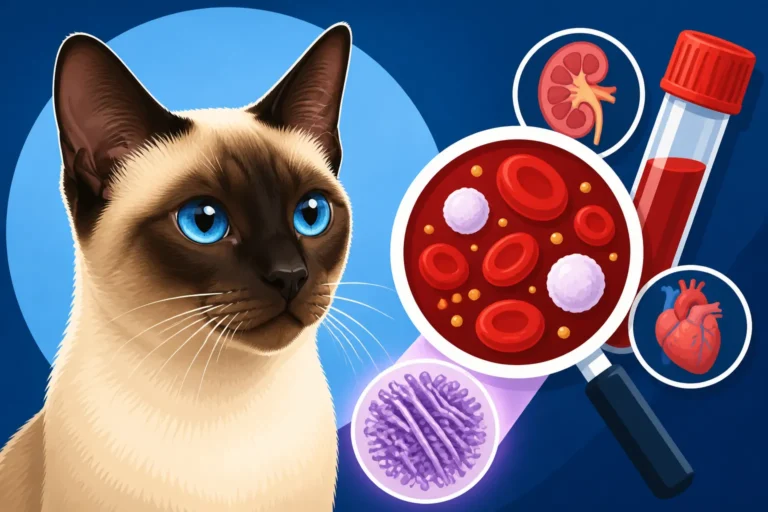
If a defect is suspected, modern veterinary medicine offers a wide array of diagnostic tools. X-rays can reveal skeletal abnormalities or fluid in the lungs, while ultrasound can visualize internal organs like the kidneys, liver, or heart. Blood tests can check organ function and rule out other underlying conditions. The sooner a congenital defect is identified, the better the chances for effective early intervention. This might mean starting medications, making dietary adjustments, or preparing for specialized surgical procedures if necessary. Don't hesitate to seek a second opinion or consult with specialists if your vet recommends it; their expertise can be invaluable in crafting the best treatment plan for your Siamese kitten. Remember, your vet is there to guide you through these challenges, offering both medical expertise and emotional support.
Living with a Siamese Cat Kitten with Special Needs
Bringing home a Siamese cat kitten with special needs, especially due to a congenital defect, changes the journey from what you might have initially envisioned. It demands extra patience, adaptation, and an open heart, but it also brings immeasurable rewards. These little fighters often show incredible resilience and adaptability, forging incredibly deep bonds with their human companions.
Adapting Your Home and Routine
If your Siamese kitten has a congenital defect that affects their mobility, vision, or overall energy levels, you'll need to make some thoughtful adjustments to your home environment and daily routine. For kittens with balance issues or limited vision, maintaining a consistent layout of furniture is crucial; they rely on memory and their other senses to navigate safely. Blocking off stairs, providing low-sided litter boxes, and ensuring food and water bowls are easily accessible can make a huge difference. Consider non-slip mats on slick floors and padded areas for play to cushion any falls. If your kitten is prone to respiratory issues due to a heart defect, a clean, dust-free environment with good ventilation is essential, and avoiding strong chemical cleaners or air fresheners is a must.
Your daily routine might also shift. Kittens with lower energy due to heart conditions might need shorter, more frequent play sessions, or perhaps more gentle, interactive toys. Those with digestive issues might require a strict feeding schedule with specific prescription diets. Grooming might need extra attention if your kitten struggles to reach certain areas. The key is to observe your kitten closely, learning what they can and cannot do, and tailoring their world to meet their specific needs. It’s not about pity, but about empowerment—giving them the tools and environment to live their fullest, happiest life possible, whatever their challenges may be. And honestly, often, the "special needs" quickly just become "how we do things," and you won't even think twice about it.
Emotional and Financial Realities
Let's be realistic: caring for a Siamese cat kitten with a congenital defect can be an emotional rollercoaster and a significant financial undertaking. The initial diagnosis can bring on feelings of sadness, anxiety, and even guilt, but it’s important to acknowledge these emotions and give yourself grace. It's perfectly normal to grieve the "perfect" kitten you might have imagined and accept the reality of the situation. Connecting with support groups online or through your vet can provide a valuable outlet to share experiences and gather advice from others who understand what you're going through.
Financially, the costs can add up quickly. Diagnostic tests, specialist consultations, ongoing medications, prescription foods, and potential surgeries are not inexpensive. This is where investing in pet insurance, ideally before any symptoms appear, can be a lifesaver. Companies like Healthy Paws offer various plans that can help cover a significant portion of veterinary bills for accidents and illnesses, including many congenital conditions if they aren't pre-existing. It's worth comparing different providers and plans to find one that suits your potential needs and budget. Beyond the direct medical costs, there are also the intangible costs of time and emotional energy. However, the profound bond you form with a special needs kitten, and the immense satisfaction of knowing you’ve given them a wonderful life against the odds, is something truly priceless that no financial statement can ever capture. These resilient little beings teach us so much about love, perseverance, and living in the moment.
Disclaimer
The information provided in this article is for general informational purposes only and is not a substitute for professional veterinary advice, diagnosis, or treatment. Always seek the advice of your veterinarian or other qualified animal health provider with any questions you may have regarding a medical condition.