Whether a Rescue Siamese Cat Has Been Screened
Bringing a rescue Siamese cat into your home is such a compassionate, rewarding act, and it fills you with so much hope and love. But along with that joy often comes a whisper of uncertainty: what exactly do you know about their health history? Many prospective adopters worry if their new family member has had any health screenings before coming home. This guide aims to clear up those concerns, setting realistic expectations about the health information and tests typically provided by rescue organizations for Siamese cats.
The Complex Reality of Rescue Health Information
It's a heartbreaking truth that many cats end up in rescue situations through no fault of their own, often due to circumstances that leave their history shrouded in mystery. When you're considering adopting a beautiful Siamese from a rescue, it's natural to wonder if they've undergone extensive health checks, particularly for conditions common to the breed. The reality, however, is that rescue organizations, while doing incredible work, operate under different constraints than dedicated breeders.
Why Comprehensive Screening Is a Rarity for Rescues
Rescue groups and shelters are focused, first and foremost, on the immediate health and well-being of the animals in their care. Their primary goal is to get cats healthy enough for adoption, which means addressing urgent medical needs, preventing contagious diseases, and ensuring they are spayed or neutered. This critical work often consumes the vast majority of their limited financial and veterinary resources. Unlike a responsible Siamese cat breeder, who carefully tracks lineage and proactively screens breeding animals for genetic predispositions, a rescue usually doesn't have the luxury, or even the means, to perform in-depth genetic or breed-specific screenings for every cat that comes through their doors. They simply don't have the detailed family history that would make such screenings even feasible in many cases.
The Unknown Past of Many Rescue Cats
Think about the journey many rescue cats take. They might be found as strays, surrendered by owners who can no longer care for them, or come from overcrowded situations. In many of these scenarios, there's little to no accurate medical history available. You won't find detailed records of their parents' health or specific genetic test results. When a cat arrives with no background, the rescue's veterinary team has to focus on what's visible and immediately treatable. This means conditions like Amyloidosis, which is a devastating disease common in Siamese cats, or Progressive Retinal Atrophy (PRA), might not be identified during a standard rescue intake exam, unless the cat is already showing overt symptoms. The lack of prior history is a fundamental challenge that rescue organizations face daily, making breed-specific health guarantees incredibly difficult, if not impossible.
Essential Health Checks Provided by Rescue Organizations
While comprehensive genetic screening might not be standard, rescue organizations are absolutely dedicated to ensuring that the cats they place are as healthy as possible at the point of adoption. They perform a crucial set of core veterinary procedures that are vital for any cat's well-being and for preventing the spread of disease.
Standard Veterinary Care and Vaccinations
Every Siamese cat adopted from a reputable rescue will have received a thorough initial veterinary examination. This check-up is designed to assess their general health, check for obvious injuries or illnesses, and get a baseline understanding of their condition. During this initial visit, the vet will listen to their heart and lungs, palpate their abdomen, check their teeth and gums, and examine their eyes and ears. More importantly, rescues ensure that cats are up-to-date on core vaccinations, protecting them from common feline diseases like rabies, feline distemper (panleukopenia), feline herpesvirus, and calicivirus. They'll also typically administer deworming treatments and flea/tick prevention. This essential foundational care is paramount, and it's something you can absolutely count on from a well-run rescue.
FIV/FeLV Testing and Spay/Neuter Procedures
Two critical health checks that nearly all rescues perform are testing for Feline Immunodeficiency Virus (FIV) and Feline Leukemia Virus (FeLV). These are serious, contagious viral diseases, and knowing a cat's status is crucial for their long-term care and for preventing transmission to other cats in the home. The results of these tests will almost always be available to you when you inquire about a specific cat. Equally important, rescue organizations are champions of responsible pet ownership, and nearly every cat will be spayed or neutered before adoption. This not only helps control the pet population but also prevents various health issues like certain cancers and infections. These interventions are fundamental to the health and longevity of your new Siamese companion. You might also ask if the rescue has any information about whether a Siamese cat's asthma is covered by insurance, which can be an important consideration for ongoing care.
| Feature/Service | Reputable Siamese Cat Breeder | Typical Rescue Organization |
|---|---|---|
| Initial Vet Exam | Yes | Yes |
| Vaccinations | Yes | Yes |
| Deworming/Flea Tx | Yes | Yes |
| Spay/Neuter | Yes (often included in price) | Yes (standard procedure) |
| FIV/FeLV Testing | Often, especially for breeding cats | Yes (standard for all cats) |
| Genetic Testing (e.g., PRA, Amyloidosis) | Yes (for breeding stock, with known tests) | Rarely, due to cost & lack of history |
| Hip/Elbow Dysplasia Screening | Rarely applicable for cats | Not typically applicable |
| Heart Scan (e.g., HCM) | Sometimes (for breeding cats) | Rarely |
| Detailed Lineage/Pedigree | Yes | Rarely available |
| Health Guarantee | Yes (often contract-based) | No (focus on current health) |
Uncovering Potential Inherited Conditions in a Rescue Siamese
This is often where the biggest difference lies between adopting from a rescue and purchasing from a responsible breeder. While rescues provide excellent baseline care, specific genetic conditions that are known to affect the Siamese breed are often not (and cannot realistically be) screened for.
The Challenge of Undetected Genetic Predispositions
Siamese cats, like many purebred animals, are predisposed to certain inherited health issues. Conditions like Amyloidosis Is the Disease That Kills Young Siamese Cats are a serious concern, as are some forms of Progressive Retinal Atrophy (PRA) that can lead to blindness. However, performing genetic tests for every possible condition for every cat that enters a rescue is simply not feasible. The cost would be astronomical, and often, without a known lineage, genetic tests might not even be relevant or conclusive. For instance, while some genetic tests exist for PRA, the specific gene causing PRA in Siamese cats might not be covered by all available tests, or the test might be quite expensive, like What the Siamese Cat PRA DNA Test Costs. Furthermore, some conditions, like certain heart diseases, require specialized diagnostics such as echocardiograms, which are far beyond the scope of routine rescue intake procedures.
Amyloidosis: The Silent Threat
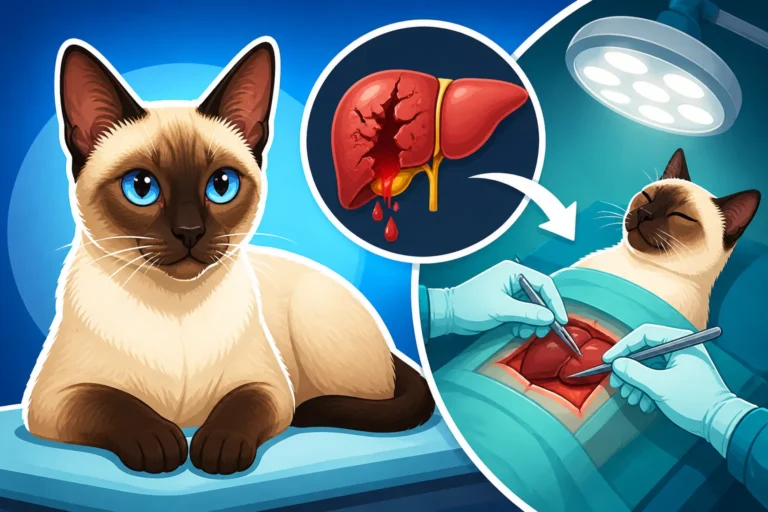
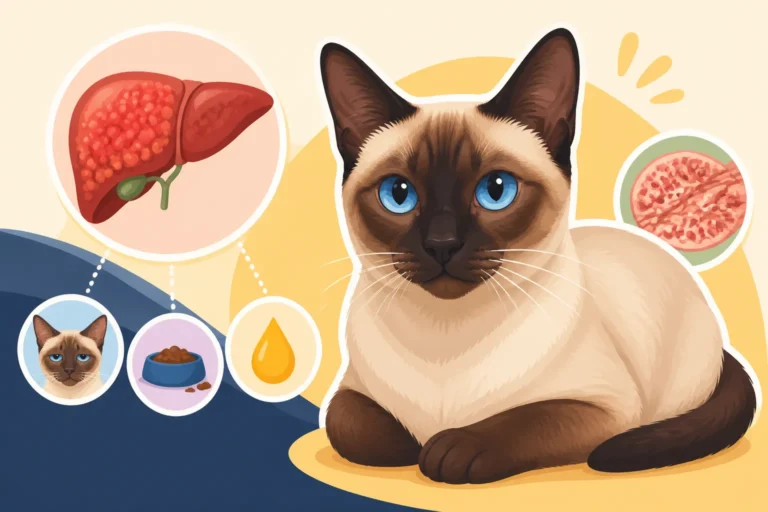
One of the most devastating conditions for Siamese cats is amyloidosis. This is a genetic disease where abnormal protein (amyloid) deposits in various organs, most commonly the liver and kidneys. Early detection of Amyloidosis in a Siamese cat is incredibly difficult. There is no DNA Test for Siamese Cat Amyloidosis, and often, it's only discovered when the cat is already severely ill, or tragically, after death during a necropsy. A rescue cannot typically screen for this because there isn't a simple, non-invasive test. They can only react if symptoms of liver or kidney failure become apparent. This means that even a Siamese cat that appears perfectly healthy at adoption could potentially carry this hidden genetic predisposition. It's a risk inherent in adopting any animal without a known, extensively screened pedigree.
Progressive Retinal Atrophy and Other Concerns
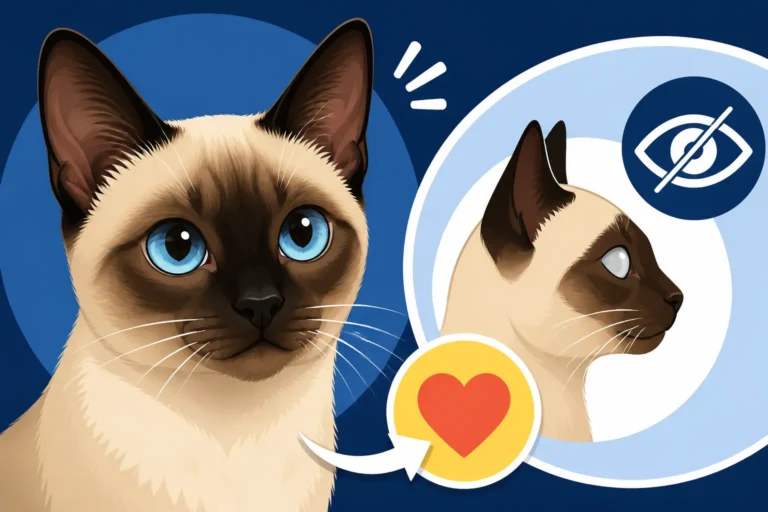
Another inherited concern is PRA, a degenerative eye disease that affects the retina and leads to blindness. While some breeds have reliable DNA tests for PRA, the situation for Siamese cats is complex, and the specific test for the rdAc mutation may not be reliable for all Siamese. A rescue would typically only become aware of PRA if a cat is already exhibiting signs of vision loss, which might only be subtle at first, such as difficulty seeing in dim light. Unless a cat breeder runs specific tests, it’s unlikely to be caught early. Similarly, other conditions like certain types of Heart Disease in a Siamese Cat might go unnoticed unless a noticeable murmur is detected during a routine exam, which would then warrant further, more expensive diagnostics. The long and short of it is, if you're hoping for a fully genetically screened cat, a rescue is probably not where you'll find one, through no fault of their own.
Navigating Health Unknowns and Preparing for the Future
Adopting a rescue Siamese is a truly noble act, but it means taking on a certain level of unknown health history. Being prepared for potential challenges is key to a happy and healthy life together.
What Questions to Ask and What to Observe
When you visit a rescue, don't hesitate to ask specific questions. While they might not have genetic test results, they can tell you what they do know. Ask about the cat's general demeanor, appetite, litter box habits, and any observations the foster parents or shelter staff have made. Does the cat seem particularly vocal? You might consider if a rescue Siamese cat comes vocal. Has the cat had any illnesses during its stay? Have they noticed anything unusual about its eyes or gait? Pay close attention to the cat during your visit. Does it seem energetic and playful, or is it lethargic? Are its eyes bright and clear? Does its breathing seem normal? Even small observations can give you clues. It's also wise to ask about how old a Siamese cat is considered senior, especially if you're looking at an older rescue, as their needs will be different.
The Importance of a Post-Adoption Vet Visit
No matter how thorough the rescue's initial care, scheduling a comprehensive vet visit for your new Siamese within a few days of adoption is paramount. This allows your trusted veterinarian to establish a baseline for your cat's health, perform a more in-depth examination with a focus on breed-specific concerns, and discuss a long-term wellness plan. Your vet can look for subtle signs that might indicate underlying issues and recommend further diagnostics if needed. This early visit is crucial for catching anything that might have been missed or developed since the rescue's last check-up. This is also a great opportunity to discuss a preventive care schedule, including what a Siamese Cat's Yearly Bloodwork Should Cover as they age.
Budgeting for the Unexpected with Pet Insurance
Given the inherent unknowns with a rescue cat's health history, investing in pet insurance is one of the smartest decisions you can make. While a Siamese cat costs to buy might be lower from a rescue than a breeder, the lifetime care costs can be significant, especially if an inherited condition surfaces later. Companies like Healthy Paws offer comprehensive coverage that can help mitigate the financial impact of unexpected illnesses or accidents. With pet insurance, you can feel more confident pursuing necessary diagnostics and treatments without having to make difficult choices based solely on cost. It provides peace of mind, knowing that if your beloved Siamese develops an issue, you'll be better equipped to provide them with the best possible care. For example, if your Siamese cat develops asthma, having a policy from Healthy Paws could significantly offset the ongoing costs of medication and veterinary visits, especially considering What Treating a Siamese Cat's Asthma Costs a Year. Think of it as an essential part of your "new cat fund," helping you prepare for the long, healthy Fifteen to Twenty Years a Siamese Cat Gets.
Disclaimer
This article is for general informational purposes only and does not constitute professional advice. Laws, prices and regulations vary by location and change over time. Consult a qualified professional for guidance on your specific situation.