Signs a Siamese Cat’s Liver Has Ruptured
There are few things as terrifying for a Siamese cat owner as seeing your beloved companion suddenly become desperately unwell, especially when the cause is internal and hidden. The thought of your vibrant, vocal Meezer silently battling a life-threatening condition like a ruptured liver from amyloidosis can fill you with immense anxiety and a sense of helplessness. This guide aims to shed light on the crucial signs to watch for, both sudden and subtle, so you can act quickly if this devastating situation ever arises.
The Silent Threat: Why a Siamese Cat's Liver Is Vulnerable to Rupture
Before we dive into the specific signs, it's really important to understand why a Siamese cat's liver might rupture in the first place. It's not a common occurrence in most other breeds, but for our Meezers, there's a specific, genetically-linked condition that makes it a tragic possibility: amyloidosis. This isn't just a fancy medical term; it's a deeply concerning hereditary disease that targets vital organs, and for Siamese cats, the liver is often ground zero.
Understanding Feline Amyloidosis and Liver Fragility
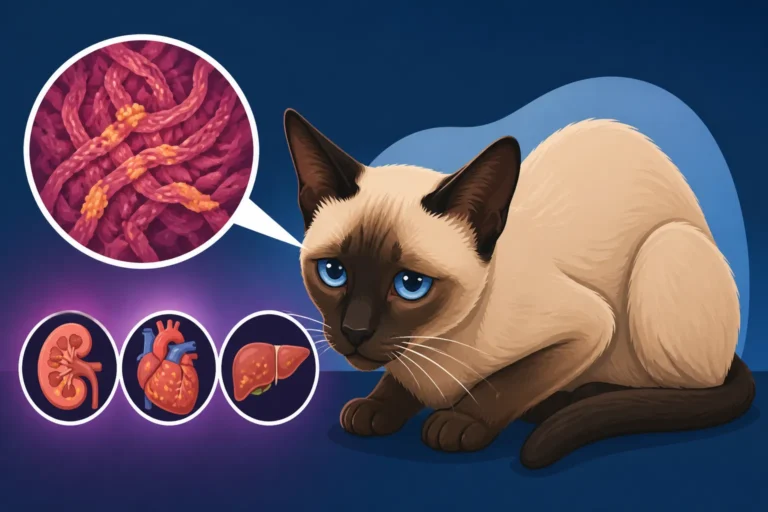
Amyloidosis is a sneaky disease because it doesn't just show up overnight. It involves the abnormal accumulation of a protein called amyloid in various tissues and organs. Imagine a tiny, sticky substance slowly building up, almost like rust, in the delicate structures of the liver. This amyloid, over time, starts to interfere with the liver's normal function, essentially choking it from the inside out. For a detailed understanding, you might want to read more about What Amyloidosis Does to a Siamese Cat.
This isn't just about impaired function, though. The amyloid deposits don't just sit there; they infiltrate the liver architecture, making the tissue incredibly brittle and fragile. Think of a healthy liver as being robust and somewhat flexible; a liver affected by amyloidosis becomes more like an old, crumbly sponge. It loses its elasticity and structural integrity, especially its blood vessel walls. This inherent weakness makes it prone to tearing, even from minor trauma or sudden movements that wouldn't affect a healthy cat.
How Amyloidosis Weakens the Liver Wall and Causes Bleeding
The accumulation of amyloid specifically targets the tiny blood vessels within the liver, as well as the liver cells themselves. As the amyloid protein builds up, it literally displaces the normal, healthy tissue and compromises the structural integrity of the organ. This is particularly problematic for the liver's delicate sinusoids and capillaries, which are tiny, thin-walled blood vessels crucial for blood flow and filtration. When these walls are weakened by amyloid, they become incredibly susceptible to rupture.
When a tear occurs, even a small one, these fragile blood vessels can't contain the pressure of the blood flowing through them. This leads to internal bleeding directly into the abdominal cavity. This internal hemorrhage is what truly makes a liver rupture an emergency situation, as the cat can bleed out very quickly. The liver is a highly vascular organ, meaning it's packed with blood vessels, so once a rupture begins, significant blood loss can happen astonishingly fast. This is why it’s critical to understand Why Amyloid Builds Up in a Siamese Cat's Liver and how it paves the way for such a devastating event.
Unmistakable Emergency: Acute Signs of a Liver Rupture
When a Siamese cat's liver ruptures, it's almost always a sudden, dramatic event. It's not usually a slow decline, but rather a catastrophic turn that demands immediate, urgent veterinary intervention. These are the signs that scream "emergency" and mean you need to get to the vet now.
Sudden Collapse, Weakness, and Lethargy
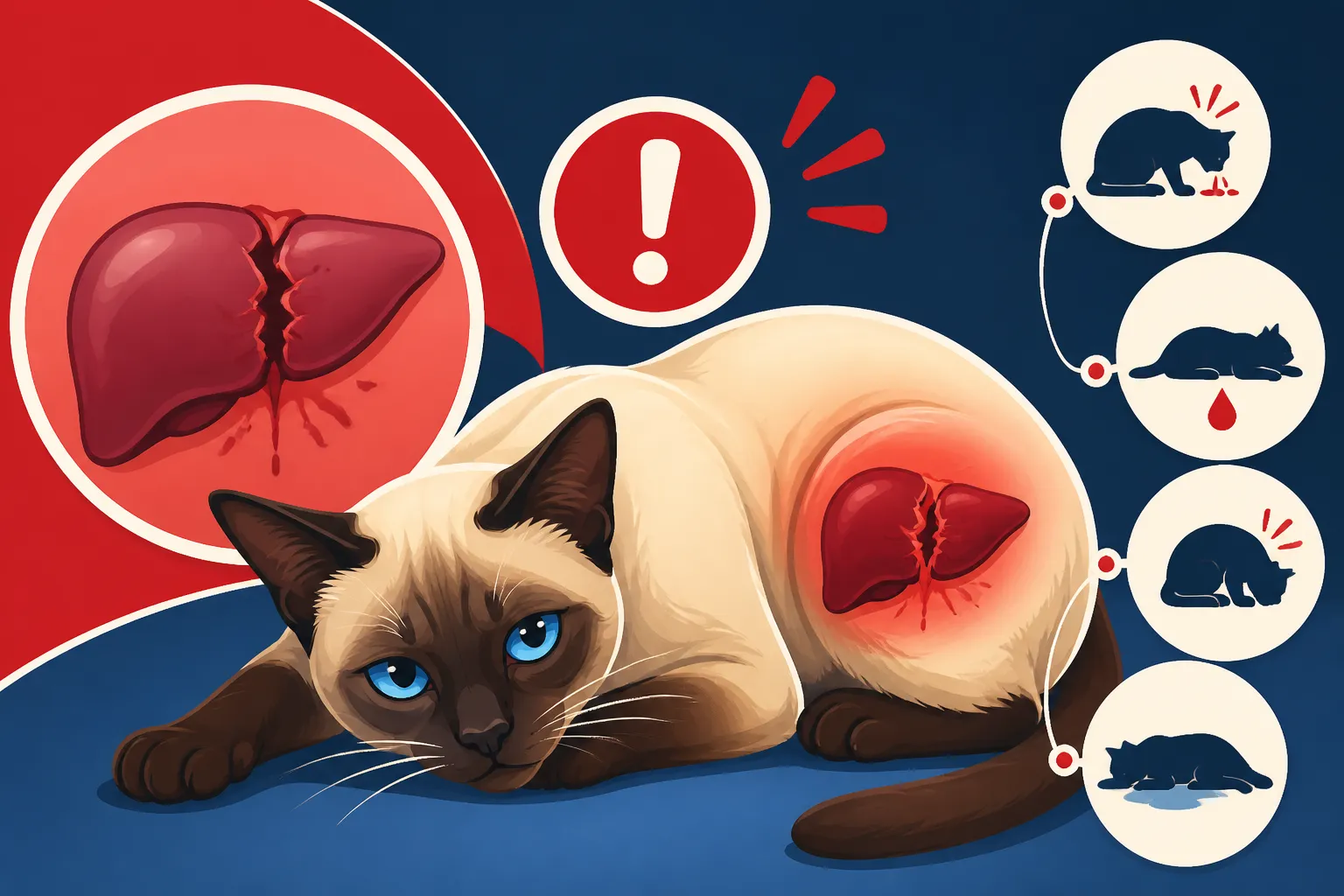
One of the most alarming and immediate signs of a liver rupture is sudden collapse or profound weakness. Your cat, who might have been perfectly fine just moments before, could suddenly lie down and be unable or unwilling to get up. They might be unresponsive, or seem completely drained of energy. This isn't just a cat being lazy; this is a cat whose body is in shock from massive internal blood loss. They may try to move but quickly give up, displaying a level of lethargy that is completely out of character for an otherwise lively Siamese.
This rapid onset of extreme weakness is directly related to hypovolemic shock, a state where the body doesn't have enough blood circulating. The cat's organs, including the brain, aren't getting sufficient oxygen, leading to the collapse and profound lethargy. It’s a truly frightening sight for any owner, and it’s a clear signal that something catastrophic has happened internally.
Pale Gums and Rapid Breathing: Indicators of Internal Bleeding
When a cat is bleeding internally, a crucial indicator is the color of their gums. Healthy cat gums are typically a lovely bubblegum pink. If your Siamese cat's gums appear pale, white, or even bluish, this is a very serious sign of severe blood loss and potentially anemia. The blood that should be circulating and providing that healthy pink color is now pooled inside their abdomen.
Accompanying the pale gums, you'll almost certainly notice rapid or labored breathing. Even if they're lying still, their chest might be heaving, or their breath shallow and fast. This is the body's desperate attempt to compensate for the lack of oxygen in the blood. With less blood to carry oxygen, the heart has to pump faster, and the lungs have to work harder, leading to an increased respiratory rate. Sometimes, you might even see their nostrils flaring with each breath. These two signs together – pale gums and rapid breathing – are definitive indicators of an internal hemorrhage, and they mean every second counts. It's important to remember Why a Siamese Cat With Amyloidosis Bleeds Internally as it helps explain the severity of these symptoms.
Abdominal Distension or Pain
Another critical, albeit sometimes less obvious, sign of a ruptured liver and internal bleeding is abdominal distension or visible pain when touched. As blood accumulates in the abdominal cavity, it can cause the belly to swell and become firm to the touch. This isn't just cosmetic; the pressure from the accumulating fluid (blood) puts strain on internal organs and can be incredibly painful.
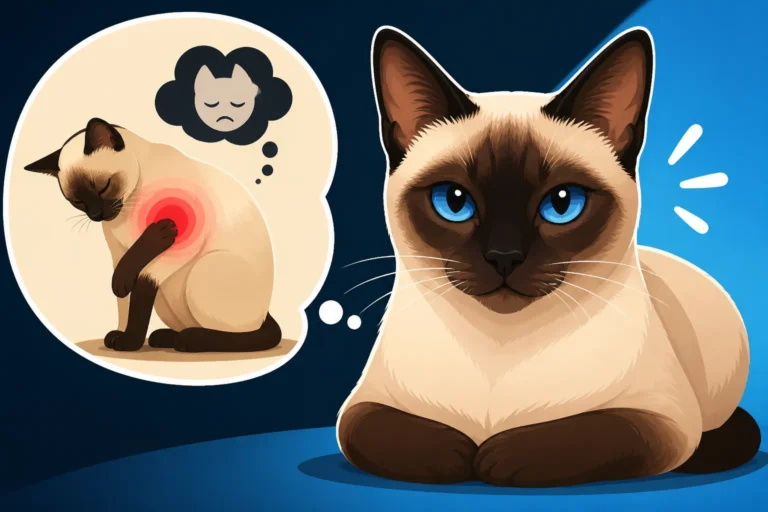
Your cat might hunch their back, refuse to let you touch their abdomen, or cry out if you try. They may seem restless, constantly shifting positions but unable to get comfortable. If you gently press on their belly, they might tense up, hiss, or even try to bite, indicating severe discomfort. This pain is not just from the distension but also from the irritation of blood in the abdominal cavity. While it's not always easy to spot, any change in the appearance or tenderness of your Siamese's belly should be a red flag, especially if combined with other acute symptoms.
Warning Signs You Might Miss: Pre-Rupture Indicators and General Liver Distress
While a liver rupture is an acute emergency, it often doesn't happen entirely out of the blue. Many Siamese cats with amyloidosis, particularly if it's affecting their liver, may exhibit more subtle, chronic symptoms for a period before a catastrophic event. Being aware of these can sometimes give you a precious head start.
Gradual Loss of Appetite and Weight Loss
One of the most common, yet often overlooked, early signs of liver disease in a Siamese cat, including amyloidosis, is a gradual loss of appetite. Your cat might become pickier, eat less at each meal, or skip meals entirely. Over time, this reduced caloric intake will lead to noticeable weight loss. Given that Siamese cats are naturally slender, it can be hard to tell if they're losing weight until it's quite advanced, but paying close attention to their eating habits and feeling their ribs and spine more prominently can be important.
This isn't just a "finicky" cat. When the liver isn't functioning properly, it affects metabolism and digestion, leading to nausea and a general disinterest in food. It's a slow drain on their system that can weaken them over weeks or months, making them more vulnerable. If you're seeing a sustained change in your Siamese's eating patterns or a noticeable drop on the scales, it's always worth a vet visit to rule out underlying issues.
Jaundice: The Yellowing of Skin and Eyes
Jaundice, or icterus, is a classic sign of liver dysfunction. It occurs when bilirubin, a yellow pigment produced during the breakdown of red blood cells, isn't properly processed and excreted by the liver. Instead, it builds up in the bloodstream and deposits in various tissues. This gives a yellowish tinge to the skin, the whites of the eyes (sclera), and even the inside of the ears or gums.
This symptom can be quite striking and should never be ignored. If you notice your Siamese cat's eyes or gums looking yellow, it's a strong indication that their liver is struggling. This might be a sign of significant liver damage from amyloidosis, potentially preceding a rupture. Jaundice signifies that the liver's ability to filter and detoxify the blood is severely compromised, and it's a clear warning that serious liver disease is at play. Observing Signs a Siamese Cat Has Liver Amyloidosis can provide more context on these pre-rupture indicators.
Vomiting, Diarrhea, and Increased Thirst
Cats with liver disease often experience gastrointestinal upset. This can manifest as intermittent vomiting or diarrhea. The liver plays a crucial role in digestion and detoxification, so when it's compromised by amyloid deposits, the entire digestive system can be thrown off balance. Vomiting might occur after meals or be more generalized, while diarrhea can range from soft stools to watery episodes.
Additionally, you might notice your Siamese cat drinking more water than usual and, consequently, urinating more frequently. This increased thirst and urination (polydipsia and polyuria) can be a sign of many underlying health issues, including kidney problems (which can also be affected by amyloidosis – indeed, Which Organs Amyloidosis Hits in a Siamese Cat often include the kidneys). While not a direct sign of impending rupture, these symptoms indicate a systemic problem that needs investigation and could be part of a larger picture of declining health due to amyloidosis.
Responding to the Crisis: Immediate Action When Your Siamese Cat's Liver Ruptures
If you suspect your Siamese cat's liver has ruptured, there's no time to waste. This is a medical emergency, and your swift action is critical. Don't hesitate; head straight to the nearest veterinary emergency clinic.
The Urgency of Veterinary Intervention
A ruptured liver with internal bleeding is a life-threatening condition. The rate at which a Siamese cat can bleed internally from such an event can be shockingly fast, and sadly, How Fast a Siamese Cat Dies From a Liver Bleed can be very rapid without intervention. Every minute counts. Do not try to treat your cat at home, or wait to see if they "get better." Call your vet or emergency clinic while you are en route to let them know you're coming and the symptoms you're seeing. This allows them to prepare for your arrival and begin treatment immediately upon your cat's entry.
When you get there, be clear and concise about what you've observed: the sudden collapse, the pale gums, the rapid breathing, any abdominal pain. This information will help the veterinary team quickly assess the situation and initiate life-saving measures. They will likely stabilize your cat with intravenous fluids to combat shock and potentially prepare for blood transfusions if the blood loss is severe. This is the crucial stage where prompt, professional care can make a difference, even if the prognosis is still guarded. To understand the typical stabilization process, you can look into How a Vet Stabilizes a Bleeding Siamese Cat.
Diagnostic Steps and Treatment Options
Upon arrival, the veterinary team will perform a rapid physical exam, assessing vital signs and looking for the clear indicators of internal hemorrhage. Diagnostic steps will likely include blood work, specifically a packed cell volume (PCV) to determine the severity of blood loss, and potentially a quick ultrasound of the abdomen. An ultrasound can confirm the presence of free fluid (blood) in the abdomen and may even visualize the damaged liver.
Unfortunately, directly repairing a ruptured liver that is fragile due to amyloidosis is extremely challenging and often not feasible. The tissue is simply too delicate to hold sutures effectively. Treatment usually focuses on stabilizing the cat, managing the bleeding, and providing supportive care. This can involve blood transfusions, medications to support blood clotting, pain management, and intensive monitoring. Owners often face incredibly difficult decisions in these moments, weighing the severity of the situation against the cat's quality of life and the chances of recovery. The costs associated with such emergency care can be substantial, so having pet insurance from providers like Healthy Paws can be an absolute lifesaver, allowing you to focus on your cat's care rather than worrying about the immediate financial burden.
Navigating the Aftermath: Understanding Prognosis and Support
Facing a liver rupture in your Siamese cat is an incredibly distressing experience. Even with the best emergency care, the prognosis is often grim, and navigating the emotional and practical aftermath requires immense strength.
The Challenging Prognosis and Difficult Decisions
Let's be realistic: the prognosis for a Siamese cat with a ruptured liver due to amyloidosis is often very poor. The underlying liver disease isn't curable, and the liver tissue remains inherently fragile. While a vet may be able to stabilize your cat initially, the risk of re-bleeding or further complications is high. Owners frequently have to grapple with the heartbreaking decision of whether to pursue aggressive, often invasive, and expensive treatments that may only prolong suffering, or to consider humane euthanasia.
This is where the empathy of your veterinary team becomes so important. They can help you understand the severity of the condition, the likelihood of a positive outcome, and your cat's potential quality of life moving forward. It’s a decision no pet owner ever wants to make, and it’s okay to take your time, ask questions, and lean on your support system. Knowing Whether a Siamese Cat Survives a Ruptured Liver can help set realistic expectations, however painful they may be.
Supportive Care and Emotional Well-being
Even if immediate survival isn't possible, supportive care for your cat – keeping them comfortable, warm, and pain-free – is paramount. This includes pain medication, gentle handling, and a quiet environment. For owners, the emotional toll of such an event can be profound. Grieving the suddenness and severity of the illness, even if your cat doesn't survive, is a valid and necessary process.
Looking ahead, for those who might have other Siamese cats, or are considering future adoptions, understanding the hereditary nature of amyloidosis is crucial. While there isn't a genetic test for Siamese cat amyloidosis, some breeders are more proactive in tracking family lines and avoiding breeding cats with a history of the disease. This is a complex topic, and more information can be found on How Long a Siamese Cat Lives After an Amyloidosis Diagnosis. For existing cats, regular wellness exams, including blood work that monitors liver enzyme levels, can sometimes offer early indications of liver stress, though amyloidosis itself is very difficult to diagnose definitively before extensive damage. Again, proactive planning for potential future health challenges with pet insurance, like that offered by Healthy Paws, can provide peace of mind in managing potential diagnostic and care costs for conditions that unfortunately run in the breed.
Summary of Liver Rupture Signs
This table offers a quick overview of the acute signs versus more progressive, pre-rupture indicators for a Siamese cat's liver rupture.
| Category | Acute/Emergency Signs (Call Vet IMMEDIATELY!) | Progressive/Warning Signs (Schedule Urgent Vet Visit) |
|---|---|---|
| Energy/Behavior | Sudden collapse, extreme weakness, unresponsiveness, profound lethargy | Gradual lethargy, decreased activity, hiding |
| Mucous Membranes | Pale or white gums, tongue, or inner eyelids | Yellowing (jaundice) of gums, eyes, ears |
| Breathing | Rapid, shallow, or labored breathing (panting) | No specific breathing changes, but may be subtle |
| Abdomen | Swollen, distended, firm, or painful to touch | Mild abdominal discomfort, reluctance to be handled |
| Gastrointestinal | Severe, acute vomiting (possibly bloody) | Intermittent vomiting, diarrhea, loss of appetite |
| Other | Cold extremities, rapid heart rate, shock | Weight loss, increased thirst and urination |
Disclaimer
The information provided in this article is for educational and informational purposes only, and does not constitute veterinary advice. Always consult with a qualified veterinarian for any health concerns or before making any decisions about your pet's medical care.