How Fast a Siamese Cat Dies From a Liver Bleed
It’s every Siamese cat owner’s worst nightmare: a sudden, devastating health crisis that strikes seemingly out of nowhere, leaving you scrambling for answers and fighting against time. One of the most heartbreaking and rapid developments can be a liver bleed, often the tragic culmination of an insidious condition known as amyloidosis. This guide will walk you through just how quickly a Siamese cat can succumb to such a severe event, exploring the underlying causes, the acute symptoms, and the incredibly narrow window for potential intervention.
The Silent Threat: Amyloidosis and a Siamese Cat's Liver
When we talk about a liver bleed in a Siamese cat, we're almost always talking about the devastating impact of amyloidosis. This isn't just any common ailment; it's a specific, often inherited condition that poses a unique and terrifying risk to our beloved Meezers. Understanding what amyloidosis is and how it silently damages the liver is crucial to grasping the urgency when a bleed occurs.
What is Amyloidosis and Why is it So Dangerous for Siamese Cats?
Amyloidosis is a disease where an abnormal protein, called amyloid, builds up in various organs. In Siamese cats, this protein has a particular affinity for the liver, though it can affect other organs like the kidneys as well. You might find it hard to believe that something so small and seemingly innocuous could cause such havoc, but amyloid is a relentlessly destructive force. It's not like fat or scar tissue; it's a foreign substance that literally infiltrates the delicate architecture of an organ. Over time, these amyloid deposits displace healthy liver cells, turning a vibrant, functional organ into a fragile, compromised one.
Imagine trying to keep a house standing when its foundational beams are slowly being replaced by crumbling, brittle material. That's essentially what happens to a Siamese cat's liver. The amyloid accumulates, making the liver stiff, enlarged, and incredibly vulnerable. This progressive accumulation means that the liver loses its elasticity and its ability to perform its many vital functions, from filtering toxins to producing clotting factors. This process can be happening for months, even years, without any obvious outward signs. One of the truly frustrating things about this disease is that it often flies under the radar until it reaches a critical, life-threatening stage. It’s a silent thief, stealing your cat’s health without a sound. For a deeper understanding, you can learn more about What Amyloidosis Does to a Siamese Cat.
How Amyloid Weakens the Liver Wall to the Breaking Point
The true danger of amyloidosis in the liver isn't just the loss of function; it's the profound structural weakness it creates. The amyloid protein isn't just taking up space; it's actively compromising the integrity of the liver tissue. The liver, which is normally quite resilient, becomes incredibly friable – meaning it's easily torn or ruptured. Think of it like a sponge that’s slowly turning into old, brittle lace. It looks intact, but the slightest pressure or sudden movement could cause it to tear.
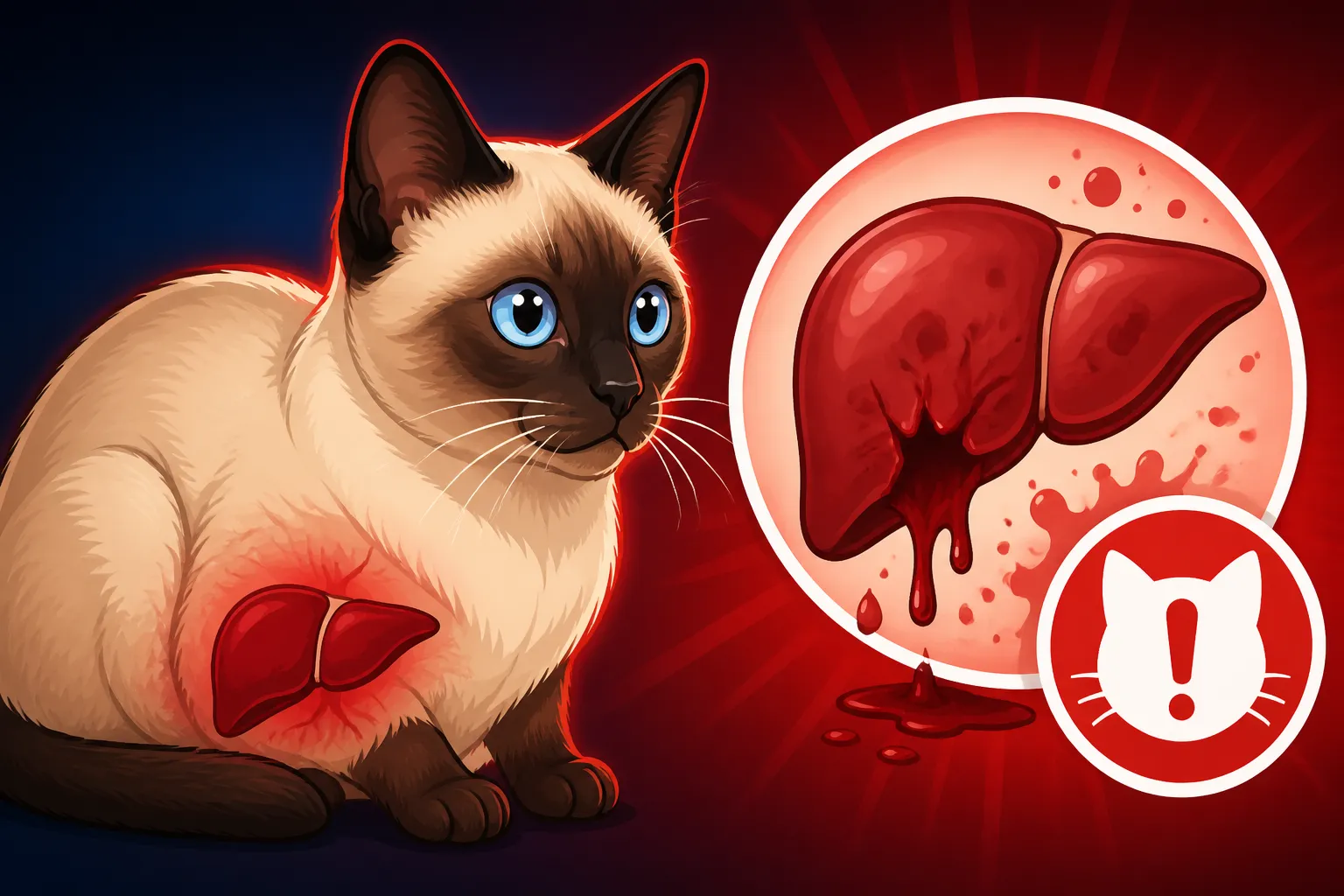
This weakening of the liver wall is the direct precursor to a liver bleed. Because the amyloid deposits are often concentrated around the blood vessels within the liver, these vessels themselves become fragile. A seemingly innocuous event – a sudden jump, a playful tussle with another pet, or even just twisting in an awkward way – can be enough to cause a tear in the compromised liver tissue. When this happens, blood vessels within the liver rupture, leading to rapid, severe internal bleeding. It's not a slow leak; it’s typically a sudden gush. This is why the condition is so terrifyingly acute and why so many owners are caught completely off guard. It's a stark reminder that sometimes the biggest threats are the ones we can't see coming. This devastating consequence of amyloidosis makes it one of Which Organs Amyloidosis Hits in a Siamese Cat.
The Acute Event: Recognizing a Liver Rupture in Progress
When a Siamese cat's liver ruptures due to amyloidosis, it's not a gradual process; it's a sudden and catastrophic event. The internal bleeding that ensues can very quickly lead to a life-threatening emergency. Recognizing the signs immediately is absolutely critical, even though the situation is often dire from the outset.
Immediate and Dramatic Signs of Internal Bleeding
One of the most harrowing aspects of a liver rupture is how rapidly and dramatically symptoms can appear. Your cat might seem perfectly fine one moment, and then within minutes, their condition can plummet. The primary issue is massive internal hemorrhage, where blood rapidly fills the abdominal cavity. This isn't visible on the outside, which adds to the confusion and panic for owners.
The signs you'll see are those of shock and severe blood loss:
- Sudden Weakness or Collapse: Your cat might suddenly become lethargic, stumble, or even collapse outright. This is due to the rapid drop in blood pressure as blood exits the circulatory system into the abdomen.
- Pale Gums: Check your cat's gums. If they are normally a healthy pink, they will likely become very pale, almost white or bluish, indicating a severe lack of oxygenated blood circulating.
- Rapid, Shallow Breathing: The body tries to compensate for the lack of oxygen by breathing faster. However, as blood accumulates in the abdomen, it can put pressure on the diaphragm, making breathing difficult and shallow.
- Distended Abdomen: As blood fills the abdomen, the belly might appear swollen or distended, though this can be subtle in the very early stages or if the cat is heavily furred. Gently pressing on the abdomen might elicit pain or discomfort.
- Cold Extremities: Paws and ears might feel cold to the touch as the body shunts blood away from the extremities to protect vital organs.
- Vomiting or Diarrhea: While not always present, some cats may experience gastrointestinal upset due to shock and pain.
- Extreme Pain/Discomfort: Your cat might cry out, hide, or resent being touched, particularly around the abdomen.
- Rapid Heart Rate: The heart works overtime to try and pump the remaining blood effectively, leading to a very fast heartbeat.
These symptoms are terrifying because they indicate a life-threatening emergency unfolding right before your eyes. There’s no time for a wait-and-see approach. If you see any of these Signs a Siamese Cat's Liver Has Ruptured, you need to get to an emergency veterinary clinic immediately. Every second counts.
The Critical Window for Emergency Intervention
The critical window for intervention in a Siamese cat with a ruptured liver is agonizingly short. We're talking about minutes to a few hours, not days. The speed at which a cat succumbs depends on the size of the rupture and how quickly blood is lost, but generally, this is a race against time that few cats win.
Once the liver tears and internal bleeding begins, the cat’s body rapidly goes into hypovolemic shock. This means there isn't enough blood circulating to supply oxygen to vital organs like the brain, heart, and kidneys. Without oxygen, cells quickly begin to die, leading to organ failure.
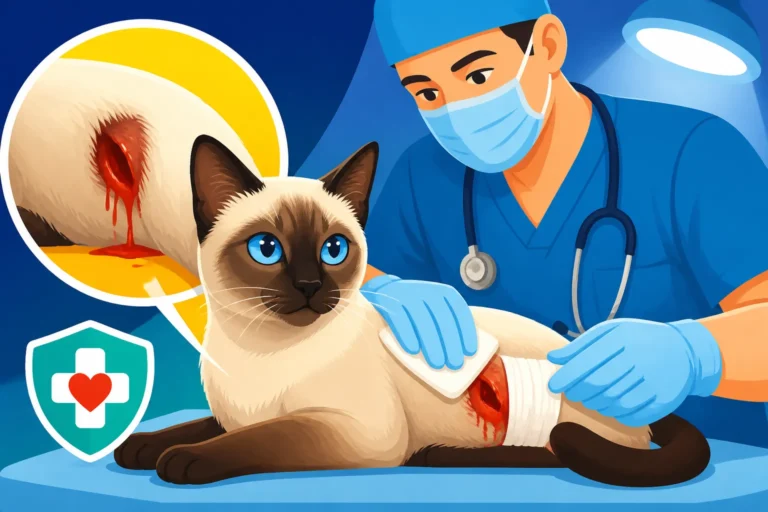
Emergency veterinary care involves attempting to stabilize the cat, which typically means intravenous fluids to try and support blood pressure, blood transfusions to replace lost blood, and pain management. However, stabilizing the bleeding itself is immensely challenging. Surgery to repair the liver is often not feasible due to the friable nature of the tissue and the cat’s unstable condition. Even if a vet can access the liver, stitching tissue that crumbles easily is often impossible, and the anesthesia risk for a cat in shock is incredibly high.
This is where the stark reality of amyloidosis hits hardest. The underlying disease has created a situation where a viable repair is rarely an option. The focus shifts to comfort and temporary stabilization, often in the hopes of buying a few precious hours, but a full recovery from a major liver rupture in an amyloid-affected cat is exceedingly rare. This rapid progression underscores the importance of immediate, decisive action, even when the prognosis is grim. It’s a moment where you need a vet team that’s ready to act without hesitation, and having pet insurance like Healthy Paws can alleviate the financial stress in these critical moments.
The Grim Reality: How Fast a Siamese Cat Dies From a Liver Bleed
The question of "how fast" is a heartbreaking one, and the answer is often brutally quick. Unlike some chronic illnesses that offer a longer goodbye, a liver bleed due to amyloidosis can turn fatal in an alarmingly short period, leaving owners reeling from the suddenness of the loss.
Factors Influencing the Speed of Decline
While every situation is unique, several factors dictate just how rapidly a Siamese cat will decline following a liver rupture:
- Size and Location of the Rupture: This is perhaps the most critical factor. A small tear might lead to slower bleeding, giving a slightly larger window for intervention, perhaps a few hours. However, a large tear in a major blood vessel within the liver can result in a catastrophic hemorrhage, leading to death within minutes. Imagine a pinprick versus a gaping hole in a hose—the effect on water loss is dramatically different.
- Extent of Amyloidosis: Cats with more advanced amyloid deposits throughout their liver will have more fragile tissue and often more widespread damage to blood vessels. This means that even a minor trauma can lead to a more severe and widespread bleed. The liver's ability to produce clotting factors is also compromised by extensive amyloid, further exacerbating the bleeding.
- Overall Health of the Cat: A younger, otherwise healthy Siamese cat might have a slightly stronger physiological reserve to cope with blood loss than an older cat or one with other pre-existing conditions (like heart disease or kidney issues). However, even the strongest cat is severely challenged by massive internal bleeding.
- Time to Veterinary Care: This is the human factor. The speed at which you recognize the signs and get your cat to an emergency veterinarian can influence the outcome, though as discussed, even with immediate care, the prognosis is often very poor due to the nature of the damage. For instance, a Siamese cat presenting symptoms while you're at work might have a different outcome than one that ruptures at home in front of you.
In the vast majority of cases, a significant liver bleed in an amyloidosis-affected Siamese cat progresses very quickly. Owners often describe their cat going from seemingly normal to severely ill or even deceased within an hour or two. It's a stark reminder of the fragility these cats can carry beneath their active, vocal exteriors. It's truly devastating to witness such a rapid decline. This is also why understanding How Fast a Siamese Cat Dies From a Liver Bleed is so important.
The Dire Prognosis: Minutes to Hours
Let's be blunt: the typical timeframe for a Siamese cat to die from a liver bleed due to amyloidosis is usually a matter of minutes to a few hours. This is not a condition where you have days to make decisions or explore extensive treatment options.
- Immediate Collapse and Death (Minutes): If a very large rupture occurs, especially involving a major blood vessel, the cat can experience rapid internal exsanguination (bleeding out). This can lead to collapse and death within 15-60 minutes, often before an owner even has time to process what's happening or get to the car.
- Rapid Deterioration and Shock (1-4 Hours): More commonly, the cat will show the severe signs of shock and distress outlined earlier. They will rapidly become weaker, their breathing will become labored, and their gums will turn increasingly pale. Despite aggressive emergency veterinary intervention, the ongoing internal bleeding often cannot be stopped, and the cat will succumb within a few hours.
- Rare Prolonged Cases (Beyond 4-6 Hours): It is exceedingly rare for a Siamese cat with a true liver rupture from amyloidosis to survive beyond a few hours without significant, highly specialized critical care, and even then, the long-term prognosis is grim. These cases are usually those with smaller, self-limiting bleeds, but these are not typical for advanced amyloidosis.
The reality is that for many Siamese cat owners, a liver bleed often means making incredibly difficult decisions very quickly. The goal of veterinary care in these situations shifts from cure to comfort, aiming to alleviate suffering in the limited time available. This sudden, acute nature is what makes this specific manifestation of amyloidosis so particularly traumatic. It robs you of time to say goodbye, time to understand, and time to fight. You can explore topics such as How a Vet Stabilizes a Bleeding Siamese Cat and Whether a Siamese Cat Survives a Ruptured Liver to gain further insight into the medical aspects.
Here's a quick overview of the typical progression:
| Stage of Liver Bleed | Symptoms | Estimated Timeline | Prognosis |
|---|---|---|---|
| Initial Rupture | Sudden weakness, distress, hiding | Immediate | Critical |
| Progressive Bleeding | Pale gums, rapid breathing, cold extremities | 15 mins – 1 hour | Grave |
| Severe Shock | Collapse, abdominal distension, loss of consciousness | 1-4 hours | Fatal |
| Irreversible Failure | Death | Within minutes to hours | N/A |
Navigating the Aftermath and Future Preparedness
Facing the reality of a Siamese cat's liver bleed is one of the most agonizing experiences an owner can go through. The suddenness, combined with the often-grim prognosis, leaves a profound impact. While prevention is incredibly difficult, being informed and prepared can make a difference, even if it's only in providing comfort during the final moments.
The Heartbreak of a Hidden Illness
The most frustrating aspect of amyloidosis in Siamese cats is its insidious nature. It progresses silently, often without any outward signs until it's too late. You might have had a cat who was energetic, vocal, and seemingly in the prime of their life, only for them to crash rapidly from a liver rupture. This suddenness is why many owners feel blindsided and guilty, wondering if they missed something. The truth is, with current diagnostics, it's incredibly challenging to detect liver amyloidosis before a crisis point. There is no simple blood test or screening method that reliably flags the condition early enough to intervene effectively.
This lack of foresight is a profound source of grief and frustration. It validates the feeling that you were robbed of time and agency. All you can do is remind yourself that you provided love and care, and that some diseases are simply too cunning and aggressive for even the most vigilant owner. It's a cruel reality that underlines why topics like Why Siamese Cat Amyloidosis Is Inherited are so important for breeders and prospective owners to understand, even though there's no way to definitively screen for it in living cats.
Proactive Steps for Siamese Cat Owners
While directly preventing amyloidosis or a liver rupture is not currently possible, there are steps you can take to be as prepared as possible and ensure the best quality of life for your Siamese cat:
- Know Your Cat's Pedigree and Breeder: If you acquired your Siamese from a breeder, ask about the history of amyloidosis in their lines. A responsible breeder will be transparent about health issues and track the lifespan and causes of death in their cats. This isn't a guarantee against the disease, as there is No DNA Test for Siamese Cat Amyloidosis, but it provides valuable information. Understanding What a Siamese Cat Breeder Should Have Screened can give you a clearer picture of what to ask.
- Regular Veterinary Check-ups: Consistent annual or bi-annual wellness exams are crucial. While they won't detect amyloidosis directly, they can help establish a baseline for your cat's health. Your vet might notice subtle changes in liver values on routine bloodwork or detect an enlarged liver during palpation, which could prompt further investigation. Even then, these are rarely definitive until the disease is advanced.
- Be Observant of Subtle Changes: Siamese cats are often stoic, but any subtle, persistent changes in behavior, appetite, energy levels, or litter box habits warrant a vet visit. While these are general signs of illness, they could potentially indicate an underlying issue, including progressive liver disease, before a catastrophic event.
- Consider Pet Insurance: Given the sudden and severe nature of a liver rupture, emergency veterinary care can be incredibly expensive. Diagnostic tests, blood transfusions, IV fluids, and potential intensive care can quickly add up to thousands of dollars. Having pet insurance can significantly ease the financial burden during such a traumatic time, allowing you to focus on your cat's immediate needs without the added stress of crushing vet bills. Plans from providers like Healthy Paws, which cover accidents and illnesses, can be a lifesaver. Their comprehensive coverage means that if the unthinkable happens, you're not agonizing over cost when your cat needs urgent attention. Having Healthy Paws means you can say "yes" to critical care without a second thought, which is invaluable in an emergency.
- Emergency Preparedness: Know the location and contact information for your nearest 24-hour emergency veterinary clinic. Have a pet carrier readily accessible and consider keeping a "go bag" with your cat's medical records, a familiar blanket, and any current medications. In a crisis, precious minutes shouldn't be spent searching for these essentials.
While the prospect of a liver bleed is terrifying, arming yourself with knowledge and preparedness can help you navigate these difficult waters. Knowing what to expect, even if it's a grim prognosis, can empower you to make informed decisions for your cherished Siamese cat, and with a reliable partner like Healthy Paws, you'll feel more secure against unexpected health catastrophes.
Disclaimer
This article is intended for informational purposes only and does not constitute veterinary advice. Always consult with a qualified veterinarian for any health concerns or before making any decisions about your pet's care.