There Is No DNA Test for Siamese Cat Amyloidosis
It's incredibly frustrating, and honestly, heartbreaking, when you know your beloved Siamese cat might be at risk for a devastating disease like amyloidosis, but there's no simple test to tell you whether they carry the gene or if they're destined to develop it. This isn't just a minor inconvenience; it's a huge source of anxiety for Siamese owners and a massive hurdle for responsible breeders trying to safeguard the future of the breed. This comprehensive guide will delve deep into why a direct DNA test for Siamese cat amyloidosis remains stubbornly out of reach, shedding light on the complexities involved and exploring what this means for both current and prospective owners.
Understanding Amyloidosis in Siamese Cats: A Silent Threat
Amyloidosis is a truly insidious disease, and for Siamese cats, it carries a particularly heavy burden. It's not a common ailment across all cat breeds, but our slender, vocal companions seem to be genetically predisposed to it, making it a constant worry for anyone who cherishes these beautiful felines. The condition itself involves the abnormal buildup of a protein called amyloid in various organs, gradually disrupting their function. This isn't just about general wear and tear; it's a specific, aggressive process that can lead to organ failure and, tragically, premature death.
What Amyloid Actually Is and Where It Builds Up
Think of amyloid as a kind of sticky, misfolded protein that the body can't clear away effectively. Instead of being broken down and eliminated, these tiny protein fragments clump together, forming insoluble deposits that accumulate outside of cells. It's like having microscopic tar sticky to the inner workings of an engine. While amyloid can technically build up anywhere, for Siamese cats, it has a distinct preference. We often see it attacking vital organs, primarily the liver, but the kidneys can also be significantly affected. When these critical organs become infiltrated, their ability to perform their life-sustaining functions diminishes, leading to severe health complications. If you've ever worried about Amyloidosis Is the Disease That Kills Young Siamese Cats, you know this is a serious concern.
The Devastating Impact on the Liver and Kidneys
The liver is a powerhouse, responsible for detoxification, protein synthesis, and metabolism. When amyloid deposits begin to accumulate there, it starts to lose its incredible capacity. Early on, a cat might show no symptoms, or very subtle ones, but as the deposits grow, the liver becomes stiff, enlarged, and fragile. This fragility is a huge problem, as it can lead to a condition known as hepatic rupture, where the liver literally tears, causing massive internal bleeding. This is a terrifying emergency for any Siamese cat owner, often coming with little to no warning. You can learn more about Why a Siamese Cat's Liver Can Rupture Without Warning. Similarly, when amyloid targets the kidneys, it interferes with their filtering capabilities. Over time, this leads to progressive kidney failure, which presents its own set of debilitating symptoms, from increased thirst and urination to weight loss and lethargy. Understanding What Amyloidosis Does to a Siamese Cat reveals the widespread damage this disease can cause.
The Genetics Behind Amyloidosis: A Hidden Enemy
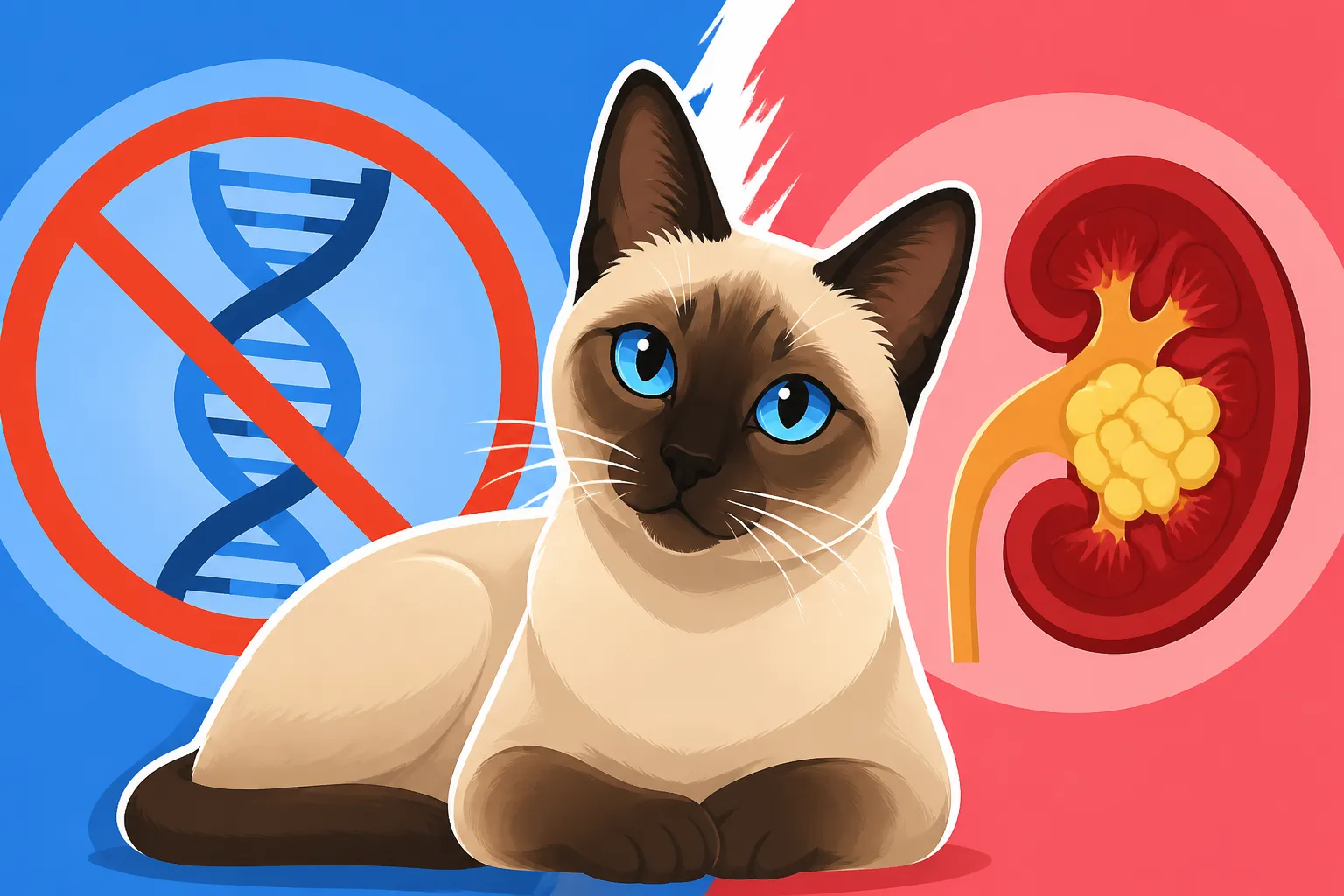
The heartbreaking reality for Siamese cat owners and breeders is that amyloidosis is widely recognized as an inherited condition within the breed. This isn't just random bad luck; there's a genetic component at play that makes certain lines more susceptible than others. However, despite this clear indication of heredity, the exact genetic mechanisms are incredibly complex, acting like a phantom that we know is there but can't quite grasp. This complexity is the primary reason why developing a reliable DNA test has been such an insurmountable challenge to date.
Understanding the Inherited Nature of Siamese Amyloidosis
When we talk about an inherited disease, it means that the predisposition or the disease itself is passed down from parents to offspring through their genes. For Siamese amyloidosis, current research suggests an autosomal recessive mode of inheritance. What does this mean in plain English? It means that a cat usually needs to inherit two copies of the "problem" gene – one from each parent – to be affected by the disease. Cats that inherit only one copy are considered carriers; they don't typically show symptoms themselves, but they can pass the gene on to their kittens. This makes things incredibly difficult for breeders, as outwardly healthy cats can be silently carrying and spreading the genetic predisposition. This is precisely Why Siamese Cat Amyloidosis Is Inherited and a key part of the frustration. The stealthy nature of carriers is a significant barrier to eradication, as they appear perfectly healthy and may be bred unknowingly, perpetuating the cycle.
The Challenges of Pinpointing a Specific Gene
You might wonder, with all the advances in genetic science, why can't scientists just find the specific gene responsible for amyloidosis in Siamese cats? It's not for lack of trying, believe me. The issue often lies in the polygenic nature of the disease, meaning it's likely not caused by a single "bad" gene, but rather by the interaction of multiple genes, or perhaps a combination of genetic factors and environmental triggers. Imagine trying to find one faulty light switch when there are a hundred switches, and the lights only flicker when five specific ones are flipped in a particular sequence, and maybe only when it's raining outside. It's that kind of intricate puzzle. Furthermore, the protein itself, amyloid A, is usually produced from a gene called SAA1. While mutations in SAA1 are linked to amyloidosis in some other species, and even in some human forms, finding a clear, consistent mutation or set of mutations that definitively predict amyloidosis in Siamese cats has remained elusive. This makes targeted DNA testing based on a single gene practically impossible with our current understanding.
Why a Direct DNA Test Remains Elusive
The absence of a definitive DNA test for Siamese cat amyloidosis is a constant source of anxiety for owners and a significant roadblock for ethical breeding programs. It's not that geneticists haven't tried; it's a testament to the immense complexity of this particular disease in this specific breed. Several factors contribute to this frustrating reality, making it one of the most challenging conditions to manage genetically.
The Intricacies of Genetic Markers and Disease Expression
For a DNA test to be truly effective, scientists need to identify specific genetic markers – think of them as unique signposts on the DNA strand – that are consistently and reliably associated with the disease. These markers should either directly cause the disease or be so closely linked to the causative gene that they act as a proxy. The challenge with Siamese amyloidosis is that such clear, unambiguous markers haven't been found. It's possible the genetic predisposition is spread across multiple genes, or that the genetic factors are influenced by other non-genetic elements, making it incredibly hard to isolate a single, testable cause. Moreover, even if a genetic predisposition exists, not every cat carrying the genes will necessarily develop the disease, or they might develop it at different ages and with varying severity. This variable expression makes it harder to correlate a genetic marker directly to the clinical outcome. This is a stark contrast to some other genetic conditions where a single gene mutation has a clear, predictable effect, making a DNA test straightforward.
The Lack of a Clear, Consistent Mutation
In many inherited diseases, researchers can pinpoint a specific mutation – a change in the DNA sequence – that is directly responsible for the condition. For example, for progressive retinal atrophy (PRA) in some other breeds, specific genetic mutations have been identified, allowing for a precise DNA test. Unfortunately, for Siamese cat amyloidosis, extensive research has yet to identify such a clear, consistent, and universally applicable mutation. The amyloid protein itself is formed from serum amyloid A (SAA) precursors, and while there are genes that control SAA production, a simple mutation that acts as an "on/off" switch for amyloidosis hasn't been discovered in Siamese cats. This means we can't simply look for one altered gene sequence to confirm a cat's risk. Instead, it's more likely a complex interplay of genetic variations, perhaps even in genes that regulate inflammation or protein folding, which individually might be benign but collectively contribute to the disease susceptibility. This lack of a single "smoking gun" mutation is the biggest hurdle in developing a reliable DNA test for the breed. This is also why There Is No DNA Test for Siamese Cat Amyloidosis remains a reality, despite significant advancements in feline genetics.
The Breeder's Dilemma: Navigating a Disease Without a Test
For dedicated Siamese cat breeders, the lack of a DNA test for amyloidosis presents a profound ethical and practical challenge. They are often caught between their passion for the breed and the devastating reality of a disease that can emerge without warning, often years after a cat has been bred. This uncertainty impacts breeding decisions, lineage tracking, and the overall health strategy for their catteries.
The Ethical Responsibility of Breeders
Responsible breeders shoulder an immense ethical burden to produce healthy kittens. When a clear genetic test is available for a disease, the path is straightforward: test all breeding animals, remove affected and carrier individuals from the breeding pool (or breed carriers only to clear mates), and gradually eliminate the disease. However, without a DNA test for amyloidosis, breeders are forced to rely on less direct, often heartbreaking, methods. They must track the health and lifespan of every cat they breed, and even more critically, the health outcomes of their offspring. This means having open and honest communication with kitten buyers, collecting health data throughout a cat's life, and being willing to make tough decisions based on observed patterns within their lines. If a specific line starts showing signs of The Age Amyloidosis Appears in a Siamese Cat consistently, a breeder might make the difficult choice to remove those cats from their breeding program, even if they themselves appear healthy. This commitment to long-term health tracking is crucial, but it's a reactive measure, not a proactive one, which adds to the stress.
Challenges in Breeding Decisions and Lineage Tracking
Imagine trying to build a family tree where some branches might secretly be carrying a ticking time bomb, and you have no way to mark them until the bomb goes off. That's the reality for Siamese breeders. Without a genetic test, they cannot definitively identify carriers or predisposed individuals before breeding. This means that otherwise excellent cats, with wonderful temperaments and conformation, might unknowingly be passing on the risk of amyloidosis. Breeders often rely heavily on pedigree analysis, looking for instances of the disease in ancestors or collateral relatives, to make informed breeding decisions. They try to avoid pairing cats from lines where amyloidosis has been known to occur, or they might try to outcross to lines with no known history of the disease, hoping to dilute the genetic risk. However, this is largely guesswork and can inadvertently remove valuable genetic diversity from the breed. Furthermore, the insidious nature of amyloidosis means that clinical signs may not appear until a cat is several years old, long after they've had litters. This makes retrospective analysis difficult and means that a breeder might only realize a problem exists years after a breeding decision has been made, adding to the frustration and the feeling of helplessness.
What Owners Can Do: Managing the Risk and Symptoms
While the lack of a DNA test for amyloidosis is a significant challenge, it doesn't mean owners are powerless. Understanding the risks and being proactive about monitoring your Siamese cat's health can make a substantial difference in early detection and management, potentially improving their quality of life and extending their time with you. This requires vigilance, regular veterinary care, and an open line of communication with your vet.
Proactive Monitoring and Early Detection
Since we can't test for the genetic predisposition, our best bet is to be incredibly attentive to any subtle changes in our Siamese cats. Early detection is absolutely key with amyloidosis, as severe symptoms often indicate significant organ damage. Owners should be on the lookout for a range of signs that could indicate a problem, especially as their cat enters middle age, around 4-7 years old, which is often The Age Amyloidosis Appears in a Siamese Cat.
Symptoms to watch for include:
- Changes in appetite: A decrease in food intake or a sudden pickiness.
- Weight loss: Even a slight, unexplained drop can be a red flag, especially since Siamese cats are naturally lean.
- Increased thirst or urination: These can be subtle but are important indicators of kidney issues.
- Lethargy or decreased activity: Your usually playful Siamese might seem less energetic.
- Vomiting or diarrhea: General gastrointestinal upset.
- Jaundice: A yellowing of the skin, gums, or whites of the eyes, indicating liver problems.
- Abdominal pain or swelling: Your cat might be reluctant to be touched around their belly.
Regular wellness exams, including yearly bloodwork and urinalysis, are crucial, particularly as your Siamese matures. Your vet might recommend specific tests if they suspect amyloidosis. Some owners choose to proactively discuss with their vet about monitoring blood values that might flag issues like elevated liver enzymes or changes in kidney function. Keep in mind that a good pet insurance plan, like those offered by Healthy Paws, can be incredibly helpful for covering the costs associated with these regular diagnostics and potential treatments, giving you peace of mind that you can afford the best care should issues arise.
Supportive Care and Symptom Management
If a Siamese cat is diagnosed with amyloidosis, treatment primarily focuses on supportive care and managing the symptoms to maintain the best possible quality of life. Unfortunately, there is no cure for the amyloid deposits themselves, but we can often slow their progression or mitigate their effects.
- Dietary management: For cats with liver involvement, a specialized diet might be recommended to support liver function. For kidney involvement, a kidney-specific diet can help reduce the workload on the kidneys and manage uremic toxins.
- Medications: Anti-inflammatory drugs like colchicine have been used in some cases to try and slow the deposition of amyloid, though its effectiveness in feline amyloidosis is still debated and not universally accepted. Other medications might be prescribed to manage specific symptoms, such as anti-nausea drugs, appetite stimulants, or fluid therapy for dehydration. Discussing Which Drugs Slow Amyloid in a Siamese Cat with your vet is important for understanding potential options.
- Fluid therapy: For cats with kidney issues or dehydration, subcutaneous fluids can be administered at home, significantly improving their comfort and kidney function.
- Pain management: If your cat is experiencing discomfort, your vet can prescribe appropriate pain relief.
The key is to work closely with your veterinarian to develop a personalized care plan that addresses your cat's specific needs and symptoms. Being an informed and proactive owner is your most powerful tool in navigating this challenging disease. Being familiar with Signs a Siamese Cat Has Liver Amyloidosis can also help you recognize symptoms quickly.
The Future of Research: Hope on the Horizon?
While the current situation regarding amyloidosis in Siamese cats can feel disheartening, it's important to remember that veterinary medicine and genetic research are constantly advancing. What seems impossible today might be a reality tomorrow, and dedicated scientists are continually working to unravel the mysteries of complex diseases like amyloidosis.
Ongoing Scientific Investigations
Researchers around the world continue to study amyloidosis in various species, including felines. These investigations delve into several areas:
- Genetic Sequencing: Advanced genetic sequencing techniques are becoming more accessible and powerful. Scientists are continuously mapping the feline genome with greater precision, which could eventually lead to the identification of causative or predisposing genes for amyloidosis in Siamese cats. The sheer volume of genetic data being processed opens doors to finding subtle genetic variations that were previously undetectable.
- Protein Folding Studies: A major focus is on understanding exactly why certain proteins misfold and aggregate into amyloid. If we can understand the molecular mechanisms behind this process, we might be able to develop therapies that prevent the misfolding or enhance the body's ability to clear these abnormal proteins before they accumulate.
- Biomarker Discovery: Even without a direct gene test, researchers are looking for "biomarkers" – substances in the blood or urine that could indicate the presence of early amyloid deposits, or even a genetic susceptibility, before clinical symptoms appear. This would allow for earlier intervention and a better prognosis.
- Therapeutic Development: Beyond diagnostics, a significant effort is also going into developing new treatments. This includes drugs that might inhibit amyloid formation, break down existing deposits, or modulate the immune response to reduce inflammation, which can exacerbate amyloid deposition.
These lines of research offer genuine hope that in the future, we may have better tools for diagnosing, preventing, or even treating amyloidosis in Siamese cats.
Potential for Future Genetic Breakthroughs
The history of genetic research is full of examples where complex diseases, once thought to be untestable, eventually yielded their secrets to scientific inquiry. The development of DNA tests for other inherited conditions in cats demonstrates this progress. It's plausible that future breakthroughs in our understanding of feline genetics, coupled with more sophisticated analytical tools, will eventually reveal the specific genetic components of Siamese amyloidosis.
This could manifest in several ways:
- Discovery of a Major Gene: A previously unidentified major gene or combination of genes might be found that is highly predictive of the disease.
- Polygenic Risk Scores: Even if a single gene isn't found, scientists might develop a "polygenic risk score" – a complex genetic test that assesses a cat's overall risk based on multiple subtle genetic variations. This wouldn't be a simple "yes/no" test but could provide a probabilistic assessment of a cat's likelihood of developing the condition.
- Epigenetic Research: Beyond the DNA sequence itself, epigenetics studies how genes are expressed. It's possible that environmental factors interact with genetic predispositions through epigenetic mechanisms, influencing whether a cat develops amyloidosis. Understanding this could lead to new diagnostic or preventive strategies.
While we are not there yet, the continuous advancements in veterinary genetic research mean that the prospect of a DNA test for Siamese cat amyloidosis, or at least a highly accurate risk assessment, is not an impossible dream. Until then, proactive care and managing the disease as it appears remain our primary tools, often requiring significant financial commitment which pet insurance providers like Healthy Paws can help alleviate.
Living with Uncertainty: Emotional Toll and Support
The reality of caring for a Siamese cat, knowing that a silent, incurable disease like amyloidosis could be lurking, takes a significant emotional toll on owners. It's a weight that many feel, a constant background hum of worry, especially when faced with a diagnosis that offers no clear genetic answers.
The Psychological Impact on Owners
Imagine loving a creature so fiercely, knowing they are genetically predisposed to a serious illness, but feeling powerless to prevent or even definitively screen for it. This is the reality for many Siamese cat owners. The uncertainty surrounding amyloidosis can lead to chronic anxiety and stress. Every subtle change in behavior or appetite can trigger fear. When a diagnosis does come, it often feels like a cruel twist of fate, especially since How Long a Siamese Cat Lives After an Amyloidosis Diagnosis can be heartbreakingly short. Owners often grapple with feelings of guilt, wondering if they missed early signs, or if there was something more they could have done. The emotional journey can be isolating, as not everyone understands the depth of concern over a breed-specific genetic predisposition. It's a grief that begins long before a cat is lost, a preemptive mourning for a future that might be cut short.
Finding Support and Coping Mechanisms
Coping with this uncertainty requires a strong support system and proactive coping mechanisms. You are not alone in these feelings, and seeking support can make a world of difference.
- Connect with other Siamese owners: Online forums, breed-specific social media groups, and local cat clubs can be invaluable resources. Sharing experiences with others who truly understand the unique challenges of the breed, including amyloidosis, can be incredibly validating and provide a sense of community. You might find seasoned owners who can offer practical advice or simply lend an empathetic ear.
- Build a strong relationship with your veterinarian: Your vet is your most important ally. Discuss your concerns openly. They can help you understand the current state of knowledge, advise on appropriate monitoring, and provide reassurance where possible. Don't hesitate to ask questions, even if you think they're minor.
- Consider pet insurance: While it doesn't solve the emotional toll, knowing that you can afford diagnostic tests, medications, and potential emergency care without financial strain can significantly reduce stress. Healthy Paws, for example, offers plans that cover accidents and illnesses, which can be a lifesaver if your cat develops amyloidosis and requires ongoing medical management. This financial safety net allows you to focus on your cat's well-being rather than agonizing over vet bills.
- Practice self-care: It sounds cliché, but taking care of yourself is crucial when you're under stress. This might mean setting boundaries with your worries, enjoying simple moments with your cat, or seeking professional counseling if the anxiety becomes overwhelming. Remember that your cat picks up on your emotional state, so a calm and loving environment is beneficial for both of you.
Navigating the emotional landscape of amyloidosis without a DNA test is tough, but by building a strong network of support and being proactive in your cat's care, you can manage the challenges and cherish every moment with your cherished Siamese.
Alternative Screening and Diagnostic Approaches
Given the lack of a direct DNA test, veterinary science relies on a combination of indirect screening methods and diagnostic tools to identify amyloidosis in Siamese cats. These approaches aren't perfect, and they often come with their own set of limitations, but they are currently the best we have for trying to catch this stealthy disease.
Blood Tests and Urinalysis: What They Tell Us
Regular blood tests and urinalysis are cornerstones of routine feline health check-ups, and they can offer important clues about the presence of amyloidosis, particularly as the disease progresses and begins to impact organ function.
- Blood Chemistry Panel: This panel evaluates various organ functions. Elevated liver enzymes (like ALT, AST, ALP) can indicate liver damage, while elevated kidney values (like BUN, creatinine, phosphorus) can signal kidney impairment. A complete blood count (CBC) can also reveal abnormalities, such as anemia, which might be present with chronic disease or internal bleeding. While these changes aren't specific to amyloidosis – many conditions can cause similar abnormalities – they serve as vital indicators that something is wrong and warrant further investigation.
- Serum Amyloid A (SAA) Measurement: SAA is an acute phase protein, meaning its levels in the blood rise sharply in response to inflammation or infection. While not a direct diagnostic for amyloidosis itself, persistently elevated SAA levels could indicate chronic inflammation that might predispose a cat to amyloid deposition or suggest active amyloid formation. Some research suggests SAA can be a useful marker in monitoring inflammatory processes, but it's not a definitive test for amyloidosis presence.
- Urinalysis: A urinalysis assesses kidney function by checking for protein in the urine (proteinuria). If amyloid is depositing in the kidneys, it can damage the filtering units (glomeruli), leading to protein leakage into the urine. Detecting persistent proteinuria is a significant red flag for kidney disease, which could be caused by amyloidosis in a Siamese cat. The specific protein-to-creatinine ratio (UPC) can quantify the amount of protein loss and help gauge the severity of kidney damage. These values can help your vet determine Which Blood Values Flag Amyloidosis in a Siamese Cat.
It's important to remember that these tests are indicators, not definitive diagnostics for amyloidosis itself. Abnormal results mean further investigation is needed.
Imaging Techniques and Biopsy: The Definitive Steps
When blood and urine tests raise suspicions, veterinarians turn to more advanced imaging and, ultimately, biopsy for a more definitive diagnosis.
- Ultrasound: Abdominal ultrasound is an incredibly valuable, non-invasive tool. For amyloidosis, an ultrasound can visualize the internal organs, particularly the liver and kidneys. In cases of liver amyloidosis, the liver might appear enlarged, have an abnormal texture (hyperechoic), or show signs of fluid accumulation in the abdomen (ascites) if a rupture has occurred. For kidney amyloidosis, the kidneys might appear abnormal in size or texture. While an ultrasound can't prove amyloidosis, it can strongly suggest its presence by showing characteristic changes in the affected organs. It can also help assess the extent of organ damage and guide further diagnostic steps. Many owners wonder Whether an Ultrasound Finds Siamese Cat Amyloidosis, and the answer is it can point to it, but usually not definitively.
- Biopsy (and Histopathology): The only truly definitive way to diagnose amyloidosis is through a biopsy of the affected organ, followed by histopathology (microscopic examination of the tissue). During a biopsy, a small tissue sample is taken from the liver or kidney, typically under ultrasound guidance or during exploratory surgery. This tissue is then stained with Congo red, which highlights amyloid deposits under a microscope, giving them a characteristic apple-green birefringence when viewed with polarized light. However, liver biopsies, especially in a cat with suspected amyloidosis, carry risks due to the fragile nature of an amyloid-infiltrated liver, which can bleed excessively. Vets must weigh the diagnostic benefit against the potential risks before recommending this procedure. This is Why Siamese Cat Amyloidosis Is Usually Found After Death – because a biopsy carries risks that make it not always feasible while the cat is alive. However, if deemed necessary and safe, a biopsy provides the clearest picture.
Table: Overview of Amyloidosis Screening & Diagnostic Approaches
| Method | What it checks for | Usefulness for Amyloidosis | Limitations |
|---|---|---|---|
| Blood Chemistry Panel | Liver enzymes, kidney values, overall organ function | Identifies organ dysfunction suggestive of disease | Non-specific; many conditions cause similar abnormalities |
| Serum Amyloid A (SAA) | Acute phase protein levels | Indicates inflammation/infection; may suggest predisposition/active process | Not a direct diagnostic for amyloid deposits; can be elevated for many reasons |
| Urinalysis (UPC Ratio) | Protein in urine | Detects kidney damage (proteinuria) consistent with kidney amyloidosis | Non-specific; other kidney diseases also cause proteinuria |
| Abdominal Ultrasound | Organ size, shape, texture | Visualizes changes in liver/kidneys; highly suggestive of amyloidosis | Cannot definitively confirm amyloid deposits; requires skilled interpretation |
| Organ Biopsy | Microscopic tissue analysis with Congo Red stain | Definitive diagnosis: identifies amyloid deposits directly | Invasive, can be risky (especially for liver); requires anesthesia and specialized processing |
Disclaimer
This article is for general informational purposes only and does not constitute professional advice. Laws, prices and regulations vary by location and change over time. Consult a qualified professional for guidance on your specific situation.