Whether Diet Helps a Siamese Cat With Amyloidosis
It’s absolutely heartbreaking to receive the diagnosis of amyloidosis in your beloved Siamese cat. The moment you hear words like "protein deposits" and "organ failure," a million questions flood your mind, often leading to a desperate search for anything that might help, and diet often feels like the most tangible thing we can control as pet parents. You want to know if there’s a special food, a magical supplement, or any dietary change that can slow down this relentless disease. This guide is here to unravel the complex truth about whether diet can actually help a Siamese cat battling amyloidosis, focusing on realistic expectations and supportive care.
Understanding Amyloidosis in Siamese Cats: A Brief Overview
The very word "amyloidosis" is enough to send shivers down a Siamese owner's spine. It's a cruel twist of fate, often hitting these beautiful, vibrant cats far too young. You might feel a crushing weight of helplessness, wondering if there was something you missed, something you could have done differently. It's important to understand that this isn't your fault; it's a genetic predisposition that makes our Siamese so vulnerable.
The Unsettling Nature of the Disease
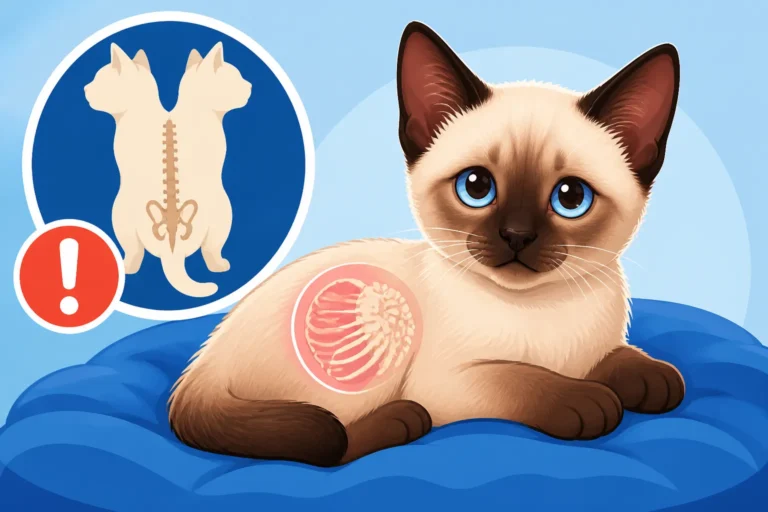
Amyloidosis in Siamese cats is primarily a genetic condition where an abnormal protein, called amyloid, begins to deposit in various organs. While it can affect several parts of the body, it often specifically targets the liver, leading to a condition known as hepatic amyloidosis. When this happens, the normal, healthy liver tissue gets slowly replaced by these rigid, non-functional amyloid proteins. This process can weaken the liver significantly, making it prone to rupture, which can be devastating and often fatal. For some Siamese cats, the kidneys can also be affected, leading to What Systemic Amyloidosis Does to a Siamese Cat's Kidneys. The insidious nature of this disease is that it often progresses silently, with signs only becoming apparent when significant damage has already occurred. This is why it's so incredibly frustrating for owners, because by the time you know, the battle is already uphill.
Why Diet Feels Like a Ray of Hope
When confronted with a severe and often incurable disease like amyloidosis, it’s completely natural to grasp at straws for any potential intervention. We love our cats fiercely, and the idea of passive acceptance is almost unbearable. Diet, in particular, feels like something within our control. We scrutinize ingredient lists, research special formulations, and pore over anecdotes from other pet owners online, all in the hopes that somehow, through nutrition, we can tip the scales in our cat's favor. The desire to feed our cat "right" becomes paramount, a way to fight back against a condition that otherwise leaves us feeling powerless. This hope is valid, even if the scientific answers aren't always what we wish for.
The Current Scientific Stance on Diet and Feline Amyloidosis
Let's cut to the chase, because sugar-coating things doesn't help anyone when dealing with a serious diagnosis. The scientific community has been studying amyloidosis, especially in breeds like the Siamese that are particularly susceptible, but definitive answers regarding diet are still elusive. It’s a frustrating reality for dedicated cat parents.
The Hard Truth: Limited Direct Evidence
Here’s the honest, but tough, truth: there is currently no specific diet or dietary supplement scientifically proven to prevent the formation of amyloid protein deposits or to reverse existing amyloidosis in cats. It's not like diabetes, where specific carbohydrate control can drastically change the disease's trajectory, or certain allergies that can be managed by eliminating ingredients. Amyloidosis is a protein misfolding disorder, and while protein is a dietary component, simply changing protein intake doesn't stop the underlying genetic mechanism. This can be incredibly disappointing to hear, especially when you're trying your absolute best to find solutions. It truly feels like a punch to the gut when you're already worried sick about How Common Amyloidosis Is in Siamese Cats.
Research into this area is ongoing, but for now, no commercial or homemade diet has demonstrated the ability to directly target and eliminate amyloid buildup. This isn't to say diet is useless, but it's crucial to manage expectations about what it can achieve. It means we have to adjust our strategy from direct attack to supportive defense, which, while not as dramatic, is equally vital.
Supporting Organ Function, Not Curing the Disease
While diet can't magically make the amyloid disappear, it plays a critical role in supporting the organs that are being damaged. Think of it less as a cure and more as vital life support for your cat’s internal systems. When amyloid starts to accumulate in organs like the liver or kidneys, those organs begin to struggle. They can't perform their functions as efficiently, and this can lead to a cascade of other health problems. The goal of dietary management in this context is to lighten the load on these compromised organs, help them function as well as possible for as long as possible, and manage the secondary symptoms that arise from their dysfunction.
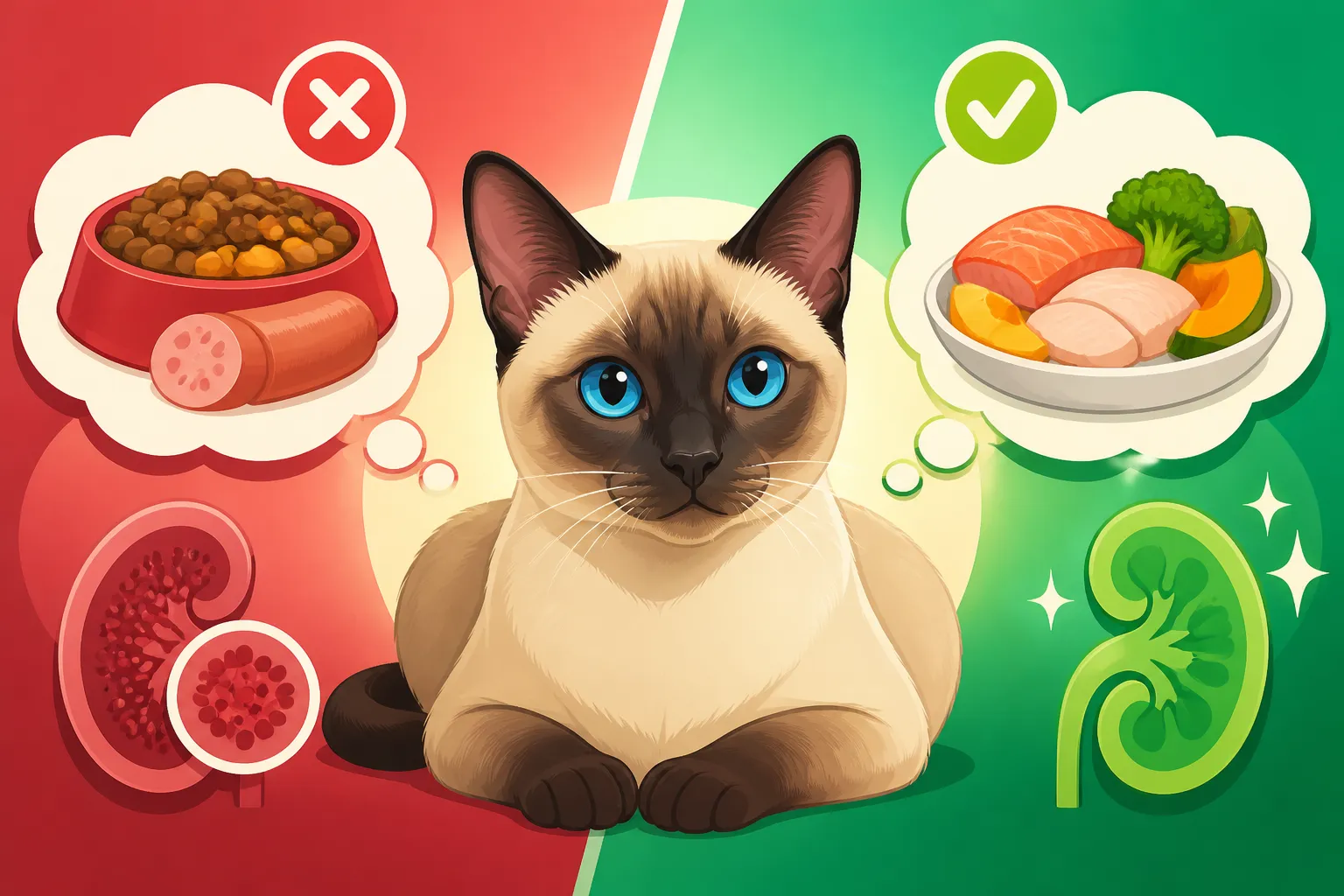
For instance, if a Siamese cat's liver is being affected, the vet might recommend a diet that supports liver health by providing appropriate nutrients without overwhelming the liver's compromised processing capabilities. Similarly, if the kidneys are failing due to amyloid deposits, a specialized renal diet becomes crucial to slow the progression of kidney disease and manage its associated symptoms. This approach, while not directly addressing the amyloid itself, can significantly improve your cat's quality of life and potentially extend the time you have with them. It's about proactive symptom management and giving their body the best chance to cope. This is why understanding How Long a Siamese Cat Lives After an Amyloidosis Diagnosis often depends on how well these secondary issues are managed.
Practical Dietary Considerations for Siamese Cats with Amyloidosis
Even though there isn't a "cure-all" diet, strategic nutritional choices can make a profound difference in managing the symptoms and supporting the affected organs. This is where your veterinarian becomes your most important ally, helping you navigate the sometimes-conflicting information and tailor a plan specifically for your cat.
Tailoring Nutrition for Liver Support
When amyloidosis primarily affects the liver in your Siamese, the dietary focus shifts to minimizing stress on this vital organ and aiding its function where possible. It’s a delicate balance, and what works for one cat might need slight adjustments for another.
- Protein Levels and Quality: This is often a major point of discussion. Typically, a diet for a cat with liver disease might involve moderate levels of highly digestible, high-quality protein. The liver is responsible for metabolizing protein, and if it's severely compromised, too much protein can lead to a buildup of toxins, such as ammonia, which can cause hepatic encephalopathy (a brain disorder). However, cats are obligate carnivores and need protein to maintain muscle mass and essential bodily functions. The key is quality – easily digestible animal proteins. Your vet might suggest commercial therapeutic diets specifically formulated for liver support, which often strike this balance. Sometimes, if the liver is failing, a restricted protein diet is recommended, but this must be carefully monitored to prevent muscle wasting in cats.
- Fat Content and Digestibility: Fats are a dense source of energy, which is crucial for a cat that might be losing weight due to illness. Easy-to-digest fats are generally preferred. However, excessive fat can be problematic if the liver's bile production (which helps digest fats) is impaired. Again, a therapeutic diet will be designed to provide adequate energy from fats without overburdening the system.
- Vitamins, Minerals, and Supplements: Certain vitamins and minerals become particularly important. B vitamins are often depleted in liver disease and may need supplementation. Antioxidants like Vitamin E and C can help combat oxidative stress in the damaged liver cells. Some vets might discuss supplements like S-Adenosylmethionine (SAM-e) or milk thistle, which are thought to support liver function and regeneration. Always, always discuss these with your vet before introducing them, as some supplements can interact with medications or be harmful in specific conditions. For instance, the vet might prescribe a low-dose corticosteroid, and you need to ensure any supplements don't interfere with this.
- Hydration is Key: Ensuring your cat drinks enough water is fundamental, regardless of which organs are primarily affected. Adequate hydration supports overall organ function and helps the kidneys excrete waste products. Offering multiple water bowls, a feline water fountain (many cats prefer moving water), or incorporating more wet food into their diet can encourage fluid intake.
Kidney-Friendly Approaches for Systemic Amyloidosis
If amyloidosis has started to affect your Siamese cat's kidneys, a different set of dietary priorities comes into play. Which Organs Amyloidosis Hits in a Siamese Cat is critical for determining the dietary strategy. This scenario might call for a diet similar to those prescribed for chronic kidney disease (CKD), as the symptoms and management often overlap.
- Phosphorus Restriction: One of the most critical aspects of a kidney-friendly diet for cats is restricting phosphorus. As kidney function declines, the kidneys struggle to excrete phosphorus, leading to high levels in the blood, which can exacerbate kidney damage and cause other health issues. Commercial renal diets are specifically formulated to have reduced phosphorus content.
- Controlled, High-Quality Protein: Similar to liver support, protein management is vital for kidney health. The kidneys filter waste products from protein metabolism (like urea). Too much protein can make the kidneys work harder. However, too little protein can lead to muscle wasting. Renal diets typically provide a controlled amount of high-quality, easily digestible protein to minimize waste production while meeting the cat's essential amino acid needs.
- Omega-3 Fatty Acids: These powerful anti-inflammatory agents can be beneficial for kidney health. They are thought to help reduce inflammation and improve blood flow to the kidneys. Many renal diets include increased levels of Omega-3s.
- Sodium Restriction: Reducing sodium intake can help manage blood pressure, which is often elevated in cats with kidney disease.
- Potassium Management: Cats with kidney disease can sometimes develop low potassium levels, which requires supplementation. Conversely, some advanced cases might need potassium restriction. Your vet will monitor blood electrolyte levels closely.
- Prescription Diets: Brands like Hill's (k/d formula) or Royal Canin (Renal Support formula) offer a range of prescription renal diets designed specifically for cats with kidney disease. These diets are meticulously formulated to meet all the above criteria. Discussing these with your vet is paramount, as they are not "one-size-fits-all" solutions.
The Importance of Palatability and Consistency
This is perhaps the most practical, and sometimes most challenging, aspect of dietary management for any sick cat, especially a finicky Siamese. It's all well and good for the vet to recommend a specific therapeutic diet, but if your cat won't eat it, it's completely useless. Siamese cats are known for their strong personalities and discerning palates, which can make things incredibly difficult when they're unwell.
You might find yourself trying several different brands or flavors of prescription food before hitting on one your cat tolerates. Don’t be afraid to experiment, under your vet’s guidance. Sometimes, warming the food slightly can enhance the aroma and make it more appealing. Mixing a small amount of their old, favorite food with the new diet and gradually transitioning can also help. The goal is to get calories and essential nutrients into your cat. If they refuse all prescription diets, your vet might work with you on making a homemade diet (which requires extreme care and veterinary nutritionist input) or finding other strategies, like appetite stimulants.
Remember, a cat that isn't eating can quickly develop other severe health problems, like hepatic lipidosis (fatty liver disease), which adds another layer of complication to an already complex situation. This is where the emotional toll can be huge, as you grapple with the fear of Why a Siamese Cat's Liver Can Rupture Without Warning and the urgency of getting them to eat. Providing supportive care to keep their appetite up is sometimes the best dietary intervention.
Here’s a quick overview of how dietary priorities might shift depending on the primary organ affected:
| Dietary Component | Focus for Liver Support (Hepatic Amyloidosis) | Focus for Kidney Support (Renal Amyloidosis) |
|---|---|---|
| Protein | Moderate, highly digestible, high-quality. May be restricted if encephalopathy. | Controlled, high-quality to minimize waste products. |
| Phosphorus | Normal to slightly reduced. | Significantly Restricted. |
| Sodium | Normal, unless ascites (fluid buildup) is present. | Reduced, to manage blood pressure. |
| Fats | Digestible fats for energy, not excessive. | Adequate for energy. |
| Omega-3 Fatty Acids | Beneficial for overall health, anti-inflammatory. | Increased levels for anti-inflammatory effects and kidney protection. |
| B Vitamins | Often supplemented due to depletion. | Important, often supplemented. |
| Antioxidants | May help combat oxidative stress. | Beneficial. |
| Hydration | Critical for overall health and flushing toxins. | Critical to prevent dehydration and support kidney function. |
Working with Your Veterinarian for a Personalized Plan
Navigating amyloidosis and the dietary choices involved is not something you should, or can, do alone. Your veterinarian is your most important resource in this journey. They have the expertise and the ability to monitor your cat's specific condition, which is paramount for effective management.
The Essential Role of Veterinary Guidance
Every Siamese cat with amyloidosis is unique. The severity of the disease, which organs are most affected, your cat's overall health, and even their individual preferences will all play a role in determining the best dietary approach. Trying to self-diagnose and prescribe a diet based solely on online research can be incredibly dangerous. You might inadvertently provide too much or too little of a critical nutrient, or even exacerbate a problem. Your vet will conduct necessary diagnostics, such as blood tests (looking for specific values that might Which Blood Values Flag Amyloidosis in a Siamese Cat), urinalysis, and potentially imaging like ultrasound to determine the extent of the amyloid deposition and organ damage.
Based on these findings, they can recommend specific therapeutic diets. They might suggest prescription foods from brands like Royal Canin, Hill's, or Purina Pro Plan Veterinary Diets, all of which have different formulations for various conditions. They will also be able to advise on appropriate supplements and ensure they don't interact negatively with any medications your cat might be taking to manage symptoms, such as anti-nausea drugs or pain relief. Having comprehensive pet insurance, such as a policy from Healthy Paws, can provide immense peace of mind during this time, helping you cover the costs of these specialized diets, frequent vet visits, and any medications that might be prescribed. Knowing you have that financial buffer allows you to focus solely on your cat's care, not the mounting bills.
Monitoring and Adjusting the Diet
Dietary management for amyloidosis is rarely a "set it and forget it" situation. It requires ongoing monitoring and adjustments. Your vet will likely recommend regular check-ups, which will include:
- Blood work: To monitor organ function (liver enzymes, kidney values like BUN and creatinine, phosphorus, potassium), protein levels, and overall health.
- Urinalysis: To assess kidney function and detect protein loss.
- Weight checks: To ensure your cat is maintaining a healthy weight and not losing muscle mass.
- Clinical assessment: Observing your cat's energy levels, appetite, thirst, and overall demeanor.
Based on these periodic assessments, your vet might recommend tweaking the diet. Perhaps the initial liver-supportive diet isn’t quite optimal, or maybe the kidneys have started to show more significant involvement, requiring a shift to a more renal-focused approach. This proactive, adaptive strategy is the most effective way to help your Siamese cat maintain their quality of life for as long as possible. The journey with amyloidosis is unpredictable, and having a knowledgeable veterinary team by your side, possibly with the financial support of a good pet insurance plan like Healthy Paws, makes all the difference in managing this challenging condition. Discussing Whether Siamese Cat Amyloidosis Can Be Treated usually revolves around managing symptoms and supportive care, with diet playing a significant role in that support.
Disclaimer
This article is intended for informational purposes only and does not constitute medical advice. Always consult with a qualified veterinarian regarding any health concerns or before making any decisions about your pet's medical care or diet.