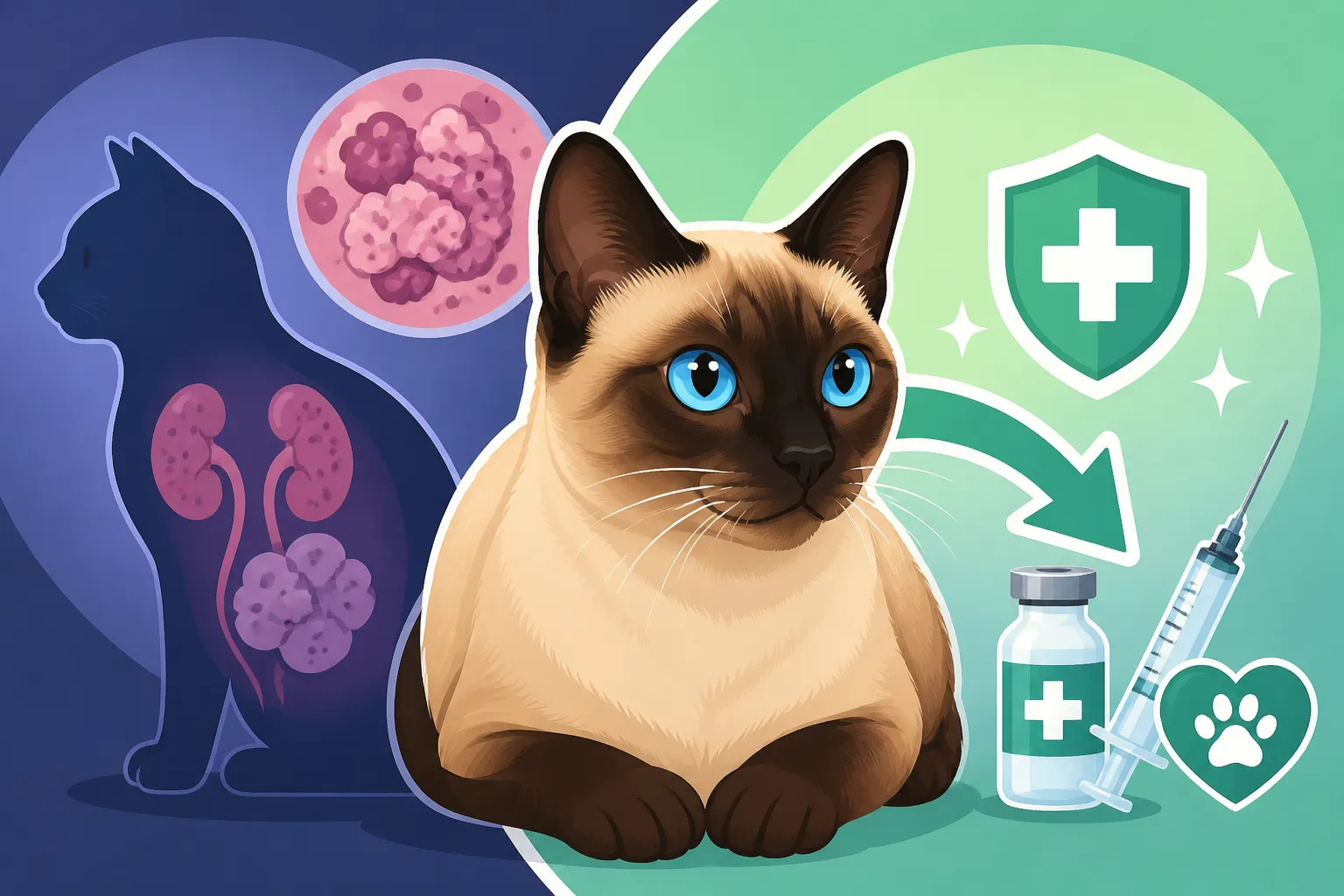
Whether Siamese Cat Amyloidosis Can Be Treated
It’s absolutely heartbreaking to learn your beloved Siamese cat might have amyloidosis. The moment you hear a diagnosis or even suspect this genetic condition, your mind races, desperate for answers. Owners are often told there isn't much to be done, leaving them feeling helpless and searching for any glimmer of hope. This comprehensive guide aims to shed light on what treatment options are realistically available for Siamese cat amyloidosis, how they work, and what you can do to support your cherished feline companion.
Understanding the Challenge of Siamese Cat Amyloidosis
Amyloidosis in Siamese cats is a particularly cruel condition because of its stealthy nature and the fundamental challenge it poses to traditional medicine. It's not like a bacterial infection you can hit with antibiotics, or a parasite you can easily eliminate. This makes the question of "treatment" complex and often frustrating for devoted pet parents.
Why Treatment Is So Difficult
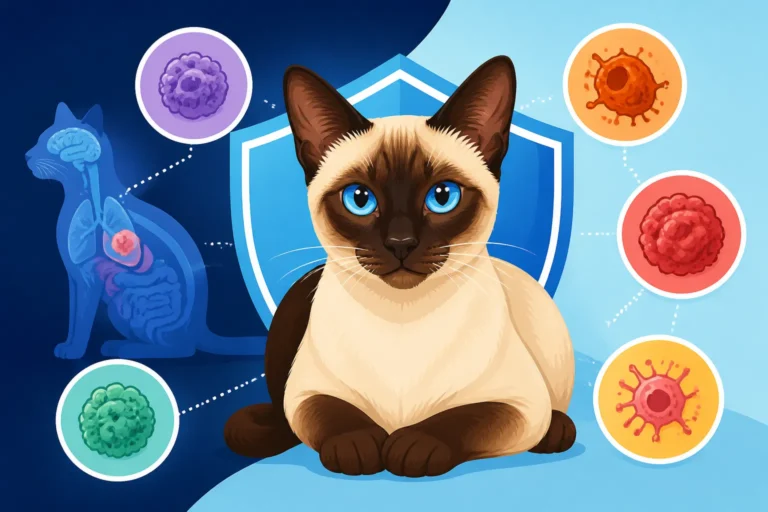
The root of the problem lies in what amyloidosis actually is: a disease characterized by the abnormal buildup of a protein called amyloid. Instead of being properly processed and removed by the body, this misfolded protein deposits itself in various organs, forming insoluble fibrils. In Siamese cats, the primary targets are often the liver and kidneys, though other organs can be affected. When amyloid builds up in these vital organs, it physically interferes with their normal structure and function, essentially choking them from the inside out.
Imagine trying to treat a slow, invisible flood that's gradually turning solid inside your home's most essential systems. You can try to manage the damage, but stopping the source of the "solids" once it's already flowing is incredibly difficult. This insidious process often means that by the time clinical signs become apparent – things like lethargy, loss of appetite, jaundice, or increased thirst – a significant amount of organ damage has already occurred. The organs are already compromised, making interventions more about management than cure. The specific organs amyloidosis hits in a Siamese cat can vary, but the liver and kidneys are almost always involved, leading to severe implications for treatment approaches.
The Lack of a Cure
This is the hardest truth to confront, but it's crucial for realistic expectations: there is currently no known cure for amyloidosis in Siamese cats. The goal of any therapeutic intervention isn't to reverse the amyloid deposits or bring the organs back to their original, healthy state. Instead, treatments focus primarily on managing the symptoms caused by the organ dysfunction, slowing the progression of the disease as much as possible, and, most importantly, maintaining the best possible quality of life for your cat.
It’s completely natural to feel a profound sense of disappointment and anger when faced with this reality. We want to fix our pets, to make them whole again. But with amyloidosis, the battle is against a process of protein misfolding and deposition that modern veterinary science has not yet learned to halt or reverse entirely. This means navigating a path of supportive care, proactive monitoring, and making difficult decisions focused on comfort and dignity, rather than eradication of the disease itself.
Current Management Strategies for Siamese Cat Amyloidosis
While a cure remains elusive, that doesn't mean we're powerless. A significant amount can be done to manage the disease, improve your cat's comfort, and potentially extend their quality of life. The approach is multi-faceted, focusing on supporting compromised organs and trying to slow the relentless march of amyloid buildup.
Supportive Care for Organ Function
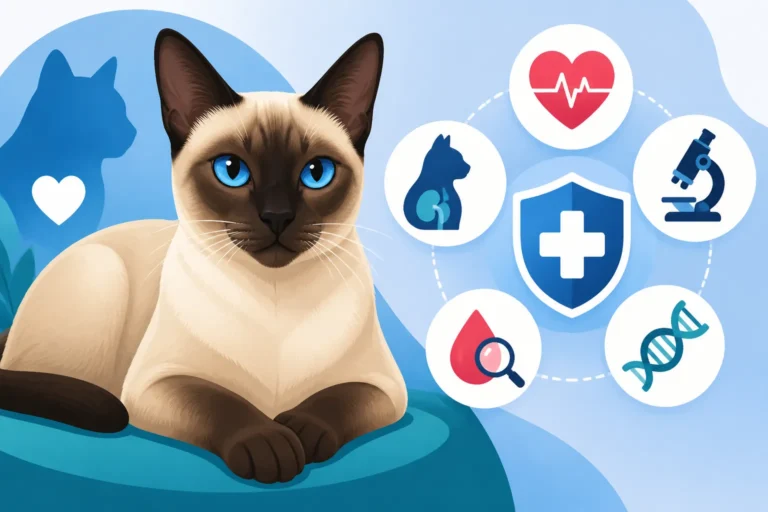
Supportive care is the cornerstone of managing amyloidosis in Siamese cats. It's all about bolstering the affected organs and mitigating the symptoms that arise from their decline. This is where your veterinarian becomes an invaluable partner, customizing a plan based on your cat's specific needs and the stage of their disease.
One of the most common issues, especially with kidney involvement, is dehydration and the buildup of toxins. This means fluid therapy often becomes critical. Your vet might recommend intravenous (IV) fluids if your cat is acutely ill, or teach you how to administer subcutaneous (under the skin) fluids at home. This can help flush toxins, rehydrate the body, and support kidney function. It's a lifesaver for many cats with kidney disease, even if it's a routine that takes some getting used to.
Dietary management is another huge piece of the puzzle. For cats with kidney amyloidosis leading to kidney disease, a prescription renal diet is usually recommended. These foods are specially formulated to have controlled protein and phosphorus levels, which reduce the workload on the kidneys and help prevent toxin buildup. If the liver is significantly affected, a highly digestible diet with specific nutrient balances might be prescribed to support liver function. These diets aren't just "special food" – they are a vital part of the treatment plan, tailored to minimize stress on compromised organs.
Many cats with advanced amyloidosis, particularly those with liver issues, experience nausea and a poor appetite. This can lead to a dangerous cycle of weight loss and weakness. Your vet may prescribe anti-nausea medications to help keep your cat comfortable and appetite stimulants to encourage them to eat. Sometimes, a feeding tube might even be considered in severe cases to ensure adequate nutrition. Maintaining good nutrition is paramount for energy and overall well-being.
Finally, pain management is a consideration. While amyloidosis itself isn't typically painful in its early stages, an enlarged liver or kidneys can cause discomfort. More acutely, a ruptured liver, a devastating complication, is extremely painful. Your vet will assess your cat regularly for signs of discomfort and prescribe appropriate pain relief if needed. These supportive measures, while not a cure, can profoundly improve your cat's day-to-day life. It's important to be prepared for the ongoing costs associated with this comprehensive care; pet insurance providers like Healthy Paws can be a real lifeline in helping to cover these expenses, allowing you to focus on your cat's well-being without constant financial worry.
Medications Aimed at Slowing Amyloid Deposition
Beyond supportive care, there's one medication that often comes up in discussions about slowing amyloidosis: colchicine. It's important to approach this with realistic expectations, as its efficacy in felines is not as clearly established as it is in some human forms of amyloidosis.
Colchicine is a drug that has been used in human medicine for conditions like familial Mediterranean fever, where amyloidosis can also be a complication. The theory behind its use in cats is that it might reduce inflammation, interfere with the assembly of amyloid proteins, or enhance the breakdown of existing amyloid deposits. However, studies specifically in Siamese cats with amyloidosis have yielded mixed results. Some anecdotal evidence and small studies suggest it might help slow the progression, particularly if started early, but it is by no means a guaranteed solution or a cure.
If your vet decides to try colchicine, they will start with a very low dose and carefully monitor your cat. The biggest challenge with colchicine can be its side effects, which often manifest as gastrointestinal upset like nausea, vomiting, and diarrhea. This is especially problematic in cats that already have a poor appetite or are feeling unwell. Adjusting the dosage or giving it with food can sometimes mitigate these effects, but for some cats, the side effects outweigh any potential benefit. It's crucial to follow your vet's instructions precisely and report any adverse reactions immediately. For more in-depth information about this drug, you might want to look into Which Drugs Slow Amyloid in a Siamese Cat.
Other potential treatments like dimethyl sulfoxide (DMSO) or green tea extract (EGCG) have been explored in research settings for amyloidosis in various species, including some discussion in felines. However, these are generally considered experimental, with very limited to no robust evidence supporting their widespread use or effectiveness in Siamese cat amyloidosis. Your vet is the best source for advice on any such options, as they can weigh the potential benefits against the risks for your individual cat.
Regardless of any medications used, regular monitoring is non-negotiable. This involves frequent veterinary check-ups, blood tests (to evaluate kidney and liver markers, and complete blood counts), and urinalysis. Your vet will be looking for trends in these values, which can indicate whether the disease is progressing, if the medication is having an effect, or if new complications are arising. An ultrasound may also be used periodically to visualize the organs and assess the extent of amyloid deposition. Knowing What a Siamese Cat's Yearly Bloodwork Should Cover is a good step towards understanding these critical health checks.
Managing Specific Organ Complications
The devastating impact of amyloidosis in Siamese cats often manifests as acute crises in the liver or progressive decline in kidney function. Understanding how to manage these specific complications is paramount for owners navigating this difficult disease.
Addressing Liver Amyloidosis Complications
For Siamese cats, the liver is a tragically common target for amyloid deposits, and the most feared complication is a sudden, catastrophic event: a liver rupture. This happens when the amyloid deposits make the liver tissue fragile and prone to tearing, leading to severe internal bleeding into the abdomen. It's an acute, life-threatening emergency, often with little to no warning. You might notice sudden weakness, pale gums, a distended abdomen, or collapse. These are all Signs a Siamese Cat's Liver Has Ruptured.
In the event of a liver rupture, emergency veterinary care is crucial, but the prognosis is often grim. Treatment focuses on stabilizing the cat and trying to stop the bleeding. This typically involves:
- Intravenous fluids: To combat shock and maintain blood pressure.
- Blood transfusions: If the blood loss is significant, a transfusion of whole blood or packed red blood cells may be necessary. This can be very expensive, and while it buys time, it doesn't address the underlying cause or prevent re-bleeding. Pet insurance like Healthy Paws can significantly alleviate the financial burden of such critical emergency treatments.
- Pain management: To keep your cat as comfortable as possible during this dire situation.
- Vitamin K: Sometimes given to aid blood clotting, though its effectiveness in this specific scenario is variable.
Unfortunately, surgery to repair a ruptured liver is rarely an option in these cases. The amyloid-laden liver tissue is so fragile that sutures often tear right through it, making surgical intervention more harmful than helpful. The sad reality is that many Siamese cats with a ruptured liver do not survive, even with aggressive emergency care. The question of Whether a Siamese Cat Survives a Ruptured Liver is often met with a heartbreaking answer.
For cats with chronic liver amyloidosis that hasn't ruptured, management focuses on supportive care for liver function. This can include:
- Specific diets: Low-protein, highly digestible diets designed to support liver health.
- Antioxidants and liver support supplements: Such as S-adenosylmethionine (SAMe) or milk thistle, which may help protect liver cells, though their proven efficacy against amyloidosis itself is limited.
- Medications for symptoms: To manage nausea, vomiting, or build-up of toxins that affect brain function (hepatic encephalopathy).
Managing Kidney Amyloidosis
While liver rupture is dramatic, chronic kidney amyloidosis often presents as a more gradual, progressive decline, leading to chronic kidney disease (CKD). Amyloid deposits in the delicate filtering units of the kidneys, called glomeruli, impair their ability to filter waste products from the blood and properly reabsorb water and essential nutrients. Over time, this damage accumulates, causing the kidneys to fail. You can learn more about How Amyloidosis Damages a Siamese Cat's Kidneys to understand the precise mechanism of damage.
The signs of kidney failure due to amyloidosis are similar to other causes of CKD: increased thirst and urination, weight loss, lethargy, poor coat quality, and eventually, nausea and vomiting as toxins build up. Recognizing Signs a Siamese Cat's Kidneys Are Failing From Amyloid is key to early intervention.
Management for chronic kidney disease caused by amyloidosis mirrors standard CKD protocols and focuses on slowing progression and improving quality of life:
- Prescription Renal Diets: These are crucial. Brands like Royal Canin Renal Support, Hill's k/d, Purina Pro Plan Veterinary Diets NF, or Blue Buffalo Natural Veterinary Diet KS are formulated to reduce protein, phosphorus, and sodium, which helps reduce the workload on the kidneys and minimizes the buildup of harmful waste products.
- Fluid Therapy: As mentioned earlier, subcutaneous fluids given at home are vital to combat dehydration and help flush toxins from the system, especially as the disease progresses.
- Phosphate Binders: As kidney function declines, phosphorus levels in the blood tend to rise, which can be detrimental. Phosphate binders (e.g., aluminum hydroxide) are often given with meals to prevent phosphorus absorption from food.
- Potassium Supplements: Some cats with CKD can develop low potassium levels, so supplementation might be necessary.
- Blood Pressure Management: Hypertension is a common complication of CKD. Medications like amlodipine might be prescribed to control blood pressure, which helps protect the kidneys and other organs from further damage.
- Anti-nausea Medications: To ensure your cat feels well enough to eat and maintain weight.
Managing kidney disease is a lifelong commitment, often requiring multiple medications and dietary changes. The goal is not to cure, but to support the remaining kidney function for as long as possible, maintaining comfort and slowing the inevitable progression of the disease. This ongoing care highlights the importance of financial preparedness, and a pet insurance plan from Healthy Paws can make these long-term treatments much more manageable, reducing stress during an already challenging time.
Proactive Steps and Living with Amyloidosis
Dealing with a diagnosis of amyloidosis in your beloved Siamese is incredibly tough. While treatment focuses on management rather than cure, there are still proactive steps owners can take, particularly regarding genetic awareness and focusing on quality of life.
Early Detection and Genetic Considerations
Perhaps one of the most frustrating aspects of Siamese cat amyloidosis is the difficulty, if not impossibility, of early detection. Unlike some conditions where routine screening can catch issues before they become symptomatic, amyloidosis often progresses silently. By the time a cat shows signs like lethargy, loss of appetite, or jaundice, significant organ damage has usually already occurred. This is why Whether Siamese Cat Amyloidosis Can Be Caught Early is a question that often yields a disappointing answer. Routine blood work might show elevated liver enzymes or kidney values, but these are often non-specific and only become abnormal once the disease is well underway.
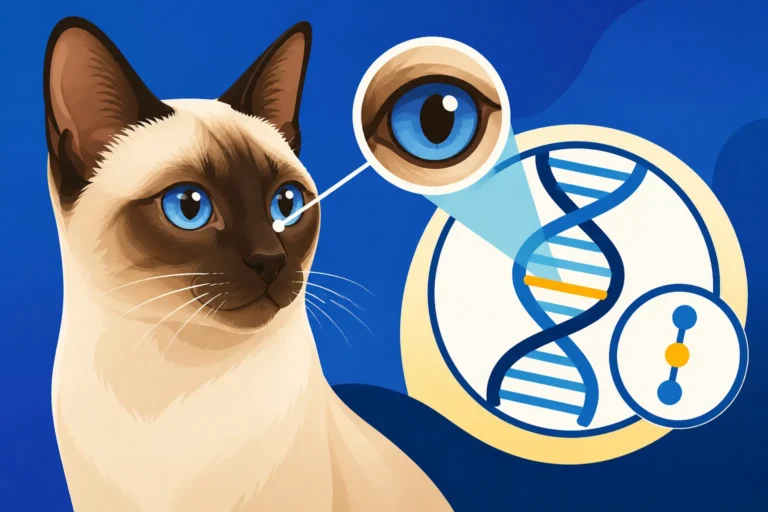
The understanding that Siamese cat amyloidosis is inherited is critical. It's believed to be an autosomal recessive trait, meaning a cat must inherit two copies of the faulty gene (one from each parent) to develop the disease. Cats with only one copy are carriers and won't show symptoms but can pass the gene to their offspring. This makes responsible breeding practices absolutely paramount in trying to reduce the prevalence of this heartbreaking condition. Breeders should be meticulous about tracking family lines, noting any instances of unexplained sudden deaths, liver failure, or kidney disease in related cats. This kind of transparency, while difficult, is essential. For more details on the genetic aspects, consider reading Why Siamese Cat Amyloidosis Is Inherited.
The biggest hurdle for breeders and owners alike is the lack of a specific DNA test for Siamese cat amyloidosis. Despite extensive research, the exact gene mutation responsible for amyloidosis in Siamese cats has not yet been definitively identified. This means there's no simple swab test that can determine if a cat is affected or a carrier. This makes breeding decisions incredibly challenging, as even seemingly healthy cats could be carriers without anyone knowing. It’s a stark reminder of Why There Is No Siamese Cat Amyloidosis Gene Test available, adding another layer of complexity to prevention.
Because of this, potential Siamese cat owners should always ask breeders detailed questions about the health history of their breeding lines, specifically inquiring about any instances of liver disease, kidney failure, or sudden deaths in their cats or their relatives. While not a guarantee, a breeder who tracks this information and is transparent about it demonstrates a commitment to healthy breeding.
Quality of Life and End-of-Life Decisions
Living with a cat diagnosed with amyloidosis means shifting focus from "cure" to "care." The priority becomes maximizing their comfort and happiness for whatever time they have left. This involves vigilant observation and open communication with your veterinarian.
Monitoring your cat's quality of life is perhaps the most important, and often the hardest, part of the journey. What does "quality of life" really mean? It's about your cat's ability to engage in normal cat behaviors: eating, grooming, playing (even if it's less vigorous), interacting with you, and maintaining their dignity. Watch for signs of chronic pain, persistent nausea, extreme lethargy, or an unwillingness to eat even their favorite foods. A cat that hides constantly, stops purring, or can no longer move comfortably may be telling you their quality of life is severely diminished.
| Aspect of Care | Goal of Treatment | Limitations |
|---|---|---|
| Colchicine | Potentially slow amyloid deposition, reduce inflammation | Mixed efficacy, potential GI side effects, not a cure |
| Fluid Therapy | Hydration, flush toxins, support kidney function | Does not stop amyloid buildup, requires consistent administration |
| Renal Diets | Reduce kidney workload, manage toxin levels | Requires strict adherence, not all cats accept prescription food |
| Appetite Stimulants | Encourage eating, maintain nutrition | Addresses symptom, not underlying disease, side effects possible |
| Anti-nausea Meds | Improve comfort, prevent vomiting | Symptomatic relief, does not treat amyloidosis |
| Pain Management | Relieve discomfort from organ issues | Symptomatic relief, does not address cause of pain |
| Blood Transfusion | Stabilize in liver rupture emergency | Temporary, expensive, high risk of re-bleed, often poor prognosis |
Making end-of-life decisions is profoundly painful, but it's a profound act of love. When supportive care is no longer enough to maintain an acceptable quality of life, discussing euthanasia with your vet becomes a necessary, compassionate option. Your vet can help you assess pain levels, discuss prognosis, and guide you through this impossible decision. The emotional toll is immense, but knowing you've done everything you can to prevent suffering offers a measure of peace.
The typical lifespan after an amyloidosis diagnosis can vary wildly depending on which organs are affected and the stage of the disease at diagnosis. Some cats with mild kidney involvement might live for months to a couple of years with diligent management, while a sudden liver rupture can take a cat's life in hours. This variability makes it hard to predict How Long a Siamese Cat Lives After an Amyloidosis Diagnosis, but it’s often a shorter timeline than a cat's usual healthy lifespan.
Ultimately, living with a Siamese cat affected by amyloidosis means providing an environment of comfort, warmth, and unwavering love. Ensure they have easy access to food, water, and litter boxes. Keep them warm, as Siamese cats can be sensitive to cold. Regularly groom them if they are no longer able to groom themselves. Providing this consistent, loving care can make a significant difference in their remaining time, emphasizing their comfort and dignity above all else. This approach extends beyond specific treatments, encompassing the daily routines and affectionate interactions that define our bond with these special cats. Many lessons can be learned from general Caring for a Siamese Cat Past Twelve as they often face similar challenges due to aging. Knowing you're prepared for whatever comes next, perhaps with the financial security of a plan from Healthy Paws, can allow you to focus purely on providing that comfort and love.
Disclaimer
This article is for general informational purposes only and does not constitute professional advice. Laws, prices and regulations vary by location and change over time. Consult a qualified professional for guidance on your specific situation.