Vestibular Disease Signs in a Siamese Cat Kitten
It's truly heartbreaking to see a tiny Siamese kitten struggling, wobbling like a tiny sailor on a stormy sea, or perhaps constantly tilting their head in a way that just doesn't seem quite right. You know instinctively something is off, and the worry can be all-consuming. This guide is here to unravel the mystery of vestibular disease in Siamese kittens, helping you understand the tell-tale signs, what they mean, and how you can best support your wobbly little companion.
Understanding Vestibular Disease in Siamese Kittens
When your adorable Siamese kitten suddenly starts acting disoriented, bumping into things, or just can't seem to hold their head straight, it's natural to feel a pang of fear. Vestibular disease isn't something many new cat owners are familiar with, but it's a condition that affects a cat's balance and orientation, and it can be quite alarming to witness, especially in a young, vulnerable kitten. It's not a single illness, but rather a syndrome, meaning it's a collection of symptoms caused by a disruption to the vestibular system. This system is crucial for helping your cat understand where they are in space, maintaining balance, and coordinating eye movements with head movements.
The Vestibular System and Its Role
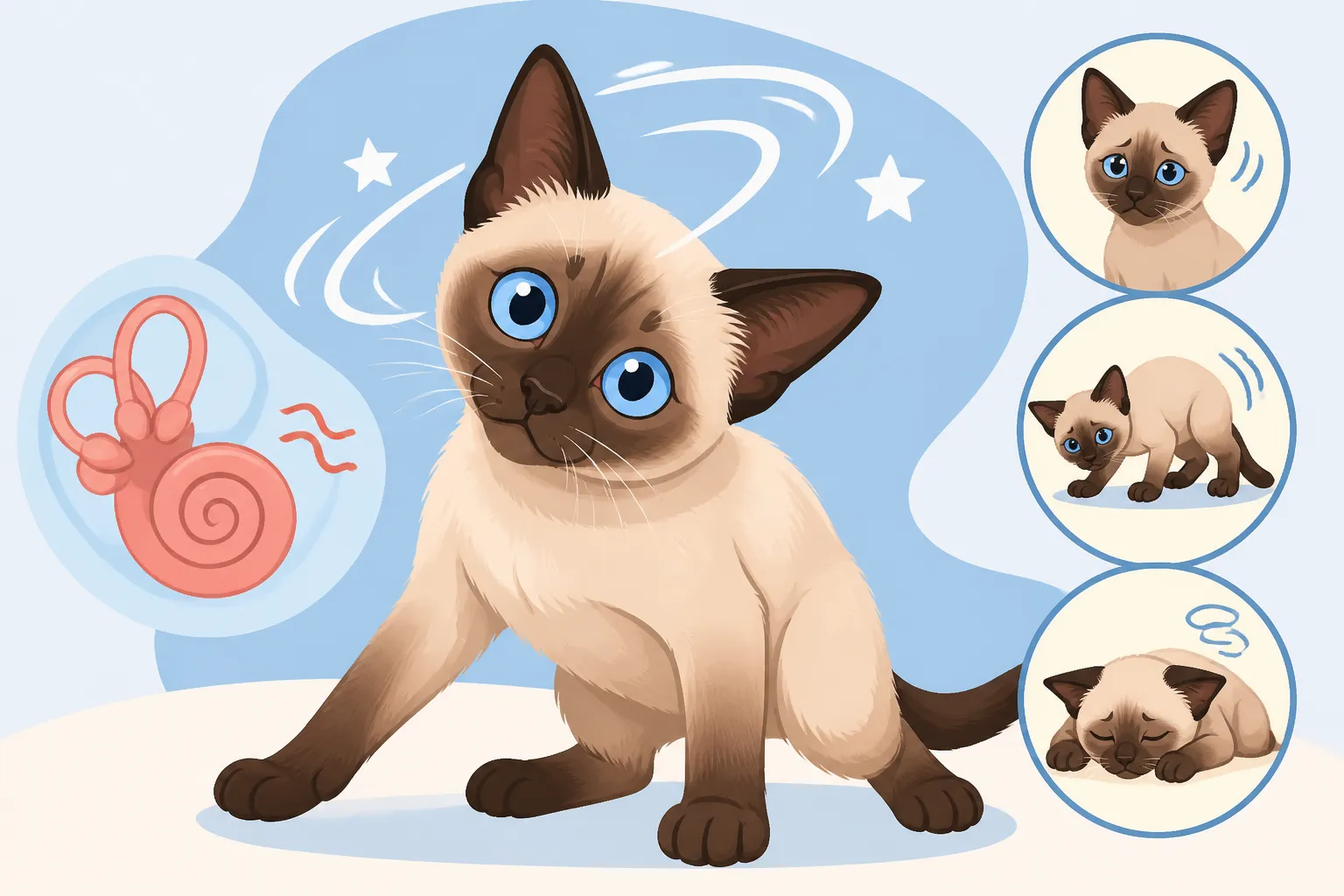
Imagine trying to walk on a tightrope while blindfolded, and you'll get a tiny glimpse into what a cat with vestibular issues might be experiencing. The vestibular system is essentially your cat's internal gyroscope. It's comprised of parts of the inner ear (the peripheral vestibular system) and specific areas of the brain stem and cerebellum (the central vestibular system). The inner ear contains semicircular canals and otolith organs that detect head rotation and linear acceleration, respectively. These sensors send signals directly to the brain via the vestibulocochlear nerve. The brain then processes this information, along with input from their eyes and proprioceptors (sensors in muscles and joints that tell the brain about body position), to maintain balance, posture, and coordinated eye movements. When any part of this intricate system goes awry, the result is often a loss of coordination, dizziness, and disorientation. For a playful, agile Siamese kitten, suddenly losing this fundamental ability is a profound and distressing experience.
Why Kittens Are Particularly Vulnerable
While vestibular disease can affect cats of any age, its manifestation in kittens often points towards specific origins. In adult cats, it might be idiopathic (unknown cause), or secondary to ear infections, trauma, or even certain medications. However, in Siamese kittens, particularly those under six months of age, we often look towards congenital or developmental causes. This means the problem might have been present since birth or developed very early in life as their systems matured. Sometimes, it's a genetic predisposition or a developmental anomaly in the inner ear structures or the nerves connecting them to the brain. This early onset can be especially challenging because kittens are still learning to navigate their world, and suddenly facing such a profound disability can impact their development, feeding habits, and even their ability to socialize and play normally. It's a tough start for a tiny creature, and as an owner, you feel that helplessness keenly. Sometimes, these issues can be connected to other congenital defects in a Siamese cat kitten, emphasizing the importance of a thorough veterinary examination.
Key Signs to Look Out For in Your Siamese Kitten
Recognizing the signs of vestibular disease early can make a huge difference in managing the condition and ensuring your kitten receives appropriate care. It's not always as dramatic as a full-blown tumble, and sometimes the signs can be subtle, especially in an otherwise active and curious Siamese. However, once you know what to look for, you'll be able to spot these indicators and seek veterinary help without delay.
Head Tilts and Loss of Balance
One of the most classic and noticeable signs of vestibular disease in a Siamese kitten is a persistent head tilt. This isn't just a cute, curious lean; it's a fixed tilt where the kitten's head consistently slants to one side. The severity can vary, from a slight, almost imperceptible tilt to a dramatic, unmistakable angle. This tilt is the kitten's attempt to compensate for the sensation of constantly falling or being off-balance. They are trying to reorient themselves because their brain is receiving conflicting signals about their head's position. Imagine living in a world where the floor is always sloped, and you constantly feel like you're leaning – that's what your kitten might be experiencing.
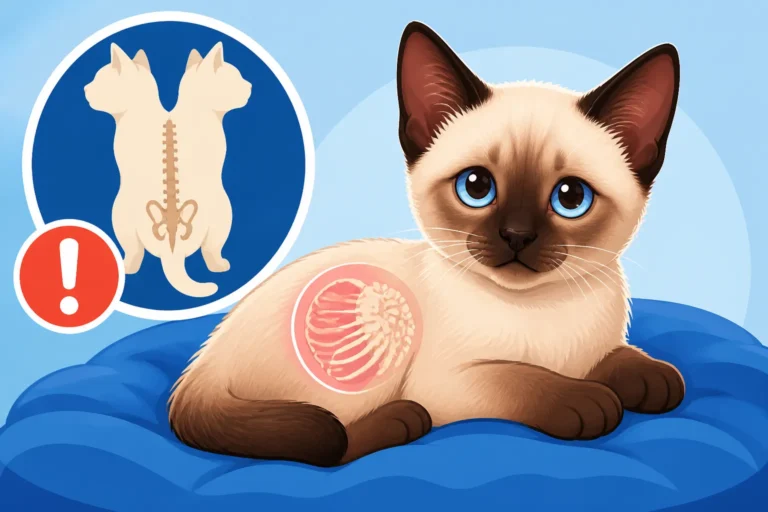
Accompanying the head tilt, or sometimes even without it, is a clear loss of balance or ataxia. This manifests as a wobbly gait, often described as drunken or uncoordinated. Your kitten might stumble, veer off to one side when walking, or even fall over completely. They might struggle to jump onto furniture or even climb out of their litter box. When they try to move quickly, the symptoms often become much more pronounced. You might notice them circling relentlessly in one direction, seemingly unable to walk in a straight line. This disorientation can make simple tasks like eating, drinking, or even playing incredibly difficult and frustrating for them, and it’s heart-wrenching to witness.
Nystagmus and Disorientation
Beyond the physical wobbles, vestibular disease often affects a kitten's eyes in a very specific way: nystagmus. This refers to involuntary, rhythmic eye movements. You might see their eyes rapidly darting back and forth (horizontal nystagmus), up and down (vertical nystagmus), or even rotating (rotary nystagmus). This movement can be constant or only occur when their head is in a certain position. What Nystagmus Looks Like in a Siamese Cat can be quite distinct; it's not just a casual flick of the eye but a sustained, rapid oscillation. These eye movements are a direct result of the vestibular system's malfunction, as it tries to synchronize eye and head movements for stable vision. When the system is confused, the eyes respond erratically.
The nystagmus and overall sensation of imbalance contribute heavily to a general state of disorientation. Your kitten might appear confused, anxious, or distressed. They might stare blankly, seem startled by their own movements, or vocalize more than usual. This constant feeling of motion sickness and confusion can make them extremely unsettled. They may find it hard to track moving objects, even toys, because their visual world is constantly shifting and blurring. This makes their world a very confusing and unstable place, impacting their ability to explore and learn about their environment, which is so crucial for a young kitten.
Vomiting, Anorexia, and Distress
Just like humans, cats can experience motion sickness when their sense of balance is disturbed. The vestibular system is closely linked to the brain's vomiting center, so when it's malfunctioning, it can trigger nausea and lead to vomiting. If your Siamese kitten is displaying the signs of head tilt and incoordination, and also starts throwing up their food, it's a strong indicator that they are feeling incredibly unwell.
This nausea, combined with general disorientation and anxiety, often leads to a decrease in appetite, or anorexia. A kitten who feels constantly dizzy and sick isn't going to be enthusiastic about eating, even their favorite wet food. This can be particularly dangerous for kittens, as they have fewer energy reserves and can quickly become dehydrated or malnourished. Prolonged anorexia can quickly lead to more serious health complications. The distress caused by constant imbalance and nausea can also make them lethargic, withdrawn, and reluctant to engage in play or seek interaction, further emphasizing that something serious is amiss. If you notice these Signs a Siamese Cat Is Unwell, coupled with balance issues, it’s imperative to seek veterinary attention promptly.
Differentiating Vestibular Disease from Other Conditions
It's crucial to remember that while the signs of vestibular disease are quite specific, other conditions can sometimes mimic these symptoms. As a responsible cat parent, your first step should always be to consult your veterinarian for an accurate diagnosis. They will be able to perform the necessary examinations and tests to pinpoint the exact cause of your kitten's symptoms. This differentiation is vital because the treatment and prognosis can vary significantly depending on the underlying problem.
Ruling Out Inner Ear Infections or Trauma
One of the most common differential diagnoses for vestibular signs, especially in younger cats, is an inner ear infection (otitis interna) or severe middle ear infection (otitis media). Infections, whether bacterial, fungal, or parasitic, can inflame and damage the delicate structures of the inner ear, directly disrupting the vestibular system. These infections often come with other symptoms like ear pain, discharge, or excessive scratching at the ear, but sometimes the vestibular signs are the most prominent. Your vet will likely perform an otoscopic examination to look deep into the ear canal and may take swabs for culture.
Trauma to the head or ear can also cause similar symptoms. A kitten might have fallen, been stepped on, or had another accident that resulted in damage to the inner ear or the nerve pathways. While less common in very young kittens, if they've had any recent tumbles or rough play, trauma should be considered. These causes are typically treated with antibiotics, anti-inflammatories, or in severe cases, surgery, and often have a good prognosis for recovery. It's also worth noting that sometimes issues like Why a Siamese Cat's Eyes Cross can be present from birth, and while not directly related to vestibular disease, they indicate congenital quirks that are important for your vet to be aware of.
When to Suspect More Serious Neurological Issues
While vestibular disease itself can be serious, sometimes the symptoms point to more central neurological problems affecting the brain stem or cerebellum. These are often more grave and require a different diagnostic and treatment approach. Conditions like encephalitis (brain inflammation), brain tumors (though rare in kittens), strokes (also rare), or certain metabolic disorders can all manifest with similar signs of disorientation, ataxia, and nystagmus. Hydrocephalus, an accumulation of cerebrospinal fluid in the brain, can also sometimes present with these kinds of symptoms in very young animals.
If the nystagmus is vertical or constantly changing direction, or if there are other neurological signs like seizures, severe weakness in limbs, changes in mental status (e.g., extreme lethargy or unresponsiveness), or widespread body tremors, your vet might suspect a central nervous system issue. Diagnosing these conditions often requires more advanced diagnostics, such as an MRI or CT scan of the brain, and possibly cerebrospinal fluid analysis. These tests can be costly, and it’s at times like these that having a good pet insurance plan from a provider like Healthy Paws can truly alleviate the financial burden, allowing you to focus on your kitten's care rather than the bill. The prognosis for central vestibular disease depends entirely on the underlying cause and its treatability, often being more guarded than peripheral causes.
Managing and Supporting a Siamese Kitten with Vestibular Disease
Once your veterinarian has diagnosed vestibular disease, your focus shifts to providing the best possible care for your kitten. Whether it's a temporary bout that resolves on its own (idiopathic vestibular disease often does, especially in kittens) or a more long-term issue, supportive care is paramount. Your role as a dedicated Siamese cat owner becomes even more critical during this challenging time.
Creating a Safe and Comfortable Environment
Living with constant dizziness and disorientation is incredibly stressful for a kitten, so making their environment as safe and predictable as possible is vital. Think about their world from their perspective.
Firstly, restrict their access to high places. A wobbly kitten cannot safely navigate cat trees or furniture. Keep them on ground level, perhaps in a designated, easily supervised area. Soft bedding and low-sided litter boxes will make it easier for them to get in and out without stumbling. If their favorite spot is a high window perch, consider moving it to a lower, safer location.
Secondly, ensure their food and water bowls are easily accessible and stable. They might struggle to lean down without losing balance, so slightly elevated bowls can be helpful. Keep everything in the same spot so they can learn the layout even with compromised balance. Consistency is key. A kitten with Vestibular Disease Signs in a Siamese Cat Kitten might also benefit from non-slip mats or rugs on slick floors to give them better traction and prevent accidental falls. Avoid sudden changes in lighting or loud noises, as these can exacerbate their disorientation. A quiet, calm environment will help reduce their stress and allow them to focus on stabilizing themselves. This also ties into how a blind Siamese cat manages – creating a consistent, sensory-friendly environment is helpful for any cat with compromised senses or balance.
Veterinary Diagnosis and Treatment Options
When you first bring your kitten to the vet with signs of vestibular disease, they'll perform a thorough physical and neurological examination. This includes observing their gait, checking for a head tilt and nystagmus, and assessing their reflexes and cranial nerves. They'll also check their ears for any signs of infection or inflammation. Based on these findings, they might recommend further diagnostics. This could involve blood tests to rule out systemic illness, X-rays of the skull to check for middle ear disease or trauma, or in more complex cases, specialized imaging like CT scans or MRIs to look for central nervous system lesions. These advanced diagnostics, while sometimes expensive, are crucial for an accurate diagnosis and appropriate treatment plan. Pet insurance, like that offered by Healthy Paws, can be a lifesaver here, covering a significant portion of these diagnostic costs.
Treatment for vestibular disease depends entirely on the underlying cause. If an ear infection is diagnosed, antibiotics, antifungals, or antiparasitics will be prescribed. Anti-inflammatory medications might be used to reduce swelling and discomfort. For kittens experiencing severe nausea and vomiting, anti-emetic medications can provide immense relief, allowing them to eat and drink more comfortably. In cases of idiopathic vestibular disease, which often resolves on its own within a few weeks to months, the treatment is primarily supportive, focusing on managing symptoms and providing a safe environment. You might be wondering Whether a Siamese Cat Kitten Outgrows Vestibular Disease; often, with proper supportive care, many do make a full or significant recovery, though some might retain a slight head tilt. Regular follow-up appointments with your vet will be important to monitor their progress and adjust treatment as needed.
Understanding the Long-Term Outlook for Your Kitten
It's natural to worry about your kitten's future when they're diagnosed with something as concerning as vestibular disease. While the initial presentation can be alarming, the good news is that for many Siamese kittens, the prognosis can be quite positive, especially when the cause is identified and treated promptly.
Recovery and Potential Lingering Effects
For cases of idiopathic vestibular disease, often referred to as "old cat vestibular disease" but occasionally seen in kittens, recovery can be surprisingly good. Most kittens will show significant improvement within a few days to weeks, with many making a full recovery. Some, however, might retain a slight, permanent head tilt, which typically doesn't bother them once they've adapted. It simply becomes a charming quirk rather than a debilitating symptom. Similarly, if the cause was a treatable ear infection, once the infection clears, the symptoms usually resolve completely.
However, if the vestibular disease is a symptom of a more serious, chronic, or untreatable central neurological issue, the long-term outlook can be more guarded. In these situations, management often focuses on quality of life, palliative care, and adapting to their limitations. Your vet will guide you through this, discussing all available options and what to expect. Throughout this journey, the emotional support you provide, along with consistent care, makes all the difference in helping your Siamese kitten thrive, regardless of their challenges.
Adapting to Life with a Special Needs Siamese
Even if your Siamese kitten doesn't make a complete recovery and retains some residual head tilt or mild unsteadiness, they can still live a full and happy life with a few adaptations. Cats are incredibly resilient and adapt remarkably well to physical challenges. You might need to continue providing a modified environment, ensuring easy access to resources and preventing dangerous falls. Regular vet check-ups will be essential to monitor their overall health and address any secondary issues that might arise. This is where a comprehensive wellness plan, combined with good insurance from providers like Healthy Paws, helps cover ongoing care and potential future needs, which can include everything from routine check-ups, which might involve What a Siamese Cat's Yearly Bloodwork Should Cover, to managing chronic conditions.
Patience, understanding, and a whole lot of love are your most powerful tools. Your kitten might be a bit clumsier than others, but their spirit and unique Siamese personality will shine through. With time, they learn to compensate for their balance issues, often becoming quite adept at navigating their familiar surroundings. Watching your little fighter overcome these hurdles can be incredibly rewarding, solidifying the special bond you share.
Disclaimer
Please remember that this article provides general information and is not a substitute for professional veterinary advice. If your Siamese kitten is showing any signs of illness or distress, please consult with a qualified veterinarian immediately for accurate diagnosis and treatment.