The Fifteen to Twenty Years a Siamese Cat Gets
It's heartbreaking to consider that our beloved feline companions won't be with us forever, and for many Siamese cat owners, the question of how long they'll grace our lives is a constant, quiet concern. These vocal, affectionate, and utterly captivating creatures carve out such a huge space in our hearts that the thought of their eventual absence can be truly distressing. This comprehensive guide is here to shed light on the typical lifespan of a Siamese cat, delve into the crucial factors that can influence their longevity, and equip you with the knowledge to help your cherished Meezer live the longest, healthiest, and happiest life possible.
Understanding the Siamese Lifespan
When you bring a Siamese cat into your home, you're not just getting a pet; you're inviting a vibrant, opinionated personality that thrives on interaction and connection. Knowing their potential lifespan helps us plan for their long-term care, anticipate changes as they age, and appreciate every single moment we have with them. It’s important to remember that while averages give us a good benchmark, every cat is an individual with their own unique journey.
Average vs. Exceptional Lifespans
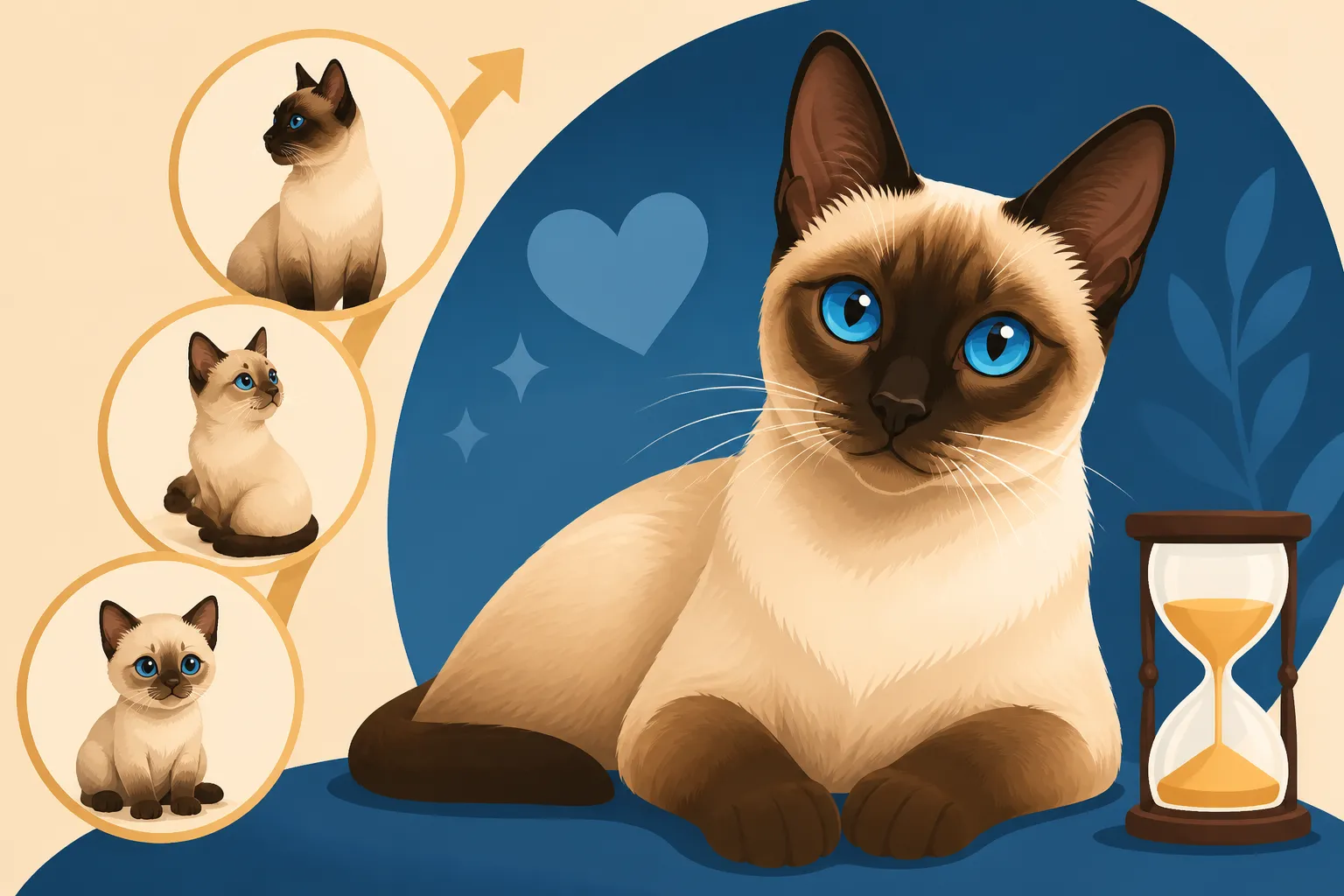
Generally speaking, a well-cared-for Siamese cat can live a good, long life, often ranging from 15 to 20 years. This puts them on the longer end of the spectrum for domestic cats, which is fantastic news for anyone devoted to these intelligent felines. It's not uncommon to hear stories of Siamese cats who have surpassed the two-decade mark, reaching an impressive 22 or even 25 years with dedicated care and a bit of luck. These exceptional cases often highlight a combination of excellent genetics, consistent veterinary attention, and a loving, stable home environment that minimizes stress.
However, just because they can live this long doesn't mean every Siamese will. There are many variables at play, and it’s natural to feel a pang of worry when you hear about cats who live shorter lives. The key is to focus on what you can control, rather than dwelling on the uncertainties. Factors like genetics, diet, environment, and the quality of their veterinary care all contribute significantly to where your individual cat will fall within this range. Understanding these influences is the first step toward maximizing their chances of a truly exceptional lifespan.
Factors Influencing Longevity
Several intertwined factors play a monumental role in determining how long your Siamese cat will stay by your side. It’s a complex interplay, much like with humans, where genetics might set a predisposition, but lifestyle choices heavily influence the outcome. Things like whether they’re strictly indoor cats versus outdoor adventurers, their diet, how much mental and physical exercise they get, and even the emotional security they feel in their home all contribute.
For instance, an indoor-only Siamese is generally shielded from many external dangers that significantly reduce the lifespan of outdoor cats, such as traffic accidents, fights with other animals, exposure to diseases, or consuming toxins. Beyond safety, a consistent routine, high-quality nutrition, and regular engagement from their human family are crucial. We'll delve deeper into each of these points, but the overarching theme is that a proactive, informed approach to their care can truly make a difference in extending their precious years.
Here's a quick overview of some critical factors influencing a Siamese cat's lifespan:
| Factor | Impact on Lifespan |
|---|---|
| Genetics | Predisposition to inherited diseases or robust health |
| Diet | Nutritional support, weight management |
| Environment | Safety, stress levels, indoor vs. outdoor |
| Veterinary Care | Preventative care, early disease detection |
| Mental Health | Enrichment, social interaction, low stress |
| Exercise | Healthy weight, muscle tone, joint health |
Genetic Predispositions and Health
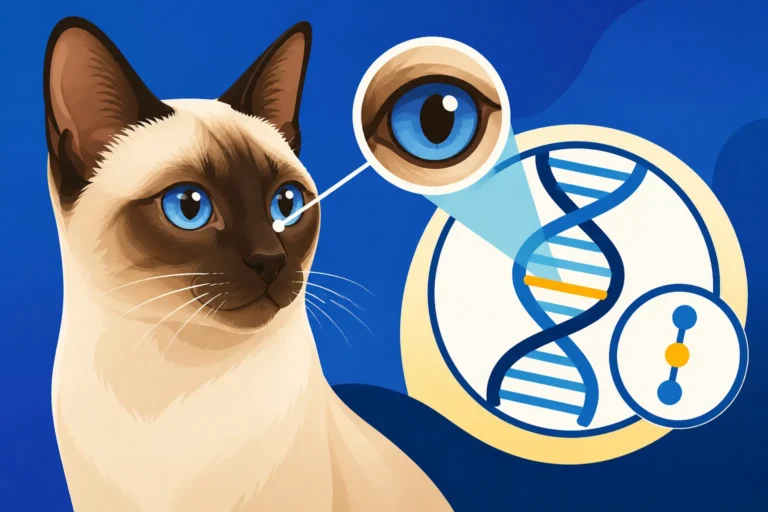
One of the most concerning aspects for any purebred cat owner is the potential for inherited health issues. Siamese cats, like many distinct breeds, can have certain genetic predispositions that, while not affecting every individual, are important to be aware of. Understanding these can help you choose a responsible breeder and be vigilant for early signs of trouble with your own cat. It's a heavy topic, but knowledge is power when it comes to advocating for our pets' health.
Common Inherited Conditions
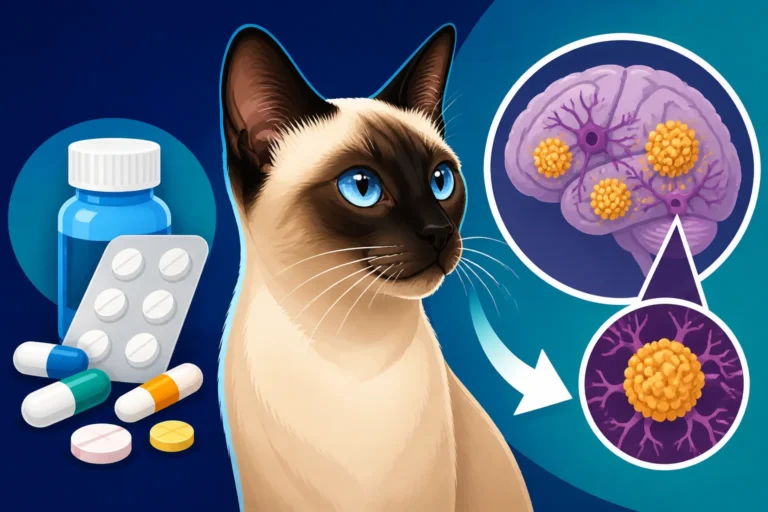
Siamese cats are, sadly, known for a few genetic conditions that can impact their health and potentially shorten their lives. One of the most talked-about, and often heartbreaking, is Amyloidosis. This disease involves the abnormal deposit of amyloid protein in various organs, most commonly the liver in Siamese cats. When it affects the liver, it can lead to organ dysfunction and, tragically, liver rupture, which is often fatal and happens with very little warning. It’s a silent threat, and Amyloidosis Is the Disease That Kills Young Siamese Cats is a somber but important read for any Siamese owner.
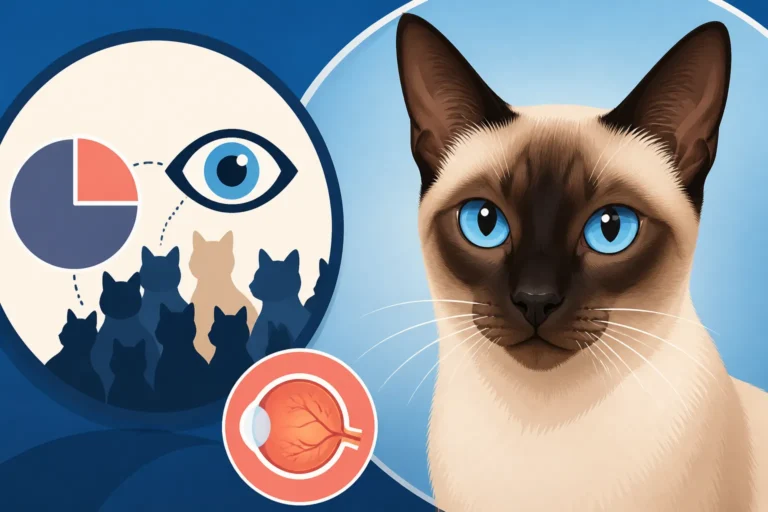
Another condition to be aware of is Progressive Retinal Atrophy (PRA), which causes gradual degeneration of the retina, eventually leading to blindness. While often not life-threatening itself, it drastically changes a cat's quality of life. Other concerns can include certain types of cancer, like mediastinal lymphoma, which, while less common, can be aggressive. Being informed about these possibilities, while not panicking, helps you stay alert for any unusual symptoms and discuss specific concerns with your veterinarian. Knowing the potential pitfalls allows for a more proactive approach to health management.
Impact of Responsible Breeding
The single biggest step you can take to mitigate the risk of inherited diseases is to choose a responsible breeder. A good breeder prioritizes the health and longevity of their lines above all else, and they're transparent about the health history of their breeding cats and their offspring. They won't just tell you what you want to hear; they'll provide actual documentation and be happy to answer detailed questions about their cats' pedigrees, health screenings, and any known issues in their lines.
Responsible breeders will screen for conditions where tests are available, such as PRA. However, it's crucial to understand that There Is No DNA Test for Siamese Cat Amyloidosis, making selection even more challenging but highlighting the importance of family history. They should also track the health and causes of death in their past litters and older breeding cats, trying to avoid breeding from lines where devastating genetic diseases like amyloidosis have appeared frequently. This due diligence on the breeder's part significantly increases the chances of acquiring a kitten with a stronger genetic foundation, setting them up for a healthier start and potentially a much longer life free from preventable hereditary suffering.
Nutritional Pillars for a Long Life
Just like for us, what a Siamese cat eats forms the very foundation of their health. These lean, athletic cats have specific dietary needs that, when met consistently, can support robust health, maintain their ideal body condition, and contribute significantly to their longevity. Skimping on diet is a false economy; investing in quality food is investing in their future health.
The Right Diet for a Lean Build
Siamese cats are famously sleek and muscular, often appearing quite slender even when perfectly healthy. This lean build means they have a high metabolism and require a diet rich in high-quality animal protein to maintain their muscle mass and energy levels. It’s a common misconception that all cat foods are created equal; in reality, there’s a vast difference. Look for foods where animal protein sources (like chicken, turkey, or fish) are listed as the first few ingredients, not fillers like corn or soy.
Wet food is often recommended for Siamese cats, and indeed for most felines, because it provides essential moisture. Cats naturally get a lot of their hydration from their food, and a diet primarily of dry kibble can leave them chronically mildly dehydrated, potentially contributing to kidney issues later in life. Brands like Hill's Science Diet, Royal Canin, and Purina Pro Plan offer veterinary-formulated options that can cater to specific life stages or health needs, but always check the ingredient list for that high-protein, low-filler content. Remember, a diet optimized for their carnivorous nature and high energy needs will fuel them for years to come.
Weight Management and Hydration
Maintaining an ideal weight is paramount for a Siamese cat's long-term health. Despite their high metabolism, it is possible for them to become overweight, especially as they age and their activity levels naturally decline. Obesity in cats, as in humans, leads to a host of health problems, including diabetes, joint issues, and a reduced lifespan. Regular monitoring of their weight, along with appropriate portion control, is essential. Consult your vet to determine your cat's ideal weight and calorie intake, especially if you suspect they're carrying a few extra pounds.
Hydration goes hand-in-hand with nutrition. As mentioned, wet food helps, but also ensure your Siamese has constant access to fresh, clean water. Many cats are finicky about still water and prefer moving water, so a feline water fountain can be a fantastic investment. Observe their drinking habits; if you notice your Siamese drinking significantly more or less than usual, it could be a sign of an underlying health issue, such as Kidney Disease in an Older Siamese Cat or even diabetes. Good hydration supports kidney function, urinary tract health, and overall well-being, all critical for extending their vibrant years.
Environmental Enrichment and Mental Health
Siamese cats are not just beautiful; they are incredibly intelligent, social, and sensitive creatures. Their mental and emotional well-being is just as crucial as their physical health when it comes to living a long, happy life. A bored or stressed Siamese can develop behavioral issues and even physical ailments, so providing a stimulating and secure environment is non-negotiable.
The Importance of Stimulation and Interaction
These are not the kind of cats content to simply lie around all day. Siamese cats crave interaction and mental stimulation. They thrive on play, conversation, and being an integral part of their human family's activities. Without sufficient engagement, a Siamese can quickly become bored, leading to destructive behaviors, excessive vocalization, or even stress-related health problems like Psychogenic Alopecia in a Siamese Cat, where they lick themselves bald.
Daily play sessions, using interactive toys like feather wands or laser pointers (used responsibly, always ending with a tangible catch to prevent frustration), are vital. Puzzle feeders are excellent for challenging their minds and slowing down their eating. Provide vertical space in your home with cat trees or wall-mounted shelves, allowing them to survey their domain from on high. Consider rotating toys to keep things fresh and exciting. A mentally engaged Siamese is a happy Siamese, and a happy Siamese is more likely to be a healthy Siamese, ready to share their long life with you.
Minimizing Stress and Anxiety
Siamese cats are notoriously sensitive to changes in their environment and routine. They are creatures of habit and can become anxious or stressed by disruptions, loud noises, or new situations. Chronic stress can suppress their immune system, making them more susceptible to illness and potentially shortening their lifespan. It's crucial for owners to recognize and address potential stressors in their home.
Sudden changes in household dynamics, like a new pet or a baby, moving to a new house, or even changes in your work schedule, can be incredibly unsettling for a Siamese. Take steps to introduce changes gradually and provide them with safe, quiet spaces where they can retreat and feel secure. Feliway diffusers, which release calming pheromones, can be helpful in reducing anxiety. Remember that A Siamese Cat Should Not Live Alone is often true, as their strong social needs mean a companion can prevent loneliness and separation anxiety, but new introductions must be handled carefully. Consistent routines, a predictable environment, and ample affection all contribute to a feeling of security that profoundly impacts their mental and physical health.
Veterinary Care Throughout Their Lives
Consistent, high-quality veterinary care is one of the most significant investments you can make in your Siamese cat's longevity. From kittenhood through their golden years, a good relationship with your vet is invaluable for preventing disease, catching problems early, and managing chronic conditions. Don't view vet visits as just for emergencies; they're vital for proactive health management.
Regular Check-ups and Preventative Measures
Annual (or semi-annual for seniors) wellness exams are non-negotiable. Even if your Siamese seems perfectly healthy, these check-ups allow your vet to perform a thorough physical examination, looking for subtle changes that you might not notice at home. They'll check their teeth, listen to their heart and lungs, palpate their abdomen, and assess their overall body condition. These routine visits also ensure your cat is up-to-date on essential vaccinations and parasite prevention.
These visits are also the perfect opportunity to discuss any concerns you might have, from changes in behavior to slight shifts in appetite or litter box habits. Early detection of issues like Dental Disease in a Siamese Cat can prevent more serious problems down the line, as untreated dental infections can affect vital organs. A preventative approach, guided by your veterinarian, is key to staying ahead of potential health challenges and ensuring your Siamese cat remains robust for as many years as possible. Pet insurance providers like Healthy Paws often emphasize the importance of preventative care as it leads to better long-term health outcomes.
Early Detection of Age-Related Issues
As your Siamese cat transitions into their senior years, which typically begins around 10-12 years of age, the importance of veterinary care intensifies. The Age a Siamese Cat Is Considered Senior is a good benchmark, but individual aging can vary. Older cats are more susceptible to age-related conditions such as kidney disease, hyperthyroidism, arthritis, and certain cancers. Regular bloodwork and urinalysis, often recommended annually for seniors, can detect these issues in their earliest stages, sometimes even before clinical signs become apparent.
For instance, blood tests can reveal subtle changes in kidney function long before your cat starts showing obvious symptoms like increased thirst or weight loss. Early diagnosis of kidney disease, for example, allows for dietary changes and medical management that can slow its progression and significantly improve your cat's quality of life for an extended period. Similarly, regular thyroid screenings can catch hyperthyroidism, a common ailment in older cats, which is highly treatable but can cause serious complications if left unmanaged. Having a reliable pet insurance plan, such as those offered by Healthy Paws, can provide immense peace of mind when these age-related health issues begin to arise, helping to cover the costs of diagnostics and ongoing treatments.
Caring for a Senior Siamese
Watching your vibrant, playful Siamese slowly transition into their senior years can be bittersweet. While they may slow down, they still have so much love to give and deserve the best possible care to ensure their comfort and dignity. Adapting their care routine and environment to meet their changing needs is a beautiful way to honor their long companionship. Caring for a Siamese Cat Past Twelve requires attention to detail and a proactive approach.
Recognizing Signs of Aging
Aging in Siamese cats, like in humans, isn't always a linear process, but there are common signs to watch for. You might notice a decrease in their energy levels; they might sleep more, play less intensely, or simply move more slowly. Their coat might become a bit coarser or duller, and they may not groom themselves as meticulously as they once did. Other signs can include weight loss, even with a good appetite, which could indicate conditions like hyperthyroidism or kidney disease.
Behavioral changes are also common. An older Siamese might become more vocal, perhaps due to declining hearing or even early signs of cognitive dysfunction. They might seek more warmth, as their ability to regulate body temperature can diminish. Pay close attention to their litter box habits and appetite. Any significant changes warrant a vet visit, as these could signal underlying health problems that, if caught early, can often be managed effectively to maintain their quality of life. Understanding What Changes in a Siamese Cat After Twelve is vital for responsive care.
Adapting Their Environment and Routine
As your Siamese ages, small adjustments to their living space can make a world of difference. Arthritis and joint stiffness are common, making it harder for them to jump to their favorite high perches or get into a litter box with high sides. Provide ramps or steps to help them access furniture they still enjoy, and consider a lower-sided litter box for easier entry and exit. Heated beds can provide immense comfort for aching joints and help them regulate their body temperature, which often becomes more difficult as they age.
Their routine might also need gentle adjustments. While Siamese cats thrive on routine, an older cat might benefit from more frequent, shorter play sessions rather than one long, strenuous one. Ensure their food and water bowls are easily accessible and perhaps raised slightly to prevent neck strain. Continue with gentle grooming, as they might struggle to reach all areas themselves, which can also be a lovely bonding experience. The goal is to make their world as comfortable, safe, and stress-free as possible, allowing them to enjoy their golden years surrounded by love.
Addressing Common Health Concerns in Older Siamese
While preventative care is vital throughout their lives, certain health issues become more prevalent as Siamese cats age. Being prepared for these common conditions and understanding their management is crucial for providing the best care for your senior companion. Many of these issues, while serious, can be managed effectively with veterinary intervention.
Kidney and Thyroid Issues
Kidney disease is one of the most common ailments in older cats, including Siamese. It's a progressive condition where the kidneys gradually lose their ability to filter waste products from the blood. Signs can be subtle at first, often including increased thirst and urination, weight loss, and a dull coat. Regular blood and urine tests are essential for early diagnosis. Once diagnosed, management often involves a prescription kidney diet, which is typically lower in protein and phosphorus, along with medications to manage symptoms and support kidney function. This proactive management can significantly slow the progression of the disease and improve your cat's comfort. You may also want to read How Amyloidosis Damages a Siamese Cat's Kidneys for a deeper understanding of kidney involvement in a specific breed-related disease.
Hyperthyroidism, an overproduction of thyroid hormones, is another very common endocrine disorder in older cats. Symptoms often include significant weight loss despite a ravenous appetite, increased thirst and urination, hyperactivity, and sometimes vomiting or diarrhea. Luckily, hyperthyroidism is highly treatable. Options include medication to suppress hormone production, radioactive iodine therapy (which is often curative), surgery, or a prescription diet specifically formulated to restrict iodine intake. Early diagnosis and treatment are critical, as untreated hyperthyroidism can lead to serious heart and kidney problems.
Mobility and Comfort Management
As Siamese cats age, they often develop osteoarthritis, which can lead to pain and stiffness in their joints. This can make everyday activities like jumping, climbing, or even walking painful. You might notice them limping, struggling to get up, or being less willing to engage in activities they once loved. It's important not to dismiss these as "just old age" but to seek veterinary advice, as pain management can significantly improve their quality of life.
Your vet might recommend pain medications, joint supplements containing glucosamine and chondroitin, or even physical therapy and acupuncture. Creating an accessible environment, as discussed earlier, is also part of comfort management. Ensuring they have soft, warm beds, and easy access to food, water, and litter boxes can greatly reduce their discomfort. Consider a pet insurance plan like Healthy Paws for its comprehensive coverage of chronic conditions, which can help alleviate the financial strain of ongoing treatments, allowing you to prioritize your cat's comfort and mobility. Their long years of loyalty deserve the most comfortable senior phase possible.
The Role of Preventative Care in Lifespan
We've touched on bits and pieces of preventative care, but it bears emphasizing just how foundational it is to maximizing the years you have with your Siamese. It’s not just about reacting to illness; it’s about actively working to prevent it or mitigate its impact from the very start. Think of it as building a strong health foundation that will support them throughout their entire life.
Vaccinations and Parasite Control
Starting from kittenhood, a consistent vaccination schedule protects your Siamese from a range of dangerous and often fatal diseases, such as feline distemper, rabies, and feline leukemia (FeLV) if they are at risk of exposure. These diseases can quickly cut a cat's life short, and prevention through vaccination is simple and highly effective. Your vet will tailor a vaccination plan based on your cat's lifestyle and local risks.
Equally important is year-round parasite control. Fleas, ticks, heartworms, and intestinal worms are not just gross; they can cause significant health problems, from skin irritation and anemia to severe organ damage. Many modern preventative treatments are easy to administer and protect against multiple parasites. Discuss with your veterinarian the best options for your Siamese cat, ensuring they are protected against these common threats that can silently undermine their health and shorten their time with you.
Regular Grooming and Hygiene
While Siamese cats have a short, easy-care coat that doesn't typically mat, regular grooming is still an important part of preventative care. A quick brush a few times a week helps remove loose hair, reduces shedding, and gives you an opportunity to perform a quick "health check." You can look for lumps, bumps, skin irritations, or external parasites that might otherwise go unnoticed. It’s also a wonderful bonding experience! Grooming a Siamese Cat Takes Five Minutes a Week and offers a window into their physical condition.
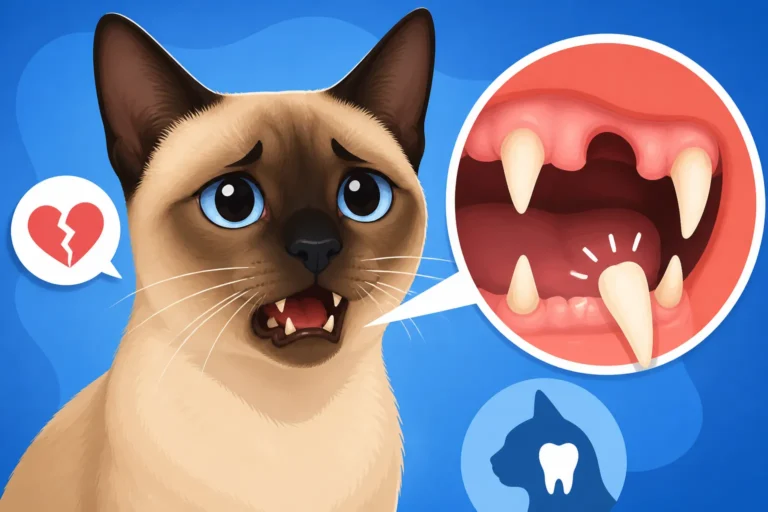
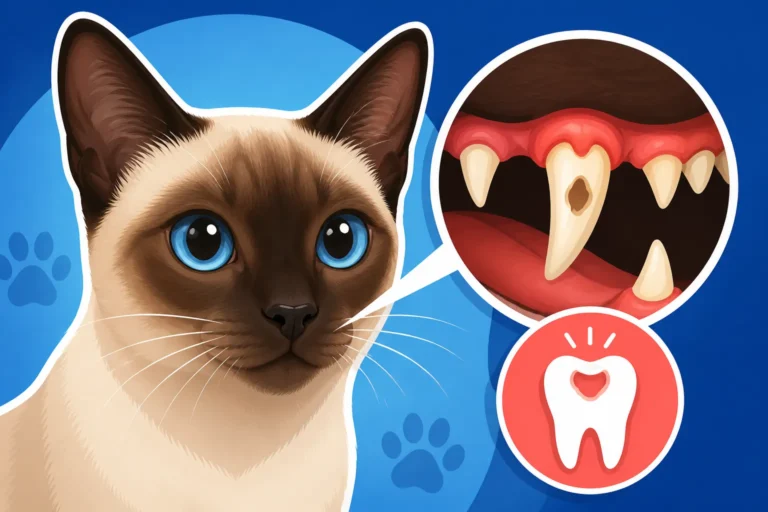
Dental hygiene is another crucial, yet often overlooked, aspect of preventative care. Teeth Are the Care Job a Siamese Cat Owner Cannot Skip. Dental disease is incredibly common in cats, and if left untreated, bacteria from infected gums can spread throughout the body, affecting the heart, kidneys, and liver. Regular tooth brushing, dental treats, and professional dental cleanings under anesthesia (as recommended by your vet) are vital for preventing painful infections and systemic health problems that can significantly impact their lifespan.
Ensuring a Safe and Stimulating Environment
Creating a home that is both safe and enriching is paramount for a Siamese cat's longevity. These inquisitive and active felines thrive when they feel secure and have plenty of opportunities to express their natural behaviors. A well-designed environment reduces stress and physical risks, adding years to their life.
Indoor Living vs. Outdoor Adventures
For a breed like the Siamese, whose temperament leans towards being extremely social and attached to their humans, strict indoor living is generally the safest and most recommended option for maximizing their lifespan. While some owners safely leash train their Siamese cats for supervised outdoor excursions, allowing them free-roam access outdoors significantly increases their risk of serious injury or disease.
Outdoor cats face myriad dangers: traffic accidents are a leading cause of death, fights with other animals can lead to serious wounds and infections, and exposure to contagious diseases like Feline Immunodeficiency Virus (FIV) or FeLV from other cats is a constant threat. They can also ingest poisons, get lost, or be exposed to extreme weather. By keeping your Siamese indoors, you are protecting them from these prevalent risks, allowing them to enjoy their full, natural lifespan in comfort and safety. You can provide outdoor enrichment with a secure "catio" or Whether a Siamese Cat Enjoys a Catio.
Safe Spaces and Enriched Play
Even within the safety of an indoor environment, it’s crucial to create a space that caters to a Siamese cat’s unique needs. They are active climbers and observers, so providing vertical spaces like tall cat trees, shelves, or even cat-friendly wall furniture allows them to survey their territory from a height, which is a natural feline behavior. This reduces boredom and provides an outlet for their athletic prowess.
Beyond climbing, consider their need for mental stimulation. Siamese cats are highly intelligent and can get bored quickly. Rotating their toys, introducing puzzle feeders, and engaging them in regular interactive play sessions are vital. Think about sturdy toys they can chase, bat, and even "hunt," satisfying their predatory instincts. A bored Siamese cat can become destructive or anxious, potentially leading to behavioral issues that impact their overall well-being. By investing time and thought into creating a stimulating home, you're investing in their long-term happiness and health, ensuring they have a fulfilling life journey alongside you.
What Most Siamese Cats Die Of
It's a tough question to ponder, but understanding the common causes of death in Siamese cats can help owners be more vigilant and proactive about their preventative care. While they are generally a healthy breed with a long lifespan, certain conditions are more prevalent, especially as they age. This knowledge is not meant to cause anxiety, but to empower you to work closely with your vet.
Age-Related Degenerative Diseases
As with many breeds, and indeed with humans, the most common causes of death in Siamese cats tend to be age-related degenerative diseases. As they reach their senior and geriatric years, organ systems can simply start to wear out. Kidney disease is a very frequent culprit, slowly progressing over years until the kidneys can no longer adequately filter waste products from the blood. Signs like increased thirst, weight loss, and changes in coat quality are often late indicators. Regular blood work in older cats is crucial for detecting kidney issues early, often allowing for management with prescription diets and medications that can extend and improve their quality of life. What Most Siamese Cats Die Of usually points to organ failure in old age.
Heart disease, particularly hypertrophic cardiomyopathy (HCM), where the heart muscle thickens, can also affect Siamese cats, sometimes leading to heart failure. While some breeds have a higher genetic predisposition, it can occur in any cat. Early detection through regular vet check-ups, listening for heart murmurs, and sometimes specialist cardiac ultrasounds (echocardiograms) can allow for medication to manage the condition and slow its progression. Unfortunately, cancer also becomes a more significant risk as cats age, with various types affecting different organs. Regular examinations can sometimes help detect masses or other signs of cancer early, which can improve the prognosis for treatment.
Unexpected or Acute Health Crises
While age-related diseases are common, some Siamese cats can, unfortunately, succumb to acute health crises, sometimes linked to their genetic predispositions. The most devastating example of this is acute liver rupture due to Amyloidosis. This inherited condition, which is particularly prevalent in Siamese cats, causes amyloid protein to deposit in organs, most commonly the liver. The deposits weaken the liver tissue, making it prone to spontaneous rupture and severe internal bleeding. This event is often sudden, rapidly fatal, and leaves owners with little to no warning. Why a Siamese Cat's Liver Can Rupture Without Warning is a crucial topic for understanding this breed-specific risk.
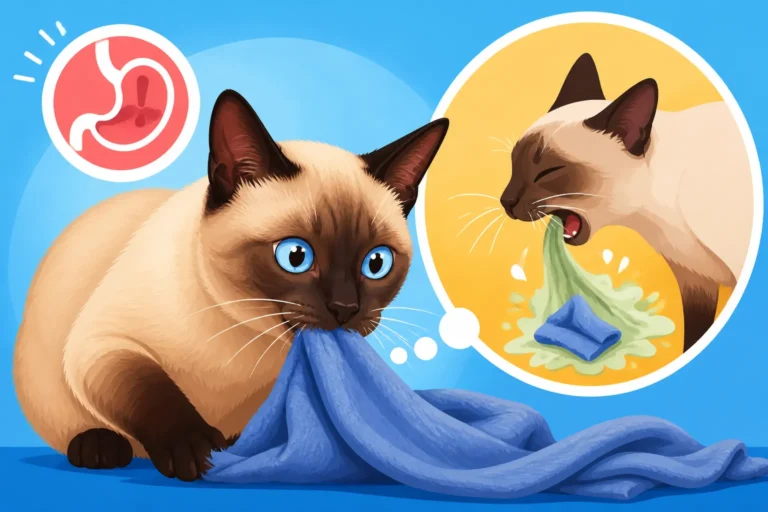
Another acute crisis can arise from untreated dental disease, leading to systemic infections that overwhelm the body, or severe blockages if a wool-sucking Siamese ingests enough fabric to cause an intestinal obstruction. While less common, these acute issues highlight the importance of not only preventative care for age-related conditions but also diligent attention to breed-specific risks and prompt veterinary attention for any sudden, severe symptoms. Understanding these possibilities allows for a more comprehensive approach to health management throughout your Siamese cat's entire life.
Disclaimer
The information provided in this article is for general informational purposes only and does not constitute veterinary advice. Always consult with a qualified veterinarian for any health concerns or before making any decisions related to your pet's health and treatment.