Congenital Heart Defects in a Siamese Cat Kitten
It's absolutely heartbreaking when you bring home a tiny, playful Siamese kitten, full of potential and zest, only to notice something isn't quite right. Maybe they're not keeping up with their siblings, or perhaps there's a subtle cough you can't quite place. This guide will walk you through understanding congenital heart defects in Siamese cat kittens, helping you recognize the signs, navigate diagnosis, and explore treatment options to give your little one the best possible chance.
When Your Siamese Kitten Isn't Thriving: Understanding Congenital Heart Defects
Bringing a new kitten into your home is usually a joyous occasion, filled with tiny purrs and playful antics. But for some Siamese kitten owners, that joy can quickly turn to worry when their little one seems weaker, less energetic, or simply not as robust as they should be. It’s a gut-wrenchwrenching feeling to suspect that something serious might be amiss, especially when it involves their delicate heart. Congenital heart defects are a reality that can affect any breed, but certain genetic predispositions mean that our beloved Siamese can, unfortunately, be among them. It’s not your fault, and it’s not the kitten’s fault; it's simply a roll of the genetic dice that happens during development.
What Exactly Are Congenital Heart Defects?
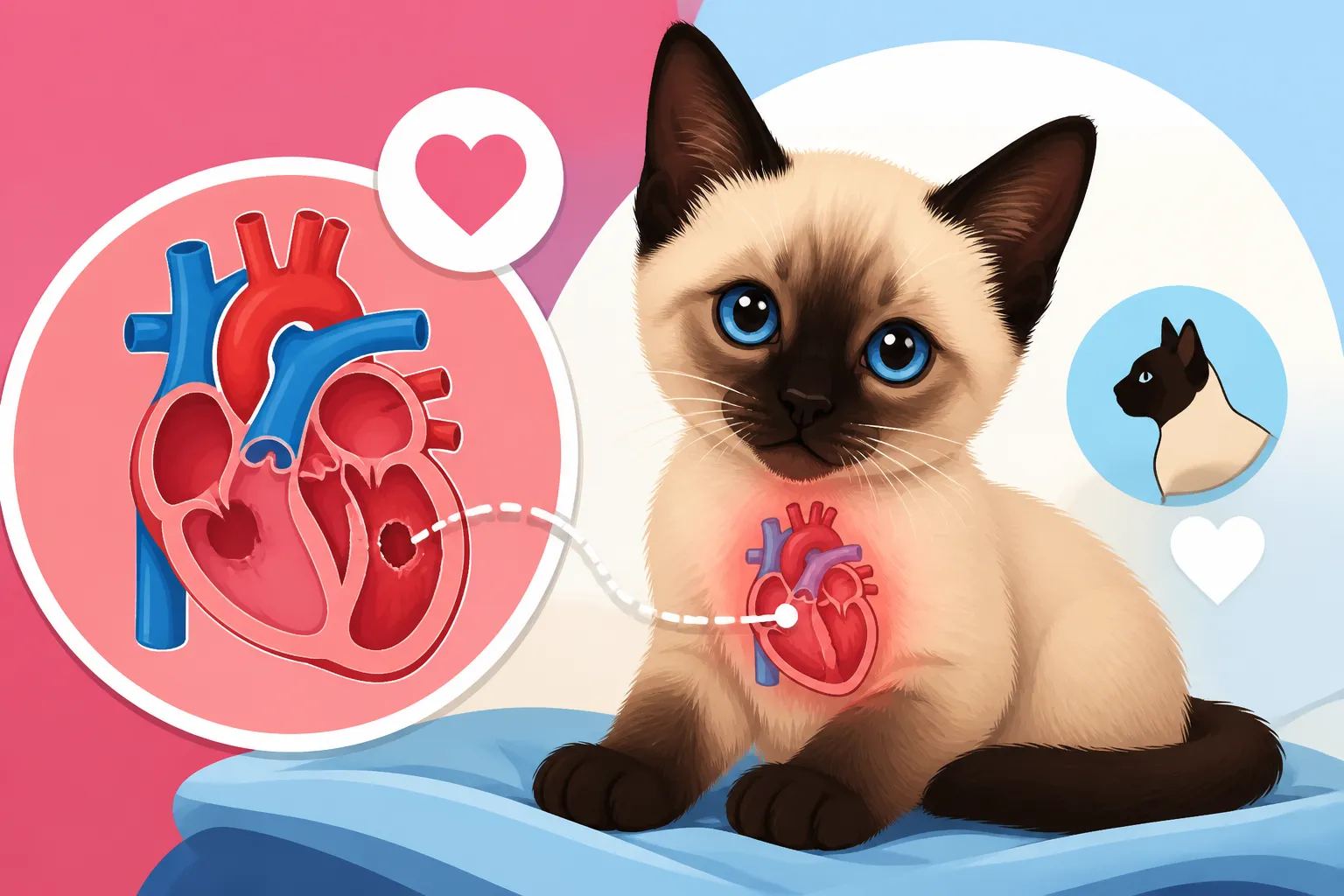
Congenital heart defects (CHDs) are structural abnormalities of the heart or great vessels that are present at birth. Unlike acquired heart disease, which develops later in life due to factors like diet, infection, or age, CHDs are formed during fetal development. Think of it like a blueprint error – the heart's design wasn't quite perfected before your kitten took its first breath. These defects can range from minor issues that cause no noticeable problems to severe malformations that significantly impact a kitten's health and longevity. They can affect the walls separating the heart chambers, the heart valves, or the blood vessels leading to and from the heart, disrupting the normal flow of blood.
The heart is a marvel of engineering, a powerful pump with a complex system of chambers, valves, and blood vessels all working in perfect synchronicity. When even one part of this intricate system is flawed from birth, it can put immense strain on the entire cardiovascular system. This can lead to a cascade of problems, from inefficient blood circulation and oxygen delivery to the body, to fluid buildup, and eventually, heart failure if left unaddressed. It’s a silent struggle that these tiny creatures endure, often without us fully grasping the depth of their challenge. Understanding that these are developmental anomalies, not something you could have prevented post-birth, is crucial for any owner grappling with such a diagnosis.
Why Siamese Kittens Can Be More Susceptible
While specific genes for all congenital heart defects aren't fully mapped out in Siamese cats, anecdotal evidence and veterinary observations suggest a higher incidence of certain cardiac anomalies in the breed compared to the general cat population. It’s a concern that dedicated breeders try to mitigate, but sometimes, despite their best efforts and the most rigorous health screening a Siamese cat breeder can run, these issues can still emerge. This susceptibility points towards a genetic component, much like how certain breeds are predisposed to conditions like hip dysplasia in dogs or specific eye conditions in other cat breeds.
One of the more commonly discussed congenital heart defects in Siamese and related breeds is Patent Ductus Arteriosus (PDA), a condition where a fetal blood vessel fails to close properly after birth. While not exclusive to Siamese, their propensity for certain inherited traits might unfortunately extend to cardiac development. This isn't to say every Siamese kitten will have a heart defect, not by a long shot, but it does mean that if you own one, or are considering adding one to your family, being aware of these possibilities and knowing what to look for is an essential part of responsible pet ownership. It's a reminder that even purebred cats, with their often magnificent lineages, come with their own unique set of health considerations, and it’s important to research how healthy the Siamese cat actually is.
Spotting the Red Flags: Common Signs and Symptoms
The challenge with kittens, especially very young ones, is that they naturally have high energy levels and spend a lot of time sleeping. It can be incredibly difficult to differentiate normal kitten behavior from the subtle signs of an underlying health problem. Many owners feel frustrated, questioning if they're being overly anxious or if their kitten is genuinely unwell. Trust your gut. If something feels off, it's always worth investigating, because early detection can make a world of difference.
The Subtle and Obvious Clues in Your Kitten's Behavior
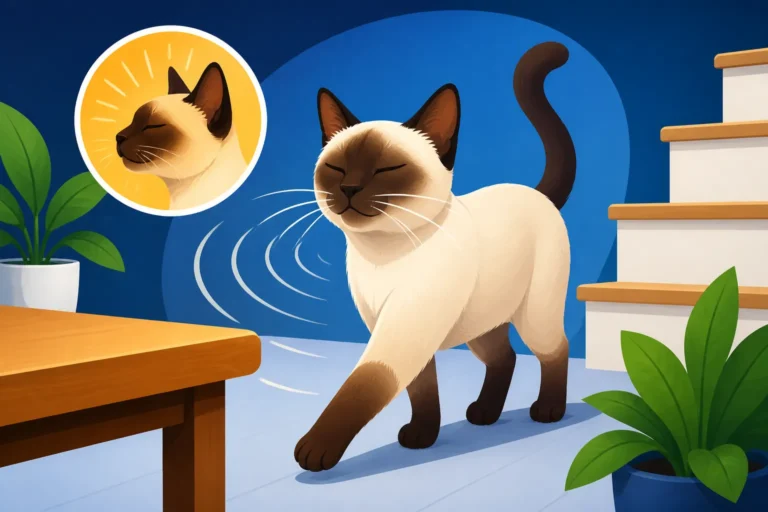
One of the first things you might notice if your Siamese kitten has a congenital heart defect is a general lack of vigor. While other kittens in the litter are tumbling over each other, wrestling, and pouncing, your little one might seem a bit more reserved, tiring quickly during playtime, or preferring to nap more frequently and for longer stretches. They might not keep up with their siblings when feeding, leading to a smaller stature or a failure to thrive compared to their littermates. This isn't just about being a "calm" kitten; it's about a noticeable difference in their ability to sustain activity.
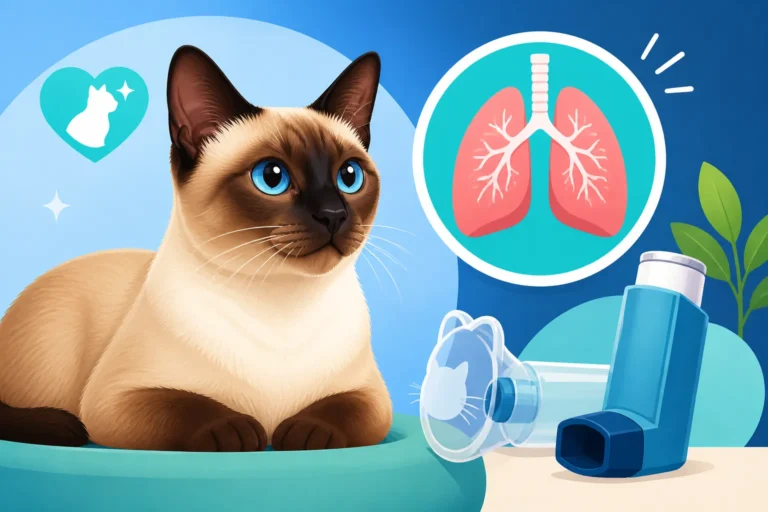
Another common sign to watch for is shortness of breath or labored breathing, especially after even mild exertion. You might see their chest moving more vigorously, or they might seem to be panting slightly, which is unusual for a cat at rest unless they are very hot or stressed. Coughing is also a red flag, as it can indicate fluid buildup in the lungs, a common consequence of an inefficient heart. If your kitten seems to be coughing or wheezing, or if their gums appear bluish or pale instead of a healthy pink, these are urgent signs that warrant immediate veterinary attention. These symptoms, whether subtle or overt, are your kitten's way of telling you they're struggling, and it's our job to listen. You might also want to look into other symptoms, such as those that indicate Asthma in a Siamese Cat.
Beyond the Murmur: Other Physical Indicators
While a heart murmur is often the first clue a veterinarian detects, there are other physical indicators you might observe even before a vet listens to their chest. Weight gain can be stunted, or your kitten might simply look thinner and less robust than expected for their age and breed. Their coat might appear dull or unkempt, as an unwell kitten might not have the energy to groom themselves adequately. Sometimes, you might even notice a swelling in their abdomen, which can be a sign of fluid retention due to heart failure.
Beyond the visible signs, touch can also provide clues. If your kitten's paws or ears feel unusually cool to the touch, it could indicate poor circulation, another potential symptom of a compromised heart. While a heart murmur in a Siamese cat is a significant indicator, not all murmurs signify a severe defect, and conversely, some serious defects might present without a pronounced murmur. This is why paying close attention to a combination of behavioral and physical changes is so important. Don't dismiss these observations as quirks; they could be vital clues to your kitten's underlying health.
Navigating the Veterinary Maze: Diagnosis and Next Steps
The moment you suspect something is wrong with your kitten's heart can be terrifying. You're likely filled with questions, anxieties, and perhaps a deep-seated fear of what the future holds. It's an overwhelming time, and it’s completely normal to feel that way. The good news is that veterinary medicine has advanced considerably, offering various diagnostic tools and treatment options that weren't available even a decade ago. Your vet is your best ally in this journey, and together, you'll work towards understanding your kitten's condition.
The Diagnostic Journey: From Stethoscope to Specialist
The diagnostic process usually begins with a thorough physical examination by your primary veterinarian. They will listen to your kitten's heart with a stethoscope to check for a heart murmur, an abnormal sound caused by turbulent blood flow. If a murmur is detected, or if other symptoms are present, your vet will likely recommend further investigation. This might start with chest X-rays to assess the size and shape of the heart and check for fluid buildup in the lungs. Blood tests might also be run to check overall organ function and rule out other conditions.
However, the definitive diagnostic tool for most congenital heart defects is an echocardiogram, often referred to simply as an "echo." This is a specialized ultrasound of the heart that allows a veterinary cardiologist to visualize the heart's structure, chambers, valves, and blood flow in real-time. It can identify specific defects like a patent ductus arteriosus (PDA), ventricular septal defects (VSDs), or other structural abnormalities. This imaging is crucial because it gives a precise picture of the problem, guiding treatment decisions. While an echo might seem like a big step, it's truly the gold standard for understanding your kitten's heart. These specialized tests can be costly, so having pet insurance from a provider like Healthy Paws can provide significant peace of mind during this stressful time.
Treatment Pathways and Long-Term Outlook
Once a congenital heart defect is diagnosed, the treatment pathway will depend entirely on the specific condition, its severity, and the kitten's overall health. For some defects, like a PDA, surgical correction can be curative. This procedure involves closing the abnormal vessel, allowing the heart to function normally, and often leading to a complete recovery and a normal lifespan. For other, more complex defects, surgery might not be an option, or it might carry too high a risk for such a tiny patient. In these cases, medical management with medications to improve heart function, manage symptoms, and slow the progression of heart failure might be recommended.
The long-term outlook, or prognosis, varies dramatically. Kittens with successfully corrected defects can often go on to live full, happy lives. For those managed medically, the prognosis depends on how well their condition can be controlled and the severity of the defect. Some may live for several years with a good quality of life, while others may have a more guarded prognosis. It's a journey filled with ups and downs, but with diligent care, regular veterinary check-ups, and a lot of love, you can ensure your Siamese cat lives the best life possible, regardless of their challenges. Understanding the likely trajectory can help you make informed decisions, often discussed when looking at topics like How Long a Siamese Cat Lives on Average or The Fifteen to Twenty Years a Siamese Cat Gets.
Living with a Heart Condition: Care and Support for Your Special Kitten
Receiving a diagnosis of a congenital heart defect for your Siamese kitten can feel like a heavy burden. You might worry about their comfort, their future, and how you’ll manage the ongoing care. It's a natural reaction. But remember, a diagnosis isn't an ending; it's the beginning of a new chapter where you become an even more dedicated advocate for your tiny feline friend. With the right approach, many kittens with heart conditions can still enjoy a loving and fulfilling life.
Tailored Home Care and Environmental Considerations
Managing a Siamese kitten with a congenital heart defect often means making some adjustments at home to support their well-being. Keeping their stress levels low is paramount, as stress can put additional strain on an already compromised heart. This might involve creating a calm, predictable environment, ensuring they have safe, quiet spaces to retreat to, and perhaps limiting overly boisterous play that could leave them breathless. Gentle, consistent interaction is key, fostering a sense of security without over-excitement.
Diet also plays a crucial role. Your vet or veterinary cardiologist may recommend a special diet formulated to support heart health, often lower in sodium to help prevent fluid retention. It’s important to monitor their food intake and weight carefully, ensuring they’re getting adequate nutrition without becoming overweight, which would add extra strain on their heart. Access to fresh water at all times is also essential. For kittens on medication, administering it consistently as prescribed is non-negotiable. Using a pet insurance plan from Healthy Paws can assist greatly with the ongoing costs of specialized food and prescription medications, ensuring you don't have to compromise on their care due to financial concerns. You can learn more about general health signs by reading up on Signs a Siamese Cat Is Unwell.
Financial Realities and Support Systems
Let's be honest, dealing with a chronic health condition in a pet can be financially daunting. The initial diagnostic tests, follow-up appointments with specialists, medications, and potentially surgical interventions can add up quickly. This is where pet insurance can be a true lifesaver. Companies like Healthy Paws offer various plans that can help cover a significant portion of these unexpected veterinary expenses, allowing you to focus on your kitten's health rather than the mounting bills. It’s an investment in their future and your peace of mind.
Beyond finances, building a strong support system is incredibly important. This includes your veterinary team, who will be your primary source of medical guidance and care. Don't hesitate to ask questions, no matter how small they seem. Connecting with other owners of cats with heart conditions, perhaps through online forums or local support groups, can also provide invaluable emotional support and practical advice. They understand the unique challenges and joys of caring for a special-needs pet. Remember that you are not alone in this journey, and while challenging, providing a loving home to a kitten with a congenital heart defect can be one of the most rewarding experiences imaginable. For insights into financial planning, it's worth checking out articles such as What a Siamese Cat Costs Over Twenty Years and What a Siamese Cat's Emergency Ultrasound Costs.
| Congenital Heart Defect Type | Description | Common Symptoms | Typical Prognosis (Untreated) | Treatment Options |
|---|---|---|---|---|
| Patent Ductus Arteriosus (PDA) | Fetal blood vessel connecting aorta and pulmonary artery fails to close after birth. | Heart murmur, shortness of breath, poor growth, coughing, exercise intolerance. | Poor; most die within 1-2 years from heart failure. | Surgical ligation or transcatheter occlusion; often curative if done early. |
| Ventricular Septal Defect (VSD) | A hole in the wall separating the heart's lower chambers (ventricles). | Heart murmur, fatigue, poor growth, rapid breathing, coughing. | Varies greatly by size of hole; small defects can be asymptomatic; large defects lead to heart failure. | Medical management; surgery (rare in cats due to complexity/cost); often managed symptomatically. |
| Pulmonic Stenosis | Narrowing of the pulmonic valve, obstructing blood flow from the right ventricle to the pulmonary artery. | Heart murmur, exercise intolerance, fainting, fluid in abdomen (ascites) in severe cases. | Varies by severity; mild cases may be asymptomatic; severe cases can lead to right-sided heart failure. | Balloon valvuloplasty (minimally invasive); medical management for severe symptoms. |
| Aortic Stenosis | Narrowing of the aortic valve, obstructing blood flow from the left ventricle to the aorta. | Heart murmur, fainting, weakness, sudden death in severe cases. | Varies by severity; mild cases may be asymptomatic; severe cases can lead to left-sided heart failure. | Medical management to reduce workload on heart; surgical options are generally not feasible in cats. |
| Mitral Dysplasia | Malformation of the mitral valve, causing leakage or obstruction between the left atrium and ventricle. | Heart murmur, shortness of breath, coughing, exercise intolerance, fluid in lungs (pulmonary edema). | Poor; typically leads to congestive heart failure. | Medical management with diuretics and heart medications; no surgical repair typically available for cats. |
Disclaimer
The information provided in this guide is intended for educational purposes only and should not be considered a substitute for professional veterinary advice, diagnosis, or treatment. Always consult with a qualified veterinarian regarding any health concerns or before making any decisions about your pet's medical care.