Whether a Siamese Cat Kitten Outgrows Vestibular Disease
It’s incredibly distressing as a cat parent to see your beloved Siamese kitten struggling with their balance, tilting their head, or walking in circles. The immediate fear is often that something is terribly wrong, perhaps even life-threatening, and you worry about their future quality of life. This comprehensive guide is here to shed light on vestibular disease in Siamese cat kittens, explaining what it is, how it affects them, and most importantly, whether this often-alarming condition is something they can truly outgrow and live a full, happy life with.
Understanding Vestibular Disease in Siamese Cat Kittens
When your tiny Siamese kitten starts acting like they've had a few too many spins on a merry-go-round, displaying a head tilt or a wobbly gait, it's natural to be alarmed. This set of symptoms often points to an issue with their vestibular system, which is essentially their body's internal GPS for balance and spatial orientation. Understanding this complex system is the first step toward helping your little one.
What Vestibular Disease Actually Is
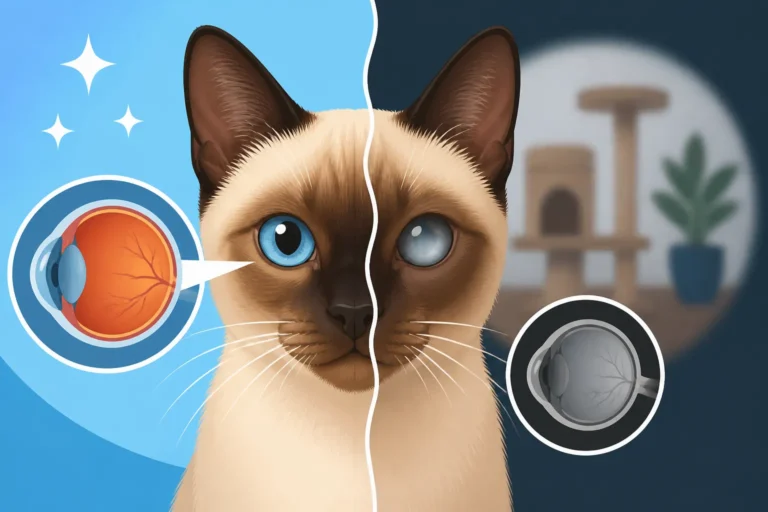
The vestibular system is a marvel of biological engineering, a sophisticated network within the inner ear and brain that processes information about your head's position and movement. It's what keeps us, and our feline friends, upright and knowing which way is up! When this system malfunctions, it's called vestibular disease. In kittens, especially Siamese, we often talk about congenital peripheral vestibular disease. This means the problem originates in the inner ear (peripheral) and is present from birth (congenital), rather than developing later due to an infection or other acquired issue. It's a developmental hiccup, not usually something contagious or caused by trauma, which can offer some reassurance, even if the symptoms are dramatic. Your vet will look closely to confirm it's not a more serious "central" vestibular issue, which would involve the brainstem.
Recognizing the Distressing Symptoms
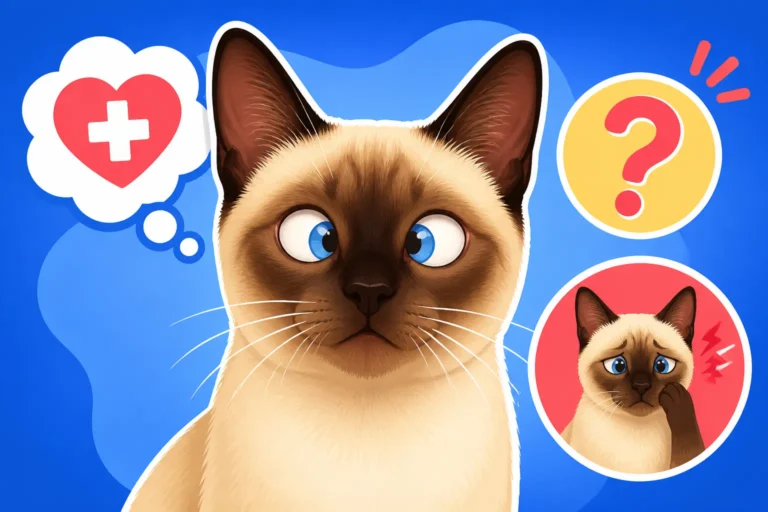
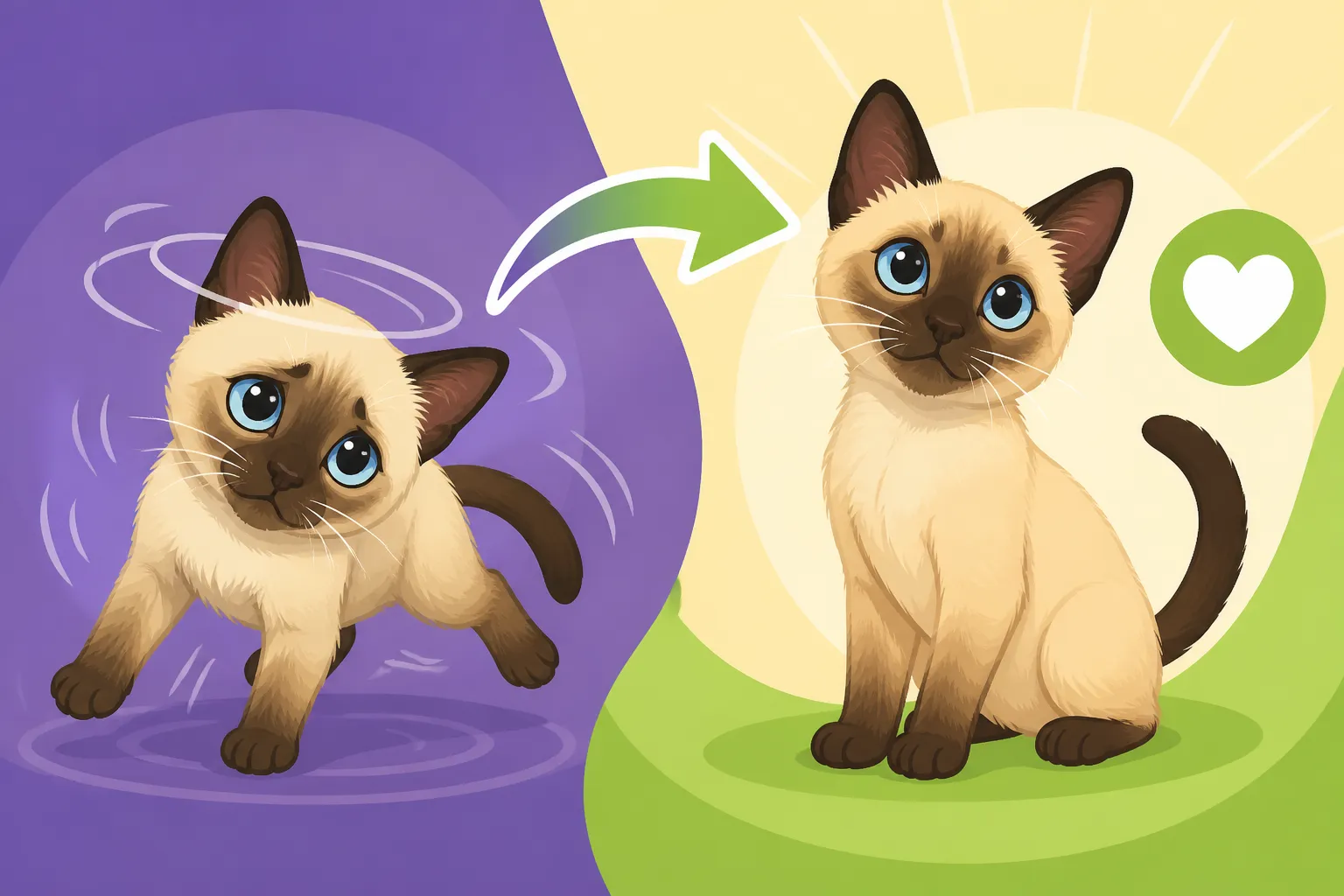
The signs of vestibular disease can be quite jarring to witness in a tiny kitten. The most common symptom is a noticeable head tilt, where your kitten's head consistently leans to one side. This isn't just a cute quirk; it's their body trying to compensate for a skewed sense of balance. You might also see them losing their footing easily, stumbling, or even falling over. A tell-tale sign that often accompanies these issues is nystagmus—a rapid, involuntary flickering of the eyes, either side-to-side or up-and-down. It looks very odd, almost like their eyes are darting wildly. Some kittens might also circle constantly in one direction, get disoriented, or seem generally unsteady on their paws. These symptoms are alarming, making it vital to get a quick and accurate diagnosis from your veterinarian. If you’ve seen your Siamese cat kitten tilting its head, you know how unsettling it can be.
Why Siamese Kittens Seem Predisposed
While vestibular disease can affect any cat breed, there's some anecdotal evidence and clinical observations suggesting that certain breeds, including Siamese, might have a higher incidence of the congenital form. It's not fully understood why this is the case, but it's believed to be a genetic predisposition, a subtle inherited flaw in the development of the inner ear structures responsible for balance. It’s not like a clearly defined genetic disease we can test for, like some forms of PRA where there's a specific gene. Instead, it's more often a quiet, inherited trait that breeders might not even be aware of until kittens start showing symptoms. This highlights the importance of choosing a reputable breeder who prioritizes overall health and can speak to the health history of their lines, although even the best breeders can encounter such unforeseen issues.
The Prognosis: Can a Siamese Kitten Truly Outgrow It?
This is the million-dollar question for any worried owner: will my kitten ever be "normal"? While a complete and total resolution might not always happen, the good news is that for many Siamese kittens with congenital peripheral vestibular disease, there is a very strong chance of significant improvement, and yes, many will appear to "outgrow" the most severe symptoms.
Congenital Vestibular Disease and Its Course
For the congenital peripheral form, the outlook is generally quite positive. Unlike some progressive neurological conditions, this type of vestibular disease is often non-progressive. This means it doesn't usually get worse over time; in fact, the opposite often happens. As your Siamese kitten grows, their brain is incredibly adaptable, and it learns to compensate for the faulty signals it's receiving from the inner ear. This compensation can be remarkable! You might see a gradual reduction in the head tilt, less stumbling, and the nystagmus may become less pronounced or even disappear. Most kittens show significant improvement within a few weeks to a few months of onset, often by the time they are 3 to 6 months old. While a slight head tilt or a subtle wobble might remain throughout their lives, for many, it becomes so minor that it barely impacts their daily activities. This is often the case when dealing with congenital defects in a Siamese cat kitten.
Management and Support During Recovery
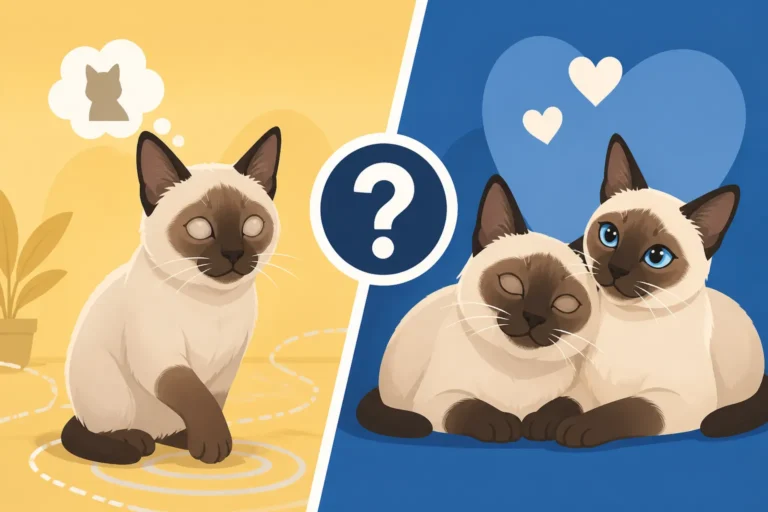
While your kitten's brain does the heavy lifting in adapting, there's plenty you can do to support them during this crucial developmental period. The key is creating a safe, comfortable, and predictable environment. Ensure their food, water, and litter boxes are easily accessible and don't require navigating stairs or obstacles. Soft bedding can prevent injury from falls, and keeping their environment consistent helps them build a mental map of their surroundings, much like how a blind Siamese cat manages. Some gentle physical therapy, like supervised short walks on a flat, soft surface or encouraging play that requires mild coordination, can also help. Patience is paramount; celebrate small improvements and understand that progress might be gradual. For particularly wobbly kittens, keeping them confined to a smaller, padded area initially can prevent accidents and help them gain confidence.
When Vestibular Signs Persist or Worsen
While improvement is common, it's important to be realistic. Not every kitten will make a full recovery, and some may retain a permanent head tilt or subtle balance issues. If your Siamese kitten's symptoms don't improve after a few months, or, more concerningly, if they suddenly worsen, it's a strong signal for immediate veterinary re-evaluation. Worsening symptoms could indicate that the initial diagnosis was incomplete, or that a new, underlying condition has developed. This is especially true if signs of a more serious "central" vestibular disease (involving the brain) were initially subtle or missed. Further diagnostics, such as an MRI of the brain, might be recommended in such cases to rule out conditions like tumors, inflammatory diseases, or infections within the central nervous system. Don't hesitate to seek a second opinion from a veterinary neurologist if you're concerned about your kitten's progress or lack thereof.
Differentiating Vestibular Disease from Other Conditions
It’s easy to jump to conclusions when you see your kitten exhibiting strange behaviors, but a proper diagnosis is crucial. Many conditions can mimic the signs of vestibular disease, and some of them are far more serious or require different treatments. A thorough veterinary workup is not just good practice; it’s essential for your kitten's well-being.
Ruling Out Other Neurological Issues
When a kitten presents with a head tilt, nystagmus, or ataxia (incoordination), a veterinarian will consider a range of possibilities beyond just congenital vestibular disease. For example, inner ear infections, known as otitis interna, can cause very similar symptoms and are often treatable with antibiotics. Trauma to the head can also lead to neurological signs. In rare but serious cases, conditions like brain tumors, inflammatory brain diseases, or even certain congenital abnormalities of the brain or cerebellum could be at play. It’s also vital to rule out toxins or nutritional deficiencies that might manifest with neurological symptoms. This is why a detailed history, physical examination, and potentially further diagnostic tests are so important to get to the root cause of your Siamese cat kitten's balance issues. Understanding Vestibular Disease Signs in a Siamese Cat Kitten is key to helping your vet.
The Importance of a Thorough Veterinary Diagnosis
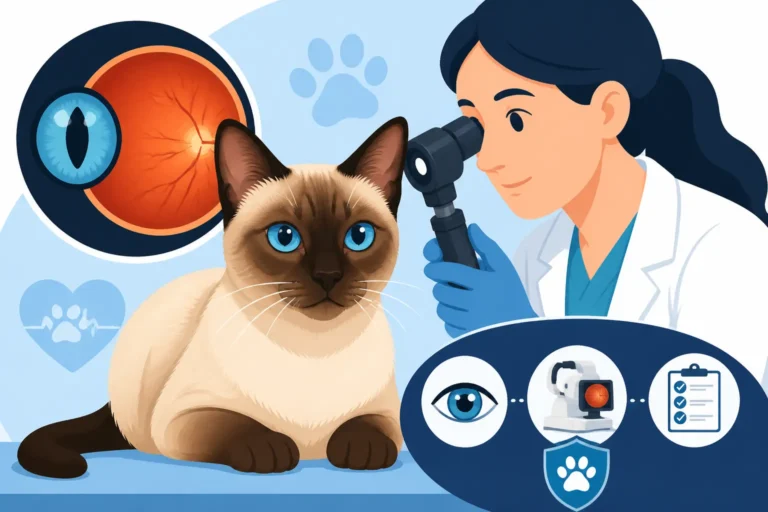
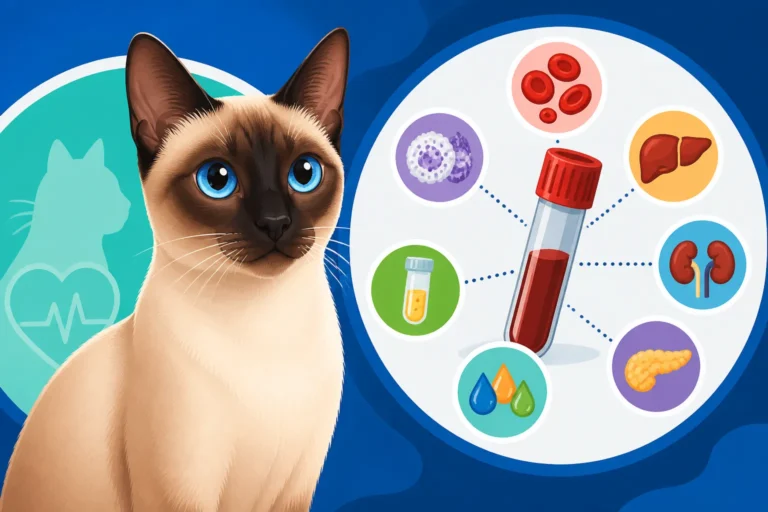
The journey to an accurate diagnosis often starts with a detailed neurological exam by your veterinarian. They’ll assess your kitten’s reflexes, eye movements, posture, and gait. This initial exam helps them determine if the problem is peripheral (inner ear) or central (brain). Your vet might use an otoscope to look deep into your kitten's ear canal, checking for signs of infection or inflammation. Blood tests might be run to rule out systemic illness or toxins, a typical part of what a Siamese cat's yearly bloodwork should cover. In more ambiguous cases, or if central nervous system involvement is suspected, advanced imaging like an MRI or CT scan of the head might be recommended. These tests can be costly, but they provide invaluable information, helping your vet understand why a Siamese cat kitten tilts its head and formulate the correct treatment plan.
Financial Considerations and Pet Insurance
Facing a diagnosis that requires extensive testing or long-term management can be financially daunting. Veterinary diagnostics, especially advanced imaging like an MRI, can run into thousands of dollars. This is where pet insurance can truly be a lifesaver. Many pet parents find peace of mind knowing they have coverage for unexpected illnesses and accidents. Providers like Healthy Paws offer comprehensive plans that can help offset the significant costs associated with diagnosing and treating complex conditions such as vestibular disease or other neurological problems. While you hope your kitten won't need it, having a plan from Healthy Paws in place early means you can make decisions based on what’s best for your pet, not just your wallet. It's a crucial part of budgeting for what a Siamese cat costs over twenty years.
Living with a Siamese Cat Kitten with Vestibular Challenges
Even if your Siamese kitten doesn't completely "outgrow" their vestibular challenges, that doesn't mean they can't live a full, happy, and vibrant life. Cats are incredibly resilient, and with a little help and understanding from their human companions, they adapt beautifully.
Adapting Your Home for Safety and Comfort
Your home needs to be a safe haven for a kitten with balance issues. Think about mitigating risks: block off access to stairs, or provide ramps if they need to navigate them. Avoid high places where a fall could cause injury. Keep food, water, and litter boxes on a single, easily accessible level. Opt for litter boxes with lower sides to make entry and exit easier. Soft rugs or carpeting can provide better traction than slick hardwood or tile floors and cushion any accidental tumbles. Consider a cozy, heated bed, as balance issues can sometimes make it harder for them to regulate body temperature if they can’t move around easily. Even small adjustments can make a world of difference in preventing injuries and boosting your kitten’s confidence.
Ensuring Quality of Life and Enrichment
A kitten with vestibular disease still has all the playfulness and curiosity of any other Siamese. Their balance issues shouldn't lead to a life of isolation or boredom. Engage them with ground-level toys, gentle laser pointers (if their nystagmus isn't too severe), and interactive play that doesn't require complex acrobatic feats. Puzzle feeders can keep their minds sharp and encourage slow, deliberate movement. Plenty of cuddles and verbal reassurance are also vital, as these kittens often bond very strongly with their caregivers. You might find that even with a permanent head tilt, they develop their own unique ways of playing, exploring, and interacting, proving just how adaptable they are. For an energetic breed, enrichment for a Siamese cat that gets bored in an hour is critical.
Long-Term Care and Monitoring
Even if your kitten's symptoms significantly improve, regular veterinary check-ups are important. These appointments allow your vet to monitor their progress, assess for any new symptoms, and ensure their overall health. If your kitten still has a residual head tilt or gait abnormality, documenting it with photos or videos can be helpful for future comparisons. Watch for any changes in their behavior, eating habits, or the re-emergence of severe neurological signs, as these could indicate a new issue or a progression of an underlying problem. Pet insurance, like Healthy Paws, continues to be a valuable asset for ongoing care, helping to cover unexpected health concerns that might arise throughout their long lifespan, which for a Siamese can be the fifteen to twenty years a Siamese cat gets. This long-term commitment is part of what makes owning a Siamese cat such a rewarding experience, even with initial health hurdles.
| Feature | Congenital Peripheral Vestibular Disease (Kittens) | Acquired Vestibular Disease (Any Age) |
|---|---|---|
| Onset | From birth or early kittenhood | Sudden, at any age |
| Primary Cause | Developmental anomaly of inner ear | Inner ear infection (otitis interna), trauma, tumor, stroke, toxins |
| Typical Symptoms | Head tilt, incoordination, nystagmus (often resolves) | Head tilt, incoordination, nystagmus, nausea, circling |
| Prognosis for Recovery | Often good; significant improvement/compensation common | Varies widely based on underlying cause and severity |
| Likelihood of Resolution | High for functional recovery, slight residual signs possible | Possible with treatment of underlying cause, may recur |
| Treatment Focus | Supportive care, safe environment, patience | Treating underlying cause (e.g., antibiotics for infection) |
| Recurrence | Generally none, as it's a developmental issue | Possible if underlying cause is not fully resolved or is chronic |
Disclaimer
This article is intended for informational purposes only and is not a substitute for professional veterinary advice. Always consult with a qualified veterinarian for any health concerns or before making any decisions about your pet's medical care.