What a Siamese Cat’s Yearly Bloodwork Should Cover
It's a common worry among Siamese cat parents: you want to do everything right for your beloved feline, especially as they get older, but sometimes it feels like navigating a maze of vet recommendations. One of the most important, and often misunderstood, recommendations is annual bloodwork. This guide will walk you through what typical yearly blood tests for a Siamese cat entail, why they're so vital, and what insights they can offer into your cat's health, even when they seem perfectly fine.
Why Annual Bloodwork is Non-Negotiable for Your Siamese Cat
Siamese cats are notoriously good at hiding pain and illness. It’s a survival instinct ingrained in felines, but it can be incredibly frustrating for us, their human companions, because by the time visible symptoms appear, a condition might be advanced. This is where yearly bloodwork becomes an invaluable tool, a true peek behind the curtain of your Siamese cat's vibrant, sometimes theatrical, personality. It allows your veterinarian to establish a baseline for your individual cat and detect subtle changes year over year, often long before those changes manifest as outward signs of trouble. Think of it as an early warning system, crucial for a breed known for its robust health but also susceptible to certain inherited conditions.
The Silent Language of Feline Illness
Imagine your lively Siamese, always chattering, always demanding attention, suddenly becoming a bit quieter, perhaps less interested in their favorite feather wand. Is it just a mood, or something more? Cats, especially highly intelligent and sensitive breeds like the Siamese, often internalize discomfort. They don't want to show weakness. This stoicism means that by the time you notice they're drinking a lot more water, losing weight, or hiding away, their kidneys or liver might already be under significant strain. Blood tests can catch these issues at a much earlier stage, when treatment options are more numerous and often more effective.
Establishing a Health Baseline
One of the greatest benefits of consistent annual bloodwork is building a historical record for your Siamese. Just like in humans, what's "normal" can vary slightly from one cat to another. By having yearly results, your vet can identify trends in your cat's specific blood values. A slight elevation in a kidney value that might be within a broad "normal" range on a single test could be a red flag if it's been steadily creeping up over three years. This personalized approach to monitoring your Siamese cat’s health is far more effective than simply comparing their results to a generic reference range. It allows for proactive intervention rather than reactive crisis management.
What a Complete Blood Count (CBC) Reveals
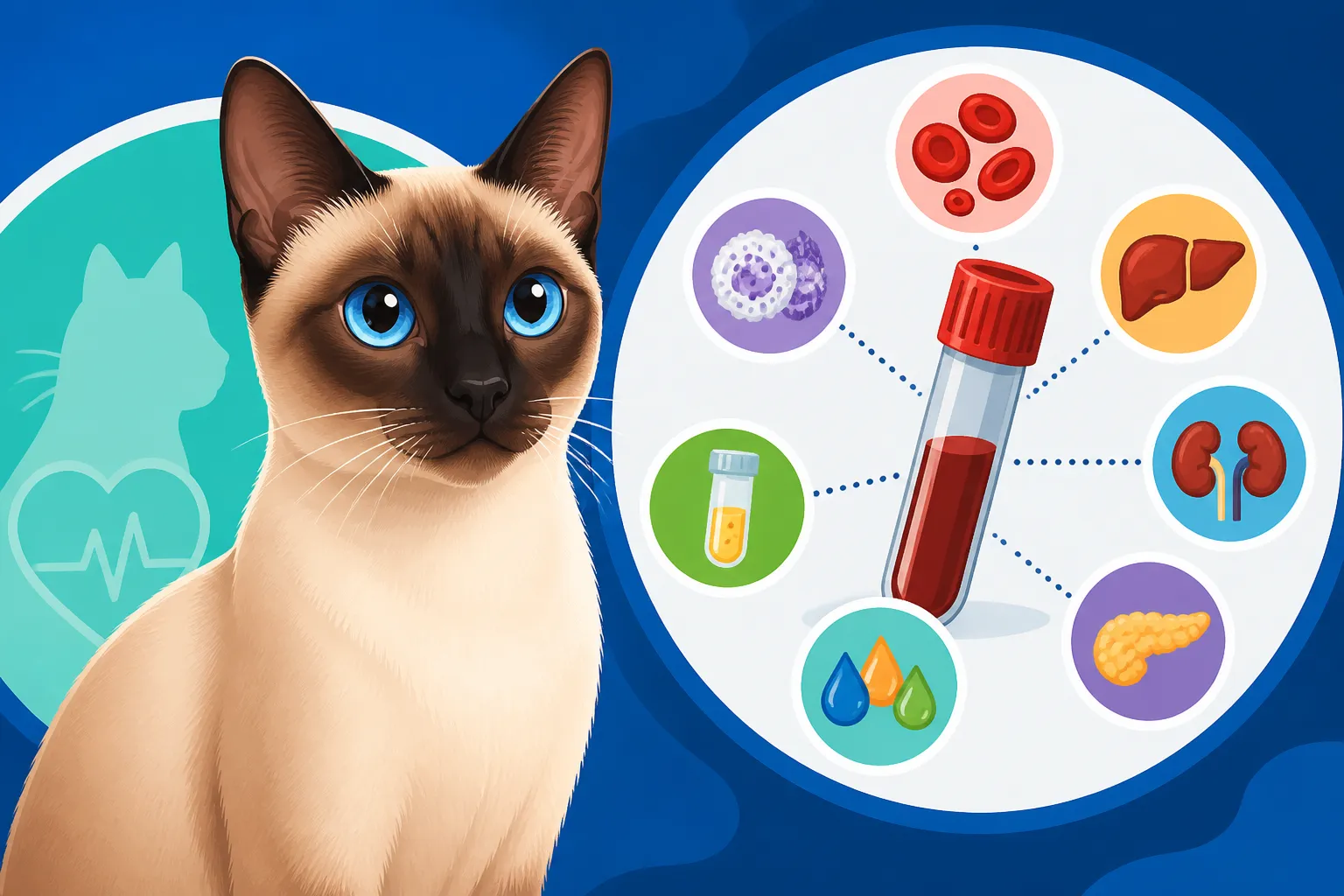
The Complete Blood Count, or CBC, is a foundational blood test that provides a detailed look at the different cells circulating in your Siamese cat's blood: red blood cells, white blood cells, and platelets. It's a snapshot of their immune system, oxygen-carrying capacity, and clotting ability.
Red Blood Cells and Anemia
Your Siamese cat's red blood cells are like tiny oxygen delivery trucks, carrying life-giving oxygen from the lungs to every part of their body. The CBC measures several aspects of these cells, including the Red Blood Cell (RBC) count, Hemoglobin (Hb), and Hematocrit (Hct). If these values are lower than normal, it indicates anemia. Anemia isn't a disease itself but a symptom of an underlying problem.
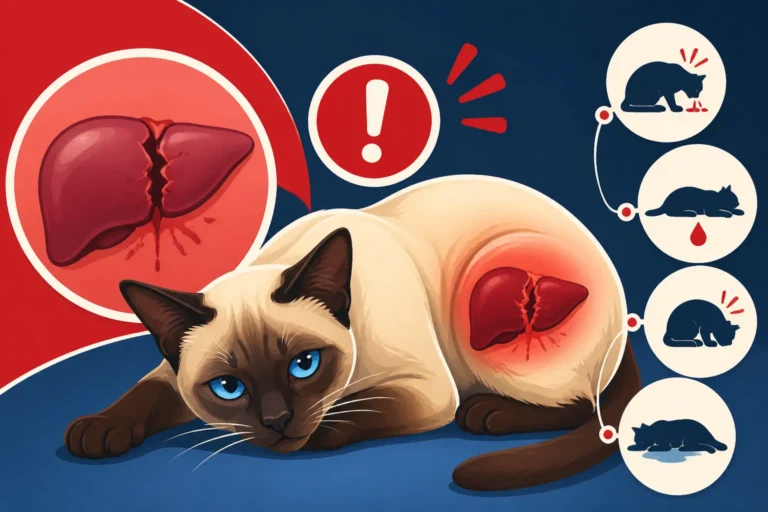
For a Siamese, anemia could point to many things, such as internal bleeding (which can occur with severe trauma or even conditions like a Siamese Cat's Liver Can Rupture Without Warning), nutritional deficiencies, chronic kidney disease (where the kidneys don't produce enough hormones to stimulate red blood cell production), or even certain types of cancer. If your vet sees a sudden drop in these numbers, they'll want to investigate further to find the root cause, which could be critical for your cat's long-term health.
White Blood Cells and Infection/Inflammation
White blood cells are your Siamese cat's immune system soldiers, fighting off infections and responding to inflammation. The CBC differentiates between various types of white blood cells, such as neutrophils, lymphocytes, monocytes, eosinophils, and basophils.
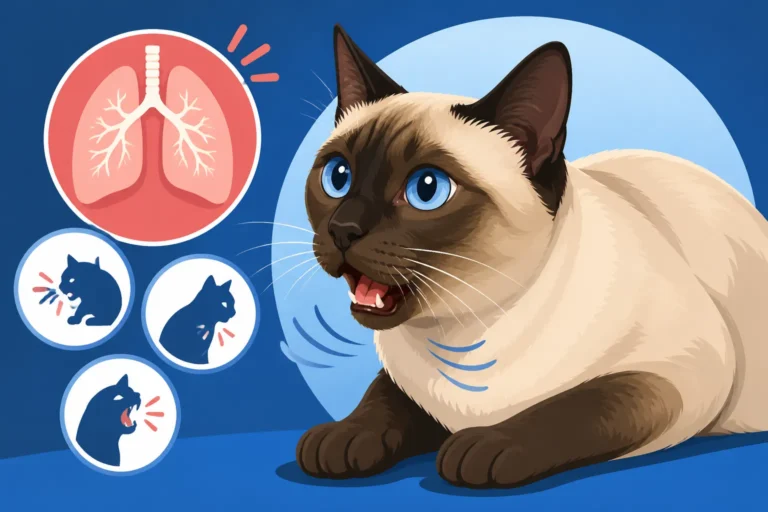
- Elevated white blood cell counts (leukocytosis) often suggest an ongoing infection (bacterial, viral, fungal), inflammation (like asthma in a Siamese cat, or a severe allergic reaction), or even stress. For instance, a high neutrophil count could indicate a bacterial infection somewhere in the body, while an increase in eosinophils might point to allergies or parasites.
- Decreased white blood cell counts (leukopenia) can be just as concerning, potentially indicating a severe viral infection that's suppressing the immune system, bone marrow issues, or even certain medications. Monitoring these levels is vital, especially for a Siamese cat that loves to explore and might encounter various pathogens.
Platelets and Clotting Ability
Platelets are tiny cell fragments essential for blood clotting. If your Siamese cat gets a cut, platelets rush to the site to form a plug, stopping the bleeding. The CBC measures the platelet count.
A low platelet count (thrombocytopenia) can mean your Siamese cat is at risk for excessive bleeding, even from minor injuries. This could be due to a variety of reasons, including immune-mediated diseases, certain infections, or even issues with bone marrow production. On the other hand, an unusually high platelet count (thrombocytosis) can sometimes signal inflammation or an underlying disease. These numbers are especially important if your Siamese cat ever needs surgery or has a condition that might predispose them to bleeding, such as a severe liver condition.
The Comprehensive Chemistry Panel (Chem Screen)
While the CBC looks at the cells in the blood, the chemistry panel examines the liquid portion of the blood (serum) to evaluate organ function, electrolyte balance, and metabolic processes. This panel is incredibly important for catching diseases that affect major organs like the kidneys and liver.
Kidney Function Indicators
Kidney disease is a common concern in older felines, and while not specific to the Siamese, monitoring kidney function is paramount for any senior cat. The chemistry panel includes key indicators for kidney health:
- BUN (Blood Urea Nitrogen) and Creatinine: These are waste products that healthy kidneys filter out of the blood. If kidney function declines, BUN and creatinine levels will rise. An increase in these values is a strong indicator that your Siamese cat's kidneys aren't working as efficiently as they should. Early detection can allow for dietary changes, fluid therapy, or medications to slow the progression of Kidney Disease in an Older Siamese Cat.
- SDMA (Symmetric Dimethylarginine): This is a newer, more sensitive marker for kidney function. SDMA can elevate much earlier than BUN or creatinine, often flagging kidney problems when only 25% of kidney function has been lost, compared to BUN and creatinine, which might only rise after 75% loss. This makes it an incredibly valuable tool for catching potential issues in your Siamese cat much sooner, giving you and your vet a better head start on managing the condition.
Liver Health Markers
The liver is a powerhouse organ involved in digestion, detoxification, and protein production. Several enzymes and substances on the chemistry panel provide clues about its health:
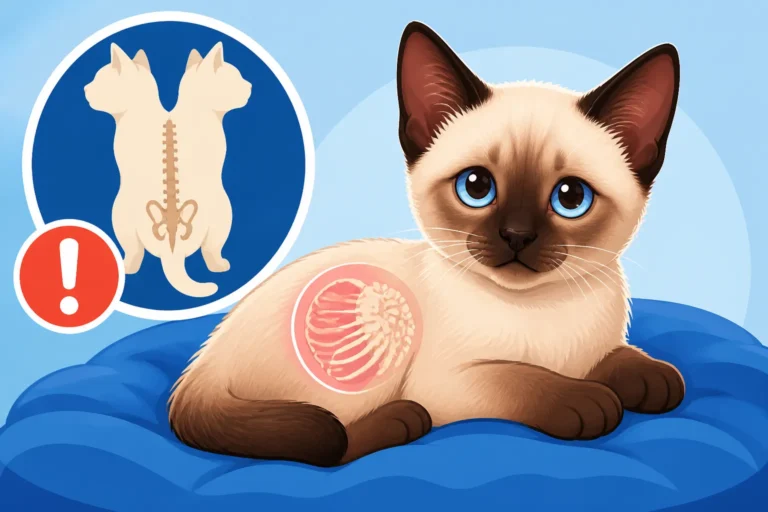
- ALT (Alanine Aminotransferase) and ALP (Alkaline Phosphatase): These are liver enzymes. Elevated levels can indicate liver cell damage or inflammation. A high ALT often points to active liver cell injury, while ALP can rise with bile flow issues or certain bone diseases. For a Siamese cat, which can be susceptible to conditions like Amyloidosis Is the Disease That Kills Young Siamese Cats, monitoring these values is critical.
- Bilirubin: This pigment is produced when red blood cells are broken down and is processed by the liver. High bilirubin levels can suggest liver disease or excessive red blood cell destruction.
- Albumin and Globulins: These are proteins produced by the liver. Abnormal levels can indicate liver disease, kidney disease, or inflammation. For instance, low albumin might suggest chronic liver disease or significant protein loss from the kidneys or gut.
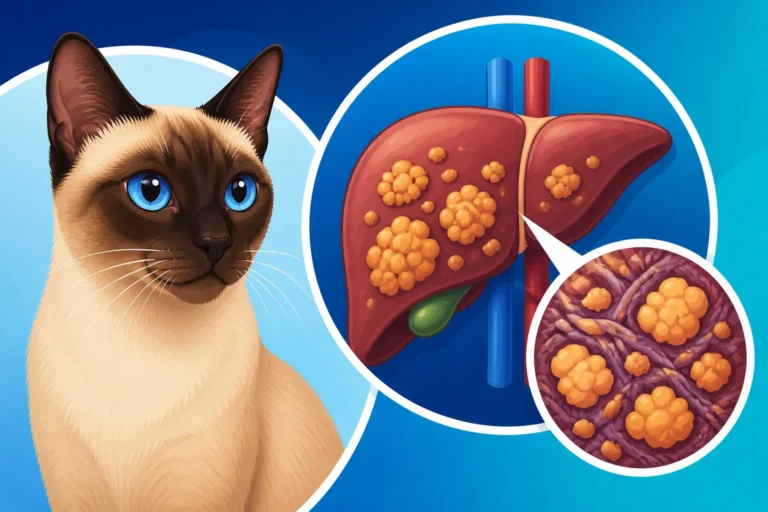
Catching early signs of liver trouble can be life-saving. For example, Signs a Siamese Cat Has Liver Amyloidosis can be subtle, and bloodwork might be the first indicator of this serious, breed-predisposed condition.
Electrolytes and Glucose
The chemistry panel also checks your Siamese cat's electrolyte balance and blood glucose levels.
- Electrolytes (Sodium, Potassium, Chloride): These minerals are vital for nerve and muscle function, hydration, and maintaining acid-base balance. Imbalances can be caused by dehydration, kidney disease, vomiting, diarrhea, or endocrine disorders. For a vocal Siamese, any slight change in their physical state could impact these delicate balances.
- Glucose (Blood Sugar): High blood glucose can be a sign of diabetes, particularly in older or overweight cats. Low blood glucose can indicate other serious underlying issues. Given that Diabetes in a Siamese Cat can develop, especially with age, regular glucose monitoring is a simple yet crucial part of their annual health check.
Thyroid Testing, Especially for Senior Siamese Cats
As your Siamese cat enters their golden years (typically starting around age 10-12, though some consider them senior a bit earlier), thyroid testing becomes an essential part of their annual bloodwork. Hyperthyroidism is incredibly common in older cats, and Siamese cats are no exception.
The Importance of T4 Levels
The thyroid gland produces hormones that regulate metabolism. Hyperthyroidism means the gland is overactive, producing too much thyroid hormone (T4). This can lead to a host of problems: weight loss despite a ravenous appetite, increased thirst and urination, hyperactivity, vomiting, and diarrhea.
Measuring the T4 (thyroxine) level in the blood is the primary way to diagnose hyperthyroidism. Early detection and treatment can significantly improve your Siamese cat's quality of life and longevity. Unmanaged hyperthyroidism can lead to serious secondary issues, including heart disease and high blood pressure. If your cat is showing subtle signs, like suddenly being more vocal or having a seemingly endless appetite but getting thinner, a T4 test can confirm or rule out this common condition.
The Role of Urinalysis Alongside Bloodwork
While not technically bloodwork, a urinalysis (analysis of urine) is often performed concurrently with annual blood tests because the two complement each other beautifully, especially when assessing kidney and urinary tract health.
What a Urinalysis Can Reveal
A urinalysis provides information about your Siamese cat's hydration status, kidney concentrating ability, and the presence of infection, inflammation, or crystals in the urinary tract.
- Specific Gravity: This measures how concentrated your cat's urine is, indicating their kidneys' ability to conserve water. Dilute urine can be an early sign of kidney disease or other conditions like diabetes. If your Siamese Cat Drinks More With Age, combining bloodwork with urinalysis can help pinpoint the cause.
- Protein, Glucose, Ketones, Blood: The presence of these substances in urine when they shouldn't be can flag conditions like kidney damage (proteinuria), diabetes (glucosuria and ketonuria), or urinary tract infections (blood in urine).
- Sediment Analysis: Examining the urine under a microscope can reveal the presence of red blood cells, white blood cells, bacteria, and crystals, all of which can point to inflammation, infection, or a predisposition to bladder stones.
For a Siamese cat, maintaining optimal urinary health is essential, and urinalysis offers valuable insights that blood tests alone might miss, giving you a more complete picture of their internal well-being.
Navigating Results and What to Do Next
When your vet calls with your Siamese cat’s bloodwork results, it can feel like you’re listening to a foreign language if you don't understand the terms. Don’t hesitate to ask questions. A good vet will take the time to explain what each value means for your cat.
Interpreting Normal vs. Abnormal Ranges
Remember that "normal" ranges are just guidelines. What's truly normal for your Siamese is often based on their own historical results. If a value is slightly outside the range, your vet might recommend retesting in a few months, or they might not be concerned if it’s only a minor deviation without other clinical signs. However, significant abnormalities, or trends of increasing or decreasing values, will prompt further investigation.
Table: Common Bloodwork Components and What They Screen For
| Bloodwork Component | What It Screens For | Key Values |
|---|---|---|
| Complete Blood Count (CBC) | Anemia, infection, inflammation, clotting ability | RBC, Hct, Hb, WBC count, Neutrophils, Lymphocytes, Platelets |
| Chemistry Panel | Organ function (kidney, liver), metabolism, electrolytes | BUN, Creatinine, SDMA, ALT, ALP, Bilirubin, Glucose, Albumin, Globulins, Sodium, Potassium |
| Thyroid Panel | Hyperthyroidism (overactive thyroid gland) | Total T4 |
| Urinalysis | Kidney concentrating ability, urinary tract health, infection | Specific Gravity, pH, Protein, Glucose, Ketones, Blood, Sediment Analysis |
When Further Testing is Needed
If the bloodwork reveals concerning numbers, your veterinarian will likely suggest additional diagnostics. This could include:
- Repeat bloodwork: Sometimes, a transient stress response can temporarily skew results.
- Imaging: X-rays or ultrasound can provide visual information about organ size, shape, and internal structure. For example, an ultrasound might be recommended if liver enzymes are consistently high to look for Whether an Ultrasound Finds Siamese Cat Amyloidosis or other liver pathologies.
- Specialized blood tests: More specific tests might be needed to confirm a diagnosis, such as a fructosamine test for diabetes or bile acid tests for specific liver issues.
- Biopsy: In some cases, a tissue sample (biopsy) of an organ might be necessary for a definitive diagnosis, though this is a more invasive procedure.
It's a process of elimination and narrowing down, all aimed at getting the clearest picture possible of your Siamese cat's health.
Planning for the Unexpected: Pet Insurance Considerations
Let's be realistic: veterinary care, especially advanced diagnostics and long-term treatment, can be expensive. Many cat parents find themselves facing tough choices when their beloved Siamese suddenly needs extensive care. This is where thinking ahead about pet insurance can really make a difference.
Companies like Healthy Paws offer various plans that can help cover the costs of unexpected illnesses or accidents. While routine wellness exams and annual bloodwork might not always be covered by every plan, knowing you have support for diagnostics and treatment should something serious be discovered can provide immense peace of mind. For example, if your Siamese cat's bloodwork flags a potential issue, and further tests like ultrasounds, specialized lab work, or even medications are needed, a good insurance policy could significantly reduce your out-of-pocket expenses.
The Value of Early Detection with Insurance
Imagine your Siamese cat's annual bloodwork shows early signs of What Systemic Amyloidosis Does to a Siamese Cat's Kidneys. With early detection, your vet might recommend specific medications or dietary changes. These ongoing treatments can add up, but with pet insurance like Healthy Paws, you could be reimbursed for a significant portion of those costs, allowing you to focus on your cat's health rather than the financial strain. Pet insurance helps turn potentially devastating vet bills into manageable ones, ensuring your Siamese receives the best possible care throughout their The Fifteen to Twenty Years a Siamese Cat Gets.
When considering a policy, always read the fine print to understand what's covered for diagnostics, treatments, and chronic conditions. While no one wants to think about their vibrant Siamese getting sick, being prepared is the best act of love you can offer. If you're weighing the options, check out Healthy Paws and similar providers to see how they might fit into your budget and provide a safety net for your feline friend's future.
Conclusion: A Proactive Approach to Lifelong Health
Annual bloodwork is more than just a routine vet visit checklist item; it's a profound act of preventative care for your Siamese cat. It's a testament to your commitment to their health and well-being, allowing you to catch potential issues early, often before they become major problems. By understanding what these tests cover and working closely with your veterinarian to interpret the results, you empower yourself to make informed decisions that can significantly impact your Siamese cat's longevity and quality of life. Don't underestimate the silent language of their blood – it speaks volumes about their inner health, helping you ensure they remain the vibrant, chatty companions you cherish for many happy years to come. Remember, a healthy Siamese cat is a happy Siamese cat, and proactive care, including regular diagnostics and potentially pet insurance like Healthy Paws, is key to achieving that happiness.
Disclaimer
This article is for general informational purposes only and does not constitute professional advice. Laws, prices and regulations vary by location and change over time. Consult a qualified professional for guidance on your specific situation.