How a Vet Confirms PRA in a Siamese Cat
It's incredibly distressing to notice your beloved Siamese cat starting to struggle with their vision, perhaps bumping into furniture or becoming hesitant in dim light. Progressive Retinal Atrophy (PRA) is a heartbreaking genetic condition that can lead to blindness in our feline friends, and knowing how a veterinarian confirms this diagnosis is crucial for understanding what lies ahead. This comprehensive guide will illuminate the precise steps your vet takes, from initial observations to advanced diagnostic tools, to give you peace of mind and prepare you for supporting your cherished companion.
Recognizing the Early Warning Signs of PRA in Your Siamese
As a Siamese cat owner, you're probably already keenly aware of your cat's intelligence and their finely tuned senses. When something is off, even subtly, you pick up on it. Progressive Retinal Atrophy (PRA) doesn't typically strike overnight; it's a gradual process, and recognizing those initial, often elusive, signs is paramount for prompt veterinary attention. Your observations at home are invaluable in starting the diagnostic journey.
Subtle Behavioral Changes Indicating Vision Loss
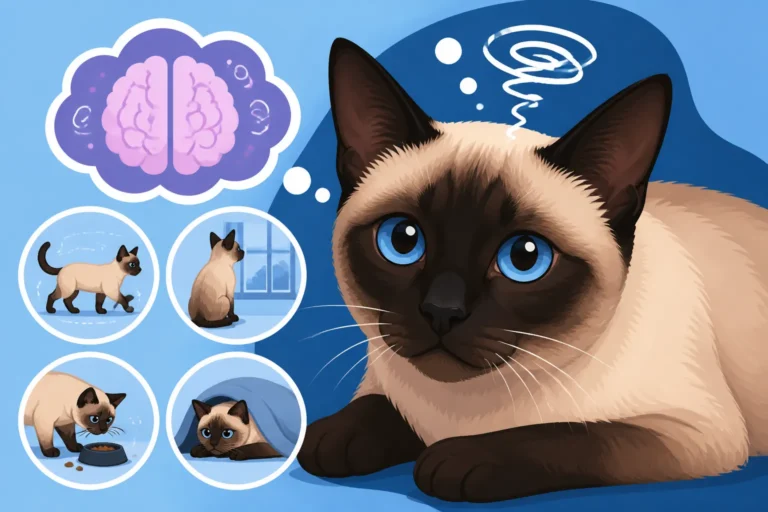
One of the first things you might notice, even before overt clumsiness, is a change in your Siamese cat's confidence, especially in dimly lit environments. They might hesitate before jumping onto their favorite perch or be more cautious navigating familiar hallways after dusk. This is often an indication that their night vision is diminishing, which is a hallmark of the early stages of PRA. Cats are masters at adapting, so they might start relying more heavily on their whiskers and hearing, making these changes hard to spot unless you're truly paying close attention. It’s during these quiet, low-light moments that you might see them fumbling, or perhaps their pupils appear unusually dilated, even in moderately bright rooms, reflecting more light back at you. This dilated pupil is a physiological response to try and let in more light as their retinal cells begin to fail.
As the condition progresses, you might observe more noticeable changes, such as your Siamese becoming more hesitant to explore new areas or even bumping into familiar objects when they're moved ever so slightly. They might start clinging to you more, seeking reassurance, or becoming more vocal as their world changes. Siamese cats are known for their ability to communicate, and sometimes increased vocalization can be a sign of discomfort or distress, including the confusion that comes with losing sight. Remember, our cats are incredibly stoic creatures. They have an uncanny ability to mask discomfort or illness, meaning that by the time you notice clear signs, the problem has often been progressing for some time. This stoicism is why paying attention to even the slightest shift in their routine or demeanor is so vital. You might find it helpful to read about "Signs a Siamese Cat Is Going Blind" to get a clearer picture of what to look for.
A very early sign that many owners miss is changes in their cat's play patterns. If your Siamese suddenly seems less interested in chasing a laser pointer or tracking a fast-moving toy, it might not just be boredom. It could be that their peripheral vision or ability to track rapid movement is being affected. Similarly, if they're having trouble locating their food bowl in its usual spot or misjudging distances when trying to land a jump, these are red flags. The age at which these changes begin can vary, but typically, we see the onset of "The Age a Siamese Cat First Loses Night Vision" as they reach young to middle age, depending on the specific genetic mutation causing the PRA.
When to Seek Veterinary Attention for Eye Issues
The moment you suspect even the slightest vision impairment, or notice any of the subtle behavioral shifts we've discussed, it's time to contact your veterinarian. Don't wait until your cat is visibly bumping into walls in broad daylight. Early detection, while it won't cure PRA, can help you prepare and implement strategies to maintain your cat's quality of life for as long as possible. A proactive approach is always best, especially with conditions like PRA where progression is inevitable. Your vet can also rule out other treatable conditions that might be causing similar symptoms, providing invaluable peace of mind.
During your vet visit, be prepared to share detailed observations about your cat's behavior at home. When did you first notice changes? What specific actions have you seen? Does it seem worse in certain lighting conditions? These details provide crucial context for your veterinarian to begin their investigation. It’s also a good idea to keep a journal of these observations, including dates, so you can track progression accurately. This kind of detailed history helps your vet immensely in pinpointing the issue.
Regular wellness exams are a cornerstone of preventative care for your Siamese, and they offer an excellent opportunity to discuss any subtle concerns you might have about their vision, even if you’re not entirely sure something is wrong. Your vet can perform a basic eye exam as part of their routine check-up, potentially catching very early signs you might have missed. For Siamese cats, who are predisposed to certain genetic conditions, these routine checks become even more important. A good pet insurance plan, like those offered by Healthy Paws, can be incredibly helpful in covering the costs of these diagnostic visits and any subsequent specialized care, ensuring you don't have to delay seeking help due to financial concerns.
The Initial Veterinary Assessment for Suspected PRA
When you bring your Siamese in with concerns about their vision, your veterinarian will embark on a systematic diagnostic process. They won't jump straight to the most complex tests; instead, they'll start with a thorough general examination, narrowing down the possibilities. This initial assessment is critical for differentiating PRA from a host of other conditions that can affect a cat's eyesight.
Comprehensive Ophthalmic Examination
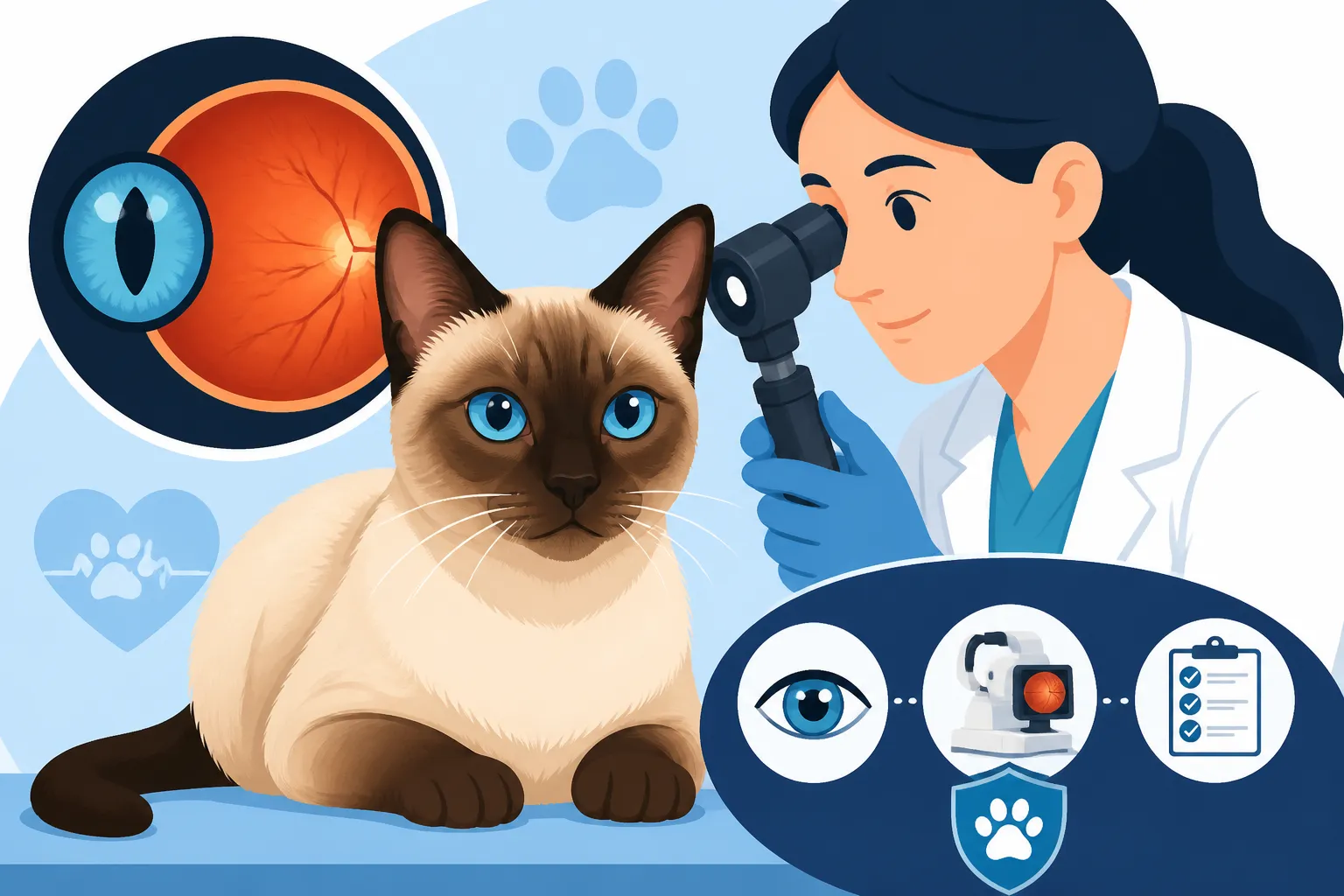
The first step usually involves a comprehensive ophthalmic examination. This is more than just a quick peek at their eyes. Your vet will carefully examine the external structures of the eye, looking for any signs of injury, inflammation, or infection. They'll assess pupil size and symmetry, as well as how the pupils respond to light. In cats with PRA, their pupils might be excessively dilated, even in bright light, and their pupillary light reflex (the constriction of the pupil in response to light) might be slower or absent. They’ll also check for any cloudiness in the cornea or lens, which could indicate conditions like cataracts, though cataracts are less common as a primary cause of blindness in Siamese cats.
Next, your vet will likely perform ophthalmoscopy, which involves using a special instrument (an ophthalmoscope) to look directly into the back of the eye, specifically at the retina and optic nerve. This can be done directly or indirectly, offering different fields of view. What the vet is looking for here are changes characteristic of retinal degeneration. In early PRA, these changes might be subtle, but as the disease progresses, they become more pronounced. The retina might appear thinned or atrophied, and the blood vessels supplying it might be noticeably smaller or sclerotic (hardened). The tapetum lucidum, the reflective layer behind the retina that gives cats their excellent night vision, might also appear more reflective than usual due to the thinning of the overlying retina.
Sometimes, especially if your cat is anxious, the vet might use a topical anesthetic eye drop to make the examination more comfortable. They might also dilate the pupils with special drops to get a clearer view of the retina. The findings from this detailed examination provide crucial clues and often point directly towards a diagnosis of PRA, or at least help rule out other major causes of vision loss. It's during this exam that your vet can gauge the extent of the retinal damage, helping to predict the rate of progression of the blindness.
Ruling Out Other Causes of Vision Impairment
It’s important to understand that many different conditions can cause vision loss in cats, and not all of them are PRA. Therefore, a crucial part of the initial veterinary assessment involves ruling out other potential causes, especially those that are treatable. Conditions like glaucoma (increased pressure within the eye), cataracts (clouding of the lens), retinal detachments due to trauma or underlying systemic disease, and even certain types of cancer can all lead to impaired vision. Your vet will systematically work through these possibilities to arrive at an accurate diagnosis.
Systemic diseases can also manifest with ophthalmic signs. For example, high blood pressure (hypertension), often secondary to kidney disease or hyperthyroidism, can lead to sudden blindness due to retinal detachment or hemorrhage. Diabetes can sometimes cause cataracts, though this is less common in cats than in dogs. Your vet might recommend blood tests to check for these underlying conditions, especially in older Siamese cats. A routine blood panel often includes checks for kidney function, thyroid levels, and blood glucose, giving a broader picture of your cat’s overall health. You can learn more about "What a Siamese Cat's Yearly Bloodwork Should Cover" to understand the importance of these routine tests.
A neurological examination might also be performed, particularly if your vet suspects a central nervous system issue could be affecting vision. This involves checking reflexes, coordination, and general neurological function to rule out brain tumors, infections, or inflammatory conditions that could impact the visual pathways from the eye to the brain. Sometimes, what appears to be a vision problem is actually a neurological deficit. By meticulously ruling out these other possibilities, your vet ensures that the focus can then be placed squarely on confirming PRA, or identifying and treating any other underlying condition.
Advanced Diagnostic Tools for Definitive PRA Confirmation
While the initial ophthalmic exam can strongly suggest PRA, a definitive diagnosis often requires more specialized, advanced testing. These tools provide objective evidence of retinal dysfunction, which is crucial for confirmation, especially in the early stages when changes might not be overtly visible with an ophthalmoscope.
Electroretinography ERG Testing
Electroretinography, or ERG, is considered the gold standard for definitively diagnosing PRA. This specialized test measures the electrical activity of the retina in response to light stimulation. Think of it like an electrocardiogram (ECG) for the heart, but for the eyes. The retina is made up of millions of photoreceptor cells (rods for low light vision and cones for bright light and color vision) that convert light into electrical signals that are then sent to the brain. In a cat with PRA, these photoreceptor cells progressively degenerate, leading to a diminished or absent electrical response.
The ERG procedure typically requires your cat to be sedated or under light anesthesia to ensure they remain still, allowing for accurate readings. Electrodes are gently placed on the cornea (the clear front surface of the eye) and around the eye, and a ground electrode is usually placed elsewhere on the body. Flashes of light, varying in intensity and color, are then directed into the eye, and the electrical responses generated by the retina are recorded and displayed as a waveform on a monitor. A normal ERG will show distinct waveforms corresponding to the healthy function of rods and cones.
In a cat affected by PRA, the ERG will show characteristic abnormalities. Depending on the stage and type of PRA, the waveforms might be significantly reduced in amplitude, delayed, or even completely flat-lined, indicating severe or complete loss of retinal function. This objective measurement is incredibly powerful because it can detect retinal dysfunction long before clinical signs of blindness are obvious to the owner or even visible with an ophthalmoscope. It provides clear, undeniable evidence of the disease, allowing for a precise diagnosis. For conditions where early detection is key for management and planning, ERG testing is invaluable.
Genetic DNA Testing for Known Mutations
While ERG testing assesses the function of the retina, genetic DNA testing looks for specific mutations in genes known to cause PRA in certain breeds. For some cat breeds, a reliable DNA test exists, allowing breeders to screen their cats and make informed decisions. However, when it comes to the Siamese cat, the situation is a bit more nuanced and can be a source of confusion for owners. The rdAc mutation, for example, is a well-known cause of PRA in Abyssinian and Persian cat breeds and their derivatives. There is a genetic test for rdAc, but the critical question is whether it's truly applicable and reliable for the Siamese breed.
Unfortunately, a universally accepted and reliable genetic test that covers all forms of PRA in Siamese cats is not currently available. While Siamese cats are indeed predisposed to PRA, the specific genetic mutations responsible for the disease in many Siamese lines have not been fully identified or characterized. This means that even if a Siamese cat tests negative for the rdAc mutation, it doesn't guarantee they are free from other forms of PRA specific to their breed. Therefore, relying solely on an rdAc DNA test for a Siamese cat can be misleading and provide a false sense of security. This is why you might hear that "Whether the rdAc DNA Test Works on a Siamese Cat" is a complex question, and "Why an rdAc Result Is Unreliable in a Siamese Cat" needs to be understood by prospective owners and breeders alike.
Despite these limitations, genetic testing for specific known mutations can still be valuable in certain contexts. For instance, if a specific Siamese line is known to carry a particular, identified mutation, breeders can use the test to avoid breeding affected cats or carriers. It's crucial to consult with a veterinary ophthalmologist or a genetic counseling service to determine if any relevant genetic tests are available for your specific Siamese cat's lineage and what their implications might be. Knowing "Which Lab Runs the Siamese Cat PRA Test" can also help in navigating the options, but always with a clear understanding of what those tests can and cannot confirm for a Siamese. This is why ERG remains the primary diagnostic tool for confirming PRA in Siamese cats, especially given the current state of genetic research for the breed.
Living with a Siamese Cat Diagnosed with PRA
Receiving a diagnosis of PRA for your beloved Siamese cat can be incredibly emotional and overwhelming. It's a progressive disease with no cure, meaning your cat's vision will continue to decline. However, a diagnosis isn't a death sentence; it's an opportunity to adapt and provide your cat with the best possible quality of life as they transition to blindness.
Managing Vision Loss and Maintaining Quality of Life
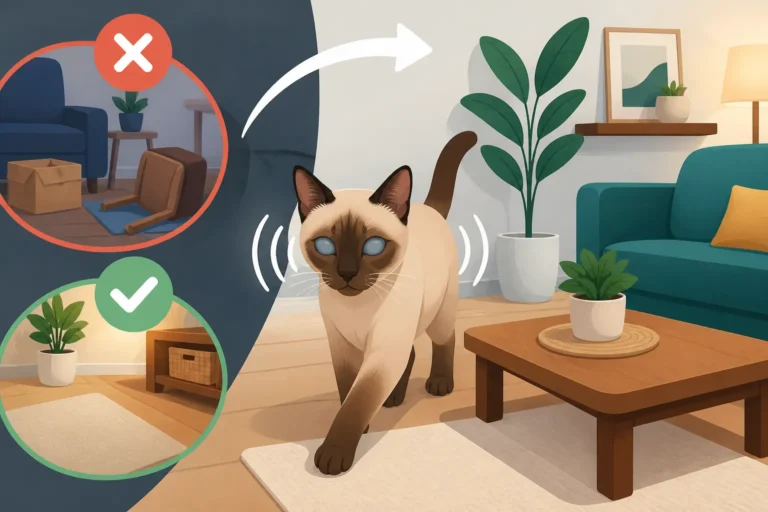
Since there's no treatment to reverse or stop the progression of PRA, the focus shifts entirely to supportive care and helping your cat adapt to their changing world. The good news is that cats are remarkably resilient and can cope incredibly well with blindness, especially if the process is gradual, as it is with PRA. Your main goal will be to create a safe, predictable, and enriching environment that minimizes stress and maximizes their comfort. This means keeping furniture and litter boxes in consistent locations, avoiding sudden changes to their home layout. Providing distinct pathways and ensuring their feeding and sleeping spots are easily accessible will become paramount.
Scent can become an incredibly important tool for a blind cat. You might consider using different scents (like a drop of essential oil diluted in water, used sparingly and safely) on specific areas, like their litter box or favorite sleeping spots, to help them navigate. Voice cues will also become vital – speaking to your cat before you approach them, especially if they're sleeping, can prevent startling them. Consistency in routine is key; feeding times, play times, and cuddles all contribute to their sense of security. Regular play sessions, using toys that make sounds (like crinkle balls or toys with bells), will still be important to keep them mentally and physically stimulated. It’s truly amazing to see "How a Blind Siamese Cat Manages" and thrives with the right support.
Creating safe spaces is also crucial. Consider soft ramps for accessing elevated areas, and block off potential hazards like open stairwells or fireplaces. While some owners might consider letting their blind cat outdoors in a secure catio, most vets would recommend keeping a blind cat strictly indoors to protect them from dangers they can no longer perceive. Remember that even though their eyes can’t see, their other senses become incredibly heightened, helping them to map out their environment through sound, touch, and smell. For detailed advice on adjusting your home, you'll find "How to Rearrange a Home for a Blind Siamese Cat" very useful. You might also want to consult "How a Blind Siamese Cat Finds the Litter Box" for practical tips on this essential aspect of care.
The Importance of Regular Follow-Up and Support
Even after a definitive PRA diagnosis, regular veterinary follow-up appointments are crucial. These visits allow your vet to monitor your cat’s overall health, address any secondary issues that might arise, and provide ongoing support and advice. While PRA itself isn't painful, your vet can check for other age-related conditions that might impact your cat's well-being and adjust their care plan as needed. They can also offer guidance on navigating behavioral changes that may accompany the progression of blindness, such as increased anxiety or changes in sleep patterns. This continued partnership with your vet is invaluable in providing the best care for your Siamese cat throughout their life.
Financially, managing a chronic condition like PRA and the subsequent care for a blind cat can become a concern for many owners. This is where comprehensive pet insurance can be a lifesaver. Providers like Healthy Paws often cover diagnostic tests, veterinary consultations, and sometimes even specialized equipment or therapies that enhance your cat's quality of life, depending on your plan. It’s always wise to investigate what your pet insurance covers, and importantly, to understand any clauses regarding inherited conditions. While some policies might have limitations, many do offer significant support for the costs associated with managing a lifelong illness. Researching "Whether Insurance Excludes a Siamese Cat's Inherited Disease" can help you prepare financially.
Beyond the medical and financial aspects, remember to seek emotional support for yourself. It’s perfectly normal to grieve the loss of your cat's eyesight. Connecting with other owners of blind cats, either through online forums or local support groups, can provide invaluable camaraderie and practical advice. Your vet team can often point you towards these resources. The bond you share with your Siamese will deepen as you navigate this journey together. With patience, understanding, and consistent care, your Siamese cat can continue to live a full, happy, and enriching life, demonstrating their incredible spirit and adaptability. Even if they are "The Age a Siamese Cat With PRA Goes Blind" relatively young, their capacity for joy and connection remains profound.
Differentiating Eye Conditions in Siamese Cats
| Symptom/Characteristic | Progressive Retinal Atrophy (PRA) | Glaucoma | Cataracts | Retinal Detachment |
|---|---|---|---|---|
| Onset of Vision Loss | Gradual, progressive, often starts with night blindness | Often sudden and painful | Gradual, sometimes stable | Sudden, complete or partial |
| Eye Appearance (visible) | Pupils dilated, increased tapetal reflectivity, normal pain response | Enlarged eyeball, redness, cloudy cornea, PAINFUL | Cloudy/opaque lens, pupil often normal | Pupil dilated, retina not visible clearly, normal pain |
| Pain Level | None | Severe, acute pain | None (unless secondary glaucoma develops) | None |
| Pupillary Light Reflex (PLR) | Slow or absent | Absent, dilated pupil | Often normal initially, then can be affected | Absent, dilated pupil |
| Ophthalmoscopy Findings | Retinal thinning/atrophy, vessel attenuation | Optic nerve cupping, retinal changes | Lens opacity, retina not visible through lens | Retina appears "crinkled" or detached |
| ERG Results | Severely reduced or flatline | Normal (if retina healthy), but can be affected by pressure | Normal (if retina healthy), but can be affected by opacity | Reduced or absent if full detachment |
| Treatment | No cure, supportive care | Emergency treatment, pain management, surgery | Surgical removal (if viable and indicated) | Emergency surgery (if acute trauma) |
Disclaimer
The information provided in this article is intended for general knowledge and informational purposes only, and does not constitute medical advice. Always consult with a qualified veterinarian or veterinary ophthalmologist for any health concerns or before making any decisions related to your Siamese cat's health or treatment.