Heart Murmurs in a Siamese Cat
The moment your veterinarian’s expression changes, or they spend a little too long listening to your beloved Siamese's chest with a stethoscope, your heart sinks. Hearing the words "heart murmur" can be incredibly frightening, conjuring up all sorts of worst-case scenarios and leaving you with a knot of anxiety. It’s natural to feel overwhelmed, confused, and worried about what this might mean for your chatty companion. This comprehensive guide is here to demystify heart murmurs in Siamese cats, explaining what they are, why they occur, how they're diagnosed, and what steps you can take to ensure your feline friend continues to live a full and happy life.
What Exactly is a Heart Murmur in Your Siamese?
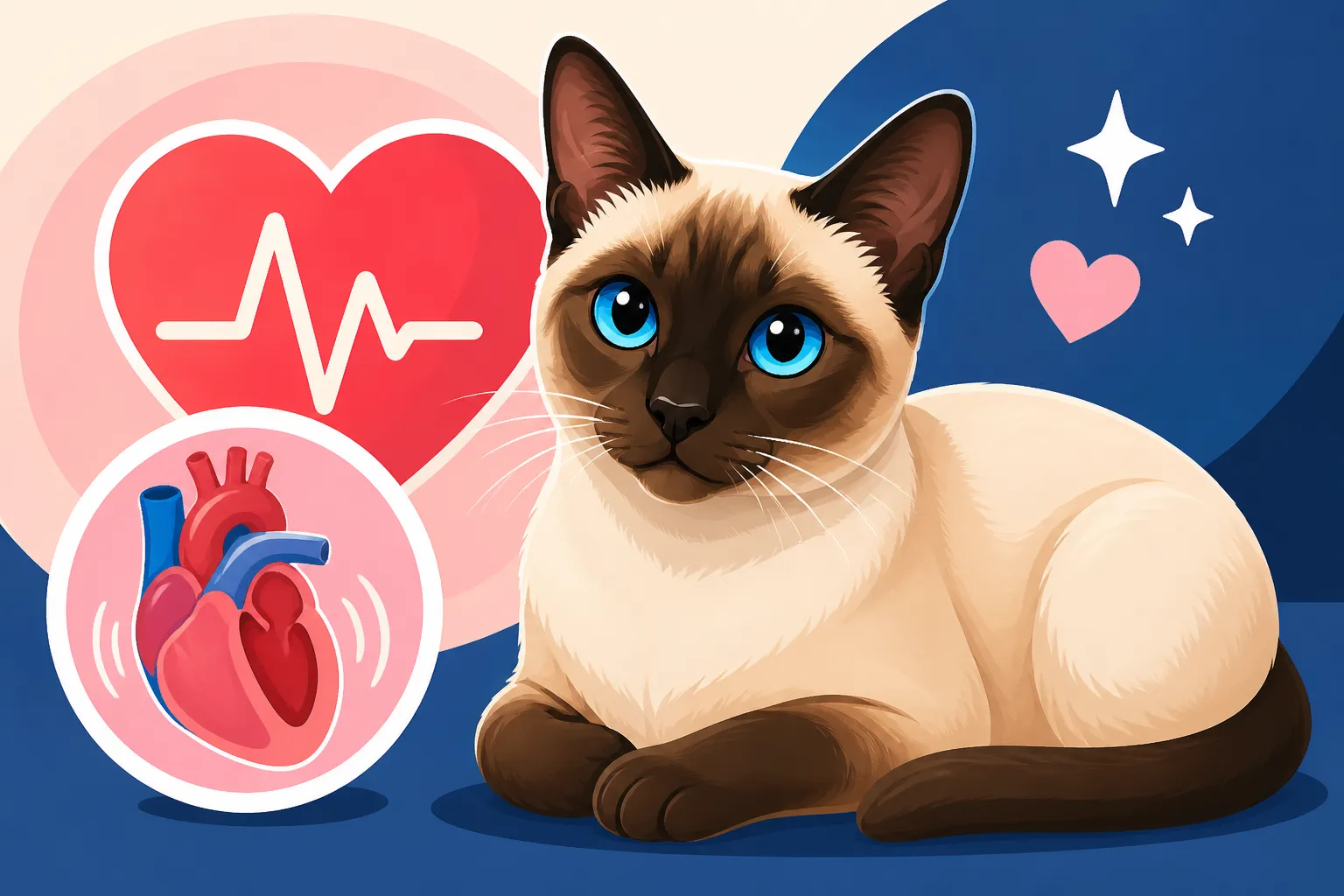
Let's start with the basics, because understanding what a heart murmur is can help you feel a little less intimidated by the term. Imagine your cat's heart as a beautifully orchestrated pump, pushing blood through a series of pipes (arteries and veins) with rhythmic, silent precision. The familiar "lub-dub" sounds you might hear, or your vet hears, are the normal sounds of the heart valves opening and closing. A heart murmur, simply put, is an extra, abnormal sound – a whooshing, swishing, or turbulent noise – that your vet can detect with their stethoscope. It's not a disease itself, but rather an indicator that something might be causing turbulent blood flow within the heart or major blood vessels.
The Sounds Your Vet Hears: Grading Murmurs
When your vet identifies a heart murmur, they don't just stop there. They'll try to characterize it based on several factors, including its intensity, location, and timing within the cardiac cycle. The intensity, or loudness, is often graded on a scale from I to VI. A Grade I murmur is very soft and difficult to hear, almost like a whisper, while a Grade VI murmur is so loud it can sometimes be felt through the chest wall, even without a stethoscope. This grading system gives your vet an initial clue about the potential severity of the underlying issue. It’s not always a direct correlation – a soft murmur can sometimes indicate a significant problem, and a louder one might be completely benign – but it's an important piece of the puzzle. They'll also note where the murmur is loudest on the chest, as this can pinpoint which specific valve or area of the heart might be involved.
Why They Matter: Underlying Issues a Murmur Can Indicate
The presence of a heart murmur is essentially a red flag, prompting further investigation. It suggests that blood isn't flowing smoothly, and this turbulence can be caused by a variety of reasons, ranging from something quite innocent to a serious underlying heart condition. For us Siamese cat parents, this is particularly important because our breed, as wonderful and vocal as they are, can be predisposed to certain cardiac issues. A murmur might indicate a structural abnormality in the heart valves, a narrowing of a blood vessel, a hole between heart chambers, or an increased volume or speed of blood flow. Sometimes, it's just a temporary thing, but often, it's the first hint that a more significant issue, like a serious heart disease, is at play. Understanding the nuances here is vital for your cat’s long-term health, and it's why your vet will usually recommend further steps after detecting one.
Common Causes of Heart Murmurs in Siamese Cats
When your vet mentions a heart murmur, it's natural to immediately jump to the worst conclusion. However, it's really important to remember that not all murmurs are cause for alarm. There's a wide spectrum of reasons why a Siamese cat might have a heart murmur, some quite benign, others more serious and breed-specific. Let's delve into the possibilities.
Genetic Predispositions and Hypertrophic Cardiomyopathy (HCM)
This is perhaps the most significant concern for Siamese cat owners when a heart murmur is detected. Hypertrophic Cardiomyopathy, or HCM, is the most common heart disease in cats, and certain breeds, including our beloved Siamese, are genetically predisposed to it. If you're wondering Whether HCM Affects Siamese Cats, the answer is a resounding yes. HCM causes the muscular walls of the heart's main pumping chamber (the left ventricle) to thicken abnormally. This thickening makes it harder for the heart to pump blood effectively and can lead to serious complications, including blood clots, congestive heart failure, and sudden death.
The murmur in HCM typically results from the turbulent flow of blood as it's forced through the narrowed outflow tract of the thickened ventricle, or from the mitral valve being pulled out of position. While not all cats with HCM will have a murmur, and not all cats with a murmur have HCM, a persistent murmur in a Siamese cat absolutely warrants investigation for this condition. Early detection, even before symptoms like difficulty breathing or lethargy appear, can be crucial for managing the disease and improving your cat's quality of life. The genetic aspect of HCM is particularly frustrating, as it means even well-bred cats from seemingly healthy lines can sometimes carry the gene.
Acquired Heart Conditions and Other Health Issues
Beyond HCM, there are other conditions that can lead to heart murmurs in Siamese cats, even if they aren't inherently genetic to the breed.
- Hypertension (High Blood Pressure): While often secondary to other diseases like kidney disease or hyperthyroidism, high blood pressure can increase the velocity of blood flow, leading to a murmur.
- Anemia: A low red blood cell count makes the blood thinner, causing it to flow more turbulently and creating a functional murmur. This isn't a heart problem itself, but a symptom of an underlying condition that affects blood composition.
- Hyperthyroidism: An overactive thyroid gland causes the heart to work harder and faster, increasing blood flow velocity and potentially leading to a murmur. This is particularly common in older Siamese cats.
- Heartworm Disease: Though less common in indoor cats, heartworms can cause inflammation and blockages within the heart and pulmonary arteries, leading to murmurs and significant cardiac strain.
- Other Structural Defects: While less common than HCM, some cats can develop other acquired structural abnormalities of the heart valves or chambers that manifest as murmurs. Sometimes Congenital Heart Defects in a Siamese Cat Kitten might be found at a young age, indicating a problem from birth.
These acquired conditions mean that a murmur isn't always a life sentence, and addressing the underlying issue can sometimes resolve or significantly improve the murmur. This is why a thorough diagnostic workup is so important.
Benign or "Innocent" Murmurs
This is the news every cat owner hopes to hear: that the murmur is nothing to worry about. "Innocent" or "physiological" murmurs are real, audible murmurs that have no underlying structural heart disease or systemic illness. They are generally soft (Grade I-III) and often temporary.
- Stress and Excitement: A highly stressed or excited cat, perhaps during a vet visit (and let's face it, many Siamese cats are very expressive about their vet visits!), might have a temporary increase in heart rate and blood flow that causes a murmur. These often disappear once the cat calms down.
- Fever: Elevated body temperature can also cause blood to flow more rapidly, leading to a temporary murmur.
- Rapid Growth in Kittens: Young, rapidly growing kittens can sometimes have innocent murmurs that they simply outgrow as their cardiovascular system matures. If your Siamese kitten has a murmur, your vet might monitor it for a few months to see if it resolves on its own.
While these murmurs are benign, your vet will still likely recommend further checks to rule out more serious causes, especially for a breed known to have genetic predispositions like the Siamese. It’s always better to be safe than sorry when it comes to heart health.
Diagnosing and Understanding Your Siamese Cat's Murmur
Okay, so your vet has heard a murmur. Now what? The immediate concern is whether it's an "innocent" murmur or a symptom of a serious underlying condition. This is where diagnostic tools come into play. It's a stressful time, waiting for answers, but getting a clear diagnosis is the most important step for your Siamese's health.
Beyond the Stethoscope: Advanced Diagnostic Tools
While the stethoscope is the first line of defense, it can only tell your vet that a murmur exists and give a rough idea of its intensity and location. To truly understand the cause, more sophisticated diagnostics are usually required.
- Echocardiogram (Echo): This is the gold standard for diagnosing heart disease in cats. An echocardiogram is essentially an ultrasound of the heart. It allows a veterinary cardiologist to visualize the heart's chambers, valves, and major blood vessels in real-time. They can see if the heart walls are thickened (as in HCM), if valves are leaking or narrowed, if there are holes between chambers, or if there's fluid accumulation around the heart. This is how they determine Whether a Siamese Cat Needs an Echo and what it can reveal. The procedure is non-invasive and generally well-tolerated by cats, often requiring only gentle restraint.
- Chest X-rays: X-rays can provide information about the overall size and shape of the heart, the presence of fluid in or around the lungs (which can indicate congestive heart failure), and the condition of the major blood vessels. While they can't diagnose specific heart diseases as precisely as an echo, they are invaluable for assessing secondary effects of heart disease.
- Electrocardiogram (ECG): An ECG records the electrical activity of the heart. It helps detect abnormal heart rhythms (arrhythmias) that might be associated with heart disease.
- Blood Tests: While not directly diagnostic for heart structure, certain blood tests can provide important clues. For example, a complete blood count (CBC) can identify anemia, and a chemistry panel can check kidney and thyroid function, as these can impact heart health. More specific cardiac biomarkers, such as NT-proBNP, can also be measured to indicate heart muscle stretch or damage, often elevated in cats with significant heart disease.
The cost of these diagnostics can be daunting, but they are critical for an accurate diagnosis. Many owners find that pet insurance, such as a plan from Healthy Paws, can be incredibly helpful in managing the expenses associated with cardiac workups, especially since specialized cardiac care can add up quickly.
Interpreting the Grade and Location: What the Vet Looks For
Once all the diagnostic results are in, your vet, or more likely a veterinary cardiologist, will piece together the puzzle. The grade of the murmur, its location (e.g., left sternal border, apex), and the timing (systolic, diastolic, continuous) all provide clues that are corroborated by the echo, X-rays, and blood work.
A loud murmur (Grade IV-VI) often suggests a significant structural issue, but even a soft one (Grade I-III) in a breed like the Siamese, given their predisposition to HCM, should not be dismissed. The specific area where the murmur is heard loudest can help localize the problem – for instance, a murmur heard best over the left sternal border might indicate issues with the mitral or aortic valves. Understanding these details helps the veterinary team formulate the best treatment plan.
It's also worth noting that a cat can have an audible murmur but show no other symptoms of heart disease for a long time. This is why regular wellness exams and having your vet listen to your cat's heart every year are so crucial, especially as your Siamese ages and you consider Caring for a Siamese Cat Past Twelve. Early detection truly is key.
The Importance of Early Detection
I cannot stress this enough: early detection is paramount. Catching heart disease in its early stages, often indicated by a murmur, allows for interventions that can slow the progression of the disease and significantly extend your cat's comfortable lifespan. For conditions like HCM, while there isn't a cure, medications can manage symptoms, prevent complications like blood clot formation, and improve heart function.
Imagine the relief of knowing your cat's murmur is innocent, versus the worry of a progressive condition. The sooner you know, the sooner you can act. This might involve starting medications, making dietary changes, or simply implementing a strict monitoring schedule. Ignoring a murmur, or hoping it will go away, is not an option when your cat's long-term health is at stake. Regularly taking your Siamese for check-ups and being vigilant for Signs a Siamese Cat Is Unwell can make all the difference. While the initial costs of diagnostic tests, like What a Siamese Cat's Emergency Ultrasound Costs, can be a worry, the long-term benefits of an early and accurate diagnosis are priceless.
| Murmur Grade | Description | Potential Significance | Action Recommended |
|---|---|---|---|
| I | Very faint, heard intermittently | Often innocent, but can be associated with mild disease | Monitor, consider follow-up with specialist |
| II | Soft, consistently audible | Can be innocent, or mild to moderate disease | Recommend echocardiogram |
| III | Moderately loud, easily audible | Moderate heart disease likely | Strongly recommend echocardiogram, blood tests |
| IV | Loud, palpable thrill (felt on chest) | Moderate to severe heart disease | Urgent echocardiogram, full cardiac workup |
| V | Very loud, thrill easily palpable | Severe heart disease, potentially life-threatening | Immediate comprehensive cardiac evaluation |
| VI | Extremely loud, audible with stethoscope barely touching chest | Severe heart disease, likely in advanced stages | Immediate comprehensive cardiac evaluation and treatment |
Living with a Siamese Cat Diagnosed with a Heart Murmur
Receiving a diagnosis of a heart murmur, especially one linked to an actual heart condition like HCM, can feel devastating. But it's not a death sentence. Many Siamese cats with heart murmurs, even those with significant heart disease, can live many happy years with proper care and management. Your role as a dedicated cat parent becomes even more crucial now.
Ongoing Monitoring and Management
Once a heart murmur is diagnosed and its underlying cause identified, your vet or a veterinary cardiologist will create a management plan. This plan is highly individualized, depending on the specific condition, its severity, and whether your cat is showing any clinical signs.
- Regular Veterinary Check-ups: These become non-negotiable. You'll likely need more frequent visits, perhaps every 3-6 months, to monitor your cat's heart health. Your vet will listen to the murmur, check vital signs, and assess for any new symptoms.
- Medication: For conditions like HCM, medications are often prescribed to manage symptoms and slow progression. These might include beta-blockers to slow the heart rate and reduce thickening, ACE inhibitors to relax blood vessels, diuretics to remove fluid if congestive heart failure is present, or anti-clotting medications to prevent blood clots, which are a serious risk in cats with advanced HCM. Administering medication regularly and consistently, sometimes for the rest of your cat’s life, is paramount.
- Repeat Diagnostics: Your cardiologist might recommend repeat echocardiograms or X-rays periodically to monitor the progression of the disease and adjust medication dosages as needed. This helps them gauge how well your cat's heart is responding to treatment.
- Understanding Costs: Managing a chronic heart condition can involve significant costs over your cat's lifetime. From specialized medications to regular diagnostic tests, the expenses can add up. This is where comprehensive pet insurance can be a lifesaver. Companies like Healthy Paws offer policies that can help offset the financial burden, allowing you to focus on getting your Siamese the best care without undue stress about the bill.
Lifestyle Adjustments for a Happy Heart
Beyond medical management, there are several lifestyle adjustments you can make to support your Siamese's heart health and overall well-being.
- Diet: While there isn't usually a specific "heart diet" for early-stage feline heart disease, ensuring your cat eats a high-quality, balanced diet is always important. If congestive heart failure develops, your vet might recommend a low-sodium diet to help manage fluid retention. Maintaining a healthy weight is also crucial, as obesity puts extra strain on the heart.
- Exercise and Play: Keep your Siamese active, but be mindful of their limits. Intense, strenuous play that leaves them heavily panting or exhausted should be avoided, especially if they have moderate to severe heart disease. Short, frequent play sessions that don't overexert them are ideal. Think feather wands and puzzle toys rather than marathon chasing sessions. Your clever Siamese still needs mental and physical enrichment, but at a controlled pace.
- Stress Reduction: Stress can take a toll on a cat's heart. Provide a calm, consistent environment. Siamese cats thrive on routine and companionship, so sudden changes or prolonged periods of loneliness can be detrimental. Ensure they have plenty of safe, comfortable spots to rest and observe their surroundings. For tips on managing anxiety, you might find articles on calming environments helpful.
- Monitoring at Home: You'll become an expert in your own cat's normal breathing rate and activity levels. If you notice any changes – increased respiratory rate (especially when resting), coughing, lethargy, or a decrease in appetite – contact your vet immediately. These can be signs of worsening heart disease or the onset of congestive heart failure.
Prognosis and Quality of Life
The prognosis for a Siamese cat with a heart murmur varies greatly depending on the underlying cause, the severity of the condition, and how well it responds to treatment. An innocent murmur carries an excellent prognosis, requiring no special treatment. For cats with HCM, the outlook can range from years of stable health with medication to a more rapid progression.
What we aim for is always the best possible quality of life. This means managing symptoms effectively, minimizing discomfort, and allowing your Siamese to enjoy their characteristic playful, affectionate, and vocal nature for as long as possible. Open communication with your vet and a veterinary cardiologist is essential. Don't hesitate to ask questions, voice your concerns, and discuss all available options. While it might seem like a long road, the dedication you put into their care can make a profound difference in How Long a Siamese Cat Lives on Average and how comfortably they live those years. You are their advocate, and with knowledge and a good veterinary team, you can help them thrive.
Disclaimer
This article is intended for informational purposes only and does not constitute medical advice. Always consult with a qualified veterinarian for any health concerns or before making any decisions about your Siamese cat's medical care.