What a Lilac Point Siamese Cat Kitten Costs
Bringing a Siamese cat into your home is an exciting prospect, but the journey often starts with a lot of questions, especially regarding cost. Many aspiring owners are drawn to specific color points, like the elegant Lilac Point, only to find price information elusive or confusing. This guide will meticulously break down what influences the cost of a Lilac Point Siamese cat kitten, offering clarity on the initial purchase and the important expenses that follow.
Understanding Siamese Cat Pricing Dynamics
The world of purebred cats, including Siamese, has a fascinating and often complex pricing structure that can leave newcomers feeling a bit bewildered. It’s not simply a matter of picking a color and being handed a standard bill; many factors are at play, making it crucial to understand the underlying dynamics.
General Siamese Cat Kitten Costs
Generally speaking, a purebred Siamese cat kitten from a reputable breeder in a registered cattery can fall within a fairly broad range. This isn't like buying a mass-produced item where prices are uniform. Instead, you're looking at a range that reflects the breeder's investment in health, genetics, and the lineage of their cats. Factors like the breeder's location, their reputation, and whether the kitten is destined for a pet home or a show ring significantly impact this baseline. Expect prices to start somewhere and climb quite a bit higher depending on these variables. For a deeper dive into the overall market, you might find our article on What a Siamese Cat Kitten Costs From a Breeder quite illuminating.
Why Siamese Cat Prices Range So Widely
The price variability for Siamese kittens isn't arbitrary. It stems from a combination of the breeder's practices, the rarity of certain traits, and the overall demand for the breed. A breeder who invests heavily in health screening, providing a clean and enriching environment, and ensuring proper socialization for their kittens will naturally have higher costs to recoup. Furthermore, some bloodlines might have a history of champions, which also adds to the perceived value. This wide range also accounts for kittens sold with breeding rights versus those sold as pets, with pet prices typically being lower and often including a spay/neuter agreement. The article Why Siamese Cat Prices Range So Widely offers a comprehensive look into these fluctuations.
The Allure and Cost of the Lilac Point Siamese
Among the four traditional Siamese point colors—Seal, Blue, Chocolate, and Lilac—the Lilac Point holds a special place for many enthusiasts. Its delicate, almost ethereal coloring sets it apart, often leading to questions about whether this particular hue comes with a premium price tag.
What Defines a Lilac Point Siamese
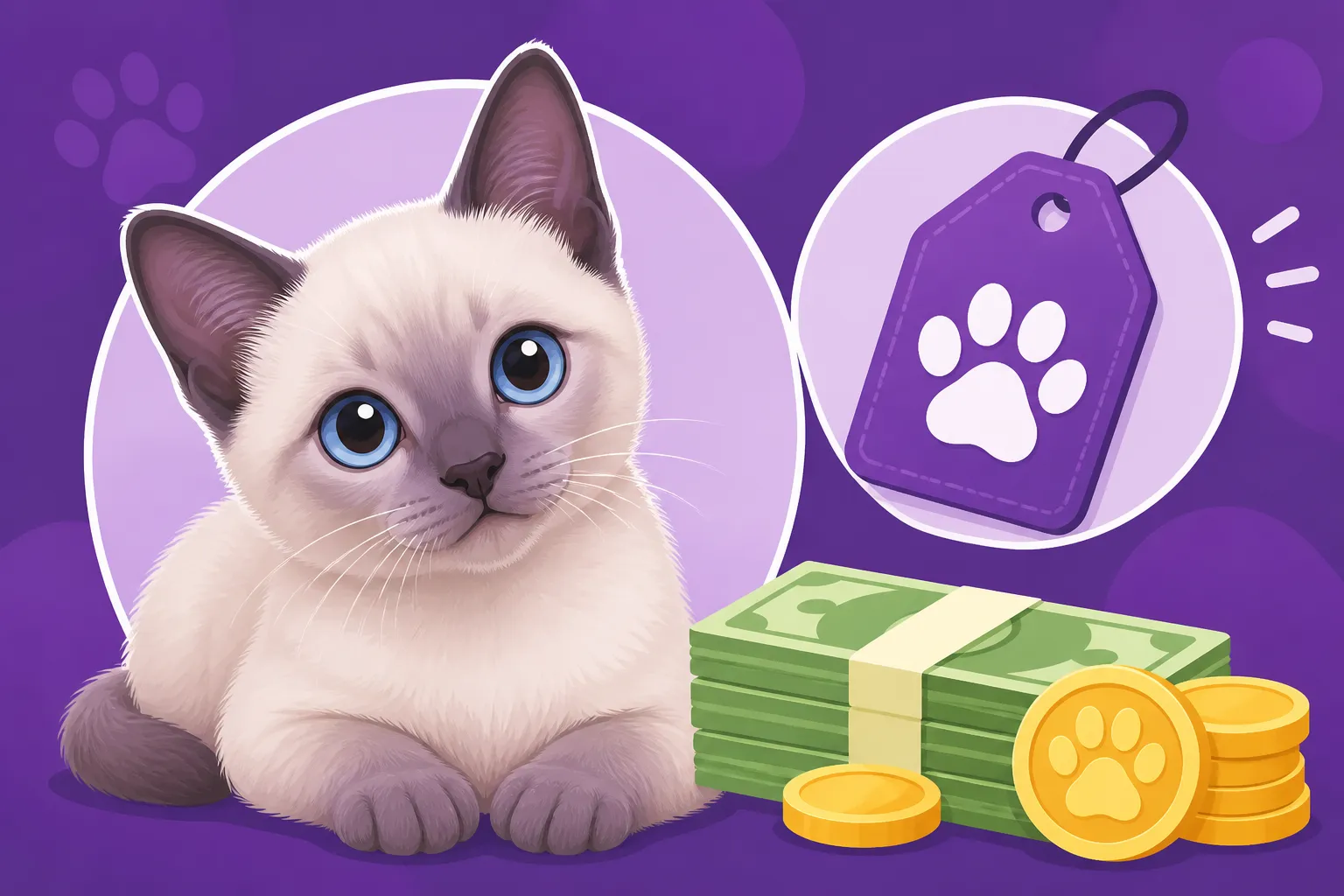
A Lilac Point Siamese is truly a vision of pastel elegance. Their body fur is usually a glacial white, almost like powdered sugar, gradually shading to a soft, frosty grey on the back, often described as a pinkish-grey or dove grey. Their points – the ears, mask, paws, and tail – are a beautiful, delicate pinkish-grey or light lavender shade. This subtle coloration is a dilute of the Chocolate Point, meaning the chocolate pigment is softened and diluted to create this lighter, cooler tone. Unlike the stark contrast of a Seal Point or the rich warmth of a Chocolate Point, the Lilac Point offers a more understated, sophisticated aesthetic. Their paw pads and nose leather are typically a lavender-pink, perfectly complementing their points.
Factors Driving Lilac Point's Higher Price Tag
It's a common perception that Lilac Points are among the more expensive Siamese varieties, and there's often truth to this. One primary reason is genetics. Lilac is a double dilute color, meaning a kitten must inherit two copies of the dilute gene and two copies of the chocolate gene to express the Lilac Point color. This makes it a bit more challenging for breeders to consistently produce compared to, say, Seal Points, which are genetically dominant. Breeders who specialize in or reliably produce Lilac Points have often spent years carefully selecting their breeding pairs, understanding the complex genetic combinations required. This extensive genetic planning and the relative rarity in some lines can push prices higher. Demand also plays a role; the unique and beautiful appearance of the Lilac Point often creates a strong desire among potential owners, and increased demand can, in turn, influence pricing. Our article on Whether a Lilac Point Siamese Cat Costs More delves further into this specific pricing dynamic.
Is the Lilac Point Truly More Expensive?
While many sources and anecdotal experiences suggest that Lilac Point Siamese kittens command a higher price, it's not a universal rule. The premium often comes from the genetic work and specialized breeding involved. However, the exact price is still heavily influenced by all the factors we discussed for general Siamese kittens: the breeder's reputation, the kitten's pedigree, health guarantees, and whether it's show quality or pet quality.
For instance, a pet-quality Lilac Point from a smaller, less established cattery might be comparable in price to a high-quality Seal Point from a well-known breeder. Conversely, a show-quality Lilac Point from a champion line will almost certainly be at the higher end of the Siamese price spectrum. Ultimately, while Lilac Points often lean towards the pricier side due to their genetics and aesthetic appeal, it's essential to consider the complete picture of the kitten and the breeder. Many point colors carry their own unique allure and associated costs, as explored in Which Siamese Cat Point Colors Cost the Most.
What Influences the Price of Any Siamese Kitten
When you're looking at the price tag of any Siamese kitten, especially a sought-after Lilac Point, it's crucial to understand that the number isn't just pulled out of thin air. It reflects a myriad of investments and standards upheld by responsible breeders.
Breeder Reputation and Standards
A breeder's reputation is often directly proportional to the price of their kittens. Reputable breeders aren't just selling "cute kittens"; they are selling the culmination of years of dedicated breeding, extensive knowledge, and ethical practices. This includes maintaining a clean, safe, and stimulating environment for their cats, providing high-quality nutrition, and ensuring all their breeding cats are sound in temperament and health. They invest in showing their cats to uphold breed standards, which adds to their prestige. Such breeders also often offer significant post-sale support, acting as a resource for new owners for the lifetime of the cat. These high standards and ongoing support are integral to the value you receive and are reflected in the purchase price.
Pedigree, Registration, and Show Potential
The kitten's pedigree is another major price driver. A pedigree is essentially a family tree that tracks the kitten's lineage, often going back several generations. If a kitten comes from a line of champion cats, or if its parents themselves are titled, its price will naturally be higher. This is because these pedigrees indicate that the cat meets or exceeds breed standards, and these desirable traits are likely to be passed on.
Registration with a recognized cat association, such as the CFA (Cat Fanciers' Association) or TICA (The International Cat Association), also adds value. Registration confirms the cat's purebred status and its lineage. For kittens identified as having "show potential," meaning they exhibit the physical and temperamental qualities that could make them successful in cat shows, the price will be significantly higher than a "pet quality" kitten. Pet quality kittens are still wonderful, healthy purebreds, but they might have a slight deviation from the stringent show standard that makes them unsuitable for competition or breeding programs.
Health Screenings and Guarantees
One of the most critical, yet often unseen, investments a reputable breeder makes is in health screening. This isn't just about a quick vet check; it involves comprehensive tests for common breed-specific genetic conditions. For Siamese cats, this might include screening for issues like progressive retinal atrophy (PRA) or certain heart conditions, though for some conditions like amyloidosis, there is currently no DNA test. When a breeder provides results of these screenings for the parent cats, and often for the kittens themselves, it provides a much greater assurance of health and reflects a significant financial and ethical commitment on their part.
Many breeders also offer a health guarantee, a contract promising a healthy kitten and sometimes a limited warranty against certain genetic defects. This peace of mind is invaluable and is, understandably, factored into the overall cost. Buyers should always ask about these screenings and guarantees. Our article Which Tests a Siamese Cat Breeder Actually Runs provides more detail on what to expect.
Beyond the Purchase Price: Initial Costs to Consider
The kitten's purchase price is just the beginning of your financial commitment. Bringing a new Lilac Point Siamese kitten home involves numerous initial expenses that savvy owners factor into their budget from day one.
First-Year Essentials: Setup Costs
When your new Siamese kitten arrives, it needs a comfortable and safe environment. This means budgeting for essentials like a sturdy carrier for vet visits and travel, food and water bowls (stainless steel or ceramic are often recommended for hygiene), a litter box (or several, ideally one per cat plus one extra), and plenty of high-quality litter. Beyond the basics, you'll need scratching posts and cat trees to satisfy their natural urge to scratch and climb, saving your furniture. Investing in durable, engaging toys is also crucial for a Siamese, as they are highly intelligent and need mental stimulation. Cat beds or cozy napping spots are also essential. Remember that Siamese cats are quite active and intelligent; they'll appreciate vertical space and toys that challenge them. For a complete picture of the budget required, check out What the First Year With a Siamese Cat Costs.
Veterinary Care and Vaccinations
A new kitten, regardless of its pedigree, will require immediate veterinary attention. This includes a comprehensive wellness check-up shortly after coming home to establish a baseline of health. Vaccinations are critical for protecting your kitten against common feline diseases. These are typically given in a series over several weeks, followed by regular boosters. You’ll also need to budget for deworming treatments and flea/tick prevention. If your kitten hasn't already been spayed or neutered by the breeder (many reputable breeders include this in the purchase price for pet-only kittens), this will be a significant cost that needs to be factored in. These initial vet visits are non-negotiable for a healthy start to your kitten's life.
Food and Nutrition Considerations
Choosing the right food for your growing Lilac Point Siamese is paramount. Siamese cats are known for their lean, athletic build and high energy levels, which means they often thrive on high-quality, protein-rich diets. While many brands offer excellent options, you'll want to look for foods that list meat as the primary ingredient and avoid excessive fillers. Companies like Chewy offer a vast selection of premium cat foods, from kibble to wet food, and even prescription diets if ever needed, often with convenient delivery services. The cost of food can vary significantly depending on the brand, type (wet vs. dry), and any special dietary requirements your vet might recommend. For more on this, our guide on What Feeding a Siamese Cat Costs a Month can be very helpful.
Insurance: Protecting Your Investment
Pet insurance is an increasingly popular option for cat owners, and it's something every Siamese owner should seriously consider. While an initial cost, it can provide immense financial relief should your Lilac Point kitten face an unexpected illness or injury down the line. Siamese cats, like any breed, can be prone to certain health issues, and veterinary treatments, especially for emergencies or chronic conditions, can quickly become very expensive. Companies like Healthy Paws offer various plans that can help cover a significant portion of these costs, from accidents to illnesses, allowing you to make medical decisions based on what's best for your cat, not just your wallet. Understanding What Insuring a Siamese Cat Costs a Month is a vital part of long-term financial planning for your feline companion.
Breeder vs. Rescue: Where to Find Your Lilac Point
Deciding where to acquire your Lilac Point Siamese kitten is a significant choice, influencing not only the initial cost but also the transparency of its health history and temperament. Both reputable breeders and dedicated rescues offer paths to bringing a Siamese into your home, each with its own set of considerations.
Finding a Reputable Breeder
When seeking a specific color point like a Lilac, a reputable breeder is often the primary route. They specialize in breeding purebred Siamese cats, focusing on health, temperament, and adherence to breed standards. A good breeder will:
- Welcome Questions: They should be open and willing to answer all your questions about their cattery, the kitten's parents, and their breeding practices.
- Provide Health Clearances: They should provide documentation of health screenings for the parent cats, especially for genetic conditions prevalent in the breed.
- Offer a Health Guarantee: A written health guarantee is a sign of a responsible breeder standing behind the health of their kittens.
- Insist on Spay/Neuter: Most reputable breeders will sell pet-quality kittens with a contract requiring them to be spayed or neutered by a certain age, often having already performed the procedure before placement.
- Screen Buyers: They will also ask you questions to ensure their kittens are going to loving, appropriate homes.
- Be a Resource: A good breeder remains a resource for the cat's lifetime, offering advice and support.
It's crucial to visit the cattery if possible, or at least have a virtual tour, to observe the living conditions and the health and temperament of the parent cats.
Adopting a Lilac Point from a Rescue
While finding a Lilac Point Siamese kitten specifically in a rescue might be less common than through a breeder, it's not impossible, especially if you're open to an adult cat. Siamese rescues and general cat rescues sometimes have purebred Siamese cats, including various point colors, that need forever homes.
- Lower Initial Cost: Adoption fees from rescues are typically much lower than breeder prices and usually include spay/neuter, initial vaccinations, and microchipping. This makes What Adopting an Adult Siamese Cat Costs a much more budget-friendly option.
- Unknown History: The exact lineage and early history of a rescue cat might be unknown, which means fewer guarantees about genetic health. However, many rescues provide veterinary records and foster home observations about temperament.
- Adult Personalities: Adopting an adult cat means their personality is already well-developed, offering a clearer idea of what to expect in terms of temperament and vocal tendencies. This can be an advantage, as Siamese cats are known for their distinct personalities and vocalizations.
- The Reward of Giving a Second Chance: There's immense satisfaction in providing a loving home to a cat in need, and many rescue Siamese are just as loving and playful as their kitten counterparts.
Regardless of your choice, thorough research and patience are key to finding the right Lilac Point Siamese for your family.
Making an Informed Decision for Your Future Feline Friend
Bringing any cat into your life is a long-term commitment, but a Siamese, with its unique personality and needs, requires particular thought. Making an informed decision goes beyond just the initial cost of a Lilac Point kitten; it involves understanding the responsibilities that come with it.
Questions to Ask Before Bringing a Kitten Home
Before you commit to a Lilac Point Siamese, arm yourself with a list of questions for breeders or rescue organizations. These inquiries will not only help you assess the health and background of your potential new family member but also gauge the professionalism and ethics of the source.
When speaking with a breeder, ask about:
- Parental Health: What health screenings have been performed on the parent cats? Can you see the results for common issues like PRA or heart conditions?
- Temperament: What are the temperaments of the parents like? Are the kittens socialized and handled regularly?
- Vaccinations and Worming: What vaccinations has the kitten received, and when is the next round due? When was it last dewormed?
- Guarantees and Contracts: What health guarantee do they offer, and what are the terms of the purchase contract? Does it include a spay/neuter clause?
- Diet: What food is the kitten currently eating? This helps ensure a smooth transition to your home.
- Early Socialization: How have the kittens been raised? Are they exposed to household noises, children, or other pets?
- References: Can they provide references from other happy kitten owners?
If you're considering a rescue, ask about:
- Known History: What is known about the cat's background, even if limited?
- Veterinary Care: What vet care has the cat received (vaccinations, spay/neuter, microchip, dental work if adult)?
- Temperament Assessment: How has the cat behaved in its foster home? Is it good with children, other cats, or dogs? Does it have any known quirks or anxieties?
- Behavioral Issues: Are there any known behavioral challenges, such as litter box issues or excessive vocalization?
- Dietary Needs: Does the cat have any special dietary requirements?
A good breeder or rescue will appreciate your thoroughness, as it shows you are a responsible prospective owner.
Budgeting for Long-Term Ownership
The initial cost of your Lilac Point Siamese kitten is just a fraction of the total expense over its lifetime. Siamese cats can live for fifteen to twenty years, and throughout that time, they will incur ongoing costs that need careful budgeting.
Consider these long-term expenses:
- Food: High-quality food is a continuous expense. As your cat ages, they might need specialized senior or prescription diets, which can be more costly.
- Veterinary Care: Beyond initial vaccinations, annual check-ups, preventative care (flea/tick, deworming), and potential emergency visits or chronic illness management will be necessary. This can include anything from regular dental cleanings to more complex surgeries.
- Litter and Supplies: Litter, litter box liners, and replacement toys are ongoing needs.
- Grooming: While Siamese have short coats, they still benefit from occasional brushing, and some owners opt for professional nail trims.
- Pet Insurance: Maintaining a good pet insurance policy, like those offered by Healthy Paws, can save you from significant out-of-pocket expenses during unexpected health crises.
- Enrichment: Siamese cats are highly intelligent and need constant mental and physical enrichment. This means investing in new toys, puzzle feeders, cat trees, and perhaps even a catio. Without adequate stimulation, a bored Siamese can become destructive.
- Pet Sitting/Boarding: If you travel, you'll need to budget for reliable pet care, which can range from daily visits from a sitter to professional boarding facilities.
Understanding these lifelong commitments is essential. While the initial investment in a Lilac Point Siamese kitten might seem substantial, the love, companionship, and endless entertainment they provide are truly priceless. Our article Whether a Siamese Cat Is Expensive to Own offers a broader perspective on overall costs.
| Cost Category | Typical Range (Approximate) | Notes |
|---|---|---|
| Kitten Purchase | Medium to High Range | Lilac Points often on the higher end due to genetics & demand. |
| Initial Vet Visit | Low to Medium Range | Check-up, first vaccinations, deworming. |
| Spay/Neuter | Medium Range | Often included by reputable breeders for pet-only kittens. |
| Microchipping | Low Range | Essential for identification and often done at spay/neuter. |
| Carrier | Low to Medium Range | Durable for vet visits and safe transport. |
| Litter Box & Litter | Low to Medium Range | Multiple boxes recommended; quality litter can be cheaper long-term. |
| Food & Water Bowls | Low Range | Stainless steel or ceramic are hygienic choices. |
| First Month's Food | Low to Medium Range | High-quality, protein-rich diet is best for active Siamese. |
| Scratching Posts/Tree | Medium to High Range | Siamese need robust options for climbing and scratching. |
| Toys (initial) | Low to Medium Range | Interactive and puzzle toys are great for intelligent Siamese. |
| Pet Insurance | Monthly Fee (Medium) | Highly recommended for peace of mind against unexpected health costs. |
Disclaimer
This article is for general informational purposes only and does not constitute professional advice. Laws, prices and regulations vary by location and change over time. Consult a qualified professional for guidance on your specific situation.