What the First Year With a Siamese Cat Costs
Bringing a new Siamese cat into your home is an incredibly exciting time, full of anticipation for those deep blue eyes and that distinctive voice. But let's be realistic: while the joy they bring is immeasurable, the financial commitment, especially in that first pivotal year, can catch many first-time owners off guard. This guide will meticulously break down the various costs you'll encounter during your Siamese cat's first twelve months, helping you budget wisely and ensure your new companion thrives.
The Initial Investment: Acquisition Costs
The very first expense you’ll face when getting a Siamese cat is the cost of acquiring your feline friend itself. This isn't just a simple figure; it depends heavily on where you get your cat, its pedigree, and even its specific features. It’s crucial to understand these variables before you fall in love with a particular kitten.
Breeder Costs for a Pedigree Siamese
If your heart is set on a purebred Siamese with a known lineage, you'll likely be looking at purchasing from a reputable breeder. These breeders invest significant time, effort, and resources into maintaining the breed standard, ensuring the health and temperament of their kittens. This commitment is reflected in the price. A breeder's costs cover things like health screenings for the parents, quality nutrition, early socialization, and often, the initial veterinary visits and vaccinations for the kittens.
Expect a range in price based on factors such as the cat's "show quality" versus "pet quality," the specific point color (some are rarer or more in demand than others), and the reputation of the cattery. For instance, a breeder might ask more for a rare lilac point compared to a seal point, simply due to demand and the genetics involved. These costs often include registration papers with a feline association, a health guarantee, and a spay/neuter contract, ensuring responsible pet ownership. It's a substantial upfront investment, but one that ideally sets you up with a healthy, well-adjusted companion for years to come. You can read more about what influences these initial figures in our article on What a Siamese Cat Kitten Costs From a Breeder.
Adoption Fees from Rescues or Shelters
Opting to adopt a Siamese from a rescue organization or animal shelter is a wonderful, often more budget-friendly, alternative. These organizations typically have much lower adoption fees compared to breeder prices. The beauty of adopting is that these fees usually cover a significant amount of initial veterinary care that would otherwise be out-of-pocket expenses for you.
An adoption fee commonly includes spaying or neutering, initial vaccinations, deworming, microchipping, and often a preliminary health check. Many rescue Siamese cats come with a known history, and some even provide behavioral assessments, which can be invaluable. While you might not get a kitten, adult Siamese cats are often available, and they can be just as loving and engaging. Plus, you’re providing a second chance to a cat in need, which is a reward in itself. The specific fee can vary by organization and location, so it's always worth checking with local Siamese-specific rescues or general shelters for their current rates and what's included.
Considering Other Initial Costs
Beyond the purchase or adoption fee, there are other minor, but important, initial costs. If you’re traveling to pick up your cat, factor in transportation expenses. This could be gas, train tickets, or even airfare if the breeder or rescue is far away. Some breeders might also require a deposit to hold a kitten, which is then deducted from the final price. Don't forget a sturdy, secure cat carrier for the journey home – this is a non-negotiable safety item. While not a huge expense, these small additions can add up and should be part of your initial budgeting.
Essential Supplies for Setting Up Home
Once your Siamese cat arrives, you’ll need to have a comfortable and safe environment ready. This involves a one-time purchase of several essential items that form the foundation of their daily life and well-being. Thinking through these basics early will help prevent rushed purchases and ensure your cat feels secure from day one.
Litter Box and Litter Setup
A clean and accessible litter box is paramount. While it might seem straightforward, there are a few options to consider. You'll need at least one, if not two, litter boxes per cat. The size and style can vary, from basic open trays to covered boxes or even automated self-cleaning systems. The initial investment in a quality litter box is usually a one-off, but it's the ongoing cost of litter that will become a regular expense.
When it comes to litter, options abound: clay, silica gel, pine, corn, and even recycled paper. Each has its pros and cons regarding odor control, dust levels, and clumpability. Siamese cats can be particular, so you might need to try a couple of types before settling on what your cat and you prefer. Using a low-dust, unscented litter is often recommended, especially if your Siamese has a sensitive respiratory system or if you are concerned about Asthma in a Siamese Cat. Companies like Chewy offer a wide selection, allowing you to compare and find the best fit for your home and your feline's preferences. Don't forget a scoop and a dedicated small trash can for waste disposal.
Food and Water Bowls
Your Siamese will need dedicated food and water bowls. Stainless steel, ceramic, and glass are generally recommended over plastic, as plastic can harbor bacteria and potentially lead to feline acne. Look for bowls that are wide and shallow to prevent whisker fatigue, which can be uncomfortable for cats. A water fountain is often a great investment for Siamese cats, as they are known for enjoying running water, and it can encourage them to drink more, which is vital for kidney health. Adequate hydration is crucial, especially as they age, to potentially help prevent issues like Kidney Disease in an Older Siamese Cat. Many felines love the circulating water, which can also filter out impurities. The initial cost for a quality fountain can be a bit more, but it’s a wise investment in their long-term health.
Beds and Cozy Retreats
Cats, especially Siamese, love to nap and require several comfortable, safe spaces to do so. Consider purchasing a soft bed or two – perhaps one for a main living area and another for a quieter bedroom. Beyond traditional beds, Siamese cats often appreciate elevated spots like cat trees or shelves where they can survey their domain from a height. A cat cave or an enclosed bed can provide a sense of security, especially during the initial adjustment period in a new home. Remember, your Siamese will value warmth, often seeking out sunny spots or cozy blankets. Providing a variety of comfortable sleeping options contributes significantly to their overall well-being and helps them feel secure in their new territory.
Scratching Posts and Cat Trees
Siamese cats are active and intelligent, and providing appropriate scratching outlets is vital for their physical and mental health. Scratching helps them stretch, mark territory, and shed the outer layer of their claws. Investing in several sturdy scratching posts or pads made from various materials like sisal, cardboard, or carpet can save your furniture from destruction. Vertical posts should be tall enough for your Siamese to fully stretch out.
Cat trees are another excellent investment, offering not just scratching surfaces but also climbing opportunities, perches, and sometimes even small hideaway compartments. These are especially important for indoor-only cats, providing vertical space and enrichment. While a quality cat tree might seem like a significant upfront cost, it's an essential item that prevents behavioral issues and gives your Siamese a dedicated space to play and relax. You can explore options and ideas in our guide, What a Cat Tree for a Siamese Cat Costs.
Toys and Enrichment
Siamese cats are renowned for their playful and intelligent nature, requiring a good variety of toys to keep them mentally stimulated and physically active. Neglecting their need for play can lead to boredom and destructive behaviors. Stock up on interactive toys like feather wands, laser pointers (used responsibly and with a tangible "catch" at the end), and puzzle feeders. Puzzle feeders, in particular, are fantastic for engaging their minds and slowing down their eating, which can be beneficial for their digestion and overall well-being.
Small, individual toys like crinkle balls, mice, or spring toys are also great for solo play. Rotate toys regularly to keep things interesting and prevent boredom. While some toys are inexpensive, investing in durable, high-quality interactive toys will provide hours of entertainment and help strengthen your bond with your Siamese. Consider exploring options from brands like Chewy for a diverse selection.
Grooming Tools
While Siamese cats have short, low-shedding coats, they still benefit from regular grooming. A soft brush or grooming glove can help remove loose fur, reduce hairballs, and stimulate circulation. It's also a wonderful bonding experience. You’ll also need nail clippers specifically designed for cats. Starting nail trims early can help your Siamese get used to the routine. Some owners also opt for enzymatic toothpaste and a small cat toothbrush for dental hygiene. Although not strictly "grooming" in the traditional sense, maintaining good oral health is crucial for Siamese cats, as they can be prone to Dental Disease in a Siamese Cat. These tools represent a small initial outlay but are key to maintaining your cat's health and comfort throughout their life.
Initial Veterinary Care and Health Checks
The first year of your Siamese cat's life is absolutely critical for establishing a foundation of good health. This involves a series of veterinary visits for vaccinations, preventative care, and sometimes, spaying or neutering. These expenses are non-negotiable for responsible pet ownership.
Initial Vet Check-ups and Vaccinations
Even if your kitten has had a check-up with the breeder or rescue, a visit to your own veterinarian within the first few days of bringing your Siamese home is highly recommended. This allows your vet to establish a baseline for your cat's health, discuss any concerns you might have, and set up a vaccination schedule. Kittens typically require a series of core vaccinations (like feline distemper, calicivirus, and herpesvirus) administered over several weeks, followed by a rabies vaccine.
These initial visits are also the perfect opportunity to discuss deworming protocols, flea and tick prevention, and microchipping if it hasn't already been done. These preventative measures are vital for protecting your Siamese from common parasites and diseases, and the costs associated with them are a necessary part of your first-year budget. Your vet will also advise on when to bring them back for their How Often a Siamese Cat Needs a Wellness Exam as they get older.
Spaying or Neutering
Unless you plan to responsibly breed your Siamese cat (which should only be done by experienced, ethical breeders), spaying or neutering is a crucial procedure. This surgical sterilization not only prevents unwanted litters but also offers significant health and behavioral benefits. For females, spaying eliminates the risk of uterine infections and tumors and greatly reduces the chance of mammary cancer. For males, neutering prevents testicular cancer and can reduce undesirable behaviors like spraying, roaming, and aggression.
The cost of spaying or neutering can vary depending on your location and the veterinary clinic. Many rescues include this in their adoption fees, but if you acquire a kitten from a breeder or another source, this will be a separate expense. While it’s a one-time cost, it's one of the more significant veterinary expenses you'll face in the first year. It's generally performed when your kitten is a few months old, usually before six months of age.
Microchipping and Registration
A microchip is a tiny, rice-sized transponder implanted under your cat’s skin, usually between the shoulder blades. It contains a unique identification number that can be scanned by veterinary clinics or shelters, linking your cat back to your contact information. This is an invaluable tool for reuniting lost pets with their families and is a small, one-time investment in your cat’s safety.
Often, microchipping is done during a vet visit or included in adoption fees. However, simply getting the chip implanted isn't enough; you also need to register the chip number with a national pet recovery database. There's usually a small, one-time fee or an annual fee for this registration. While the chance of your indoor Siamese going missing might seem slim, accidents happen, and a microchip provides peace of mind that can't be overstated.
Flea, Tick, and Heartworm Prevention
Parasite prevention is an ongoing part of your Siamese cat's health regimen, typically starting in the first year. Fleas and ticks are not just itchy nuisances; they can transmit diseases and cause skin infections. Heartworms, though less common in cats than dogs, are a serious and potentially fatal threat, and prevention is much easier and safer than treatment.
Your veterinarian will recommend appropriate preventative medications, which usually come in monthly topical applications or oral tablets. The cost of these medications will be a recurring expense throughout the year. It’s important to stick to a consistent schedule, even for indoor cats, as parasites can hitchhike into your home on clothing, other pets, or even through open windows. Brands available through online retailers like Chewy often provide convenient auto-ship options for these monthly preventatives.
Ongoing Monthly Expenses
After the initial setup, you'll settle into a rhythm of recurring monthly costs. These are the day-to-day expenses that keep your Siamese cat fed, housed, and entertained. Budgeting for these consistent outlays is key to long-term ownership.
Food Costs
Feeding your Siamese cat will be one of your most significant ongoing expenses. The monthly cost of food can vary widely depending on the type and quality of food you choose. Siamese cats, known for their lean and active physiques, generally thrive on high-quality, protein-rich diets.
You'll encounter various options:
- Dry Kibble: Often the most economical choice, but quality can differ greatly. Look for brands with real meat as the first ingredient.
- Wet Food: Generally more expensive but provides crucial hydration, which is beneficial for feline urinary and kidney health. Many Siamese owners offer a mix of both wet and dry.
- Fresh/Raw Diets: These are typically the most expensive options, sometimes requiring specialized preparation or subscription services. Fresh food delivery services can cater to a cat's specific nutritional needs, albeit at a premium price point.
Factors like your cat's age, activity level, and any specific health conditions will influence their dietary needs. For example, a growing kitten will need specialized kitten food. Always consult your vet for recommendations on the best diet for your individual Siamese. It’s worth reading What Feeding a Siamese Cat Costs a Month to get a better idea of the variables involved.
Litter Costs
Just like food, litter is a recurring monthly expense. The type of litter you choose directly impacts its cost. Clumping clay litters are very popular due to their ease of cleaning and odor control, but premium versions can be pricier. More eco-friendly options like pine or paper might be less expensive per bag but may need to be changed more frequently.
The number of litter boxes you have and how often you scoop them will also affect how quickly you go through litter. For optimum hygiene and to keep your Siamese happy (they can be finicky about a dirty box!), daily scooping is essential, and a full change of litter every few weeks is often recommended. This consistent need for fresh litter contributes a steady, predictable amount to your monthly pet budget. Many pet owners buy litter in bulk from retailers like Chewy to save money and ensure a constant supply.
Treats and Supplements
While not strictly necessary, treats are a wonderful way to bond with your Siamese, aid in training, and provide a little extra joy. They come in many forms – crunchy, soft, dental, or even freeze-dried meat. The cost for treats can be minimal if used sparingly, but it’s easy to get carried away!
Some Siamese cats may also benefit from supplements, especially if they have specific health concerns identified by your vet. This could include omega fatty acids for coat health, joint supplements for older cats, or probiotics for digestive issues. Always discuss any potential supplements with your veterinarian before introducing them, as not all cats need them, and some can interact with medications. These additions can add a small but consistent amount to your monthly outgoings.
Toy Replacements and Enrichment Items
Siamese cats, with their high energy and intelligence, can be tough on toys. Feather wands might get shredded, and small balls can disappear under furniture or simply wear out. You'll likely find yourself replacing favorite toys periodically throughout the year.
Beyond physical toys, consider other forms of enrichment. This could include catnip, puzzle feeders (which you might already own, but some have consumable elements), or even access to a "catio" or secure outdoor enclosure. Maintaining a fresh and stimulating environment for your Siamese is crucial for preventing boredom and destructive behaviors. While not a huge expense every month, a budget for toy rotation and new enrichment items is a wise allocation for a happy and engaged Siamese.
Health and Wellness Beyond the Basics
Even with the best preventative care, health issues can arise. Planning for potential health challenges, especially given some breed-specific predispositions of Siamese cats, is a crucial part of responsible ownership.
Routine Preventative Care
Beyond the initial vaccinations, your Siamese cat will need ongoing preventative care throughout their first year and beyond. This usually includes annual wellness exams with your veterinarian, where they will check your cat's overall health, update necessary vaccinations (like rabies boosters), and discuss any concerns you might have. These visits are invaluable for catching potential health issues early, which can often lead to more effective and less costly treatments.
Regular deworming and flea/tick prevention continue on a monthly or quarterly basis, depending on the product and your cat's lifestyle. These routine costs are predictable and essential for maintaining your Siamese's health. Your vet might also recommend routine blood work, particularly as your cat enters its adult years, to monitor organ function. These preventative measures are a proactive investment in your cat's long, healthy life.
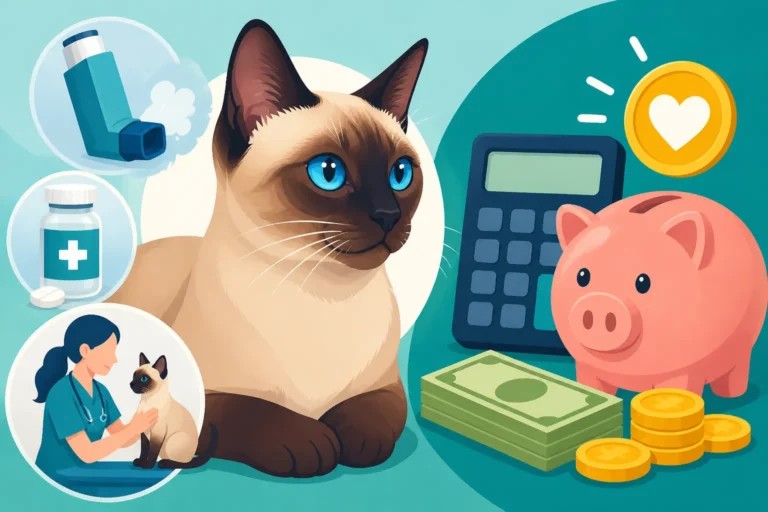
Pet Insurance Considerations
No one wants to think about their beloved pet getting sick or injured, but veterinary emergencies can lead to incredibly high, unexpected bills. This is where pet insurance comes in. Investing in pet insurance during your Siamese cat's first year, while they are young and healthy, can be a financially savvy decision. If you wait until an issue arises, it will likely be considered a pre-existing condition and may not be covered.
There are various types of pet insurance policies, ranging from accident-only coverage to comprehensive plans that include illness, wellness, and even behavioral therapy. The monthly premium will vary based on your chosen coverage level, deductible, and reimbursement rate. While it's an additional monthly expense, pet insurance can provide immense peace of mind, knowing you won't have to make difficult financial decisions during a stressful time. Companies like Healthy Paws offer robust plans that can help manage unforeseen veterinary costs, covering significant portions of emergency care. Consider it an investment in mitigating potential financial shocks down the road. It's especially useful for a breed that can face specific health challenges, such as Amyloidosis Is the Disease That Kills Young Siamese Cats or Mediastinal Lymphoma in a Young Siamese Cat.
Emergency Fund for Unexpected Illness or Injury
Even with pet insurance, an emergency fund is a critical component of responsible pet ownership. Most pet insurance policies have deductibles, co-pays, and reimbursement limits, and some conditions might not be covered. An emergency fund acts as a financial safety net to cover these gaps or any unexpected costs not covered by insurance.
Siamese cats are curious and active, and accidents can happen – a fall from a height, ingesting something they shouldn't, or an unexpected illness. Having readily available funds means you can focus on getting your cat the best possible care without added financial stress. This fund doesn't need to be massive, but even a few hundred dollars set aside can make a huge difference in an urgent situation, allowing you to quickly cover initial examination fees, diagnostics, or medications. It's about being prepared for the unforeseen, because when it comes to our beloved pets, emergencies rarely come with a warning.
Behavioral Support and Training
Siamese cats are famously intelligent and communicative, but this also means they thrive on interaction and mental stimulation. Ignoring their complex needs can sometimes lead to behavioral challenges. Budgeting for enrichment and potential behavioral support is a wise investment in a harmonious household.
Enrichment Toys and Puzzle Feeders
We touched on toys earlier, but it’s worth reiterating the importance of ongoing enrichment, especially for a Siamese. These cats are smart and easily bored, which can manifest as destructive behavior or excessive vocalization. Investing in new and varied enrichment toys throughout the year is crucial. Think about puzzle feeders that challenge their minds and slow down meal times, interactive toys that mimic prey, or even training clickers for teaching new tricks.
Siamese cats are known for their ability to learn tricks, and engaging them in these activities can prevent boredom. Rotate toys to keep them novel and exciting. Providing ample physical and mental stimulation helps prevent issues like Psychogenic Alopecia in a Siamese Cat (over-grooming due to stress) and ensures your Siamese is a happy, well-adjusted companion. A bored Siamese is often a mischievous Siamese, so keep those minds busy!
Training Tools and Classes
Siamese cats are highly trainable and enjoy learning. Investing in some basic training tools, like a clicker and high-value treats, can open up a world of possibilities for teaching commands, leash training, or even polite household manners. Many owners find success in teaching their Siamese to fetch, sit, stay, or come when called.
For those who want extra guidance, local pet stores or animal shelters sometimes offer cat behavior classes or workshops. While less common than dog training classes, some specialized trainers do offer private sessions for cats, particularly for addressing specific behavioral challenges. These classes or consultations can be an invaluable investment in understanding your Siamese's behavior and building a strong, cooperative relationship. You can read more about their trainability in How Trainable a Siamese Cat Really Is.
Addressing Specific Behavioral Challenges
Despite your best efforts, sometimes a Siamese cat develops specific behavioral challenges. This could range from excessive vocalization (Why a Siamese Cat Meows So Much), inappropriate urination, or destructive scratching. If these issues arise, it's important to address them promptly, as they can escalate.
Consulting with your veterinarian is always the first step to rule out any underlying medical causes. If health issues are excluded, your vet might refer you to a certified feline behaviorist. These professionals can conduct in-home consultations and develop tailored behavior modification plans. While the cost of a behaviorist can be significant, resolving chronic behavioral problems can save you stress, potential property damage, and ensure a happier life for both you and your cat. Sometimes, environmental adjustments, new enrichment, or even pheromone diffusers (like Feliway) can help manage stress and anxiety.
Miscellaneous and Unexpected Costs
Even the most meticulously planned budget can be thrown off by unforeseen circumstances or often-overlooked expenses. It's essential to keep a buffer for these miscellaneous costs, particularly in the first year of Siamese cat ownership.
Pet Sitting or Boarding
If you travel, you'll need to consider how your Siamese will be cared for. Boarding facilities, professional pet sitters, or even friends/family can be options. Siamese cats are highly social and do not like to be left alone for extended periods. They thrive on companionship and routine, so choosing the right care while you're away is crucial.
Professional pet sitters, who come to your home, often charge per visit and can provide personalized care, feeding, playtime, and litter box cleaning. Boarding facilities charge per night. The cost can vary widely depending on the service level and duration. While this might not be a monthly expense, it's one you'll encounter if you plan to leave town. Remember that a Siamese cat requires significant interaction, so a neighbor popping in once a day might not be enough for their emotional needs.
Damage to Property
Siamese cats are known for their intelligence, curiosity, and sometimes, their mischievous nature. This can, unfortunately, translate into minor property damage. Think chewed charging cables, scratched furniture (even with ample scratching posts), or items knocked off shelves. They are masters of counter-surfing and exploring every nook and cranny.
While prevention is key (cat-proofing your home, providing sufficient enrichment), some damage might be inevitable. Budgeting for potential repairs or replacements of items like charging cords, small rugs, or even furniture can soften the blow. Investing in durable, cat-friendly home decor can also help. A good cat tree and plenty of sturdy scratching posts can mitigate furniture damage, but a determined Siamese might still find a way to redecorate!
Unexpected Vet Bills
Even with a healthy kitten and pet insurance, unexpected vet bills can arise. Accidents happen, and illnesses can strike quickly. An emergency visit to the vet outside of regular hours, for instance, can carry higher fees. Diagnostic tests like X-rays, ultrasounds, or blood panels can add up quickly. If your Siamese ever suffers from a serious condition like How Fast a Siamese Cat Dies From a Liver Bleed or experiences an allergic reaction, immediate and sometimes intensive care will be needed.
This is why the emergency fund, discussed earlier, is so important. It's not just for major illnesses, but for those smaller, unexpected issues that pop up – a sudden limp, an unusual cough, or an upset stomach. Having that financial buffer means you can make decisions based on your cat's health needs, rather than solely on your wallet.
Professional Cleaning or Grooming
While Siamese cats are generally low-maintenance groomers, there might be occasions when professional assistance is beneficial. If your cat gets into something messy, an emergency bath from a professional groomer might be needed. Some cats also resist nail trims at home, making a visit to the vet or a groomer a less stressful alternative.
For persistent issues like severe matting (rare in Siamese but can happen if ill or very old) or if your cat has a medical condition that makes self-grooming difficult, professional cleaning might become a necessity. These are infrequent costs but worth considering as part of the unexpected budget.
Summary of First-Year Siamese Cat Costs
Bringing a Siamese cat into your life is a joyful commitment, and understanding the financial aspects from the outset helps ensure a smooth and happy transition for everyone. The first year is often the most expensive due to initial acquisition fees, setup costs, and a series of vital veterinary visits. Subsequent years tend to be more predictable, focusing primarily on ongoing food, litter, and routine preventative care.
Here’s a breakdown of the typical categories of expenses you can expect in the first year with your Siamese cat:
| Cost Category | Description | Initial (One-time) Cost | Ongoing (Monthly/Annual) Cost |
|---|---|---|---|
| Acquisition | Breeder fee or Adoption fee | Significant | None |
| Initial Supplies | Litter boxes, food/water bowls, beds, scratching posts, cat tree, toys, grooming tools | Moderate to Significant | Minor (replacements) |
| Initial Veterinary Care | First vet visit, vaccinations, deworming, spay/neuter, microchip | Significant | None |
| Ongoing Veterinary Care | Flea/tick/heartworm prevention, annual check-up (if within first year) | None | Moderate |
| Food | Wet food, dry kibble, fresh food, treats | None | Moderate to Significant |
| Litter | Cat litter | None | Moderate |
| Pet Insurance/Emergency Fund | Monthly premiums for insurance or contributions to savings | None | Moderate |
| Enrichment/Behavioral Support | New toys, puzzle feeders, potential behavioral consultations | Minor | Minor to Moderate |
| Miscellaneous | Pet sitting/boarding, property damage, unexpected vet bills, professional grooming | N/A | Variable |
As you can see, the expenses are varied and span across different aspects of your cat’s life. Being prepared for these costs means you can provide the best possible care without undue stress. Remember that investing in high-quality food, preventative vet care, and a stimulating environment in the first year sets the stage for a healthy, happy life with your Siamese for many years to come. Ultimately, while the financial outlay is real, the companionship, affection, and endless entertainment a Siamese cat brings are, for many, absolutely priceless. If you're wondering how these costs stack up over their full lifespan, you might find our article What a Siamese Cat Costs Over Twenty Years insightful.
Disclaimer
This article is for general informational purposes only and does not constitute professional advice. Laws, prices and regulations vary by location and change over time. Consult a qualified professional for guidance on your specific situation.