What a Siamese Cat Kitten Costs From a Breeder
Bringing a new Siamese kitten into your life is an incredibly exciting time, full of dreams of playful antics and endless purrs. But before you fall head over heels for those bright blue eyes and charming vocals, it’s only natural to wonder about the financial commitment. Beyond the initial adoption fee, there are many elements that contribute to the true cost, and this guide will help you understand what goes into the price of a Siamese kitten from a reputable breeder.
The Initial Sticker Shock: Why Siamese Kittens Aren't Cheap
Let's be real, when you first see the price tag on a well-bred Siamese kitten, it can feel like a punch to the gut. These aren't your typical backyard finds, and there's a very good reason for the difference in cost. Many prospective owners are surprised by the investment, but understanding what goes into a responsible breeder's efforts can help clarify why these magnificent creatures command a higher price point. It’s not just about the kitten itself, but the immense care, planning, and health considerations that precede its arrival in your home.
Breeder Reputation and Ethics Drive Price
A reputable Siamese breeder isn't just someone who breeds cats; they are dedicated preservationists of the breed, pouring their heart, time, and significant financial resources into ensuring healthy, well-socialized kittens. This isn't a casual hobby for them; it's a commitment to improving the breed and providing families with wonderful, stable companions. They often belong to breed clubs, adhere to ethical standards, and participate in cat shows to evaluate their breeding stock. This dedication translates directly into the kitten's price because it covers their immense overhead. Think about the time spent on genetic research, studying pedigrees, selecting breeding pairs, and raising litters in a stimulating, clean, and loving environment. These breeders are also on hand for lifetime support and advice, which is an invaluable resource you won't get from a casual seller. If you're wondering Which Health Tests a Siamese Cat Breeder Runs, rest assured that ethical breeders are transparent about their practices and investments.
Health Screening: The Hidden Investment
One of the biggest, yet often unseen, factors in a Siamese kitten's price is the extensive health screening undertaken by responsible breeders. They aren't just giving kittens a quick glance; they're investing in veterinary check-ups, vaccinations, deworming protocols, and even microchipping before the kitten leaves for its new home. More importantly, they screen their breeding cats for genetic predispositions that can plague the breed. This includes conditions like Progressive Retinal Atrophy (PRA), certain heart conditions, and others that could cause heartbreak (and hefty vet bills) down the line. While there are some limitations, such as the fact that Why Amyloidosis Cannot Be Screened Out of a Siamese Cat due to the lack of a reliable gene test, good breeders still track family health histories and strive to breed away from known issues. They provide health guarantees, giving you peace of mind that you're bringing home a kitten that has had the best possible start. It's truly a testament to their commitment when you see the detailed health records they provide. Knowing What a Siamese Cat Breeder Should Have Screened can empower you to ask the right questions and choose a responsible source.
The Cost of Pedigree and Registration
When you purchase a Siamese kitten from a breeder, you're not just buying a cat; you're buying a piece of living history, a direct descendant of generations of carefully selected animals. The kitten's pedigree, detailing its lineage, is part of this heritage. Reputable breeders register their litters with recognized cat registries such as the Cat Fanciers' Association (CFA), The International Cat Association (TICA), or the Governing Council of the Cat Fancy (GCCF). These registration fees are part of the overall cost. Furthermore, kittens are often classified as either "pet quality" or "show quality." A pet-quality kitten, while still having excellent breed characteristics, might have a minor trait that disqualifies it from the show ring (perhaps an ear set that's slightly off, or a point color that isn't quite perfect by strict show standards). Show-quality kittens, on the other hand, are bred to the highest standards of the breed, with parents often having championship titles themselves. These titles, earned through years of showing and often travel, add to the prestige and therefore the cost of their offspring.
Factors Influencing the Price Tag of a Siamese Kitten
It's not just a flat fee for all Siamese kittens. Several distinct factors can cause the price to fluctuate significantly. Understanding these nuances can help you anticipate the range you might encounter and appreciate why some kittens are priced higher than others. These aren't arbitrary charges but rather reflections of specific traits, lineage, and market dynamics within the Siamese cat community.
Bloodlines and Championship Status
Just like in other purebred animals, the lineage of a Siamese kitten plays a substantial role in its price. Kittens born to champion, grand champion, or even national-winning parents will almost invariably cost more. These parents represent the pinnacle of the breed standard, demonstrating exceptional health, temperament, and conformity to physical ideals. The breeder has invested heavily in these champion cats, from their initial purchase or breeding, to their showing career, including entry fees, travel, grooming, and more. This investment of time, money, and expertise is then reflected in the value of their offspring. Buyers are paying for proven genetics and the assurance that their kitten comes from a line known for its excellence and adherence to breed standards. It's a way of acquiring a kitten with a strong genetic foundation and a predictable appearance and disposition.
Color and Point Variations
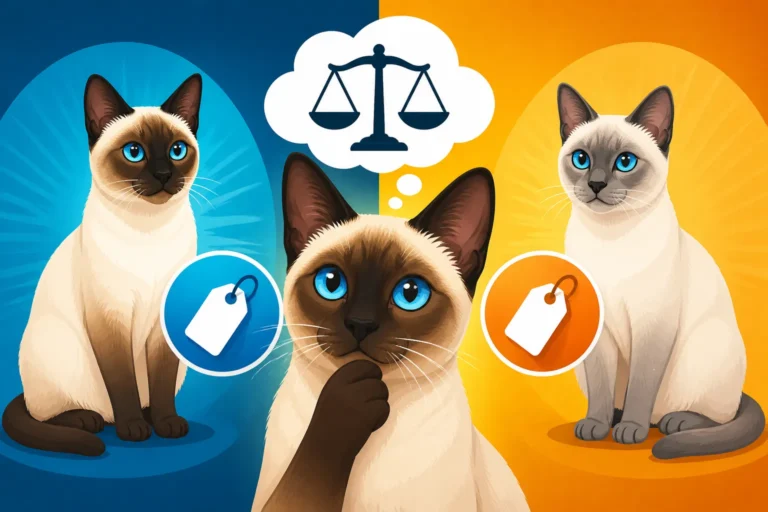
Siamese cats are famous for their stunning point coloration, and while all registered Siamese cats will exhibit one of the accepted point colors, some are more common or more in-demand than others, which can affect the price. The classic Seal Point, with its rich, dark brown points and warm cream body, is often readily available. Blue Point (slate grey points), Chocolate Point (milk chocolate points), and Lilac Point (pale, frosty grey points) are also popular. However, some breeders specialize in specific, perhaps rarer, point colors or those that are harder to achieve consistently within a breeding program. For instance, a beautifully colored What a Lilac Point Siamese Cat Is might command a slightly different price point than a Seal Point, simply due to the genetics and market demand for that particular hue. It’s important to research Which Siamese Cat Point Colors Cost the Most if you have a specific aesthetic in mind, as breeders may adjust prices based on these factors.
Head Type: Applehead vs. Wedge
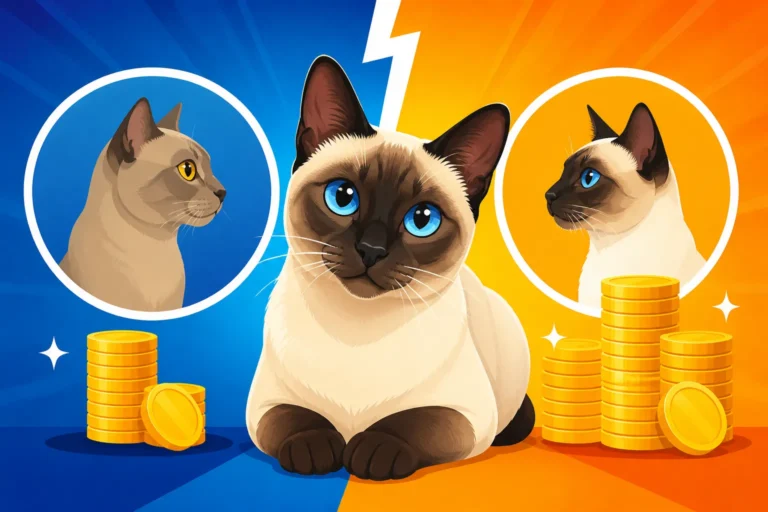
The look of the Siamese cat has evolved over decades, leading to a distinction in head types that significantly influences price. Traditionally, Siamese cats had a rounder, more "apple-shaped" head, often referred to as "Applehead" or "Traditional" Siamese. These cats generally have a sturdier build and a less extreme facial structure. Today, most cat registries and show standards favor the "Wedge" head type, characterized by a long, tapering wedge-shaped head, large ears set wide apart, and a slender, elegant body. Kittens bred to this modern show standard, which often involves extensive selective breeding and adherence to very specific physical traits, tend to be more expensive. Breeders striving for the wedge look invest heavily in acquiring breeding stock that meets these stringent criteria. If you’re curious to see the difference, comparing What an Applehead Siamese Cat Looks Like with What a Modern Wedge Siamese Cat Looks Like will quickly illustrate the divergence and why one might be priced higher due to show ring desirability.
Geographical Location of the Breeder
Where a breeder is located can also impact the price of their kittens. Costs of living vary drastically across different regions and countries, and these overheads are naturally factored into the kitten's price. A breeder operating in a high-cost-of-living area, say, California or New York, will likely have higher expenses for veterinary care, quality food, facility maintenance, and show travel compared to a breeder in a more rural or lower-cost region. Demand also plays a role; a region with a high concentration of cat enthusiasts and fewer reputable Siamese breeders might see higher prices due to scarcity. Additionally, if you need to travel a significant distance or arrange for specialized pet transport to pick up your kitten, these logistics add to the overall financial outlay beyond the breeder's direct fee.
What's Typically Included (and Not Included) in the Kitten Price
When you're handed that adorable bundle of purrs, it's easy to assume the price covers everything. However, what's bundled into the initial cost can vary slightly from breeder to breeder, and it's crucial to know what to expect and what you'll still need to budget for. Understanding these inclusions and exclusions will help prevent any unwelcome surprises once your new family member arrives home.
What You Should Expect to Get
A reputable Siamese breeder includes several essential items and services in the kitten's purchase price, reflecting their commitment to the kitten's health and your smooth transition as a new owner. You should always expect to receive a detailed health record outlining the kitten's vaccinations (typically at least its first set, if not more, depending on age), deworming schedule, and a recent vet check-up report confirming its healthy status. Many breeders will also provide a health guarantee, often covering specific genetic conditions for a certain period. Pet-quality kittens are almost always sold with a spay/neuter contract, meaning you agree to have them altered by a certain age, and often the breeder requires proof before releasing registration papers. In some cases, especially if the kitten is a bit older, the breeder may have already had the procedure done. For details on this, you might look into Whether a Siamese Cat Kitten Comes Neutered. To help the kitten settle, breeders usually send a small bag of the food they've been eating, a familiar toy, and sometimes a blanket or towel carrying the scent of their mother and littermates. This helps ease the transition to their new home.
Additional Costs You Might Encounter
While the initial purchase covers a lot, there will always be additional expenses once you decide to bring a Siamese kitten home. These are your responsibilities as a new pet parent and are separate from the breeder's fee. First, consider travel: if your chosen breeder is not local, you'll need to budget for gas, potentially a flight, or even a specialized pet courier service. Most breeders also require a non-refundable deposit to hold a kitten, which will be applied to the final purchase price. Once your kitten is home, your immediate shopping list will include a quality carrier for vet visits, food and water bowls, a comfortable bed, a litter box and suitable litter (Chewy offers a wide variety of options that can be delivered right to your door), scratching posts (essential for those sharp little claws!), and a selection of stimulating toys. Your first vet visit after bringing the kitten home, usually within 48-72 hours, is also an out-of-pocket expense, confirming its health and establishing a relationship with your local vet. These initial setup costs can add up quickly, so it's wise to consider What the First Year With a Siamese Cat Costs as a whole.
Understanding Breeder Contracts and Guarantees
A breeder contract might seem like a lot of legal jargon, but it's actually a vital document that protects both you, the buyer, and the breeder, ensuring the welfare of the kitten. Don't rush through it; take the time to read and understand every clause. It's a sign of a responsible breeder who takes their responsibilities seriously and wants to ensure their kittens go to good, prepared homes.
The Importance of a Solid Contract
A well-drafted breeder contract outlines the terms of sale, including the kitten's details, purchase price, deposit information, and health guarantees. Crucially, it typically includes conditions regarding the kitten's care, such as agreements for spaying or neutering by a certain age if sold as a pet, and clauses about not declawing the cat. These contracts often specify what happens if the kitten is unable to be kept, sometimes requiring it to be returned to the breeder to prevent it from ending up in a shelter. This demonstrates a breeder's lifelong commitment to their animals. For pet-quality kittens, the contract will usually state that registration papers are only released upon proof of spay or neuter. Understanding these terms, and especially What a Siamese Cat Contract Restricts, is key to a smooth and ethical transaction.
Health Guarantees and What They Cover
One of the most valuable aspects of a breeder contract is the health guarantee. This provision outlines the breeder's responsibility should the kitten develop certain health issues after purchase. Typically, these guarantees cover a short period for contagious diseases like FIP or upper respiratory infections, ensuring the kitten was healthy when it left their care. More significantly, reputable breeders often offer a longer-term guarantee against specific genetic or congenital diseases. While, as mentioned, there's no reliable test for conditions like amyloidosis, a good breeder will discuss family health history and any known predispositions. If a serious, covered genetic condition manifests within the specified timeframe, the contract will detail the remedies, which could range from a partial refund to a replacement kitten. This kind of assurance is a cornerstone of ethical breeding, showing confidence in their lines and practices. When you choose a breeder, it's wise to inquire about their history with various health issues and ask Whether a Siamese Cat Breeder Tracks Family Deaths to understand their commitment to long-term health.
Lifetime Support from a Reputable Breeder
Beyond the formal contract and guarantees, an often-overlooked value of purchasing from a reputable breeder is the ongoing, lifetime support they offer. These individuals are passionate about their breed and the kittens they produce. They consider themselves mentors and resources for their kitten buyers, eager to answer questions, offer advice, and provide guidance throughout your cat's life. Whether you have concerns about diet, behavior, health, or even just need a sounding board for a quirky Siamese habit, your breeder should be a trusted first point of contact. This invaluable relationship means you're not just buying a kitten; you're gaining a lifelong expert resource. This kind of sustained engagement is a hallmark of truly responsible breeding and differentiates a dedicated breeder from someone merely selling animals.
Beyond the Purchase Price: The Real Cost of Owning a Siamese
The initial cost of a Siamese kitten from a breeder is just the first step on a long and rewarding journey. To truly understand the financial commitment, it's important to look at the ongoing expenses that come with responsible pet ownership. These costs cover everything from their daily needs to unexpected emergencies, ensuring your Siamese lives a happy, healthy life.
Essential Initial Supplies and Setup
Once your precious Siamese kitten arrives home, you'll need to have a whole array of essential supplies ready to go. Beyond the carrier you used to bring them home, consider the basics:
- Food: High-quality kitten food is crucial for healthy development. Options range from fresh, human-grade food to premium kibble and wet food. Siamese cats are known for their lean build and high metabolism, so proper nutrition is key.
- Water Bowls: Stainless steel or ceramic bowls are ideal for hygiene. Many Siamese also enjoy drinking from a Whether a Siamese Cat Needs a Water Fountain, which can encourage hydration.
- Litter Box and Litter: Provide at least one litter box per cat, plus one extra, in quiet, accessible locations. Dust-free litter is often recommended, especially given the breed's potential for respiratory sensitivities. Exploring Which Litter a Siamese Cat Prefers can help you find the best fit.
- Scratching Posts/Trees: Siamese are active and love to climb. Investing in sturdy, tall scratching posts or a comprehensive What a Cat Tree for a Siamese Cat Costs will save your furniture and provide vital enrichment.
- Toys: From feather wands to crinkle balls and puzzle feeders, a variety of toys will keep your intelligent Siamese engaged and prevent boredom, which can sometimes lead to unwanted behaviors.
- Beds/Blankets: While they'll likely choose to sleep with you, a cozy bed or blanket in a quiet spot gives them a sense of security.
These initial purchases represent a significant upfront cost that's separate from the kitten's price.
Ongoing Veterinary Care and Preventative Health
The health of your Siamese cat is paramount, and ongoing veterinary care is a non-negotiable expense. This includes annual wellness exams, booster vaccinations, and regular parasite prevention (fleas, ticks, and worms). As your Siamese ages, they might need more frequent check-ups, and preventative bloodwork becomes increasingly important. It's also crucial to remember that Siamese cats are sometimes prone to specific health issues. For example, Dental Disease in a Siamese Cat is quite common, and regular dental cleanings, potentially requiring anesthesia, can be a significant expense. Being proactive with care can help catch issues early and potentially save on more costly treatments down the line. A good vet will advise you on What a Siamese Cat's Yearly Bloodwork Should Cover as they get older, looking for indicators of kidney or thyroid issues, for example.
Pet Insurance: An Investment in Peace of Mind
Given the potential for unexpected illnesses or accidents, many Siamese owners opt for pet insurance, which can be a lifesaver when emergency vet bills arise. While it's an additional monthly cost, it can provide immense peace of mind. Policies vary, but generally, pet insurance covers a percentage of veterinary costs for accidents, illnesses, and sometimes even wellness care. Providers like Healthy Paws offer comprehensive plans that can help manage the financial strain of unexpected medical events. It’s important to research what plans are available and what they cover before your kitten gets sick, as pre-existing conditions are usually excluded. Understanding What Insuring a Siamese Cat Costs a Month is a crucial part of long-term financial planning for your feline companion, especially considering their potentially long lifespans.
Annual Estimated Costs for a Siamese Cat
To give you a clearer picture, here's a general breakdown of potential annual expenses for a Siamese cat, though these figures can fluctuate wildly based on your location, your cat's health, and your chosen products.
| Category | Low Estimate (Annual) | High Estimate (Annual) | Notes |
|---|---|---|---|
| Quality Food | $300 | $700+ | Varies by brand, type (wet/dry/fresh), and your cat's appetite. |
| Litter | $150 | $300 | Depends on litter type (clay, silica, natural) and number of boxes. |
| Routine Vet Care | $100 | $300 | Annual exam, vaccinations, parasite prevention. |
| Dental Care (if needed) | $0 | $800+ | Varies greatly; may not be needed every year but can be costly. |
| Pet Insurance | $200 | $700+ | Varies by plan, deductible, reimbursement rate, and cat's age/health. |
| Toys/Enrichment | $50 | $200 | Can be managed with DIY, but regular rotation keeps them engaged. |
| Grooming Supplies | $20 | $50 | Brushes, nail clippers; generally low for Siamese short coats. |
| Emergency Fund Savings | $100 | $500 | Crucial for unexpected issues not fully covered by insurance. |
| Total Estimated Annual | $920 | $3,650+ | Excludes initial kitten purchase and one-time setup costs. |
Please remember, these are just estimates to give you an idea. Actual costs will depend on individual circumstances.
Disclaimer
This article is for general informational purposes only and does not constitute professional advice. Laws, prices and regulations vary by location and change over time. Consult a qualified professional for guidance on your specific situation.