Whether a Lilac Point Siamese Cat Costs More
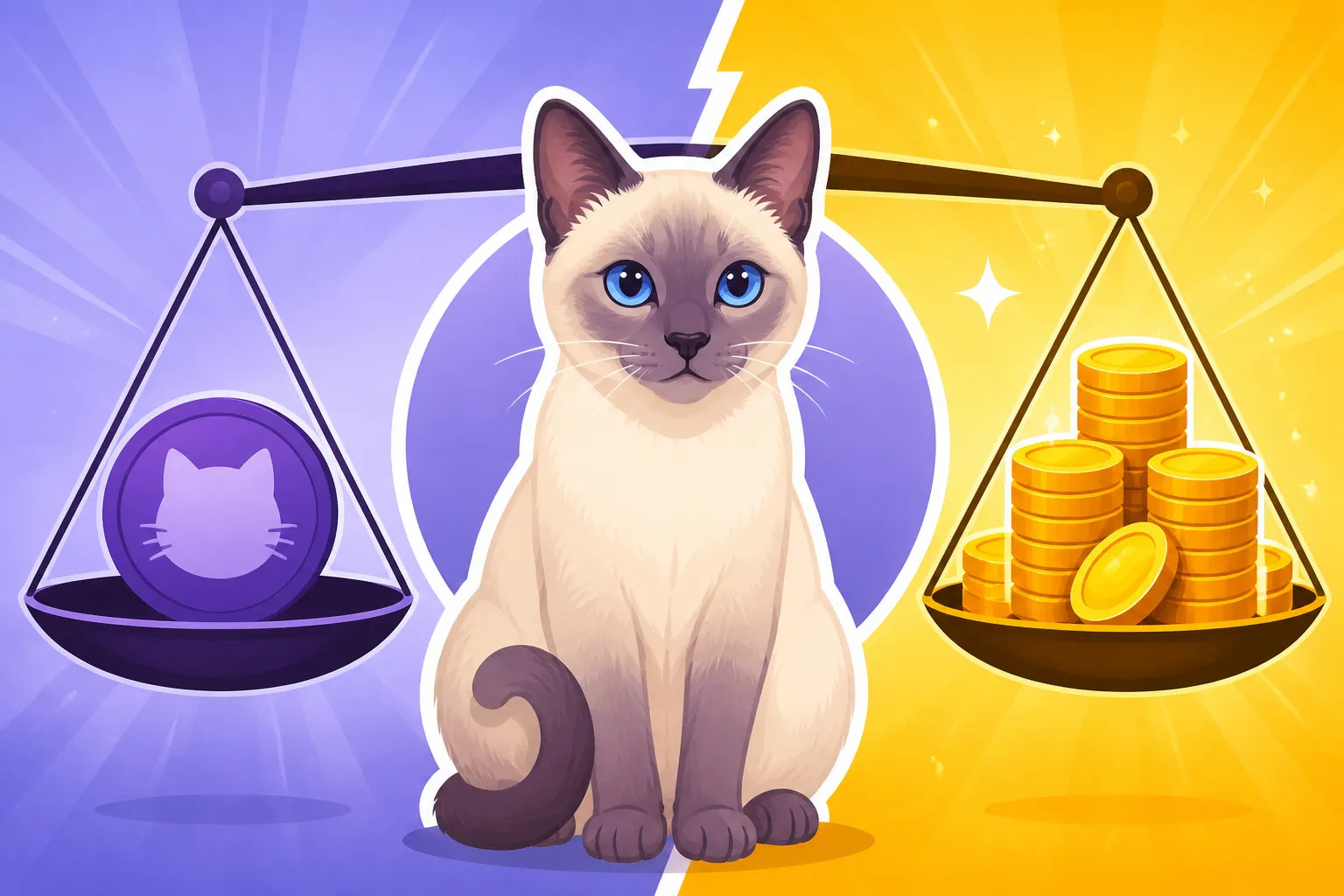
It’s perfectly natural to wonder if the stunning, ethereal beauty of a Lilac Point Siamese cat translates into a higher price tag. Many prospective owners fall in love with a particular shade and then find themselves navigating a bewildering landscape of varying costs and breeder claims. You've seen those gorgeous lavender-grey points and are probably asking, "Will this exquisite color cost me more?" The answer, as is often the case with purebred cats, is a bit more complex than a simple yes or no, deeply intertwined with genetics, demand, and breeder practices. This guide will help you understand the true factors behind a Siamese cat's price, particularly for the lovely Lilac Point.
Understanding the Foundation of Siamese Cat Pricing
Before we delve into the specifics of Lilac Points, it's crucial to grasp what truly drives the cost of any purebred Siamese cat. The point color itself, while aesthetically appealing, is rarely the sole or even primary determinant of price from a reputable breeder. Instead, factors like the breeder's reputation, the cat's lineage, health screenings, and whether the cat is sold as a "pet" or "show" quality significantly outweigh the impact of coat color.
The Role of Reputable Breeders
When you’re looking for a Siamese, the breeder should be your first point of consideration, not the color. A good breeder invests heavily in their cattery, and these costs are reflected in the kitten's price. This isn't about making a quick buck; it's about ethical breeding and ensuring healthy, well-socialized kittens. They put in countless hours that are truly a labor of love, but it’s still labor, and it costs money.
Think about all the things that go into raising a healthy litter: top-quality food for the mother, veterinary check-ups throughout pregnancy and for the kittens, vaccinations, deworming, and sometimes even microchipping. Responsible breeders will also invest in genetic screening for potential hereditary conditions that can affect Siamese cats, like progressive retinal atrophy (PRA) or amyloidosis. While there is no DNA test for Siamese amyloidosis, a good breeder will know their lines intimately and be transparent about any health issues in their cats' ancestry. This upfront investment in health helps ensure you're bringing home a kitten that has the best possible start in life, potentially saving you significant veterinary costs down the line.
Furthermore, a reputable breeder dedicates immense time to socializing their kittens. This means daily handling, exposure to various sounds, textures, and interactions that prepare the kitten for a confident life in a human home. A kitten that’s been properly socialized is less likely to develop behavioral issues, making for a much smoother transition into your family. They won't just hand you a kitten; they'll provide a wealth of information, support, and often a health guarantee, which is invaluable. These are the kinds of breeders who care deeply about where their kittens end up, and that commitment comes at a price.
Pet Quality Versus Show Quality
Another significant factor in pricing is whether a kitten is designated as "pet quality" or "show quality." Most kittens sold to families will be pet quality, meaning they are wonderful companions but might have a slight variation from the breed standard that would prevent them from winning ribbons in a cat show. This could be something as subtle as ear set, eye shape, or even a minor imperfection in their point coloration that an average owner would never even notice.
Show quality kittens, on the other hand, are bred to perfectly exemplify the Siamese breed standard. They are often evaluated by experienced breeders or judges, and their prices typically reflect this adherence to perfection. These kittens are usually reserved for other breeders or serious show exhibitors who intend to compete. If you're looking for a loving companion, a pet quality kitten is absolutely perfect, and will generally be less expensive than a show prospect. A reputable breeder will explain these distinctions clearly, making sure you understand what you're paying for and helping you find the right kitten for your home and budget.
The Reality of Point Color and Price Tags
Now, let's get to the heart of the matter: does being a Lilac Point Siamese cat actually make it more expensive? In most cases, for recognized point colors, the answer is not significantly. The perceived rarity often doesn't translate into a drastic price difference from a reputable breeder.
The Genetics Behind Point Colors
Siamese cats are famous for their "pointed" coloration, which is a form of partial albinism. This genetic trait means that pigment only develops in cooler parts of the body – the "points" like the ears, face, paws, and tail – while the warmer core body remains lighter. The specific point color, whether it's Seal, Blue, Chocolate, or Lilac, is determined by other genes that affect the type and density of melanin produced.
Lilac Point Siamese cats have a genetic makeup that dilutes both black (seal) and brown (chocolate) pigments. This double dilution results in that soft, pinkish-grey or lavender hue that is so distinctive and admired. It’s a recessive trait, meaning both parents must carry the gene for a kitten to be a Lilac Point. However, it's not truly "rare" in the sense that it's difficult for breeders to produce. Many breeders specialize in these colors and can reliably produce Lilac Points with the right breeding pairs. The availability might fluctuate, but it's not like finding a unicorn.
Perceived Rarity vs. Actual Rarity
Many people mistakenly believe that certain point colors are "rarer" and therefore should command a higher price. While it's true that Seal Points and Blue Points have been around longer and are perhaps more numerous, Chocolate and Lilac Points are well-established and recognized colors within the breed. They might be slightly less common than Seal or Blue, but they are by no means exotic or difficult for a dedicated breeder to produce.
The "rarity" factor often gets amplified by market demand and aesthetic trends. A color that is currently popular might see a slight increase in demand, which can sometimes influence price, but it's usually a marginal difference, not a dramatic one, from an ethical breeder. An honest breeder focuses on health and temperament above all else. They understand that a healthy, well-adjusted kitten, regardless of its point color, is what truly matters and what they strive to produce. You can find beautiful, healthy kittens in all recognized colors without necessarily paying a premium just for the hue.
Let's look at a general comparison of common point colors:
| Point Color | Underlying Pigment | Dilution | General Appearance | Perceived Rarity (Market) | Typical Price Impact (Relative to Seal) |
|---|---|---|---|---|---|
| Seal Point | Black | No | Dark brown/black points | Common | Baseline |
| Blue Point | Black | Yes | Slate grey/blue points | Common | Similar |
| Chocolate Point | Brown | No | Warm milk chocolate points | Moderate | Similar to slight premium |
| Lilac Point | Brown | Yes | Pinkish-grey/lavender points | Moderate | Similar to slight premium |
| Red (Flame) Point | Red | N/A | Creamy red/orange points | Higher | Potentially higher |
| Cream Point | Red | Yes | Pale cream points | Higher | Potentially higher |
| Lynx Point (Tabby) | Various | Various | Striped/tabby pattern on points | Distinct | Varies, can be similar or higher |
As you can see, Lilac Points often fall into a similar pricing tier as Chocolate Points. While they may sometimes fetch a slight premium due to popular aesthetic appeal, it's typically not a massive jump compared to Seal or Blue Points. The quality of the breeding, health guarantees, and the kitten's overall temperament are much more significant factors in determining the final cost.
Beyond the Initial Purchase: The True Costs of Siamese Ownership
While the initial cost of a Lilac Point Siamese kitten might be on your mind, it's only a tiny fraction of the total investment over the lifetime of your companion. A Siamese cat's lifespan can be quite long, often 15 to 20 years, so you need to be prepared for the ongoing financial commitment. Thinking about the long-term helps put the initial purchase price into perspective. The Fifteen to Twenty Years a Siamese Cat Gets is a journey that comes with responsibilities.
Initial Setup and Ongoing Essentials
Bringing any new pet home involves an initial outlay for supplies. For a Siamese cat, this means a good quality litter box (or several!), plenty of litter (especially if you choose a low-dust variety to protect their sensitive respiratory systems), food and water bowls, and a comfortable bed. Given their intelligence and need for interaction, you'll also want to invest in a variety of toys, puzzle feeders, and sturdy scratching posts and cat trees. These aren't just luxuries; they are crucial for keeping your highly active and intelligent Siamese cat mentally stimulated and physically healthy. Many owners find themselves frequently restocking essentials from online retailers like Chewy, which offers a wide selection and convenient delivery.
Beyond the initial haul, the recurring costs for food and litter will be a constant. Siamese cats, with their lean, muscular build and high energy levels, need quality nutrition to thrive. While they generally stay thin, Why a Siamese Cat Stays So Thin is not a license to skimp on food quality. Some owners opt for premium kibble, while others prefer wet food or even fresh-prepared meal plans, especially if their cat has specific dietary needs or sensitivities. These choices, while beneficial for your cat's health, do impact your monthly budget. And let's not forget the endless supply of interactive toys that a bored Siamese can tear through in record time!
Veterinary Care and Health Investments
One of the most significant ongoing costs, and one that all Siamese owners should budget for, is veterinary care. Even the healthiest kitten from the most reputable breeder will need annual check-ups, vaccinations, and parasite prevention. As your Siamese ages, these visits may become more frequent, and diagnostic tests might be needed. While Siamese cats are generally a healthy breed, they can be prone to certain conditions. For instance, dental disease in a Siamese cat is quite common, and professional dental cleanings can become a regular, but essential, expense. Dental Disease in a Siamese Cat can be painful and lead to other health issues if not addressed.
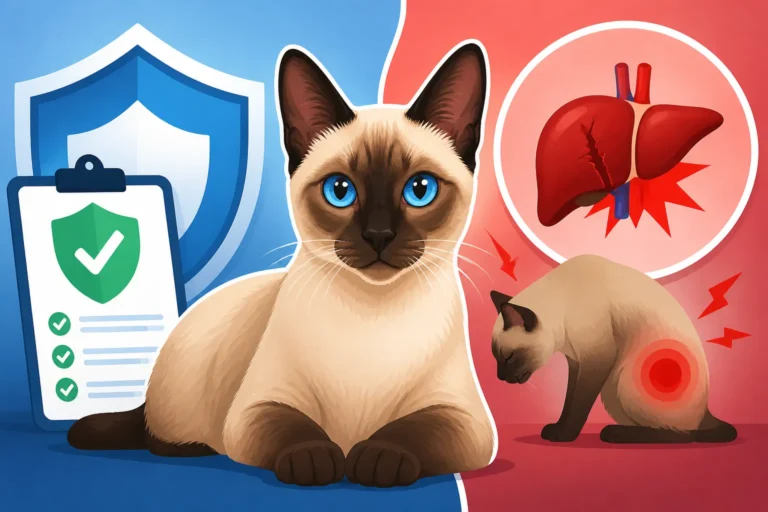
Moreover, inherited conditions, though screened for by good breeders, can sometimes arise. Conditions like asthma are relatively common in Siamese cats, and managing Asthma in a Siamese Cat can involve ongoing medication and specialized inhalers. Other serious conditions, like the devastating amyloidosis, can lead to unexpected and costly emergencies if your cat's liver ruptures, requiring immediate veterinary intervention. Signs a Siamese Cat Has Liver Amyloidosis can be subtle, but treatment is complex and expensive. This is where pet insurance becomes a real game-changer. Companies like Healthy Paws offer comprehensive plans that can help alleviate the financial burden of unexpected illnesses, accidents, and even some ongoing treatments, making sure you can always prioritize your cat's health without financial stress.
Lifestyle and Enrichment Needs
Siamese cats are not decorative pets; they are highly intelligent, vocal, and demanding companions. They thrive on interaction and can suffer from separation anxiety if left alone too often. A Siamese Cat Should Not Live Alone is a common recommendation, meaning you might consider the cost of a second cat or, at the very least, extensive enrichment. This might mean investing in more elaborate cat trees, puzzle toys, and spending a considerable amount of time playing with them every single day. A bored Siamese cat is often a destructive Siamese cat, leading to potential costs in replacing damaged furniture or belongings.
If you travel, finding a suitable sitter or boarding facility that understands the unique needs of a Siamese cat can also be an added expense. They are not typically cats that can be left for extended periods with just an automatic feeder; they crave human companionship and stimulation. This need for constant engagement, while incredibly rewarding, adds to the overall "cost" of ownership in terms of both time and money. So, while the initial price of that beautiful Lilac Point might seem like a lot, remember it’s just the very beginning of a long and joyful, but certainly not free, relationship.
Wrapping Up the Lilac Point Price Puzzle
So, in conclusion, while a Lilac Point Siamese cat possesses a truly captivating beauty, their specific point color is usually not the primary driver of their initial purchase price. The slight premium you might sometimes encounter for a Lilac Point, or a Chocolate Point, generally reflects market aesthetics and demand rather than true rarity or inherent value over other recognized colors like Seal or Blue. What truly matters, and what genuinely affects the price tag from a reputable breeder, are the ethical breeding practices, comprehensive health screenings, the kitten's excellent socialization, and whether it’s designated as pet or show quality.
A responsible breeder invests time, effort, and money into ensuring their kittens are healthy, well-adjusted, and genetically sound. These are the factors that you should be prioritizing when choosing your feline companion, regardless of its point color. After all, the initial cost of a kitten, whether it's a Lilac Point or any other recognized color, is merely the first step in a lifelong financial commitment. Factoring in ongoing expenses like quality food, veterinary care (including potentially insuring your cat with a provider like Healthy Paws), and endless enrichment toys from places like Chewy will give you a far more realistic picture of what owning one of these magnificent, vocal, and intelligent cats truly entails. Focus on finding a healthy, happy kitten from a breeder you trust, and your beautiful Lilac Point will bring you years of unconditional love, regardless of what its initial price tag said.
Disclaimer
This article is for general informational purposes only and does not constitute professional advice. Laws, prices and regulations vary by location and change over time. Consult a qualified professional for guidance on your specific situation.