Which Siamese Cat Point Colors Cost the Most
It's completely understandable to feel overwhelmed when you start looking into bringing a Siamese cat into your life. You’ve probably seen pictures of those stunning blue eyes and sleek bodies, and then you stumble upon discussions about "point colors" and suddenly it feels like you need a genetics degree just to figure out what you're even looking at, let alone how much it might cost. This guide is here to untangle the mystery of Siamese cat point colors and help you understand how they can influence the price tag and your journey to finding your perfect companion.
Decoding Siamese Cat Point Colors and Their Origin
Before we dive into the nitty-gritty of pricing, let's talk about what "point colors" even are. It's not just fancy terminology; it's the very essence of what makes a Siamese cat look like a Siamese cat! These cats are famous for their distinctive color pattern: a pale body with darker "points" on their ears, face mask, paws, and tail. It’s a genetic marvel, really, and understanding it helps you appreciate the beauty and the subtle differences that can impact cost.
The Genetic Magic Behind Siamese Coloration
The unique point coloration in Siamese cats is due to a fascinating genetic trait, specifically a temperature-sensitive albinism gene. This gene produces an enzyme responsible for pigment development, but it only works efficiently in cooler temperatures. Think about it like a sensitive paint factory that only produces dark paint when it's chilly. In warmer parts of the cat's body, like the torso, the enzyme is less active, resulting in lighter fur. Conversely, the cooler extremities – the tips of the ears, nose, paws, and tail – allow the enzyme to work at full tilt, laying down rich, dark pigment. This is why you'll never see a solid-colored Siamese cat; their genetics simply don't allow for it in the way that other cat breeds develop their coats. It’s a signature feature, and one that breeders carefully consider when planning litters, as specific genes determine the shade of those points.
Why a Siamese Kitten is Born White
One of the most charming facts about Siamese kittens is that they are all born pure white or a very pale cream. If you've ever seen a newborn litter, you might wonder if you're even looking at Siamese! This isn't a mistake or a trick of the light; it's a direct consequence of that temperature-sensitive gene we just discussed. Inside the warmth of their mother's womb, the ambient temperature is uniformly high, preventing the pigment-producing enzyme from activating. So, for the first few days and even weeks of their lives, kittens lack any distinct point coloration. It's only as they grow and are exposed to the cooler environment outside the womb that their "points" begin to emerge, gradually darkening over weeks and months. This transformation is truly magical to watch, and a sign of a healthy, developing Siamese kitten. If you're wondering, "Why a Siamese Cat Kitten is Born White", you can delve deeper into this fascinating phenomenon.
The Connection Between Color and Breed Standard
For registered Siamese cats, the specific point colors are not just about aesthetics; they're tightly woven into the breed standard recognized by major cat registries like the Cat Fanciers' Association (CFA) or The International Cat Association (TICA). These standards define the ideal physical characteristics of the breed, including acceptable point colors, body shape, eye color, and temperament. While many people simply want a beloved pet, breeders aiming for show quality or upholding breed integrity will meticulously adhere to these standards. Certain colors have been established as "traditional" or "classic" over decades, while others, though beautiful, may have been introduced more recently or might be recognized by some registries but not others. This adherence to standards can significantly influence a kitten's price, as cats conforming more closely to the ideal, especially in color and pattern clarity, are often valued more highly by breeders and discerning buyers alike. It's a testament to the effort and care that goes into preserving the breed's distinct look.
The Core Four: Traditional Point Colors and Their Value
When most people think of a Siamese cat, they're often picturing one of the "Core Four" traditional point colors. These are the shades that defined the breed for generations and continue to be incredibly popular. Their historical significance, recognition across all major registries, and consistent demand often mean that kittens with these classic colors tend to fall within a predictable price range, though variations still occur.
Seal Point: The Classic and Enduring Appeal
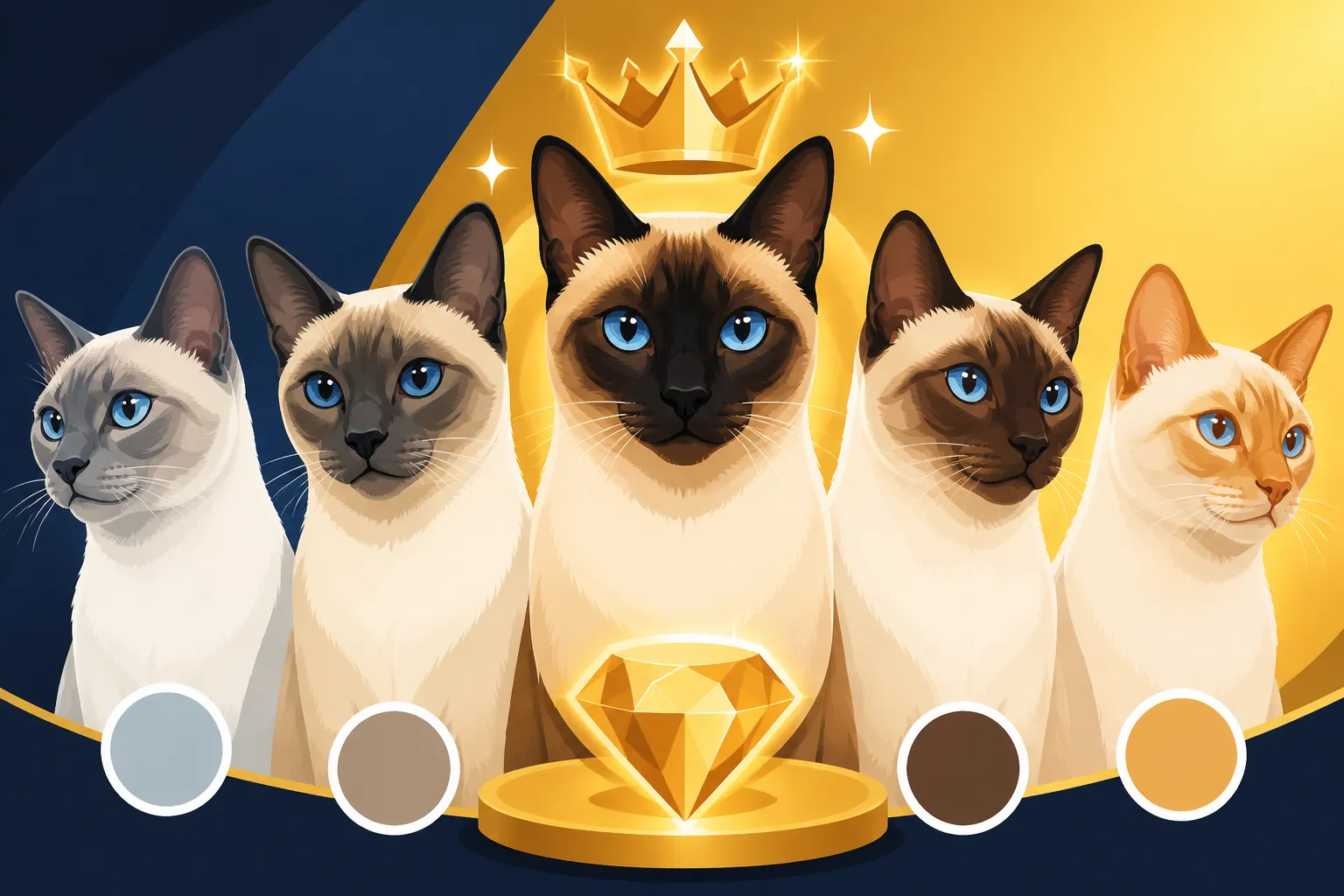
The Seal Point is arguably the most iconic and recognizable of all Siamese colors, the one that probably comes to mind when you hear "Siamese." These cats boast deep, rich, dark brown – almost black – points that starkly contrast with a creamy, fawn-colored body. Their nose leather and paw pads are typically dark brown or black. This color has been around since the very beginning of the breed's introduction to the Western world, and its dramatic beauty has captivated cat lovers for centuries. Because of its classic status and high demand, Seal Point kittens are consistently sought after. When asking "What a Seal Point Siamese Cat Is", you're asking about the original, often considered the benchmark for the breed. While they may not always be the most expensive, their steady popularity ensures they command a respectable price, reflecting their timeless appeal and the dedicated breeding lines behind them.
Blue Point: A Softer, Elegant Shade
Following closely in popularity and history is the serene Blue Point. Imagine a Seal Point, but softened and muted, and you have the elegant Blue Point. Their points are a deep, slate-gray or blue, presenting a striking yet delicate contrast against an icy white or cool-toned fawn body. Their nose leather and paw pads are usually slate gray. The Blue Point exudes a sophisticated charm and is often chosen by those who appreciate a less intense contrast than the Seal Point offers. If you want to know "What a Blue Point Siamese Cat Is", think of a gentler, cooler version of the classic. Like Seal Points, Blue Points are well-established and widely recognized, making them consistently popular. Their pricing tends to be comparable to Seal Points, driven by breeder reputation and the overall quality of the individual kitten's conformation and health. You won't typically find them at a discount just because they're blue, as their demand remains high.
Chocolate Point: Warm Hues and Growing Popularity
The Chocolate Point offers a beautiful, warm alternative to the darker Seal. Their points are a lovely milk-chocolate brown, a distinct shade lighter than the Seal Point's almost-black. This warm brown contrasts with a creamy, ivory-colored body. Their nose leather is a cinnamon pink, and their paw pads are pink or cinnamon. Chocolate Points have gained significant popularity over the years for their inviting, rich coloring. "What a Chocolate Point Siamese Cat Is" often refers to this delectable, warm-toned version. They are traditional and fully recognized, and their distinct hue often makes them highly desirable. Pricing for Chocolate Points generally aligns with Seal and Blue Points, often falling into a similar bracket due to their established position within the breed and strong appeal to those looking for a slightly different yet still classic look.
Lilac Point: The Most Delicate and Often Sought-After
Ah, the Lilac Point – often considered the most ethereal and delicate of the traditional four. Their points are a beautiful, frosty gray-pink or "lavender," a diluted version of the Chocolate Point. This pale, delicate color contrasts exquisitely with an even paler, glacial white body. Their nose leather and paw pads are a soft lavender-pink. Lilac Points are truly stunning and, because of their subtle beauty and often slightly rarer genetic combination, can sometimes fetch a higher price point than their Seal, Blue, or Chocolate counterparts. Many breeders view the perfect Lilac Point as a testament to their breeding program's skill. Asking "What a Lilac Point Siamese Cat Is" reveals a cat of understated elegance. Due to their delicate coloring, achieving the ideal light body and distinct, cool lilac points requires careful breeding. This careful selection, combined with their striking appearance, often places Lilac Points at the higher end of the traditional Siamese pricing spectrum.
Beyond Tradition: Exploring Other Recognized Point Colors
While the "Core Four" are the bedrock of the Siamese breed, the world of Siamese point colors extends further, offering even more variety and beauty. These colors often come from careful crossbreeding in the past or the identification of new genetic expressions, leading to cats that might be recognized as Siamese by some registries, or as Colorpoint Shorthairs by others. This distinction can sometimes influence both availability and price.
Red (Flame) Point: A Fiery Contrast
The Red Point, often affectionately called "Flame Point," is a truly eye-catching variation. Their points range from a soft apricot to a vibrant, fiery red-orange, dramatically contrasting with a creamy white body. Their nose leather and paw pads are usually pink. Unlike the traditional Siamese colors which are dilutes of black and brown, the Red Point coloration comes from the red gene, which gives them a distinct look. While not one of the original four, the Red Point Siamese is widely admired for its unique warmth. When people ask, "What a Flame Point Siamese Cat Costs", they are often surprised to learn they can be quite sought after. These cats are beautiful, but it's worth noting that some registries might classify them under a separate category like "Colorpoint Shorthair" rather than pure Siamese, while others accept them fully as Siamese. This slight variation in classification doesn't diminish their appeal or quality, but it's something to discuss with a breeder. Their striking appearance often places them in a similar price bracket to the more established traditional colors, sometimes even higher due to their distinctive appeal.
Lynx Point: Stripes and Stripes of Beauty
If you love the distinctive pattern of a tabby cat combined with the elegant points of a Siamese, then the Lynx Point Siamese will capture your heart. Their points feature clear tabby stripes (like a wild lynx, hence the name) in any of the traditional or non-traditional Siamese colors – so you can have a Seal Lynx Point, a Blue Lynx Point, a Chocolate Lynx Point, or even a Lilac Lynx Point. These stripes are most visible on the face, legs, and tail, standing out against a lighter body that may also show some ghost tabby markings. Their nose leather matches their point color, often outlined in a darker shade, and their paw pads can be solid or mottled. If you're wondering "What a Lynx Point Siamese Cat Is", imagine a Siamese wearing tiger stripes on its extremities. The addition of the tabby gene creates a complex and beautiful pattern. Like Red Points, Lynx Points might be categorized differently by various registries (some as Siamese, some as Colorpoint Shorthairs). This intricate pattern is highly desirable, and well-defined Lynx Points often command prices at the higher end, especially if the markings are clear and symmetrical. It's also worth checking "Whether a Lynx Point Registers as a Siamese Cat" with your preferred registry if show potential is important to you.
Tortie Point: The Calico of the Siamese World
For those who adore the multi-colored mosaic of a tortoiseshell or calico cat, the Tortie Point Siamese offers a similarly charming blend within the Siamese framework. Tortie Point Siamese cats have points that are a mix of red (or cream, its dilute form) and one of the other Siamese colors (seal, blue, chocolate, or lilac). This creates a patchwork or mottled effect on their ears, mask, paws, and tail. So, you might find a Seal Tortie Point with patches of red and dark brown, or a Blue Tortie Point with patches of cream and blue-gray. Due to the genetics involved, Tortie Point Siamese cats are almost exclusively female, a characteristic they share with tortoiseshell cats of other breeds. This makes a male Tortie Point extremely rare and usually infertile. Their unique, variegated points are highly appealing to many, making them a special find. While not as universally recognized as traditional Siamese points, Tortie Points are gaining popularity. Their uniqueness and gender specificity mean they can also fall into the higher price brackets, especially for a kitten with beautifully balanced point coloration.
| Point Color | Description | Relative Cost Indication |
|---|---|---|
| Seal Point | Deep brown/black points on a creamy body, classic Siamese. | Moderate to Higher |
| Blue Point | Slate-gray points on an icy white body, elegant and soft. | Moderate to Higher |
| Chocolate Point | Milk-chocolate brown points on an ivory body, warm and inviting. | Moderate to Higher |
| Lilac Point | Frosted gray-pink points on a glacial white body, delicate and often rarest. | Higher |
| Red (Flame) Point | Apricot to fiery red-orange points on a creamy body, vibrant. | Moderate to Higher |
| Lynx Point | Tabby-striped points (any color) on a lighter body, intricate and distinctive. | Higher |
| Tortie Point | Mottled points (red/cream + another color), almost exclusively female, unique. | Higher |
Note: "Relative Cost Indication" reflects general market trends and does not represent specific dollar amounts or guarantee pricing. Actual costs vary widely.
What Really Influences the Cost of a Point-Colored Siamese?
It's tempting to think that point color alone dictates the price of a Siamese kitten, but the reality is far more nuanced. While some colors might have a baseline premium due to their perceived rarity or demand, many other significant factors come into play. A reputable breeder will always price their kittens based on a combination of these elements, ensuring transparency and reflecting the quality and care invested in their breeding program.
Breeder Reputation and Pedigree Lines
The breeder's reputation and the pedigree of the kitten's parents are paramount when it comes to pricing, often outweighing the specific point color. A breeder who consistently produces healthy, well-socialized, and type-correct Siamese cats will naturally charge more for their kittens. This isn't just about snob appeal; it's about the immense investment they've made. This includes the cost of acquiring high-quality breeding stock, extensive health screening of the parent cats (which can include tests for conditions like PRA – Progressive Retinal Atrophy, or even tracking family lines for diseases like Amyloidosis, though there is no DNA test for it), providing optimal nutrition and veterinary care, and ensuring the kittens are raised in a clean, stimulating environment. Kittens from championship lines, where parents or grandparents have excelled in cat shows, will also command higher prices due to their proven genetics and adherence to the breed standard. When you are looking for a kitten, asking "Which Health Tests a Siamese Cat Breeder Runs" is a crucial step to understand their commitment to healthy lines. You're not just paying for a kitten; you're paying for the breeder's expertise, ethical practices, and the peace of mind that comes from knowing your kitten has had the best possible start in life.
Conformation to Breed Standards and Show Potential
Another major driver of cost, often closely tied to breeder reputation, is how well a particular kitten conforms to the breed standard and its potential for showing. Within any litter, there will be variations in "type." Some kittens might have perfect ear set, ideal head shape, brilliant blue eyes, and a perfectly balanced body structure, while others might have minor flaws that, while not affecting their health or pet quality, would prevent them from excelling in the show ring. Kittens designated as "show quality" or "breeding quality" (meaning they have the potential to produce future show cats) will always be priced significantly higher than "pet quality" kittens. This is because a show-quality kitten represents the pinnacle of the breeder's efforts and the successful perpetuation of desired traits. Pet-quality kittens are still wonderful companions and will possess all the charming Siamese traits, but they might have a slight kink in their tail, or eyes that cross more prominently than the current standard allows, even if these traits were once common and celebrated. When considering "What a Show Quality Siamese Cat Costs", remember you're investing in genetic excellence and aesthetic perfection as defined by the breed clubs.
Geographic Location and Local Demand
The cost of a Siamese cat, regardless of its point color, can also fluctuate quite a bit depending on where you live and the local demand for the breed. In areas with fewer reputable breeders or a particularly high demand for Siamese cats, prices tend to be higher simply due to supply and demand economics. Conversely, in regions with many breeders or less interest in purebred cats, prices might be more competitive. Shipping costs, if you're buying from out of state or country, also add significantly to the overall expense. Think about major metropolitan areas versus rural communities; access to specialized veterinary care, quality cat food, and a larger client base for breeders in cities can influence their overhead and, subsequently, their kitten prices. It's always a good idea to research breeders both locally and in surrounding states to get a sense of the prevailing market rates.
Navigating the Purchase: What to Expect When Buying
Once you've decided on a Siamese and have an idea of the point color you're interested in, the next step is actually navigating the purchase process. This involves more than just handing over money; it's about making sure you're getting a healthy, well-adjusted kitten from an ethical source, and understanding the commitments involved. This part of the journey is crucial for both your peace of mind and the well-being of your future feline family member.
The Importance of a Health Guarantee
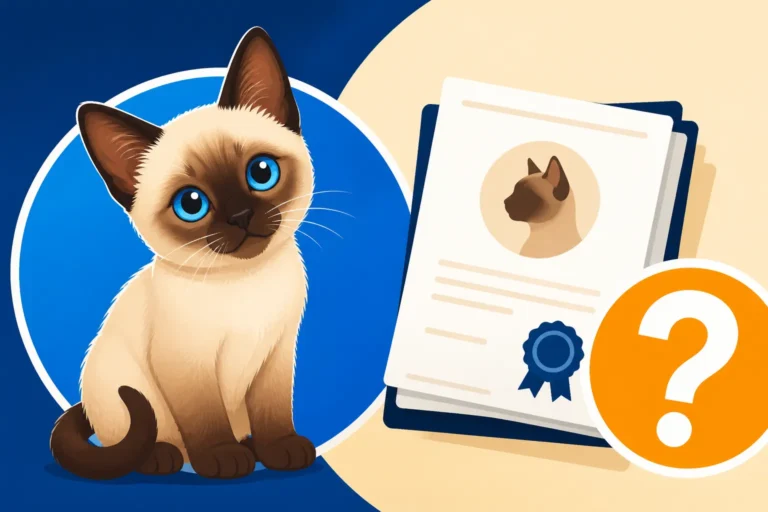
Any reputable Siamese breeder will provide a comprehensive health guarantee for their kittens. This is non-negotiable and acts as your safeguard, assuring you that the kitten you are taking home is free from serious genetic or congenital defects at the time of purchase. A good health guarantee typically covers a period of time (e.g., 72 hours for general health, or a longer period like one year for specific genetic conditions) during which you can have the kitten examined by your own veterinarian. If any covered health issues are found, the breeder should offer a replacement kitten or a refund, according to the terms of their contract. It’s important to read this document thoroughly before committing. This isn't just a piece of paper; it's a reflection of the breeder's confidence in the health of their lines and their commitment to responsible breeding practices. Be wary of any breeder who is unwilling to offer a clear, written health guarantee, as this is a major red flag. Discussing the potential for inherited conditions, even those without DNA tests like Amyloidosis, and how the breeder tracks family health, is also vital. In fact, if you want to know more, checking "Why Amyloidosis Cannot Be Screened Out of a Siamese Cat" can offer valuable insight into this breed-specific concern.
Understanding Contracts and Pricing Structures
Beyond the health guarantee, you'll likely encounter a detailed contract from a reputable breeder. These contracts outline the terms of the sale, including the kitten's point color, birth date, registration status (if applicable), and any specific conditions the buyer must agree to. Many breeders require pet-quality kittens to be spayed or neutered by a certain age and will often sell them on a "limited registration," meaning the cat cannot be bred. Show or breeding quality kittens typically come with different contracts and a higher price, reflecting their potential genetic contribution to the breed. The contract should also clearly state the full purchase price, deposit requirements, and payment schedule. Sometimes, breeders may offer different pricing for male versus female kittens, or for kittens that are already spayed/neutered when they go home versus those that are not. Don't be shy about asking questions if anything in the contract is unclear. This document is designed to protect both you and the breeder, ensuring a fair and transparent transaction for what could be a twenty-year commitment. For a full breakdown of the costs involved, "What a Siamese Cat Costs to Buy in 2026" might be a helpful resource.
Budgeting Beyond the Initial Purchase Price
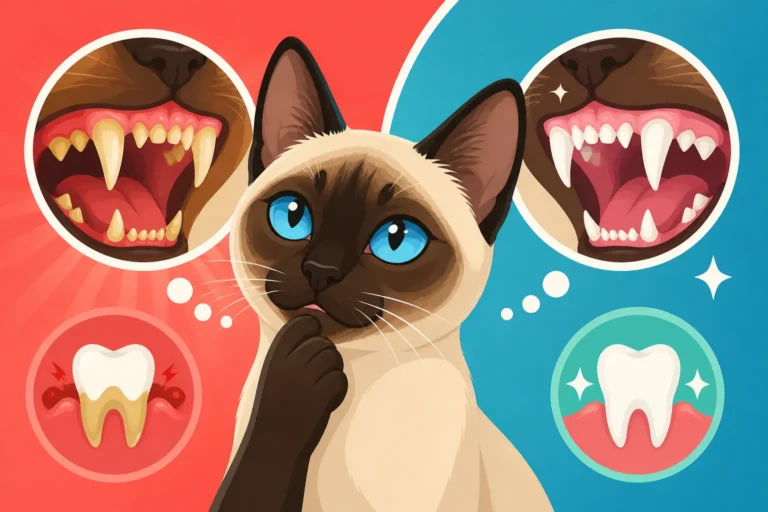
It's incredibly exciting to bring a new Siamese kitten home, but the purchase price is truly just the beginning of your financial commitment. Owning a Siamese cat, like any pet, involves ongoing expenses that you absolutely must budget for. Initial costs will include essentials like a carrier, litter boxes, food and water bowls, scratching posts, and a variety of toys. Then there are the recurring costs: premium cat food (such as high-quality options you can find on Chewy), litter, annual veterinary check-ups, vaccinations, parasite prevention, and routine dental care. Remember, Siamese cats can be prone to certain health issues, such as "Dental Disease in a Siamese Cat", which might require professional intervention over their lifetime.
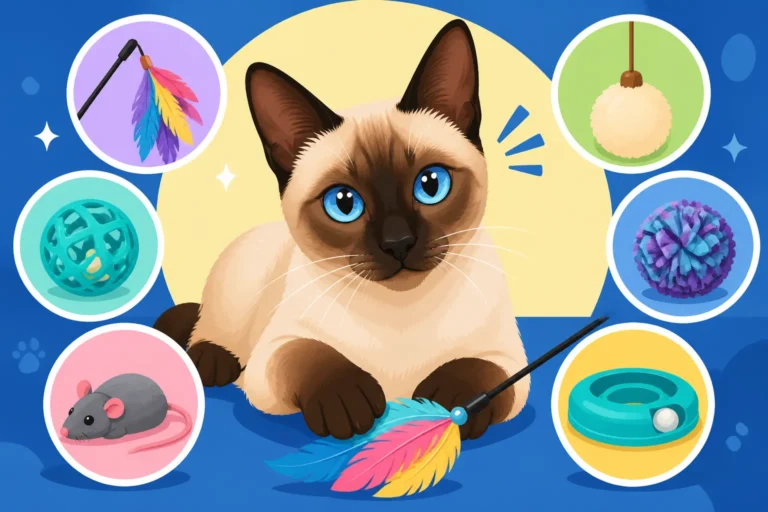
Beyond the basics, you should consider pet insurance from providers like Healthy Paws. While it adds a monthly expense, it can be a lifesaver if your cat ever needs emergency care, such as for "a Siamese Cat's Emergency Liver Bleed Costs". Additionally, interactive toys and puzzle feeders (which you can also find on Chewy) are essential for this intelligent and active breed to prevent boredom and destructive behaviors. Don't forget potential costs for a cat sitter or boarding if you travel. A well-cared-for Siamese can live for "The Fifteen to Twenty Years a Siamese Cat Gets", so you're planning for a long-term financial relationship. Understanding these ongoing costs from the outset helps ensure you can provide a happy, healthy life for your Siamese, regardless of their beautiful point color.
Living with Your Chosen Siamese: Ongoing Care Considerations
Bringing a Siamese cat into your home is an incredible adventure, full of vocal conversations and endless affection. But regardless of whether you've chosen a classic Seal Point or a striking Red Point, all Siamese cats share certain characteristics and care needs that are vital to their well-being. Understanding these aspects of daily life will ensure your bond with your feline friend is strong and that they thrive in your home.
Nutritional Needs for a Lean Physique
Siamese cats are known for their incredibly sleek, muscular, and generally lean physiques. They tend to have a higher metabolism than many other cat breeds, which means they often burn through calories quite efficiently. This isn't an excuse to overfeed them, but it does mean that their diet needs to be carefully managed to support their energy levels and maintain their healthy weight. A high-quality diet, rich in animal protein, is essential. Many owners opt for a mix of wet and dry food to ensure adequate hydration and nutritional balance. Wet food can be particularly beneficial for hydration, which is important for overall kidney health. While you might assume a thin Siamese is an underweight one, it's crucial to distinguish between a healthy lean body and actual malnourishment. Your vet can guide you on the ideal weight and feeding schedule for your individual cat. Ensuring your Siamese gets the right nutrition is paramount, and you can learn more about this by reading "Feeding a Lean Siamese Cat That Burns Everything".
Keeping Your Siamese Comfortable and Warm
Remember that temperature-sensitive gene responsible for their point coloration? It also means that Siamese cats, particularly those with a very short, fine coat and minimal undercoat, can be more sensitive to cold than some other breeds. They often adore warm, cozy spots and will seek out sunny windows, heated beds, or even snuggle under blankets with you. Providing plenty of warm sleeping areas, like soft beds or blankets, especially during cooler months, is a key aspect of their care. Some Siamese owners even find their cats enjoy wearing sweaters in chilly environments, though not all cats tolerate clothing! While their points will naturally darken slightly in colder conditions (and lighten in warmer ones), ensuring their comfort is the priority, not trying to manipulate their coat color. A drafty house or constantly cold sleeping areas can lead to discomfort, which no one wants for their beloved pet. Providing a consistently warm and inviting home environment is crucial for their overall happiness and well-being. For more details on keeping your kitty toasty, explore "Keeping a Siamese Cat Warm".
Preparing for Potential Health Costs
While Siamese cats are generally a healthy breed, they do have a predisposition to certain genetic conditions, as we've touched upon. Beyond the initial purchase price, and even with a good health guarantee, it's prudent for any Siamese owner to prepare for potential veterinary costs throughout their cat's life. Conditions like asthma, certain cancers (such as mediastinal lymphoma), and dental disease are more common in the breed. Having a plan for these possibilities, whether through pet insurance (like Healthy Paws) or a dedicated savings fund, can alleviate a lot of stress should an unexpected health issue arise. Early detection and treatment can make a significant difference in managing many conditions. Regular veterinary check-ups, even when your cat appears perfectly healthy, are crucial for monitoring their well-being and catching any subtle signs of illness. Being proactive about their health means you're prepared for the long haul, ready to give your Siamese the best possible care for their entire, wonderful life.
Disclaimer
This article is for general informational purposes only and does not constitute professional advice. Laws, prices and regulations vary by location and change over time. Consult a qualified professional for guidance on your specific situation.