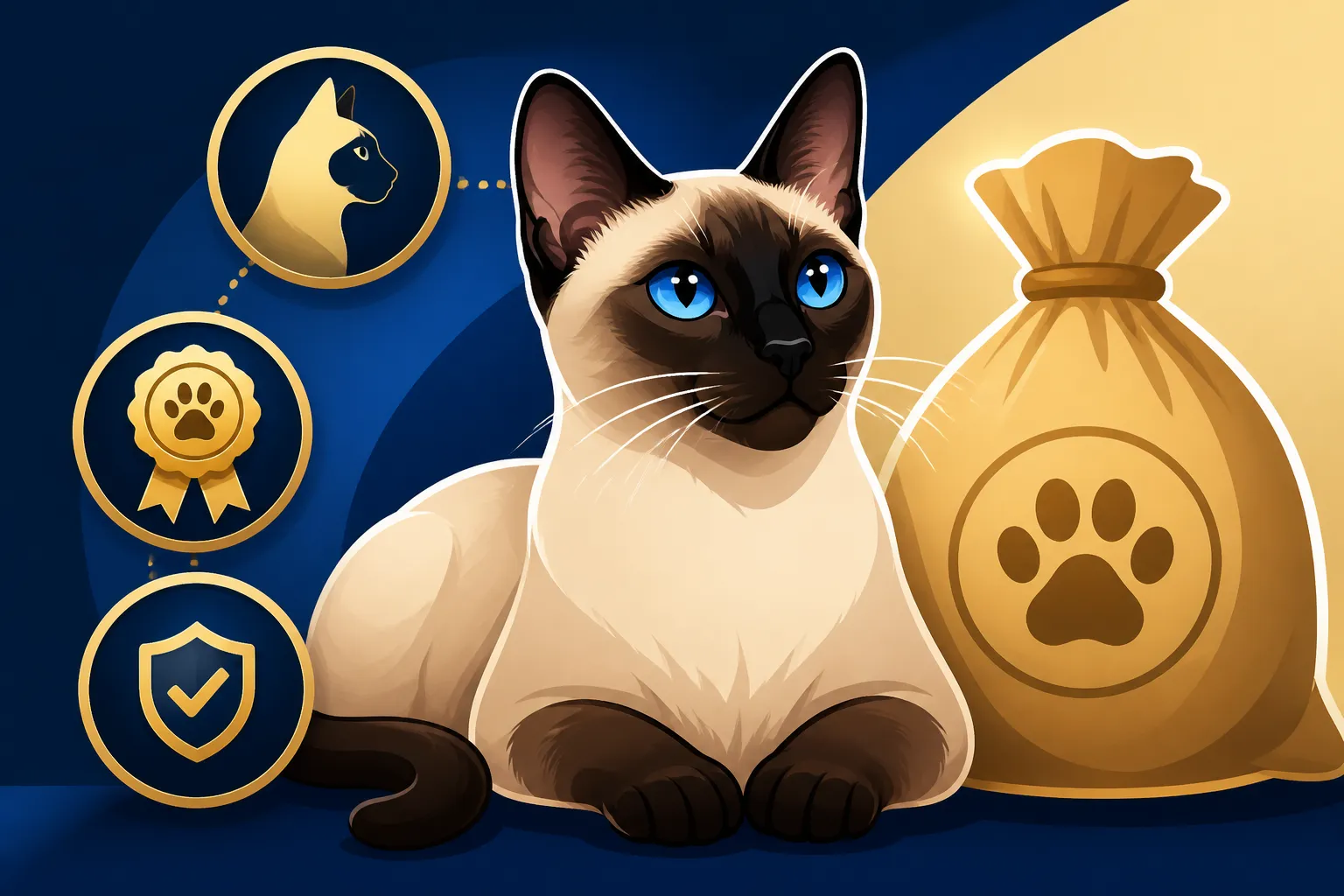
Why a TICA Registered Siamese Cat Costs Nearly Two Thousand
It's no secret that looking for a TICA registered Siamese cat can often lead you to price tags that make your jaw drop, sometimes nearing the two-thousand-dollar mark. It's a significant investment, and it's perfectly natural to wonder why these beautiful, vocal companions command such a premium. This guide will walk you through the many factors that contribute to the cost of a high-quality, TICA registered Siamese, helping you understand the value behind the price.
Understanding TICA Registration: More Than Just a Piece of Paper
When you see a cat advertised as "TICA registered," it means a lot more than just a certificate. TICA, The International Cat Association, is one of the world's largest genetic registries for pedigreed cats, and their registration signifies adherence to specific breed standards, ethical practices, and a clear lineage. This isn't just bureaucratic fluff; it's a foundation for quality and predictability in your future feline family member.
Recognized Pedigree and Standards
A TICA registration confirms that your Siamese kitten comes from a documented lineage of purebred Siamese cats. This isn't just about snob appeal; it means the breeder is working to preserve the distinct characteristics that define the Siamese breed. Think of that iconic wedge-shaped head, the striking blue almond eyes, the sleek body, and, of course, the distinctive point coloration. A TICA pedigree ensures that generations of selective breeding have gone into maintaining these traits, rather than simply breeding two cats that look Siamese. This also means you're more likely to get the temperament you expect – the intelligent, vocal, and highly interactive personality that Siamese are renowned for. What a Siamese Cat Looks Like by the Standard delves deeper into these physical traits.
Ethical Breeding Practices and Transparency
Reputable breeders who register their litters with TICA typically operate under a strict code of ethics. This includes things like ensuring the health and welfare of their breeding cats, providing a clean and enriching environment for kittens, and not over-breeding their queens. They are transparent about their breeding practices and are often happy to show you the parents (or at least photos and health records) and the living conditions. This contrasts sharply with backyard breeders or kitten mills, who often prioritize profit over animal welfare and cut corners on health and socialization. When you invest in a TICA registered kitten, you're not just paying for the cat; you're supporting a system that values animal health and responsible pet ownership. These breeders often have extensive waiting lists, and you can learn more about this in How Long a Siamese Cat Waitlist Runs.
The Breeder's Unseen Investment: Behind the Price Tag
A breeder's price isn't just plucked out of thin air. It represents years of dedication, significant financial outlay, and a deep commitment to the breed. Many of the costs are "invisible" to the average buyer but are absolutely critical to producing healthy, well-adjusted kittens.
Health Screening and Genetic Testing
This is arguably one of the biggest factors driving the cost. Responsible Siamese breeders invest heavily in health screening their breeding cats for genetic conditions known to affect the breed. While there's no perfect test for everything, and Why Amyloidosis Cannot Be Screened Out of a Siamese Cat highlights some limitations, a good breeder will screen for conditions where tests exist. This includes things like echocardiograms for heart conditions, or DNA tests for genetic predispositions where applicable. They regularly visit specialist vets, incur expensive diagnostic fees, and may even consult with veterinary geneticists. This proactive approach significantly reduces the chances of passing on debilitating diseases to kittens, offering you greater peace of mind and potentially saving you thousands in future veterinary bills. A comprehensive list of such tests can be found in Which Tests the Siamese Cat Health Panel Covers.
| Cost Category | Description | Impact on Kitten Price |
|---|---|---|
| Breeder Cat Acquisition | Purchasing healthy, show-quality breeding stock from reputable lines. | High initial investment, amortized over litters. |
| Health Testing | DNA panels, cardiac scans, regular vet check-ups for breeding cats. | Significant ongoing expense, passed on through kitten price. |
| Stud Fees/Breeding | If using an outside stud, fees can be substantial. Costs associated with ensuring successful breeding. | Varies, but adds to the cost per litter. |
| Prenatal & Postnatal Care | Specialized nutrition, vet visits during pregnancy, birthing assistance, post-birth check-ups. | Critical for dam's health and kitten survival; adds to cost. |
| Kitten Rearing | Premium kitten food, vaccinations, deworming, microchipping, vet checks for kittens. | Direct costs per kitten. |
| TICA Registration Fees | Fees to register the cattery, individual breeding cats, and each litter/kitten. | Relatively minor, but part of the overall cost. |
| Socialization & Enrichment | Time, toys, dedicated space, human interaction for well-adjusted kittens. | Intangible, but crucial for temperament and requires breeder's time/resources. |
| Show Entry Fees/Travel | For breeders who campaign their cats to prove quality and gain titles. | Adds prestige and value to the lineage. |
Quality Care for Parents and Kittens
Beyond health screening, there's the day-to-day, week-to-week, and month-to-month care. Breeding cats require top-notch nutrition, a comfortable and stimulating environment, and regular veterinary care to stay in peak condition. For kittens, this means high-quality kitten food, appropriate vaccinations, regular deworming, and initial vet check-ups before they go to their new homes. Many breeders also ensure kittens are spayed or neutered before placement, as detailed in Whether a Siamese Cat Kitten Comes Neutered, which is another cost absorbed by the breeder. They are also meticulously socialized, exposed to household sounds, people, and sometimes other pets, which contributes to a well-adjusted and confident adult cat. This vital early socialization prevents many behavioral issues down the line and often comes with a detailed contract, as explored in What a Siamese Cat Contract Restricts.
Show Costs and Lineage Development
Some breeders actively participate in cat shows, like those organized by TICA. Showing cats is not just a hobby; it's a way to prove the quality of their breeding lines against the breed standard. Traveling to shows, entry fees, grooming, and the time commitment involved are substantial. A cat with championship titles in its pedigree adds prestige and validates the breeder's efforts in producing cats that closely adhere to the ideal Siamese type. This dedication to improving the breed and maintaining high standards is factored into the price of their kittens. When you purchase from a breeder who shows, you're benefiting from this commitment to excellence.
Why Demand Drives the Price of a Quality Siamese Cat
Like any highly sought-after product, the price of a well-bred Siamese cat is also influenced by market dynamics: the balance of supply and demand.
Rarity of Well-Bred Lines
Finding a truly well-bred Siamese from a reputable, TICA-registered breeder isn't as simple as going to your local pet store. There are far fewer ethical breeders who adhere to high standards than there are individuals looking for these specific cats. These breeders typically have limited litters each year, focusing on quality over quantity. This scarcity of responsibly bred kittens means that demand often outstrips supply, naturally driving up the price. It's a testament to the fact that these breeders are not mass-producing animals but are carefully planning each litter to ensure the health, temperament, and conformity to the breed standard.
Desirability of the Breed
The Siamese cat has an enduring appeal. Their striking looks, intelligent minds, and famously chatty personalities make them incredibly desirable pets. Many people specifically seek out a Siamese for their unique blend of beauty and interactive companionship. This high demand, combined with the relatively low supply of ethically bred kittens, inevitably pushes prices higher. People are often willing to pay more for a cat that they know comes from good stock, has been well-cared for, and is less likely to develop significant health or behavioral issues due to poor breeding practices. While an Applehead Siamese Cat might cost less due to being outside the modern show standard, a "Modern Wedge Siamese Cat" often commands a higher price due to show demand.
Beyond the Purchase: What Your Siamese Cat Really Costs
While the initial purchase price can seem high, it's really just the beginning of your financial journey with your Siamese cat. Understanding these ongoing costs can help put the initial investment into perspective. After all, a healthy cat will ideally be with you for The Fifteen to Twenty Years a Siamese Cat Gets.
Initial Setup and Ongoing Essentials
Bringing your new Siamese kitten home means you'll need a whole host of supplies. This includes litter boxes, litter (you'll quickly find yourself browsing sites like Chewy for durable scratching posts or specialized litter, especially if your cat develops specific preferences or health needs), food and water bowls, a comfortable bed (or several, because cats), toys, and a carrier. While some items are one-time purchases, others like food, litter, and treats are ongoing expenses. Many owners invest in puzzle feeders to keep their intelligent Siamese stimulated, which can be an additional initial cost.
Veterinary Care and Insurance
Even with the best breeding, cats need regular veterinary care. This includes annual check-ups, booster vaccinations, and parasite prevention. However, unforeseen illnesses or accidents can happen, and vet bills can quickly become substantial. This is where pet insurance, from a provider like Healthy Paws, can offer immense value. While the upfront premium is an additional cost, it can provide crucial financial protection in case of emergencies or chronic conditions. Consider that What a Siamese Cat's Emergency Liver Bleed Costs or What Treating a Siamese Cat's Asthma Costs a Year can be staggering, making insurance a wise long-term investment.
Food and Enrichment for a Vibrant Life
Siamese cats are often very active and can have high metabolisms, meaning they might eat more than you'd expect for their slender frames. Providing a high-quality, species-appropriate diet is essential for their health and longevity. As mentioned, many owners opt for premium cat foods, which can add up over time. Beyond food, these intelligent and interactive cats thrive on enrichment. This means plenty of playtime, interactive toys, and potentially a sturdy cat tree or shelves for climbing. Neglecting their need for stimulation can lead to boredom and destructive behaviors, reinforcing the fact that What a Bored Siamese Cat Destroys can quickly cost you more than quality toys. Ultimately, the purchase price for a TICA registered Siamese, while significant, is an investment in a meticulously bred, healthy, and well-socialized companion, laying the groundwork for many joyful years together. To grasp the full financial picture, it's worth considering What a Siamese Cat Costs Over Twenty Years.
Disclaimer
This article is for general informational purposes only and does not constitute professional advice. Laws, prices and regulations vary by location and change over time. Consult a qualified professional for guidance on your specific situation.