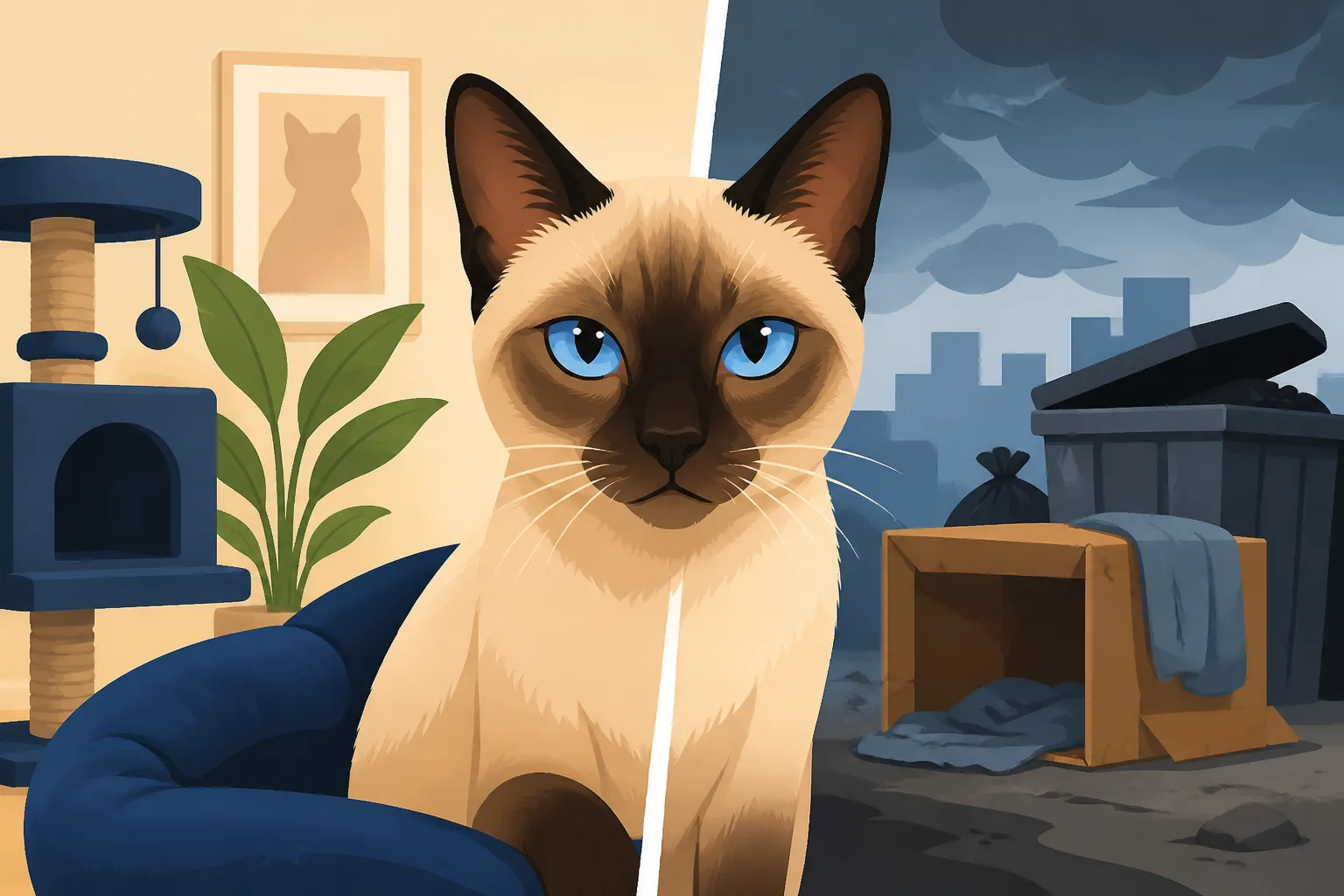
Twenty Years of a Siamese Cat, Priced Out
Bringing a Siamese cat into your life is an incredible experience, filled with boundless energy, endless chatter, and a connection unlike any other. However, these captivating companions are also known for their impressive lifespans, often gracing our homes for 15 to 20 years. This longevity, while a blessing, means that the financial commitment extends far beyond the initial purchase price, and many new owners aren't fully prepared for the long-haul expenses. This comprehensive guide will break down the true cost of loving a Siamese cat for two decades, covering everything from daily necessities to unexpected health challenges, so you can plan wisely and offer your Meezer the best life possible.
The Initial Investment: Bringing Your Siamese Home
The very first hurdle for any prospective Siamese cat owner is the initial financial outlay, and this can vary dramatically depending on where you find your furry friend. It's not just about the price of the cat itself, but also preparing your home for their arrival.
Purchase Price: Breeder vs. Rescue Realities
When you decide to welcome a Siamese into your life, one of the first big decisions is whether to go through a reputable breeder or adopt from a rescue. Each path has its own set of financial implications, and understanding them upfront is crucial.
If you choose to purchase a Siamese cat from a breeder, you'll quickly discover that prices can range widely. A kitten from a reputable breeder, especially one with a strong show lineage or specific desirable traits, will naturally command a higher price. Factors like the cat's pedigree, the breeder's reputation, and even the specific point color (some rarer colors might cost a bit more) can influence the cost. You might see a difference in price between an "Applehead" and a "Wedge" Siamese cat, as Applehead and Wedge Siamese Cats Are Two Markets, reflecting varying breeding standards and demand. A breeder's price often includes initial vaccinations, deworming, and sometimes even spay/neuter surgery, along with a health guarantee, which adds a layer of reassurance about your kitten's early well-being. Always inquire about the health screening practices, as this upfront cost can save you significant heartache and vet bills down the line. To get a more precise idea, you might want to look at What a Siamese Cat Kitten Costs From a Breeder or even explore What a Siamese Cat Costs to Buy in 2026 for current market trends.
On the other hand, adopting an adult Siamese cat from a rescue organization typically involves a lower adoption fee. This fee is rarely about the "value" of the cat itself but rather helps cover the rescue's costs for medical care, food, and shelter while the cat waited for its forever home. Rescue fees almost always include spay/neuter surgery, up-to-date vaccinations, microchipping, and often a thorough veterinary check-up. While you might not get a detailed pedigree, many rescues can provide some background on the cat's temperament and known health history. Opting for a rescue means you're giving a second chance to a cat who truly needs it, and the financial barrier is often lower, as detailed in What Adopting an Adult Siamese Cat Costs. It's a fantastic option for those who want to provide a loving home without the premium breeder price tag, though you might not get a tiny kitten.
Setup Costs: Essential Gear and Supplies
Once you've decided how your Siamese will join your family, it’s time to prepare their new home. This involves a crucial initial shopping spree for all the essentials. Don't underestimate these costs; they can add up quickly.
First on the list is a sturdy and secure cat carrier. This isn't just for bringing your new companion home; it's vital for safe vet visits, travel, or any emergency evacuations throughout their life. Investing in a good quality, easily cleanable carrier now will save you from buying multiple cheaper ones later. You'll also need litter boxes – and remember the rule of thumb: one per cat, plus one extra. So, for a single Siamese, you’ll want at least two. The type of litter box can vary, from basic open trays to more elaborate covered or self-cleaning models, each with different price points. Along with the boxes, you'll need litter scoops and an initial supply of cat litter. When considering What a Litter Box for a Siamese Cat Costs, think about both function and ease of cleaning for you.
Food and water bowls are another necessity. Stainless steel or ceramic are generally preferred over plastic, as plastic can harbor bacteria and lead to feline chin acne. Then there are the creature comforts and entertainment. Every Siamese needs scratching posts or pads to satisfy their natural urge to scratch and protect your furniture. Don't skimp on these; a good, tall cat tree or sturdy posts can be a significant upfront cost, but they are essential for your cat's well-being and your upholstery. A variety of toys, from feather wands to crinkle balls, will keep their intelligent minds stimulated. Finally, a basic grooming kit including a suitable brush (Siamese cats have short, fine coats that benefit from regular, gentle brushing) and nail clippers will be needed for routine maintenance. While these initial purchases might seem like a lot, many are one-time costs, setting the stage for a comfortable and engaging environment for your new Siamese.
Day-to-Day Essentials: Food, Litter, and Basic Comforts
The daily rhythm of Siamese cat ownership comes with its own ongoing expenses. These are the recurring costs that will be a constant part of your budget for the next two decades.
The Ongoing Tab for Food
Feeding a Siamese cat properly is a significant part of their lifelong care budget. These cats are known for their sleek, muscular builds and high metabolism, which means they can burn through calories quickly. Finding the right food for your Siamese involves considering quality, type, and quantity, all of which impact the monthly bill.
High-quality cat food is paramount for a Siamese cat's health. This usually means a diet rich in animal protein, with moderate fat and low carbohydrates. Many owners opt for a combination of wet and dry food, as wet food provides essential moisture that many cats don't get enough of, especially if they are primarily on a dry kibble diet. There are myriad brands available, from popular commercial options to specialized veterinary diets or even fresh, pre-portioned meals. For a deeper dive into their dietary needs, explore Feeding a Lean Siamese Cat That Burns Everything. The exact amount your Siamese will eat depends on their age, activity level, and individual metabolism, but you can typically expect an adult Siamese cat to consume a certain amount daily, which translates into regular purchases. Services like Chewy offer a wide range of food options, making it easy to find and order your cat's preferred brand, often with subscription savings. Fresh, less processed options are also available, though these often come at a higher price point. Understanding How Much an Adult Siamese Cat Eats can help you budget realistically for these recurring expenses, which, over twenty years, amount to a substantial sum.
Litter and Hygiene
Maintaining a clean and healthy environment for your Siamese cat involves regular purchases of litter and occasional grooming supplies. These might seem like small costs individually, but they certainly add up over time.
Cat litter is a non-negotiable expense. The type of litter you choose can influence both cost and your cat's preferences. Options range from traditional clay clumping litter to more eco-friendly silica gel, pine, or corn-based litters. Each has different absorbency, odor control properties, and price points. Given that Siamese cats are often quite particular, you might need to experiment a bit to find one your cat approves of. Remember the "one more litter box than cats" rule; this means more litter consumed. Regular scooping is essential for hygiene and to encourage your Siamese to use their boxes consistently. While Siamese cats are generally meticulous groomers themselves, they still benefit from occasional assistance. Their short, fine coats typically don't mat, making Grooming a Siamese Cat Takes Five Minutes a Week a fairly easy task. A good rubber curry brush or a fine-toothed comb can help remove loose fur and minimize shedding around the house. You might also need feline-specific nail clippers for routine trims. While full baths are rarely necessary for a Siamese unless they've gotten into something particularly messy, having a gentle cat shampoo on hand for emergencies can be wise. These hygiene costs are a small, but vital, part of responsible Siamese ownership.
Keeping Them Comfortable and Engaged
Beyond food and litter, your Siamese cat needs a comfortable and stimulating home environment to thrive. These expenses contribute to their overall well-being and happiness.
Siamese cats, with their short, fine coats and lack of an undercoat, are more susceptible to feeling the cold than many other breeds. This means you might find them seeking out warm spots in your home, snuggling under blankets, or even trying to burrow under your duvet. Providing warm, cozy sleeping areas is crucial, especially in cooler climates or during winter months. This could mean investing in soft beds, fleece blankets, or even a heated cat bed for extra comfort. Understanding Keeping a Siamese Cat Warm isn't just about their comfort, but also their health. Beyond physical comfort, a Siamese needs mental engagement. These are highly intelligent and curious cats who can become bored and destructive if not given enough to do. This means a constant rotation of interactive toys, puzzle feeders, and plenty of opportunities for play with you. Investing in high-quality cat trees and climbing structures isn't just about providing vertical territory; it's about giving them an outlet for their natural athleticism and curiosity. Think about durable toys that can withstand their enthusiastic play and puzzle feeders that challenge their clever minds, as a bored Siamese can quickly become a mischievous one!
Healthcare Costs: The Unpredictable but Inevitable
One of the most significant and potentially unpredictable financial aspects of Siamese cat ownership over two decades is healthcare. While we all hope for a perfectly healthy cat, reality often presents unexpected challenges, especially with a breed known for its longevity.
Routine Veterinary Care
The foundation of lifelong health for your Siamese begins with consistent routine veterinary care. These are the preventative measures that help catch potential issues early and keep your cat in prime condition.
Annual check-ups are non-negotiable. Even if your Siamese seems perfectly healthy, these yearly visits allow your veterinarian to perform a thorough physical examination, check for any subtle changes, and ensure vaccinations are up-to-date. Vaccinations protect against common feline diseases, and regular deworming and flea/tick prevention are essential, especially for cats that have any outdoor access, or even just for protection from household pests. As your Siamese ages, these annual visits may include routine bloodwork to monitor organ function, as detailed in What a Siamese Cat's Yearly Bloodwork Should Cover. A major component of routine care, and often underestimated, is dental health. Siamese cats are particularly prone to dental disease, which can lead to painful infections, tooth loss, and even systemic health issues if left untreated. Regular professional dental cleanings under anesthesia are often required throughout their lives. As a rule of thumb, Teeth Are the Care Job a Siamese Cat Owner Cannot Skip, and your vet will advise on the frequency. These routine visits and preventative measures form the bulk of predictable healthcare costs, but they are an investment in your cat's long-term health and quality of life. Be sure to ask your vet about a payment plan or any wellness packages they might offer.
Managing Breed-Specific Health Issues
While routine care covers the basics, Siamese cats, like many purebreds, can be predisposed to certain breed-specific health conditions that can incur significant costs. Being aware of these possibilities can help you financially prepare.
One notable concern for Siamese cats is Amyloidosis, a condition where abnormal protein (amyloid) deposits in organs, particularly the liver. While there's no screening test for it, understanding What Amyloidosis Does to a Siamese Cat highlights the severity. If a Siamese cat's liver ruptures due to amyloidosis, it's a medical emergency with very high costs, including diagnostics, blood transfusions, and potentially intensive care. Looking into What a Siamese Cat's Emergency Liver Bleed Costs can give you a stark picture of such situations. Another condition sometimes seen in Siamese cats is asthma. Symptoms can range from mild coughing to severe breathing difficulties, and managing it often involves medications, nebulizers, and inhalers. The ongoing cost of these treatments can be substantial; for a clear idea, consider Budgeting for a Siamese Cat's Asthma Inhaler. Some Siamese cats also exhibit pica, a compulsive urge to eat non-food items, often wool. While sometimes harmless, it can lead to intestinal blockages requiring emergency surgery. The surgical bill for What a Wool Sucking Siamese Cat Costs in Surgery can be quite high. These types of breed-specific health challenges underscore why a robust financial plan for healthcare is so critical over a twenty-year span.
The Role of Pet Insurance
Given the potential for both routine and unexpected health costs, many Siamese cat owners find pet insurance to be a valuable tool for managing their budget and ensuring their cat receives the best possible care.
Pet insurance isn't a magical solution for all vet bills, but it can be a lifesaver when a major illness or accident strikes. Typically, it works by reimbursing you a percentage of your veterinary expenses after you've met a deductible. Policies vary widely, with different levels of coverage, deductibles, reimbursement percentages, and annual limits. It’s crucial to understand what a policy covers and, more importantly, what it doesn't. Most plans exclude pre-existing conditions, so it's best to enroll your Siamese when they are young and healthy. When considering What Insuring a Siamese Cat Costs a Month, remember that factors like age, location, and the specific plan chosen will impact your premium. For instance, a provider like Healthy Paws offers comprehensive accident and illness plans that can cover a wide range of medical conditions, from unexpected injuries to chronic illnesses like asthma. If your Siamese were diagnosed with asthma, for example, a good insurance policy could significantly reduce your out-of-pocket costs for medications and vet visits, especially if you investigate Whether Insurance Covers a Siamese Cat's Asthma before an issue arises. While pet insurance adds another recurring monthly cost, it provides immense peace of mind, knowing that you won't have to make difficult treatment decisions based solely on your ability to pay a sudden, large veterinary bill.
Enrichment and Entertainment: Keeping a Clever Cat Happy
Siamese cats are renowned for their intelligence, high energy, and insatiable curiosity. A bored Siamese is often a destructive or overly vocal Siamese. Investing in proper enrichment and entertainment is not a luxury; it's a necessity for their well-being and your sanity, and it comes with its own set of costs over two decades.
Toys and Playtime Investment
Keeping a Siamese cat mentally and physically stimulated requires a continuous investment in appropriate toys and dedicated playtime. These intelligent felines need more than just a ball to bat around.
Siamese cats thrive on interactive play that mimics hunting. Wand toys with feathers or other attachments are fantastic for engaging their prey drive and encouraging healthy exercise. However, these toys can wear out quickly with an enthusiastic player, so budgeting for regular replacements is wise. Puzzle feeders are another excellent investment for a clever Siamese. These devices dispense treats or kibble only when the cat solves a simple puzzle, providing mental stimulation and slowing down fast eaters. For more ideas, consider exploring Enrichment for a Siamese Cat That Gets Bored in an Hour. Static toys like crinkle balls, mice, or kickers are also appreciated, but they often need variety to keep a Siamese interested. Investing in durable, high-quality toys can sometimes be more economical in the long run than constantly replacing flimsy ones. Companies like Chewy offer a vast array of toys, from basic to highly interactive, allowing you to easily find new ways to engage your cat. Remember that the "cost" of playtime isn't just monetary; it's also your time. Daily dedicated play sessions are just as important as the toys themselves for a Siamese cat's happiness and to bond with their human family. Understanding What Toys a Siamese Cat Actually Uses can help you make more efficient purchases.
Vertical Space and Scratching Opportunities
Siamese cats are natural climbers and observers. Providing ample vertical space and appropriate scratching outlets is crucial for their physical health, mental stimulation, and to protect your home.
Cat trees are a cornerstone of Siamese cat enrichment. These multi-level structures allow your cat to climb, perch, and survey their territory from a height, which is a natural feline instinct. Because Siamese cats are so active and agile, investing in a sturdy, well-made cat tree is paramount. A flimsy, cheap tree will quickly be destroyed or become unstable, leading to potential injury and wasted money – consider Why a Siamese Cat Destroys Cheap Cat Trees. Look for trees with sisal rope scratching surfaces, as well as cozy perches for napping. Beyond cat trees, shelves mounted high on walls or window perches can also provide valuable vertical territory. These allow your Siamese to observe the world outside, satisfying their curious nature, and offering additional elevated resting spots.
Equally important are scratching posts and pads. Siamese cats need to scratch to maintain their claws, stretch their bodies, and mark their territory. Providing a variety of scratching options – vertical posts, horizontal pads, cardboard scratchers – in different textures and locations (especially near their favorite sleeping spots or entryways) can redirect their scratching away from your furniture. While these items represent an initial investment, and some will need replacing as they wear out, they are essential tools for a happy, well-adjusted Siamese and for maintaining peace in your home.
Companionship and Social Needs
Perhaps one of the most unique aspects of Siamese cats is their profound need for companionship and interaction. These are not aloof, independent felines; they thrive on social connection, and meeting this need can have cost implications.
Siamese cats are notoriously social and can become lonely or anxious if left alone for extended periods. They form strong bonds with their human companions and often follow them from room to room, engaging in constant "conversation." For many, the idea that A Siamese Cat Should Not Live Alone rings true. If you have a busy household or work long hours, a single Siamese might struggle with solitude. In such cases, providing a suitable companion cat, preferably another Siamese or a similarly energetic and social breed, can be immensely beneficial for their mental well-being. This, of course, means doubling many of your recurring costs: two sets of vaccinations, twice the food, double the litter, and potentially higher vet bills. You might also want to look into What a Second Cat Costs a Siamese Cat Owner for a clearer picture.
Alternatively, if a second cat isn't feasible, you might find yourself spending more on cat sitters or dog walkers (if you have a very cat-friendly dog!) to provide additional human interaction when you're away. Boarding facilities can also be an option for vacations, but this is another recurring expense. Furthermore, a Siamese cat's intense need for attention means they will demand your time and engagement. While this is an emotional investment rather than a monetary one, it's a critical consideration for prospective owners. Understanding and meeting their social needs is vital for preventing behavioral issues that could ultimately lead to costly interventions or, sadly, rehoming.
Long-Term Considerations: Senior Care and End-of-Life Costs
The impressive longevity of Siamese cats means you're committing to a long and loving relationship. However, as they transition into their senior years, their needs will change, and new financial considerations will arise.
The Ageing Siamese Cat
Just like humans, cats experience physiological changes as they age. A Siamese cat that lives to 15 or 20 years will inevitably have different care requirements than a spry kitten or young adult, and these needs often come with increased costs.
As your Siamese enters their golden years (typically around 12-15 years old, which is The Age a Siamese Cat Is Considered Senior), you can expect an increase in veterinary visits. Regular check-ups might become semi-annual, and your vet will likely recommend more frequent diagnostic tests, such as blood work and urine analysis, to monitor for age-related conditions. Common ailments in older Siamese cats include kidney disease, hyperthyroidism, arthritis, and dental issues that may worsen with age. Managing these conditions can involve ongoing medication, specialized prescription diets, and even alternative therapies like joint supplements or acupuncture. For instance, Kidney Disease in an Older Siamese Cat can require lifelong management with special food and medication. You may notice What Changes in a Siamese Cat After Twelve, from a duller coat to less agility. These medical interventions, while essential for maintaining your cat's quality of life, can significantly increase your monthly pet care budget. It's a bittersweet reality that the costs often escalate precisely when you're most dedicated to providing comfort for your beloved companion. Planning for these eventualities is a crucial part of the commitment to Caring for an Old Siamese Cat.
End-of-Life Decisions and Costs
The most difficult part of pet ownership is inevitably facing the end of their life. While heartbreaking, understanding the financial aspects of end-of-life care and final arrangements can help ease some of the burden during an emotionally challenging time.
When your beloved Siamese reaches the point where their quality of life has significantly diminished, or a severe illness cannot be managed, you may be faced with the difficult decision of euthanasia. This compassionate act, performed by a veterinarian, typically has a cost associated with it, which can vary depending on whether it's done at the clinic or as an in-home service. Many owners opt for an in-home euthanasia to provide a peaceful, familiar environment for their cat's final moments, which often incurs a higher fee. Beyond the procedure itself, there are decisions about your cat's remains. Options typically include communal cremation, private cremation (where you receive your cat's ashes back), or burial. Each of these services comes with its own price tag, with private cremation usually being the most expensive due to the personalized service and return of ashes in an urn. You might be surprised at What a Siamese Cat's Last Year Costs, as many owners choose to exhaust all options to extend comfort and life, leading to significant veterinary bills in the final months. While no one wants to think about this time, having a general understanding of these potential costs can help you make arrangements with a clear head when the time comes, allowing you to focus on saying goodbye to your cherished companion.
The True Value: Beyond the Price Tag
Looking at the financial figures for a twenty-year commitment can feel daunting, even overwhelming. But for those who share their lives with a Siamese cat, the expense is almost always eclipsed by the immense, intangible rewards these incredible creatures bring.
The Intangible Rewards
While we've detailed the many monetary costs, it's vital to acknowledge that a Siamese cat offers an invaluable return on investment that simply cannot be quantified in dollars and cents.
The companionship of a Siamese cat is truly unique. They are deeply devoted, often bonding strongly with one or two individuals, and their constant presence can fill a home with warmth and life. Their intelligent and curious nature means there's rarely a dull moment. They'll engage you in conversation with their distinct "Meezer yowl," follow you from room to room, and often insist on being part of whatever you're doing, whether it's working on the computer or relaxing on the couch. The entertainment they provide, from their playful antics to their clever problem-solving, is endless. For many, a Siamese cat isn't just a pet; they become an integral member of the family, offering unconditional love, comfort, and laughter. They can be a source of solace during difficult times and a constant reminder of joy. Ultimately, when you consider Whether a Siamese Cat Is Worth the Money, most owners will unequivocally say yes. The bond formed over two decades, the purrs, the headbutts, the inquisitive stares – these are priceless treasures that enrich our lives in profound ways.
Planning and Budgeting for Longevity
Understanding the long-term financial commitment is the first step toward responsible Siamese cat ownership. With proper planning and smart budgeting, you can ensure your beloved companion receives the best care throughout their extended lifespan.
One of the most effective strategies is to create a dedicated pet savings fund. Even setting aside a small amount each month can accumulate into a substantial emergency fund, ready to cover unexpected vet bills or sudden needs. This mitigates the stress of a large, unforeseen expense, such as a major illness or accident. When thinking about What Twenty Years of a Siamese Cat Adds Up To, it's clear that spreading those costs out and having a buffer is crucial. Consider exploring pet insurance early in your cat's life, before any pre-existing conditions develop. Research different providers and plans to find one that fits your budget and offers comprehensive coverage. Additionally, be mindful of your daily spending. While it's tempting to spoil your Siamese with endless treats and toys, prioritizing high-quality food and preventative healthcare will have a greater impact on their long-term health than extravagant accessories. Taking advantage of loyalty programs or subscription services for food and litter from retailers like Chewy can also lead to modest savings over time. By being proactive and disciplined with your finances, you empower yourself to make the best decisions for your Siamese cat's health and happiness, knowing you can provide for them no matter what challenges arise over their long, wonderful life.
Understanding the Full Financial Spectrum
To truly appreciate the commitment, let's consolidate the various costs. While estimates can vary wildly based on location, choices, and health, this table provides a general overview of the financial journey you might embark on with a Siamese cat over two decades.
| Category | Initial Cost (Estimate) | Annual Cost (Estimate) | Lifetime (20 Yrs) Est. | Notes |
|---|---|---|---|---|
| Purchase/Adoption | $200 – $2,500+ | N/A | $200 – $2,500+ | Rescue fees generally lower; breeder prices vary by lineage, show quality, color. |
| Initial Setup | $200 – $500 | N/A | $200 – $500 | Carrier, multiple litter boxes, scoops, first bag of litter, food/water bowls, basic toys, scratching posts, initial grooming tools. |
| Food (Quality Wet/Dry) | N/A | $400 – $800+ | $8,000 – $16,000+ | Siamese cats have high metabolism; quality food is vital. Costs increase for specialized diets or fresh food services. Based on average cost of What a Siamese Cat Eats a Month. |
| Litter | N/A | $150 – $300 | $3,000 – $6,000 | Varies by litter type and number of litter boxes. |
| Routine Vet Care | N/A | $200 – $500 | $4,000 – $10,000 | Annual exams, vaccinations, parasite control. Costs typically increase with age, includes check-ups for The Fifteen to Twenty Years a Siamese Cat Gets. |
| Dental Care | N/A | $300 – $800 (as needed) | $3,000 – $8,000+ | Siamese are prone to dental issues. Professional cleanings can be frequent, as highlighted by How Many Dentals a Siamese Cat Needs in a Lifetime. |
| Pet Insurance | N/A | $200 – $600+ | $4,000 – $12,000+ | Optional, but highly recommended for unexpected illnesses and breed-specific issues (e.g., Healthy Paws). Premiums vary. |
| Toys & Enrichment | N/A | $50 – $200 | $1,000 – $4,000 | Replacing worn toys, investing in new interactive or puzzle feeders, cat trees, scratching posts. |
| Emergency/Illness | N/A | Variable | $1,000 – $10,000+ | Unpredictable, can be a single large bill (e.g., emergency surgery for blockage from Why a Siamese Cat Sucks Wool, or a ruptured liver). This is an average; some cats have minimal issues, others have multiple. |
| Senior Care (extra) | N/A | $300 – $1,000+ (late life) | $1,500 – $5,000+ | Special diets, medications for age-related conditions, more frequent vet visits. Crucial for Caring for an Old Siamese Cat. |
| End-of-Life | N/A | N/A | $100 – $500+ | Euthanasia, cremation/burial services. |
| TOTAL ESTIMATE | $25,000 – $60,000+ | This is a rough, cumulative estimate for the entire lifespan. Individual costs will vary greatly. Some Siamese cats will live for The Fifteen to Twenty Years a Siamese Cat Gets, making careful budgeting essential. |
As you can see, the financial commitment for a Siamese cat over its potential twenty-year lifespan is substantial. It's not a decision to be taken lightly, but for those prepared for the journey, the rewards far outweigh the costs.
Disclaimer
This article is for general informational purposes only and does not constitute professional advice. Laws, prices and regulations vary by location and change over time. Consult a qualified professional for guidance on your specific situation.