Why Show Demand Drives the Wedge Siamese Cat Price
It's a question many prospective Siamese cat owners grapple with: why does that sleek, angular "Wedge" Siamese kitten from a reputable breeder seem to carry such a hefty price tag? It can feel frustrating, even a little baffling, when you're simply looking for a beloved companion and encounter prices that vary wildly based on head shape or lineage. This guide aims to shed light on the intricate world of Siamese cat breeding, explaining how the pursuit of the specific show ring aesthetic drives the cost of the modern Wedge Siamese, and what that price really reflects for both the breeder and the future owner.
Defining the Modern Siamese Cat Standard
When we talk about the "Wedge" Siamese, we're really referring to the modern interpretation of the breed as defined by various cat registries and exemplified in the show ring. This isn't just about a pretty face; it's about a very specific and carefully cultivated set of physical characteristics that breeders strive to achieve. This meticulous selection process is a primary factor influencing cost.
The Ideal 'Wedge' Head Type
The most distinctive feature of the modern Siamese, and the one that lends its name to the "Wedge" type, is the head. Imagine a perfect triangle: the top points of the ears form the top of the triangle, and the tip of the nose forms the bottom point. This wedge should be long and tapering, with absolutely straight lines. There should be no pinch at the whiskers, no roundness to the skull, and definitely no "applehead" appearance. Breeders dedicate years, sometimes even decades, to carefully selecting pairings that will consistently produce kittens exhibiting this extreme, elegant head type. It's a challenging genetic puzzle, and successful achievement adds significant value.
Beyond the overall shape, the profile is also critical. A perfect Wedge Siamese will have a straight profile from the forehead to the tip of the nose, without a break or dip. The chin and jawline should be strong and well-developed, creating a balanced and refined look. Each one of these minute details, meticulously judged in the show hall, contributes to the perceived perfection and, consequently, the price of a kitten from a lineage known for consistently producing them.
Other Key Conformation Points
While the head is paramount, the show standard for the modern Siamese encompasses the entire cat's physique. The body should be long, svelte, and tubular, reflecting grace and athleticism. There's an emphasis on fine bones and a muscular, but not bulky, build. This slender elegance is a hallmark of the modern Siamese and requires careful breeding to maintain without sacrificing health.
The ears are another striking feature – large, wide at the base, and set to continue the lines of the wedge head. The eyes, always a brilliant sapphire blue, should be almond-shaped and slanted to align with the wedge, contributing to that distinctive, intense Siamese gaze. Even the coat, short, fine, and close-lying, with the classic point coloration, is evaluated for texture and clarity. Achieving this overall harmony, where every feature contributes to the elegant, extreme standard, is a complex endeavor. A breeder who consistently produces cats that meet these high standards is investing heavily in their breeding program, and that investment is naturally reflected in the price of their kittens.
The Investment in Show Quality Breeding
Behind every high-priced, show-quality Siamese kitten is an enormous investment of time, money, and expertise from the breeder. This isn't simply about breeding two cats; it's a dedicated pursuit of excellence, and the financial outlay is substantial before a single kitten is even born.
Costs of Campaigning a Show Cat
One of the most significant drivers of cost comes from the world of competitive cat shows. For a breeder to prove the quality of their lines and earn the coveted Grand Champion or Supreme Grand Champion titles, they must "campaign" their cats. This involves traveling to numerous cat shows, sometimes across state lines or even internationally. Each show requires entry fees for every cat, often several hundred dollars per cat per weekend. Then there's the cost of transportation, accommodations, and specialized grooming supplies to ensure the cat looks its absolute best.
Many top breeders also employ professional handlers to present their cats in the ring, which adds another layer of expense. Winning titles isn't just for bragging rights; it's a testament to the quality of the breeding program and significantly enhances a cattery's reputation. These titles validate that the breeder is consistently producing cats that meet the breed standard, making their kittens highly sought after. The more champions in a kitten's pedigree, the more valuable, and thus more expensive, that kitten often becomes. It’s a costly cycle that ultimately influences What a Show Quality Siamese Cat Costs.
Genetic Screening and Health Considerations
Reputable breeders are not just focused on aesthetics; they are deeply committed to the health and longevity of their cats. This means undertaking comprehensive genetic screening and health tests for their breeding stock. While there might not be a DNA test for certain conditions like amyloidosis, which is unfortunately common in the breed, breeders will still track family health histories meticulously. For conditions like Progressive Retinal Atrophy (PRA), responsible breeders perform eye tests and, if available and reliable, DNA screening. You might be interested in learning Whether the rdAc DNA Test Works on a Siamese Cat for this reason.
These health tests, which can include cardiac screenings, blood work, and more, are expensive and often need to be repeated annually. The goal is to minimize the risk of passing on inherited diseases to future generations, ensuring healthier, longer-lived pets. This dedication to health, along with routine veterinary care, vaccinations, and high-quality nutrition for the breeding cats, represents a significant ongoing expense. While pet insurance companies like Healthy Paws offer coverage for unexpected illnesses, the proactive steps breeders take are crucial for reducing those risks from the start.
The Breeder's Reputation and Limited Supply
When you’re looking for a Siamese kitten, especially one that embodies the modern Wedge standard, you're not just buying a cat; you're often investing in a breeder's long-standing reputation for quality and ethical practices. This reputation, built over years of careful breeding and showing, creates a demand that naturally influences pricing.
The Impact of Champion Lines
A kitten whose parents or grandparents have achieved champion or grand champion status in the show ring comes with an undeniable pedigree. These titles are not easily won; they signify that the cats have been rigorously evaluated against the breed standard by multiple judges and found to be exceptional examples of the breed. For a buyer, a pedigree filled with champions offers a certain assurance of quality – not just in terms of appearance, but also often in temperament and health, as reputable show breeders prioritize all these aspects.
This lineage also reflects the breeder's dedication and expertise. They haven't just stumbled into producing beautiful cats; they have carefully studied genetics, invested in top-quality foundation stock, and made informed decisions about pairings. This level of intentional breeding, aimed at continually improving the breed, is a specialized skill. Naturally, kittens from such proven lines command a higher price point, as they are considered prime examples of what the breed should be, and the breeder has invested heavily in ensuring that heritage.
Ethical Breeding Practices and Demand
Ethical Siamese breeders, particularly those focused on the show standard, operate very differently from large-scale commercial operations. They typically have a small number of breeding cats, prioritizing their health and well-being above all else. They breed infrequently, often only once a year or less for each female, to ensure their queens are not overbred and have ample time to recover between litters. This deliberate approach results in a limited supply of kittens.
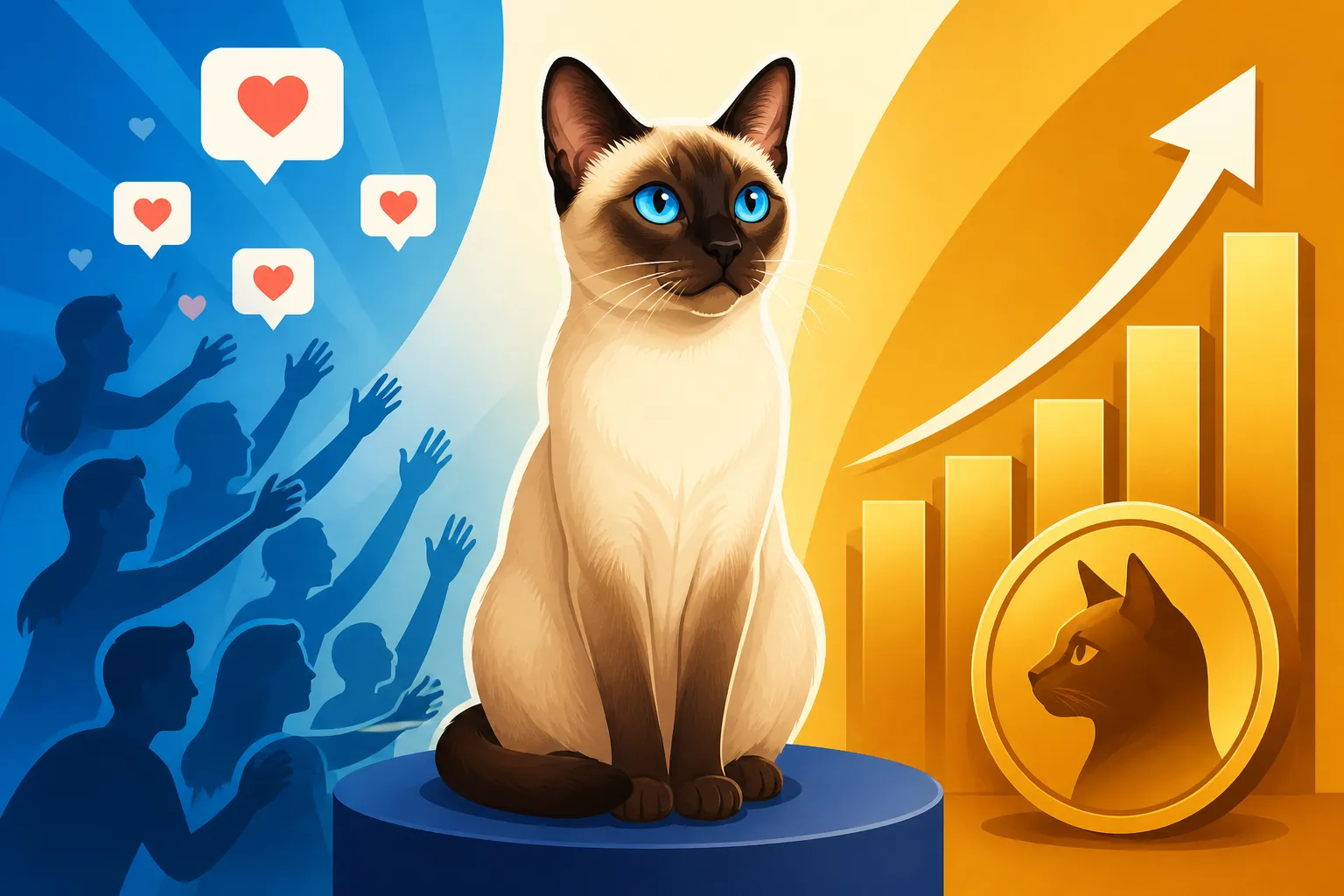
This scarcity, combined with the high demand for healthy, well-socialized kittens from proven champion lines, creates a competitive market. Reputable breeders often have extensive waitlists, with potential owners willing to wait months, sometimes even over a year, for a kitten from a specific cattery. This is a common situation, and understanding How Long a Siamese Cat Waitlist Runs can help manage expectations. The fact that demand consistently outstrips supply for these meticulously bred kittens naturally pushes prices higher. These breeders also invest heavily in the kittens' early socialization and care, ensuring they leave for their new homes well-adjusted and healthy, which is an invaluable service.
The Different Markets for Siamese Cats
It’s easy to feel confused by the vast difference in Siamese cat prices you might see online or hear about. The truth is, there isn't just one market for Siamese cats; there are distinct tiers that cater to different needs and expectations, with show demand sitting at the very top.
Pet Quality vs. Show Quality
This is perhaps the most crucial distinction when discussing pricing. A "show quality" kitten is one that perfectly, or very nearly perfectly, embodies the breed standard. It has the correct wedge head, body type, eye set, and all the nuanced features that a show judge would look for. These kittens are often reserved by other breeders or serious exhibitors who intend to campaign them in the show ring or use them in their own breeding programs. Because of their exceptional conformity to the standard, and the potential they hold for future wins or progeny, they are the most expensive.
"Pet quality" kittens, on the other hand, are just as healthy, well-socialized, and loving as their show-quality siblings, but they might have a minor flaw that disqualifies them from the show ring. Perhaps their ears aren't set quite perfectly to continue the wedge, or their tail has a slight kink (though sometimes a kinked tail is part of the legend and not a flaw!). These minor cosmetic differences do not impact their quality as a beloved family member one bit. They are typically sold at a lower price and usually with a spay/neuter contract, ensuring they go to loving homes where their primary role is companion, not competitor or breeder. Many people choose to get their pet supplies from online retailers like Chewy, which makes it easy to find everything from litter to toys.
Why an Applehead Siamese Cat Costs Less
The traditional, or "applehead," Siamese represents an older style of the breed, characterized by a rounder head, a sturdier body, and a less extreme appearance than the modern Wedge. While these cats are incredibly charming, vocal, and intelligent, they do not conform to the current show standards upheld by major cat registries. Therefore, breeders who focus on the traditional applehead type do not incur the significant costs associated with campaigning cats in the competitive show circuit.
This lack of “show demand” for the applehead means their prices are generally more accessible. It's not a reflection of their health or temperament, but purely a market dynamic driven by the show world's preference for the extreme wedge. Buyers interested in the classic Siamese personality without the specific modern show aesthetics often find the applehead a wonderful and more budget-friendly option. If you're passionate about a particular head type, you might wonder Whether an Applehead Siamese Cat Is Healthier or Why Applehead Siamese Cat Breeders Charge Less – it often comes down to this distinction in market demand and the associated breeding costs.
| Feature | Pet Quality Siamese | Show Quality Siamese |
|---|---|---|
| Purpose | Companion animal | Breeding/Exhibiting |
| Conformation | Minor "flaws" (e.g., ear set, head shape slightly off standard) | Nearly perfect adherence to breed standard |
| Temperament | Excellent, loving | Excellent, loving |
| Health | Excellent | Excellent |
| Price | Lower | Significantly Higher |
| Contract | Spay/Neuter usually required | Breeding/Show contract, full registration |
| Availability | More readily available | Often long waitlists, highly sought after |
Disclaimer
This article is for general informational purposes only and does not constitute professional advice. Laws, prices and regulations vary by location and change over time. Consult a qualified professional for guidance on your specific situation.